The New Spotify Conspiracy Theory: Are Independent Artists Being Silently Held Back?
A new Spotify conspiracy theory is spreading quietly through the independent music world, and whether one sees it as paranoia, pattern-recognition, or an uncomfortable industry truth, it touches a nerve many artists already feel: the modern streaming economy does not seem equally generous to everyone.
At the center of this theory is a simple but explosive idea: independent artists - and I mean those with real talents - are being aggressively monitored, penalized, and algorithmically contained, while major-label artists continue to benefit from preferential visibility, stronger distribution pipelines, and institutional protection. It is not a theory that can be accepted as proven fact without evidence. However, the frustration behind it is real, especially these days where artists are told they can “build independently” while quietly discovering that independence often comes with invisible ceilings.
Indeed, Spotify has publicly intensified its fight against artificial streaming. The platform says it charges labels and distributors when “flagrant artificial streaming” is detected, and distributors have passed similar warnings to artists. On paper, this sounds fair. Bot streams damage the ecosystem, distort royalties, and create false popularity. However, the controversy begins when independent artists claim they are punished without sufficient transparency, while bigger acts appear to escape the same level of scrutiny.
This is where the conspiracy theory grows legs.
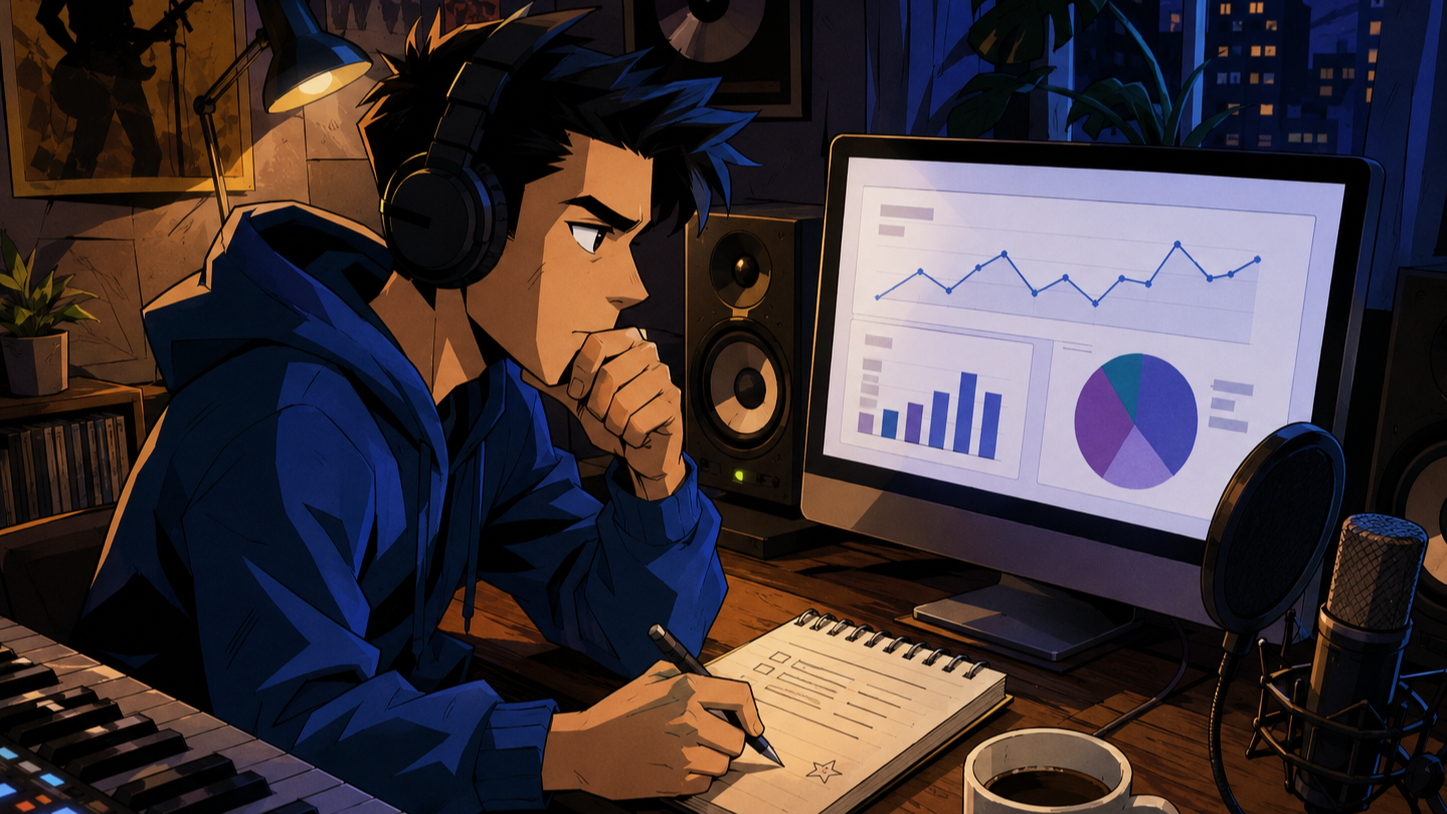
Many independent artists have experienced strange streaming spikes followed by sudden listener drops, playlist removals, distributor warnings, royalty holds, or even takedown threats. Some insist they never knowingly purchased fake streams. Others admit they used playlist-promotion services without realizing those services may have relied on suspicious traffic. The result is a climate of fear where an artist can spend money trying to promote a song, receive a short burst of growth, and then watch the entire campaign dissolve into suspicion.
However, the deeper allegation is more political: some believe anti-bot enforcement became a tool to restore control after independent and global music scenes began disrupting the old hierarchy. During and after the COVID era, Afrobeats, Latin pop, regional Mexican music, bedroom pop, and independent rap expanded dramatically across streaming platforms - thanks to Tik Tok. This shift made the global music economy feel less predictable. Suddenly, songs could travel from Lagos, Medellín, Toronto, Montreal, or someone’s apartment studio to millions of listeners without passing through the traditional gatekeepers.
The theory argues that when independent momentum became too powerful, the industry’s response was not simply to clean up fraud, but to redefine which kind of growth was “legitimate.” In other words, a major-label campaign could look like strategy, while an independent campaign with similar velocity could look suspicious.
That claim remains unproven. Still, it reflects a larger imbalance that is difficult to ignore. Major labels have marketing departments, playlist relationships, legal teams, data analysts, ad budgets, publishing leverage, and direct platform partnerships. Independent artists often have a laptop, a distributor dashboard, a few hundred dollars, and faith. When something goes wrong, the major artist has infrastructure. The independent artist has an email thread.
Moreover, Spotify’s evolving relationship with AI has made the suspicion even more intense. The company has introduced policies against unauthorized vocal impersonation, saying music that clones another artist’s voice without permission can be removed. Yet artists remain anxious because AI music tools are becoming faster, cheaper, and harder to police. For many musicians, the fear is not only that their streams might be questioned, but that their entire sonic identity—voice, cadence, production style, melodic DNA—could be absorbed, imitated, and redistributed without meaningful consent.
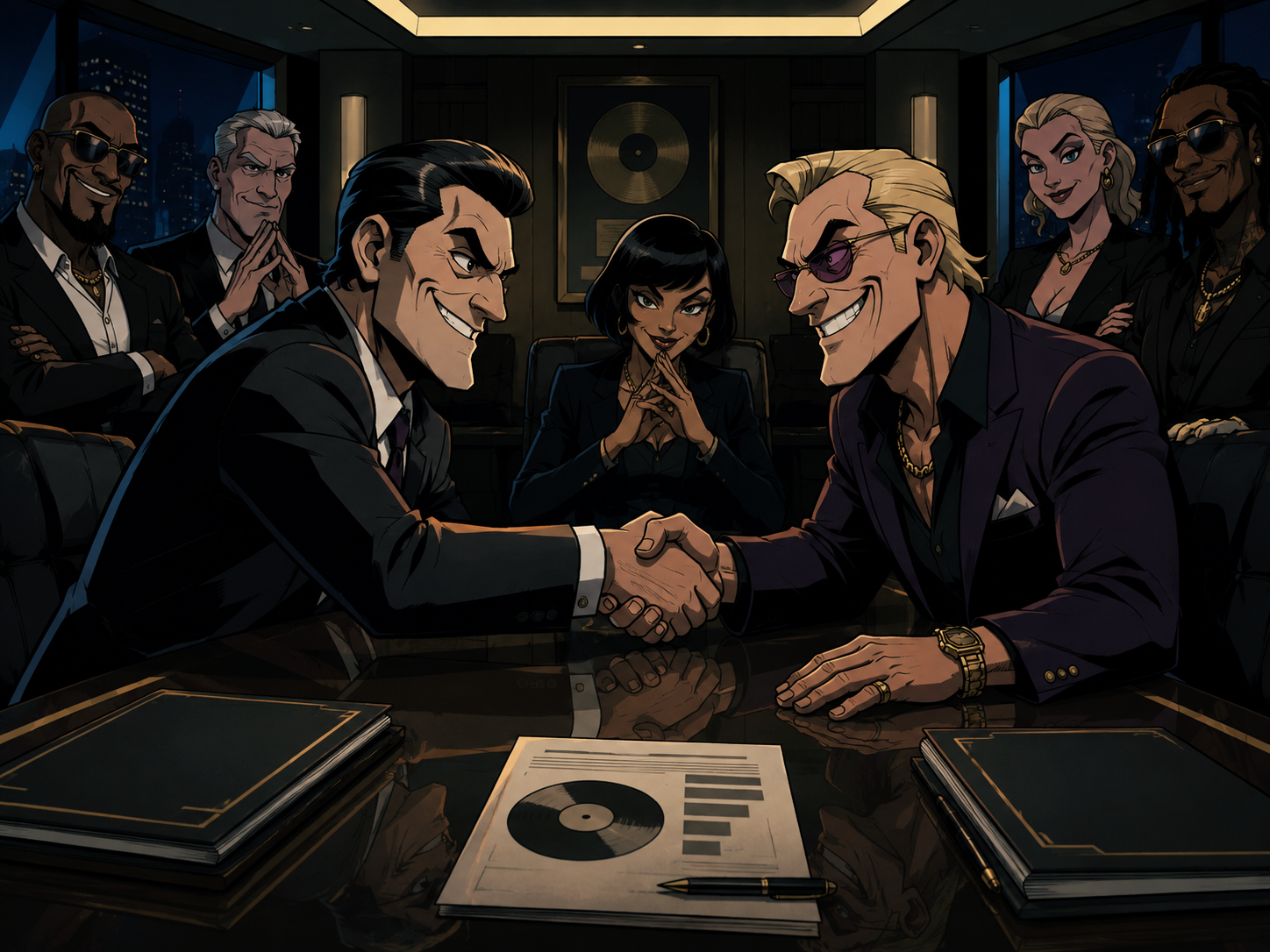
In addition, Spotify’s recent partnership with Universal Music Group around AI-generated remixes and covers has added fuel to the debate. The official framing emphasizes consent, credit, compensation, and artist control, but independent artists may reasonably wonder whether these protections will be equally accessible to them or mostly designed around catalogues already controlled by powerful rights-holders.
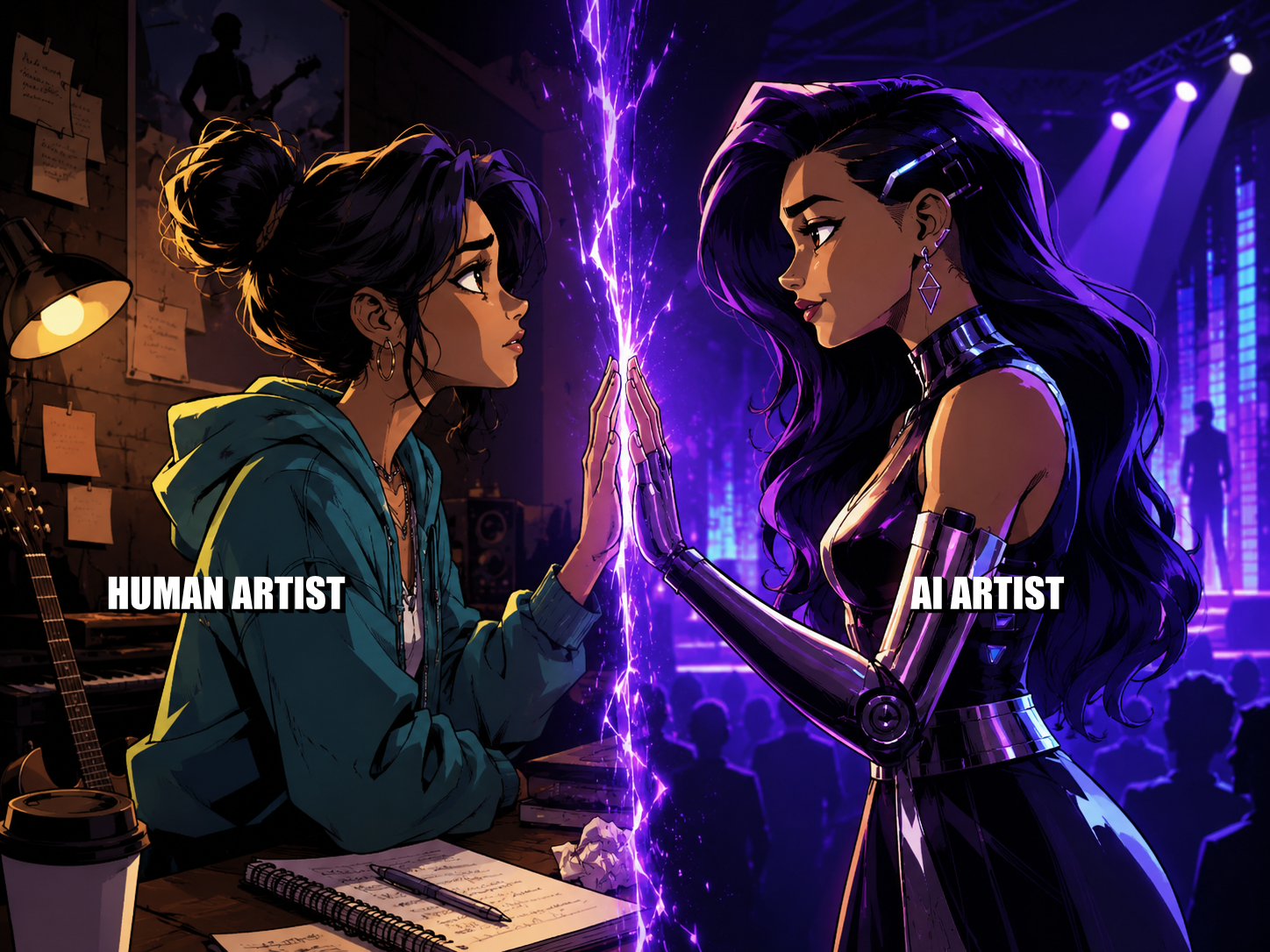

This is why the “Spotify conspiracy theory” resonates. It is not only about bots. It is about trust.
Artists are asking: Who decides what organic growth looks like? Who gets the benefit of the doubt? Who gets punished first? Who gets protected when AI copies a voice? Who has access to human support when an algorithm flags their song? Who can appeal? Who is quietly erased?
The danger, however, is that conspiracy can sometimes flatten a complicated problem. Not every failed campaign is suppression. Not every listener drop is sabotage. Not every major artist’s success is fake. Streaming fraud exists, and some independent artists do get trapped by predatory playlist sellers promising “guaranteed streams.” At the same time, the industry cannot pretend that artists’ distrust comes from nowhere. When platforms operate with limited transparency, suspicion becomes the unofficial language of the powerless.
The real story, then, may not be that Spotify is secretly plotting against every independent artist. The more believable story is colder and more bureaucratic: the system is built in a way that naturally and increasily favors those with capital, legal leverage, and institutional proximity. Major-label artists do not need a conspiracy to have an advantage. The architecture already bends toward them.
For independent musicians, this means survival now requires more than talent. It requires careful promotion, clean data, reputable partners, owned audiences, email lists, direct fan relationships, strong visual identity, and a refusal to rely entirely on playlist miracles. Artists should avoid any service guaranteeing streams, monitor suspicious traffic, document campaigns, and build communities outside platforms they do not control.
Still, the emotional cost should not be minimized. When artists pour years into their music and feel repeatedly buried, ignored, or penalized by systems they cannot interrogate, the damage is not merely financial. It becomes psychological. The dream begins to feel rigged. The joy becomes administrative. The art becomes a fight against dashboards.
So, is the new Spotify conspiracy theory true?
The responsible answer is: not proven. But the frustration behind it is valid, and the questions it raises deserve serious attention. Independent artists do not need comforting slogans about democratization. They need transparent enforcement, fair appeals, ethical AI protections, and a streaming economy where growth is not automatically suspicious just because it did not arrive wearing a major-label suit.
Because if the future of music belongs only to those who can afford protection, then independence is not dead—but it is being asked to perform inside a rigged labyrinth.
Enjoyed the read? Consider showing your support by leaving a tip for the writer
Featured

Follow Us








Desiree Choy’s “Never Want It to End” glows with the soft architecture of a perfect evening held just before it disappears. The American, LA-based singer, songwriter, and actress shapes the single through Alternative / Indie R&B and Alt Pop, bringing a chill coastal feeling to a song about wanting…