
DAX Puts Hope and Intervention at the Center of the Visual Narrative for His Single “God, can you hear me?”
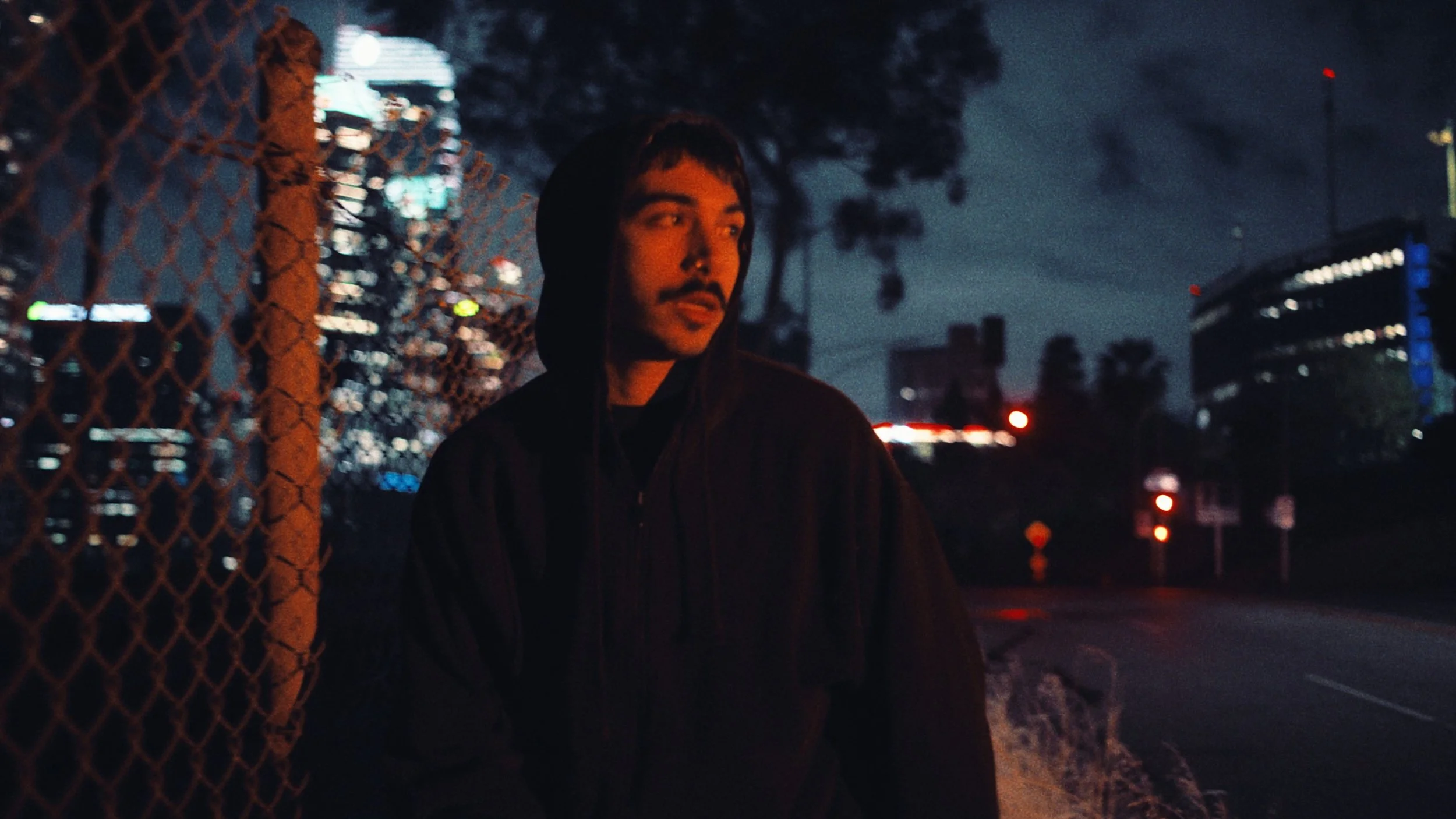
DAX puts the visual narrative at the center of his newest single “God, can you hear me?”, and that choice gives the song an added sense of urgency. Rather than relying only on the piano-led production and his mix of rap and melodic delivery, the video expands the record into something more cinematic and immediate. As DAX moves through the city, the visuals mirror the isolation and spiritual exhaustion in the lyrics, turning public spaces into backdrops for private pain. The strongest part of the concept is how it contrasts his direct conversation with God against the silent struggle of another character whose distress unfolds in parallel. That structure makes the video feel purposeful instead of decorative. It is not there just to accompany the song; it helps translate the record’s message into something viewers can follow scene by scene, with a clear emphasis on despair, intervention, and the possibility of being pulled back from a breaking point.
What makes the visual especially effective is that it frames faith as action rather than abstraction. DAX is not simply performing to camera; he becomes part of a story about reaching someone before it is too late, and that gives the song a stronger emotional payoff. The city setting, the subdued pacing, and the dramatic rewind concept all reinforce the idea that one moment, one voice, or one act of care can change a life’s direction. Musically, the emotional keys and stripped-back arrangement still do their job, but the video is what leaves the deeper impression here. “God, can you hear me?” works best as a full visual statement, where the song’s plea for help meets a storyline built around hope and rescue. And for anyone carrying heavy thoughts, please talk to someone you trust and reach out for support.
FEATURED
Colombian multidisciplinary artist Laru builds “Contra el río” around a compelling contradiction: resistance expressed through calm. The experimental Afro-fusion single moves with a laidback pulse, yet its internal design suggests constant forward motion. Gentle drums carry a tribal texture without overwhelming…
Torne treats memory less like an archive than a landscape on Phases, his 14-track self-produced album released September 4. The Los Angeles artist moves through R&B, soul-pop, indie, electronic music, dance and UK garage without allowing the project to fracture into disconnected experiments…

NOVEMBER KID shapes motion into intimacy on “The World Slows Down,” a sleek alternative dance and stutter-house single that expands the Vienna-based Austrian producer’s melodic deep-house vocabulary. Following “You’re The Only Place I Need,” the track favors atmosphere over spectacle, constructing its emotional…
A record can behave like a coat of armour: impressive from a distance, cumbersome once the wearer remembers there is a body underneath. Toronto, Canada band Spring Colours bring that tension into relief on “The Courage Cloak,” a ten-track album released March 27, 2026, following a steady grassroots rise built through loud…

A warm evening rarely announces its memorable moment; it settles in slowly, softening the edges until everything feels suspended. That is the atmosphere The Dada Project creates on “Whispers,” the new single from Diane Arkenstone and David Arkenstone, premiering on our website ahead of its official September 25th release…
Desiree Choy’s “Never Want It to End” glows with the soft architecture of a perfect evening held just before it disappears. The American, LA-based singer, songwriter, and actress shapes the single through Alternative / Indie R&B and Alt Pop, bringing a chill coastal feeling to a song about wanting…

Healing has a rhythm too; sometimes it knocks softly before it kicks the door open. Dylan Dunlap’s “You Owe It to Yourself” brings the American artist into a chill Indie Pop and Alt Pop space, where self-care is not framed as luxury but survival. The track moves with quiet strength, built from…
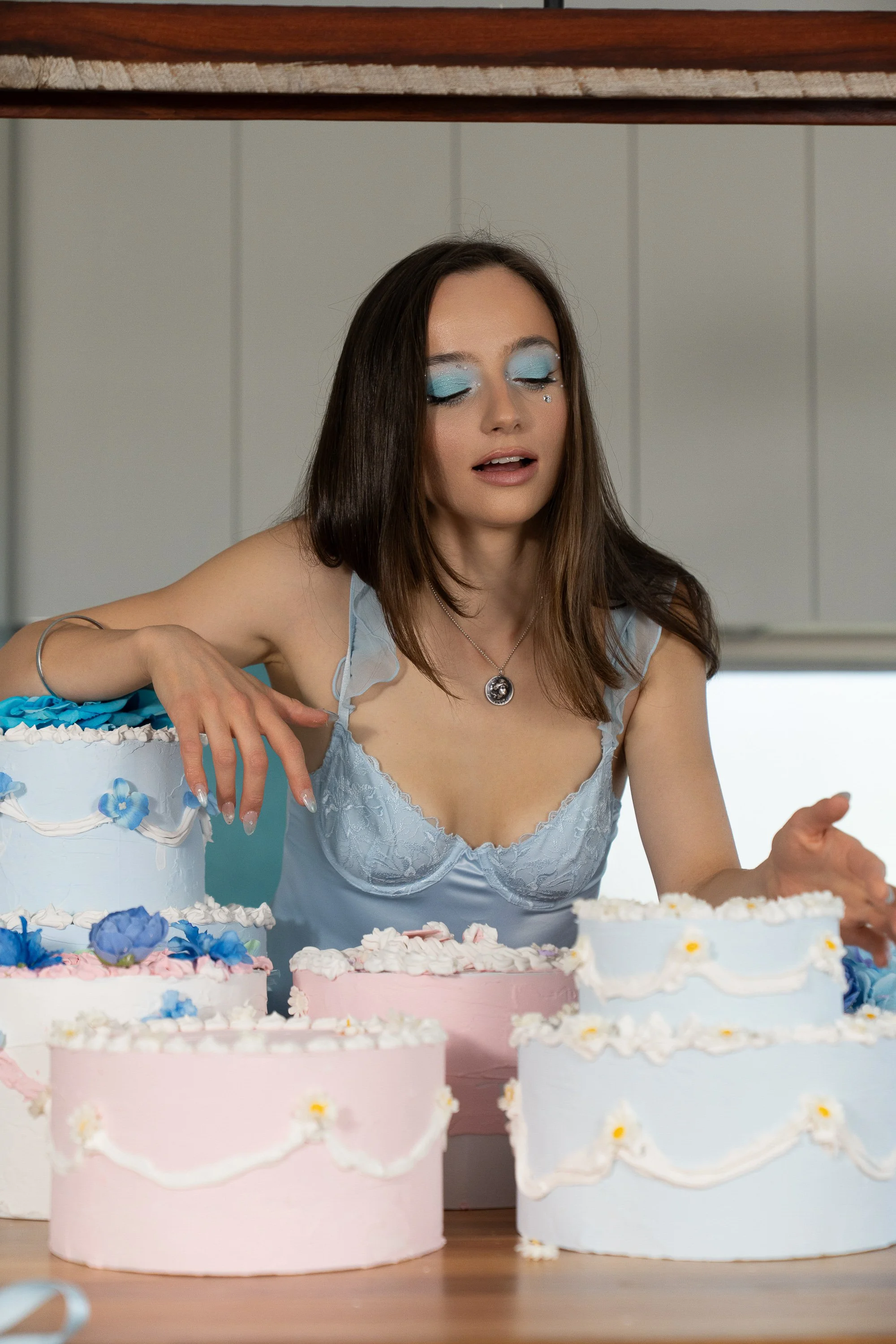
A breakup can look like rain on a window, but sometimes it looks like taking a trash bag to the curb with lipstick still on. Kirrilee’s “Go Away (Garbage Tip)” brings the Australian artist into a cheeky Alt Pop frame, where bad dating memories are not mourned so much as theatrically…
fkblnde’s “Medicine” turns avoidance into motion, giving the Canadian artist a sharp Electro-Pop frame for a relationship surviving on denial, nightlife, and temporary relief. Written, sung, and produced entirely by fkblnde, the single moves with upbeat precision…

M & J’s “Not By My Side” moves through heartbreak with the quiet clarity that often arrives after the damage has stopped echoing. The Australian artist shapes the single as a laidback blend of Alt Pop and Dream Pop, turning the aftermath of a breakup…
Grief sometimes enters like sunlight through a half-closed curtain, beautiful enough to soften the room before revealing what has been lost. Charli Rose’s “in the grief” places the Australian singer-songwriter and pianist inside a laidback Alt Pop frame…
CONNECT WITH US

Wavewear
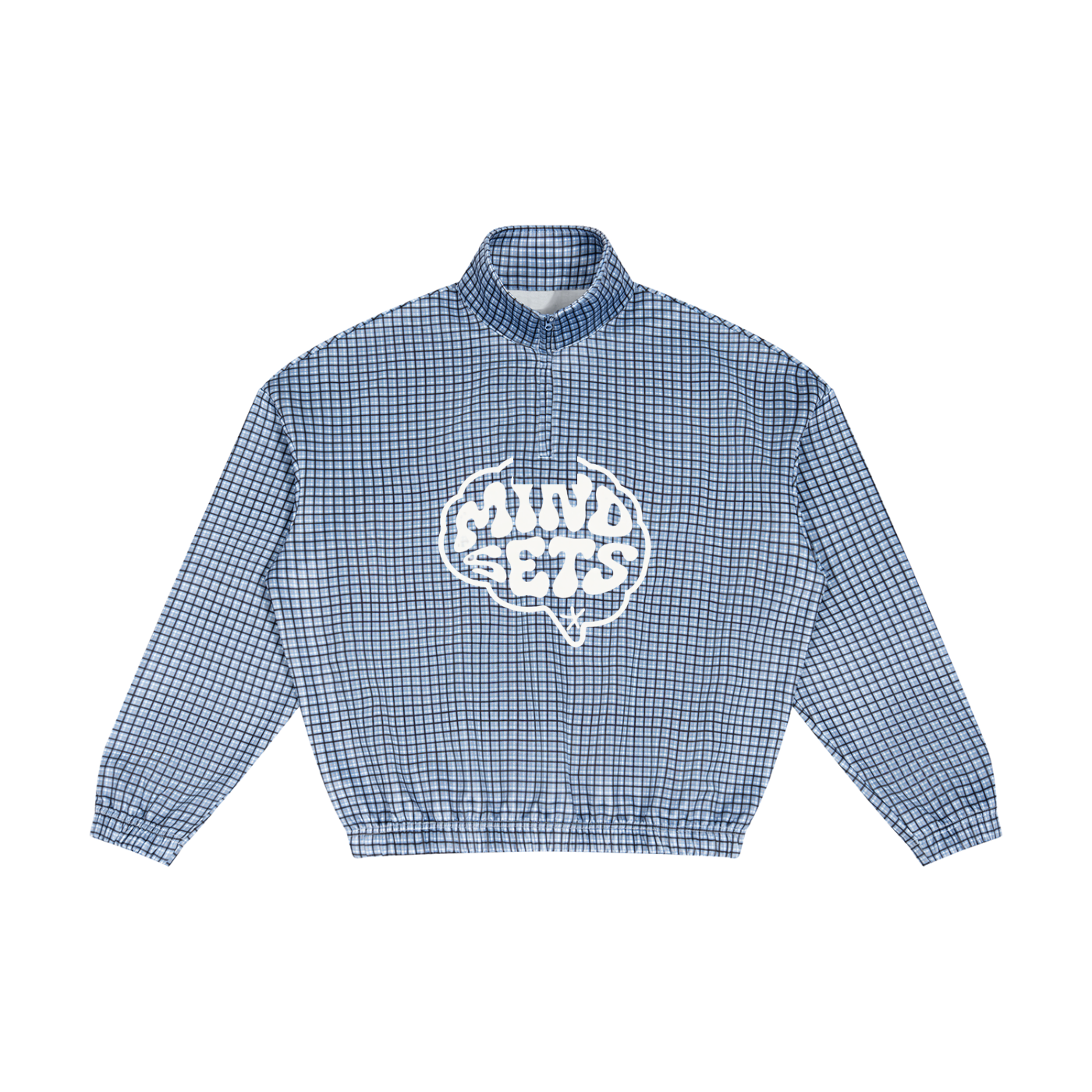
Item Number: UT0221
Gender: Unisex
Fabric: Outer Fabric: 96.8% polyester, 3.2% spandex; Inner Fabric: 61.2% cotton, 38.8% polyester
Fabric Weight: 10.6 oz/yd² (360 g/m²)
Fabric Thickness: Thick
Care Instructions: Machine wash at 30°C (gentle cycle); Do not bleach; Tumble dry low; Iron at low temperature, avoid ironing on print; Do not dry clean
Features: Basics, Casual, Daily Casual, Holiday, Outdoor, Party, Cotton Blend, Spandex, Zipper, Pocket, Long Sleeve, Drop Shoulder, Lapel Collar, Regular, Oversized, Spring, Autumn
Notes: Minor batch differences can occur during blank garment production due to variations in fabric, dye and processing. This is common in apparel manufacturing, and we work hard to keep every item consistent.
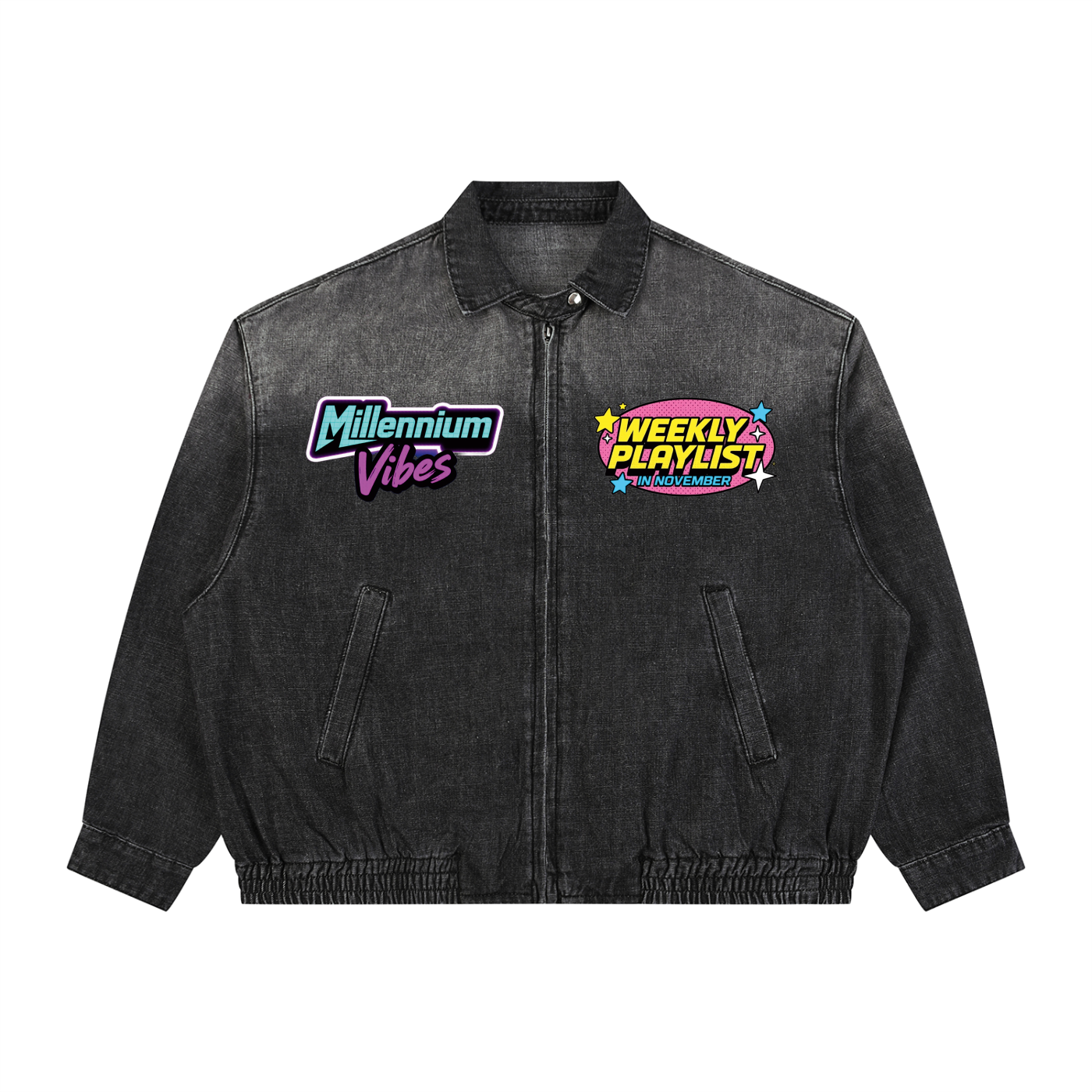
Item Number: UT0101
Gender: Unisex
Fabric: 70% cotton, 30% polyester
Fabric Weight: 9.4 oz/yd² (320 g/m²)
Fabric Thickness: Moderate
Care Instructions: Machine wash at 30°C (gentle cycle); Do not bleach; Tumble dry low; Iron at low temperature, avoid ironing on print; Do not dry clean
Features: Basics, Casual, Preppy, Sporty, Street, Vintage, Daily Casual, Holiday, Party, School, Festival, Office, Cotton Blend, Washed, Zipper, Long Sleeve, Lapel Collar, Regular, Loose, Spring, Autumn
Print Size: 40*52cm
Notes: Minor batch differences can occur during blank garment production due to variations in fabric, dye and processing. This is common in apparel manufacturing, and we work hard to keep every item consistent.
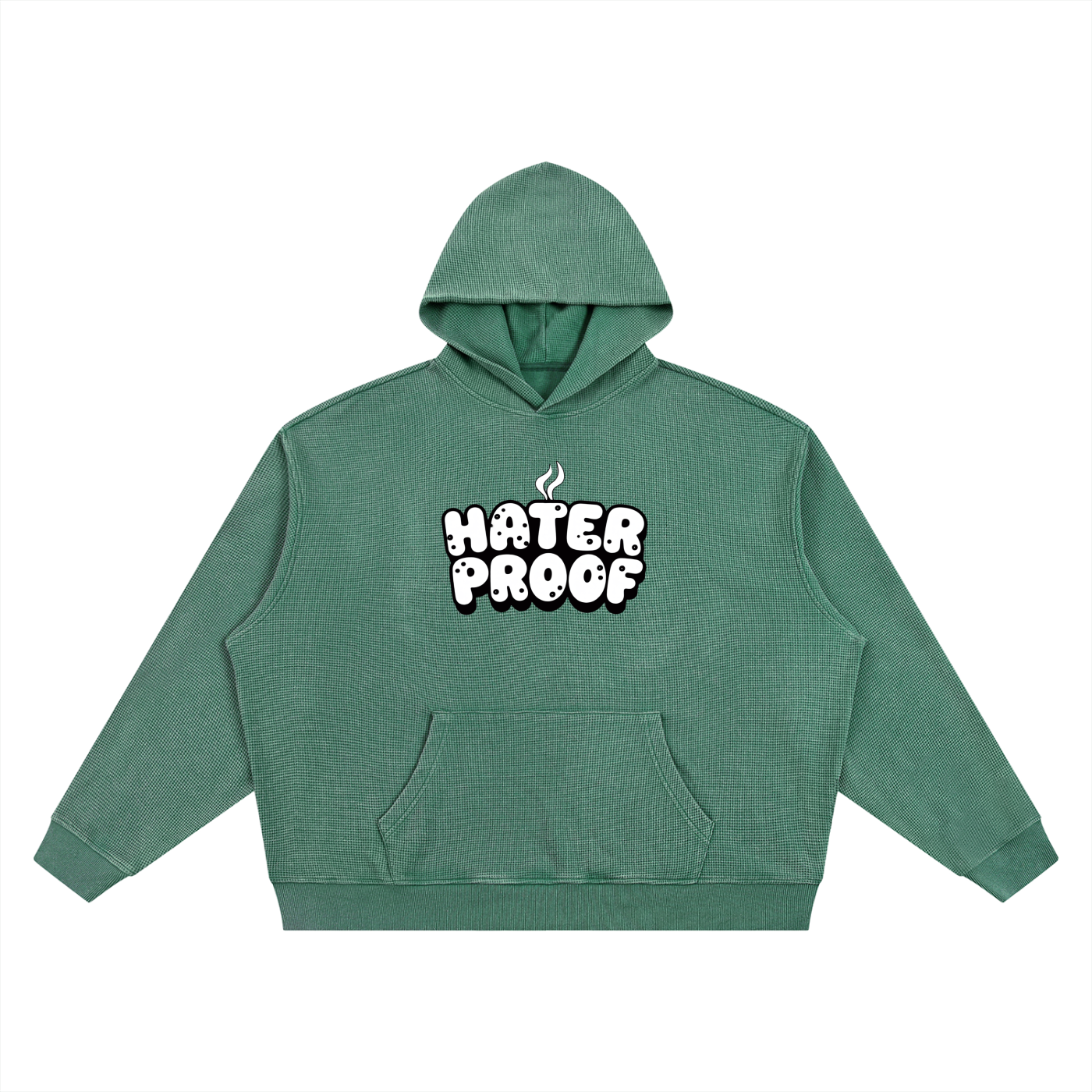
Item Number: UT0227
Gender: Unisex
Fabric: 63% polyester, 33% cotton, 4% spandex
Fabric Weight: 11.2 oz/yd² (380 g/m²)
Fabric Thickness: Thick
Care Instructions: Machine wash at 30°C (gentle cycle); Do not bleach; Tumble dry low; Iron at low temperature, avoid ironing on print; Do not dry clean
Features: Basics, Casual, Preppy, Street, Daily Casual, Holiday, Outdoor, School, Festival, Office, Cotton Blend, Washed, Long Sleeve, Drop Shoulder, Hooded, Regular, Oversized, Spring, Autumn
Notes: Minor batch differences can occur during blank garment production due to variations in fabric, dye and processing. This is common in apparel manufacturing, and we work hard to keep every item consistent.
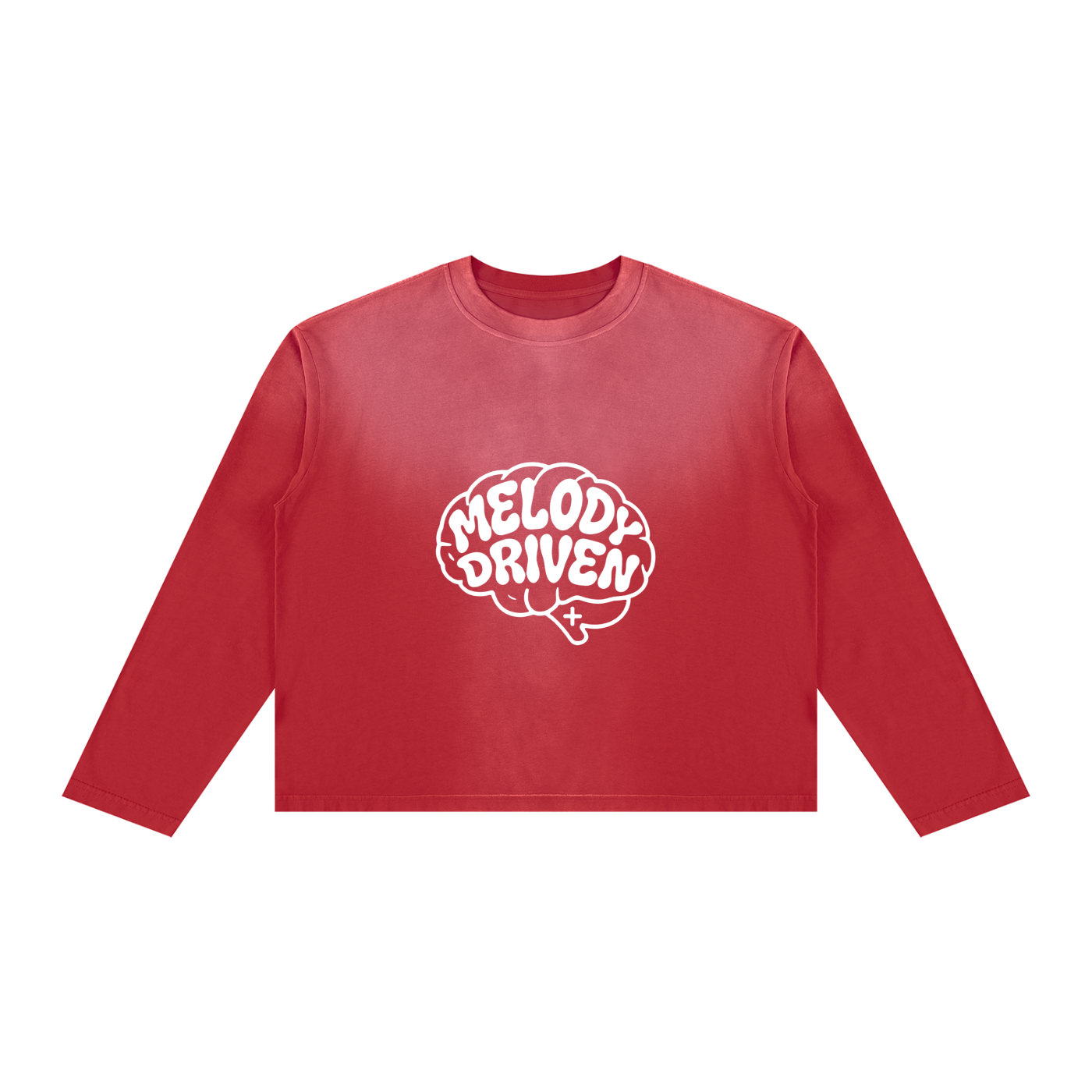
Item Number: UT0275
Gender: Unisex
Fabric: 100% cotton
Fabric Weight: 6.8 oz/yd² (230 g/m²)
Fabric Thickness: Moderate
Care Instructions: Machine wash at 30°C (gentle cycle); Do not bleach; Tumble dry low; Iron at low temperature, avoid ironing on print; Do not dry clean
Features: Basics, Casual, Preppy, Sporty, Street, Daily Casual, Holiday, Outdoor, School, Sport, Pure Cotton, Snow Wash, Long Sleeve, Regular Sleeve, Round Neck / O-Neck, Regular, Loose, Spring, Autumn
Print Size: 40*52cm
Notes: Each piece is handcrafted, ensuring its uniqueness. Minor variations from website images are natural and highlight its artisanal quality.
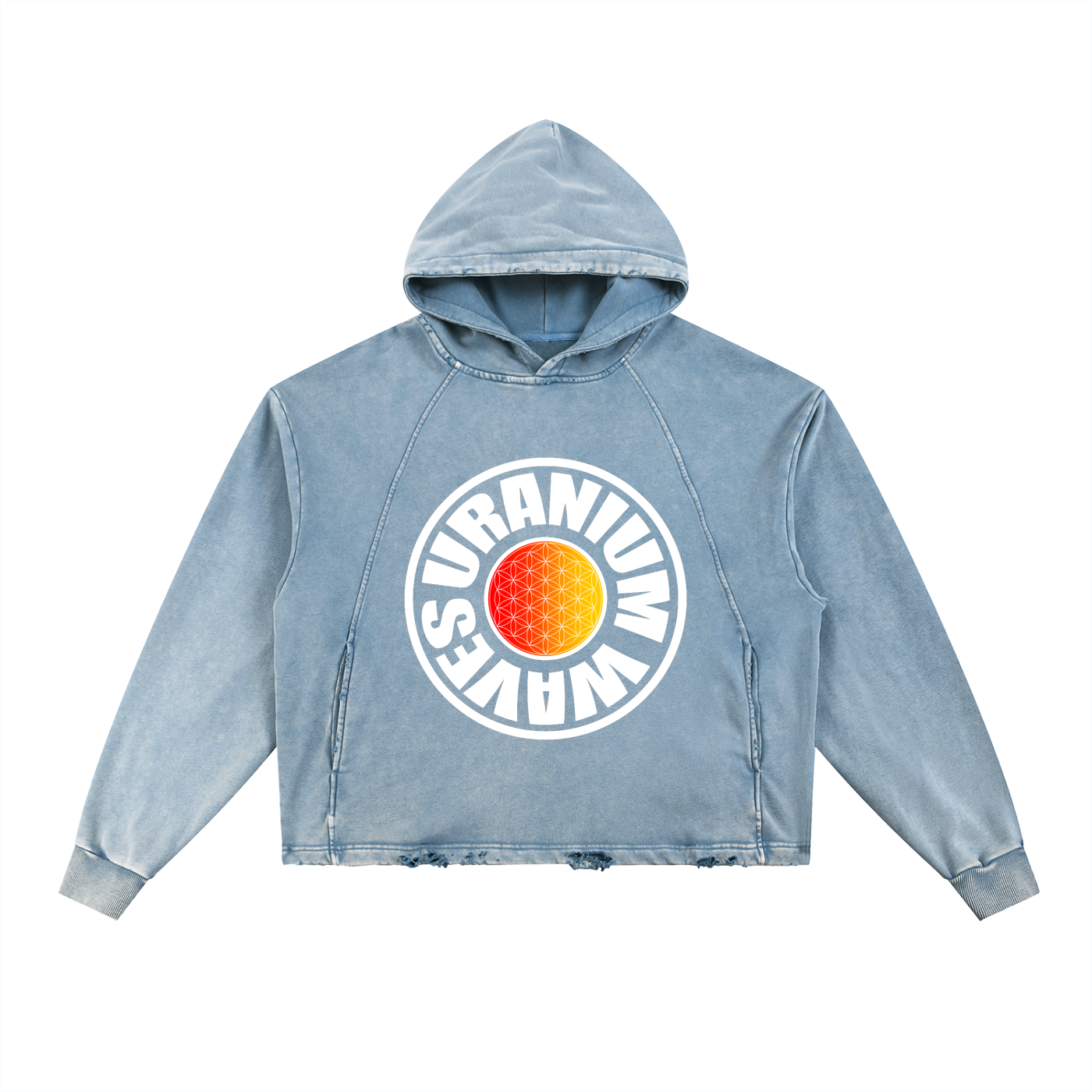
Perfect to Aura Farm. You can’t go wrong with this one. Not only it’s super comfortable but it makes people around you look up to you and glaze to the max.
Gender: Unisex
Model: Loose
Fabric: 88.5% cotton, 11.5% polyester
Fabric Weight: 10.0 oz/yd² (340 g/m²)
Fabric Thickness: Thick
Care Instructions: Machine wash at 30°C (gentle cycle); Do not bleach; Tumble dry low; Iron at low temperature, avoid ironing on print; Do not dry clean
Features: Basics, Casual, Vintage, Sporty, Street, Daily Casual, Sport, Washed, Long Sleeve, Regular Sleeve, Regular, Loose, Autumn, Winter
Print Size: 40*52cm
Notes: Minor batch differences can occur during blank garment production due to variations in fabric, dye and processing. This is common in apparel manufacturing, and we work hard to keep every item consistent.
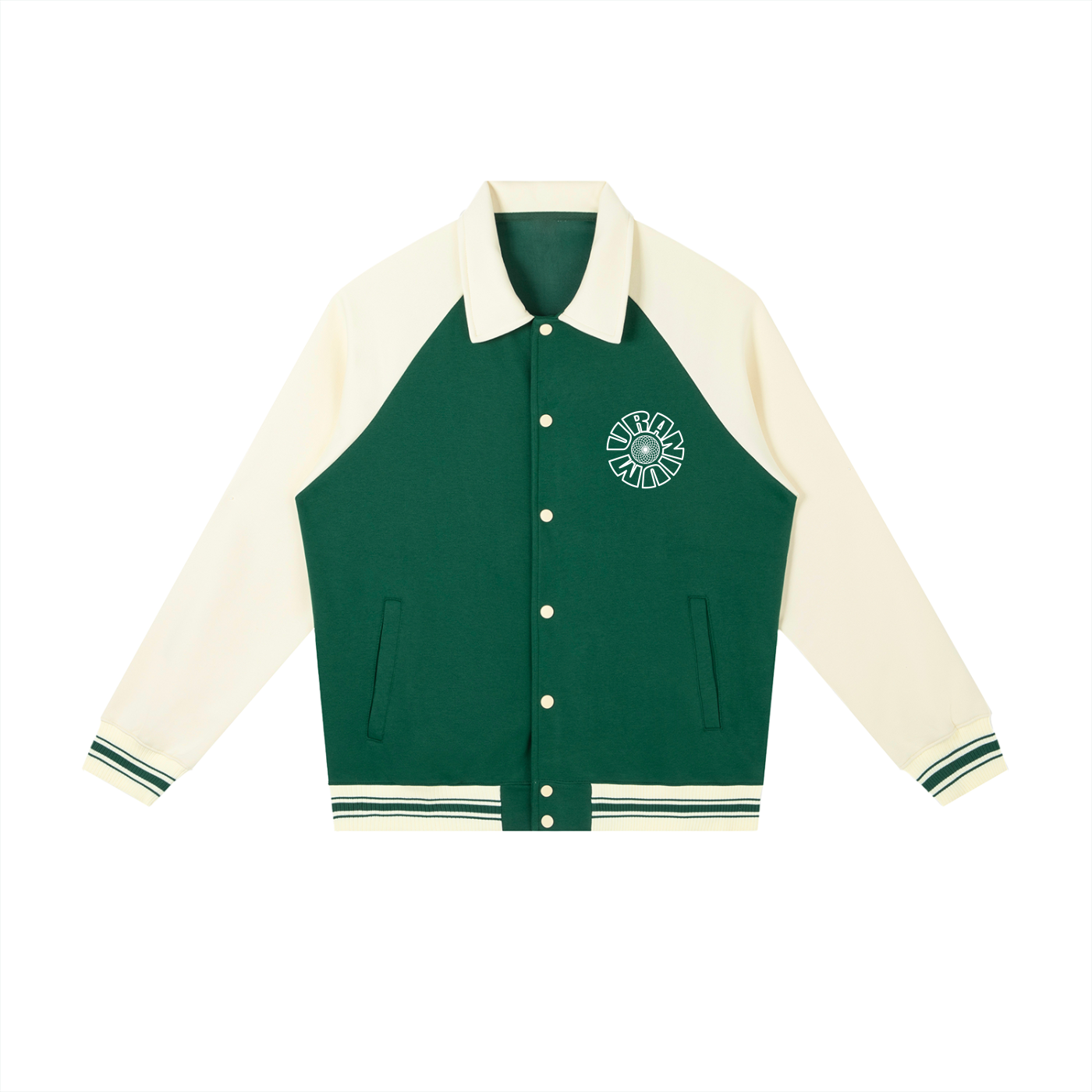
Item Number: RQ0029
Gender: Unisex
Fabric: Main Fabric: 61.9% cotton, 38.1% polyester; Contrast Fabric: 100% polyester
Fabric Weight: 11.2 oz/yd² (380 g/m²)
Fabric Thickness: Thick
Care Instructions: Machine wash at 30°C (gentle cycle); Do not bleach; Tumble dry low; Iron at low temperature, avoid ironing on print; Do not dry clean
Features: Basics, Casual, Preppy, Sporty, Daily Casual, Outdoor, School, Sport, Cotton Blend, Patchwork, Button, Long Sleeve, Raglan Sleeve, Lapel Collar, Regular, Loose, Winter
Print Size: 40*52cm
Notes: Minor batch differences can occur during blank garment production due to variations in fabric, dye and processing. This is common in apparel manufacturing, and we work hard to keep every item consistent.
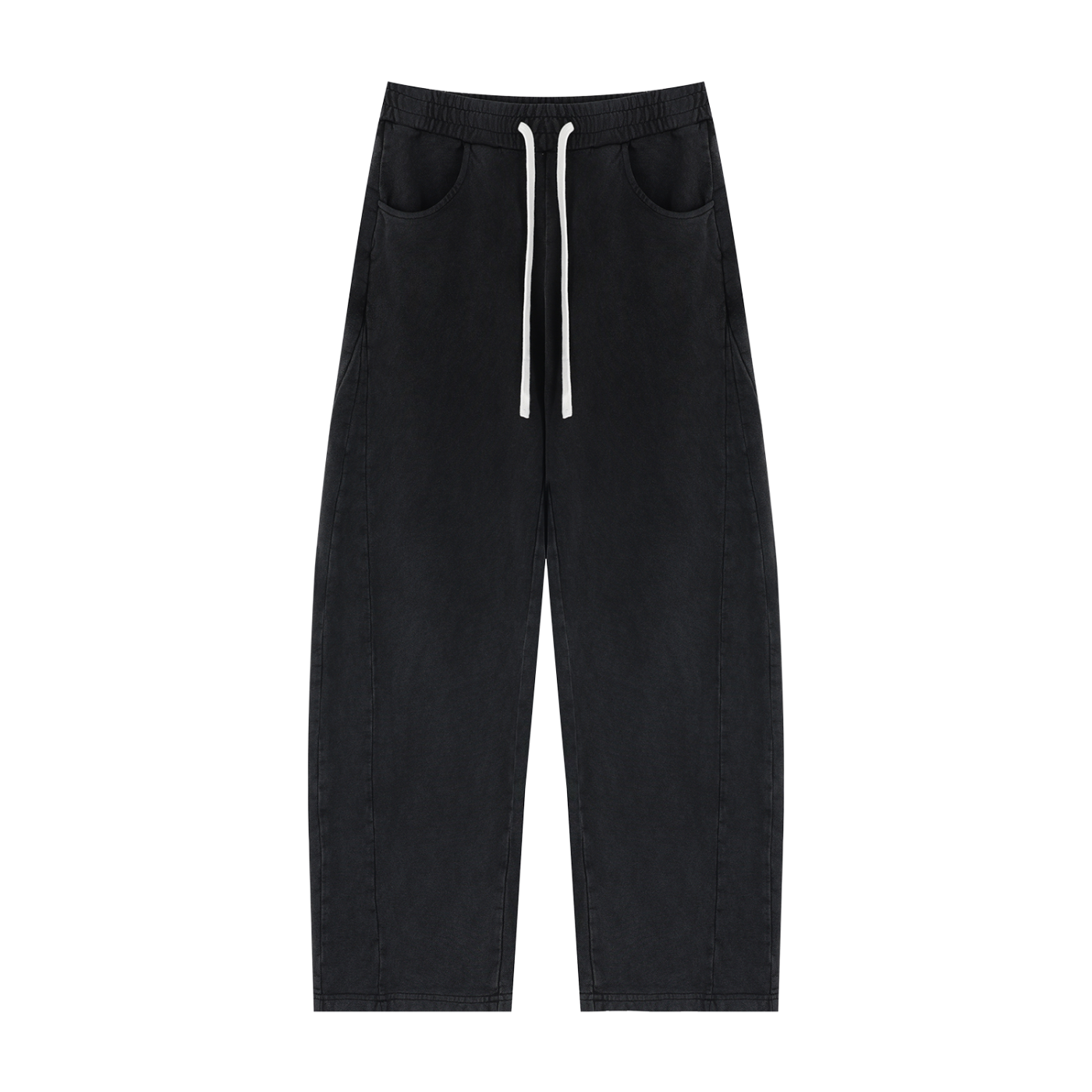
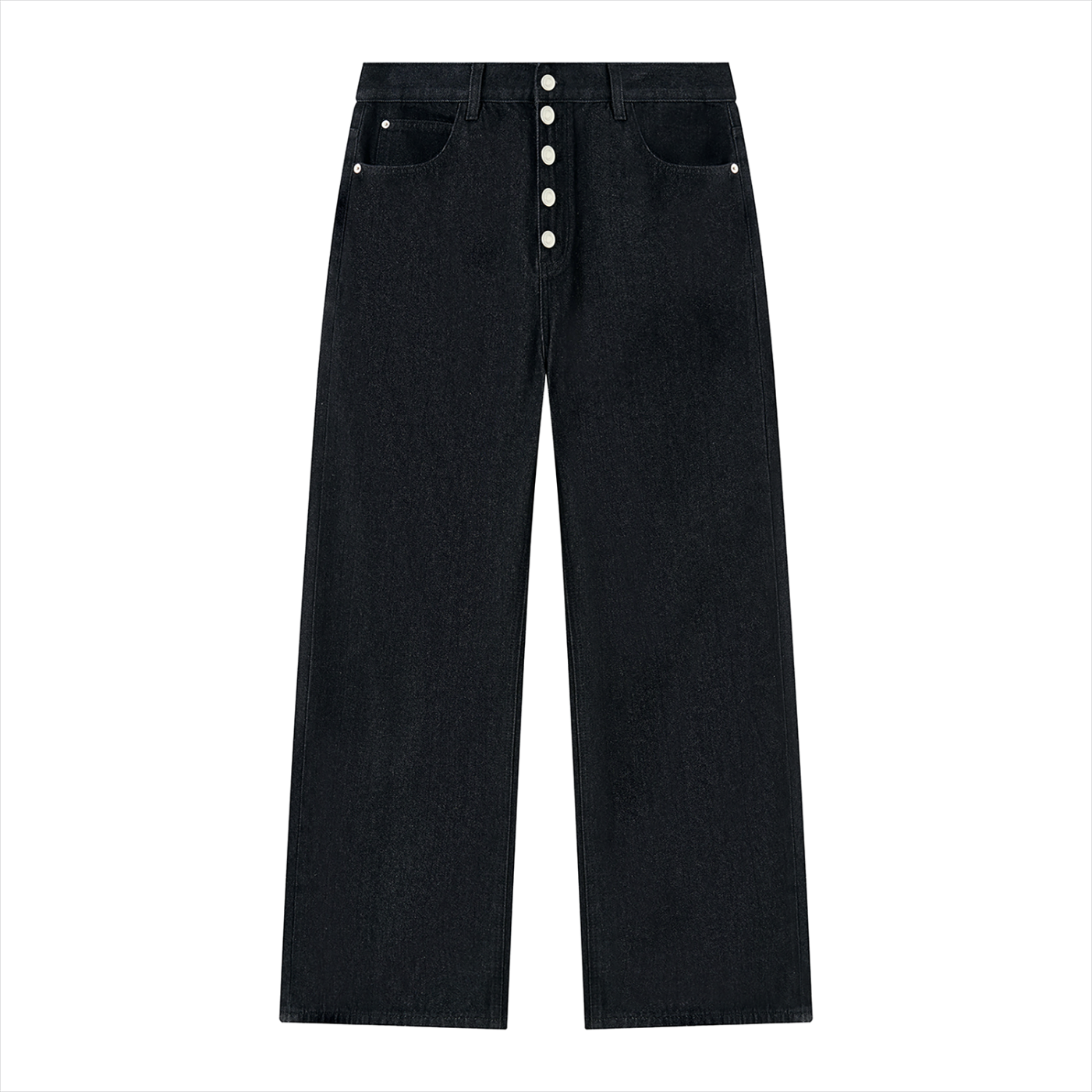
Item Number: UB0055
Gender: Unisex
Fabric: 100% cotton
Fabric Weight: 12.4 oz/yd² (420 g/m²)
Fabric Thickness: Moderate
Care Instructions: Machine wash at 30°C (gentle cycle); Do not bleach; Tumble dry low; Iron at low temperature, avoid ironing on print; Do not dry clean
Features: Basics, Casual, Preppy, Sporty, Street, Daily Casual, Holiday, Outdoor, Sport, Office, Pure Cotton, Drawstring, Snow Wash, Long, Regular, Mid Waist, Spring, Summer, Autumn
Print Size: 40*52cm
Notes: Minor batch differences can occur during blank garment production due to variations in fabric, dye and processing. This is common in apparel manufacturing, and we work hard to keep every item consistent.

Uranium Waves offers affordable marketing consultations for independent artists who need clearer release strategies, better branding, stronger content ideas, and smarter promotion. Whether you are preparing a single, EP, album, or artist rebrand, we help you build a practical plan around your goals, budget, and audience.

With over 10 years of experience, our engineers, and producers possess the skills, qualifications, and industry knowledge to turn your musical vision into a sublime masterpiece. Check our samples below.
NB: We are so confident in our work that we even offer Full refund in case you’re not satisfied.
Stream URAPLAYLIST
MORE VIDEOS
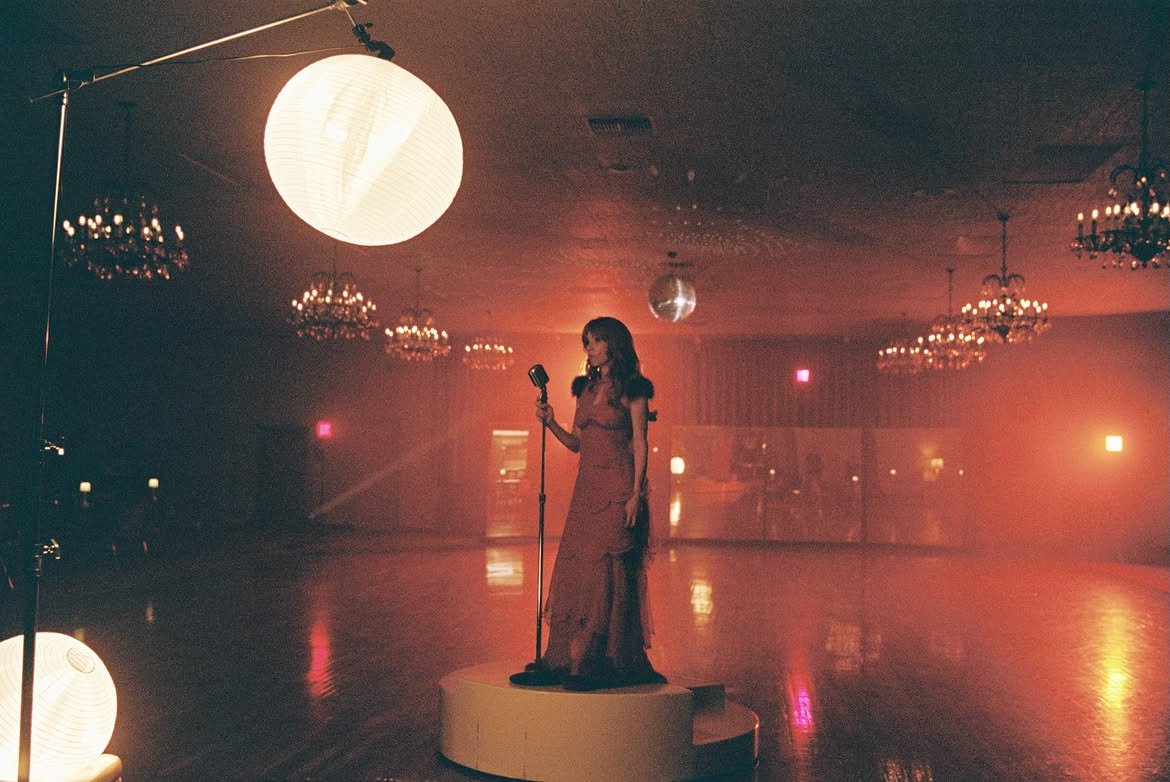
Carly Rae Jepsen has spent years turning the dance floor into an emotional setting rather than simply a physical one. On her new single, “Don’t Leave Me on the Dance Floor,” that familiar territory becomes something stranger: a place where romance, embarrassment and loneliness refuse to disappear when the music starts…
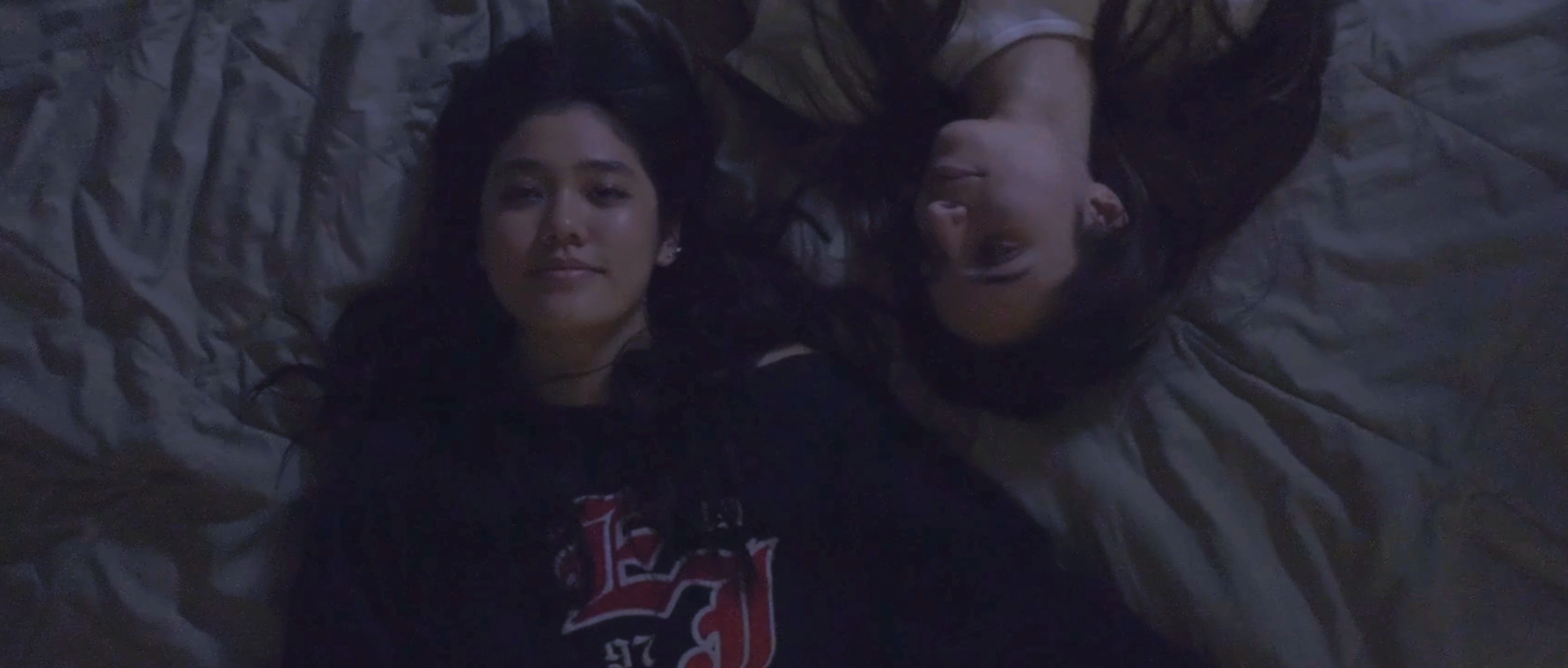
TEHYA’s “It’s You” gains a deeper emotional weight through a music video that understands the power of restraint. The Canadian artist’s 2026 breakout track was already a melancholic and affecting piece of alternative pop, but the self-shot, self-directed, and self-edited visual gives its story a sharper human dimension. Centered…
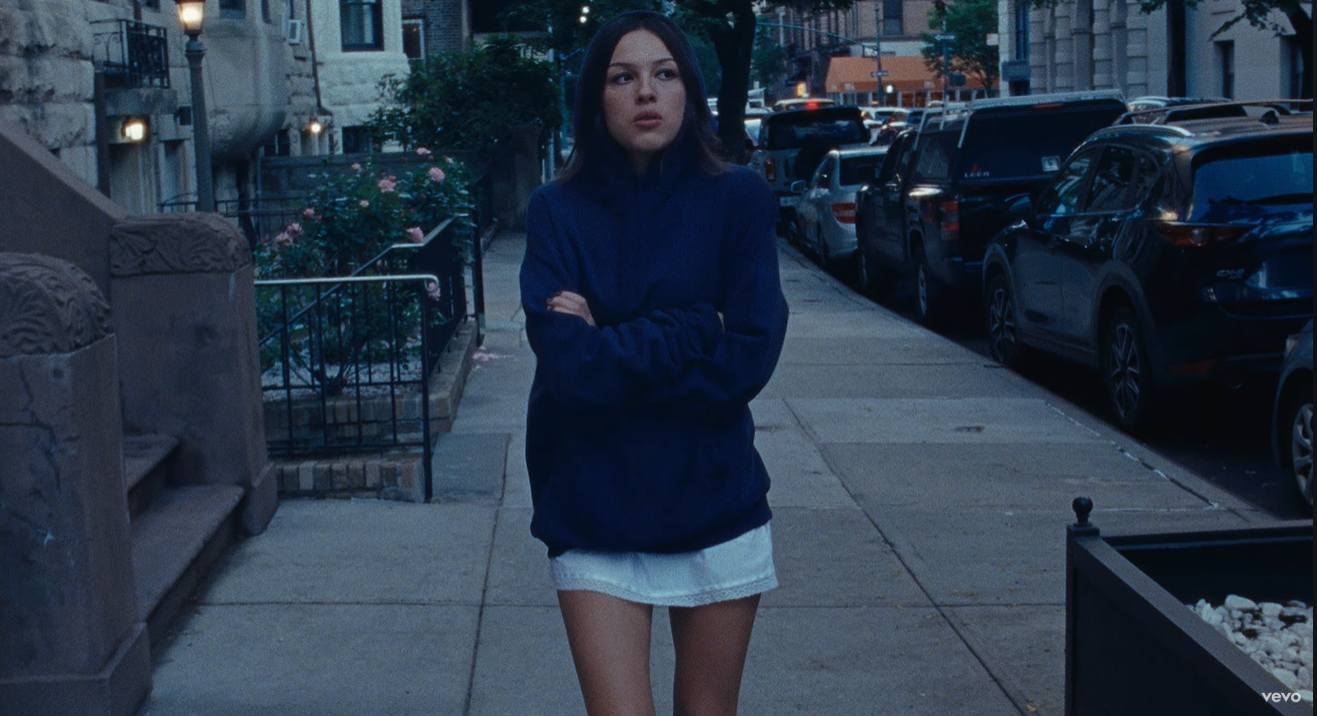
Olivia Rodrigo has released the music video for “Stupid Song,” turning one of the early highlights from her third album, you seem pretty sad for a girl so in love, into a New York-set visual full of romantic disorientation, theatrical movement, and quietly absurd heartbreak. The clip follows Rodrigo through the city…
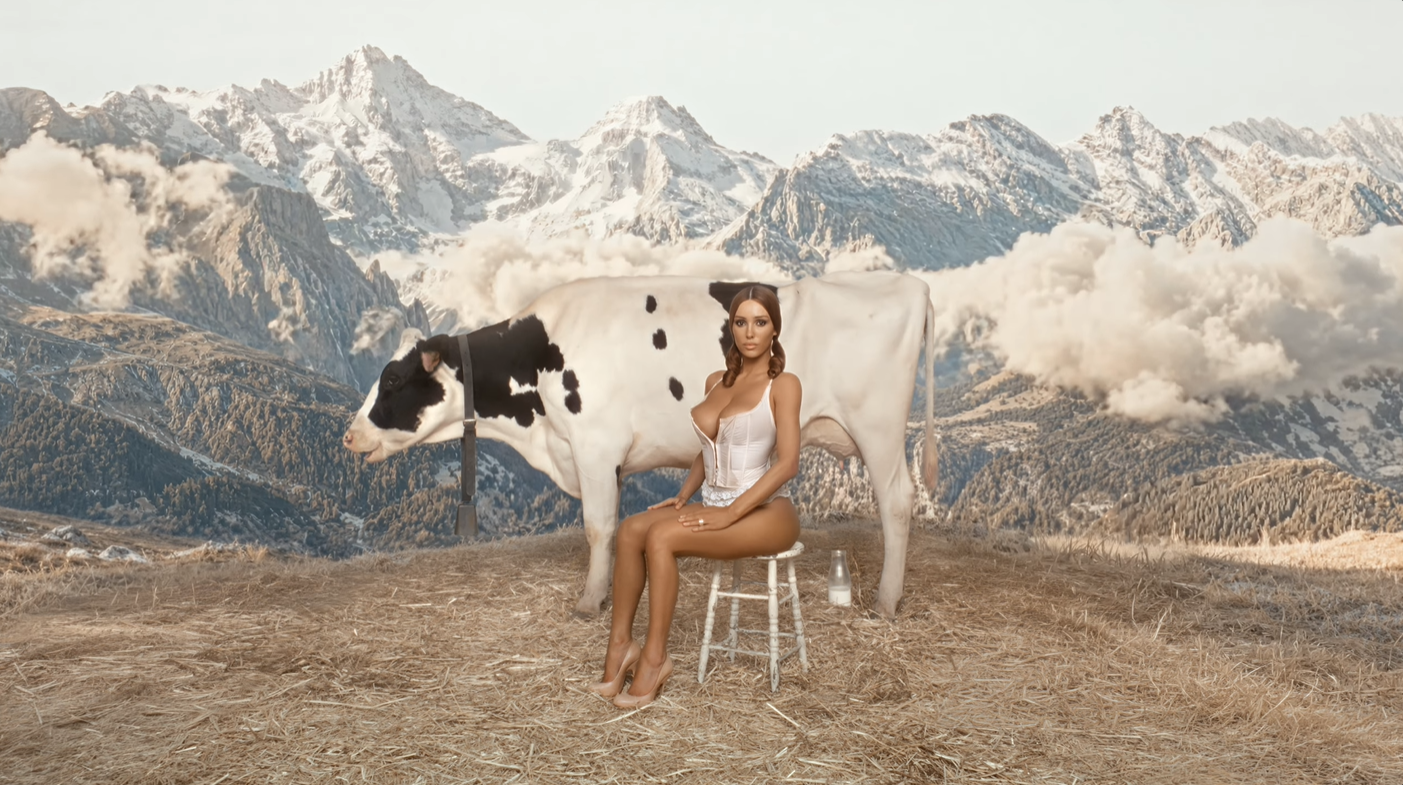
Ye turned his birthday into another release-cycle moment. The artist formerly known as Kanye West marked his 49th birthday on June 8, 2026, by releasing a new video for “Gemini Season,” a track tied to the ongoing rollout around his Bully era. According to a report from…
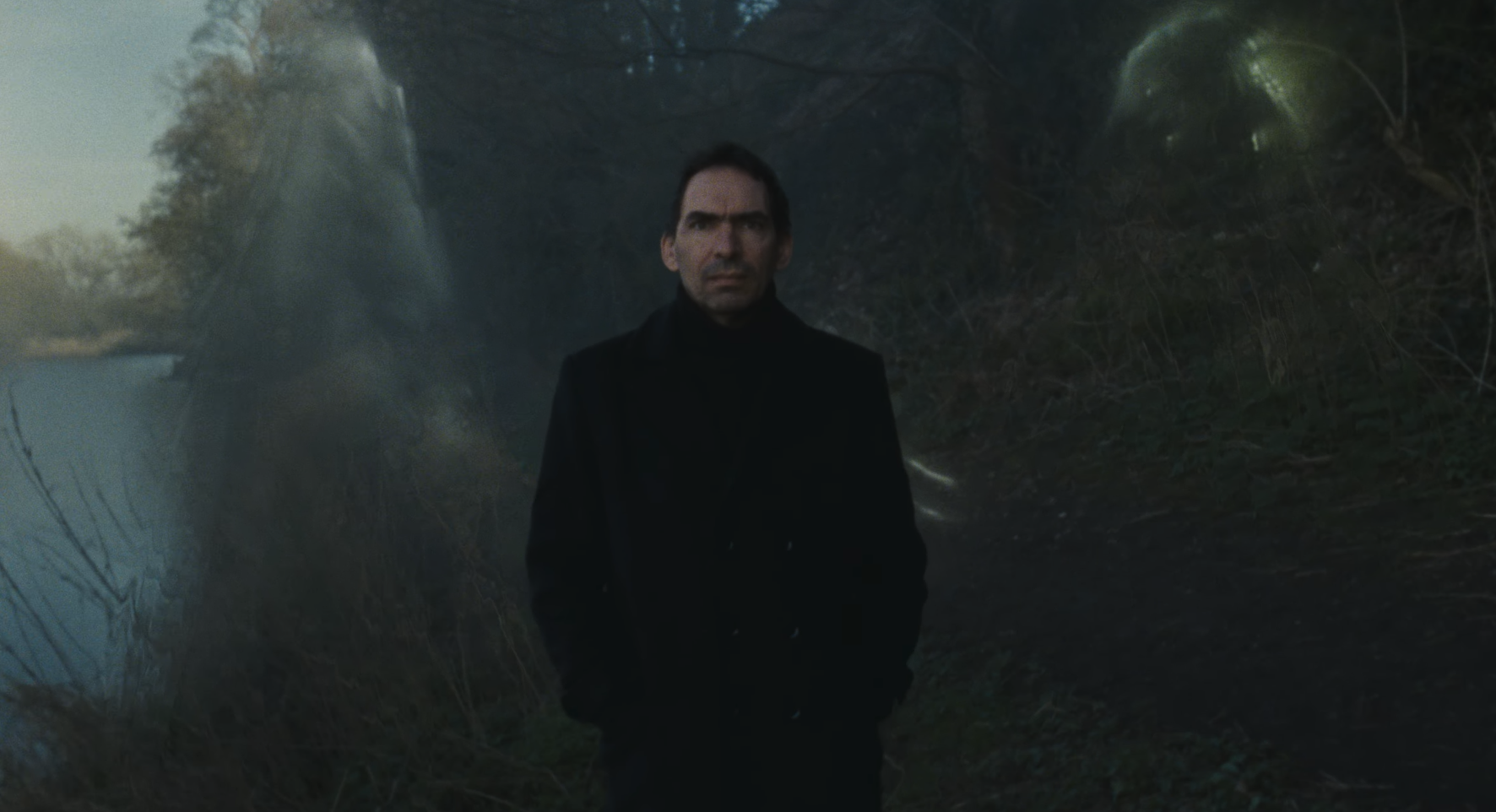
A chapel can make grief look ceremonial, and little image understand that visual language well in “The Reaper.” The Texas trio frame the song as a calm but quietly devastating piece of alternative pop with adult-contemporary restraint, then let the video deepen its meaning through imagery that feels both spiritual…

Kanye West knows how to make a music video feel larger than the song itself. His new visual for “Father” has quickly become a magnet for debate, thanks to its dark imagery, surreal atmosphere, and one especially provocative detail: the appearance of a Michael…
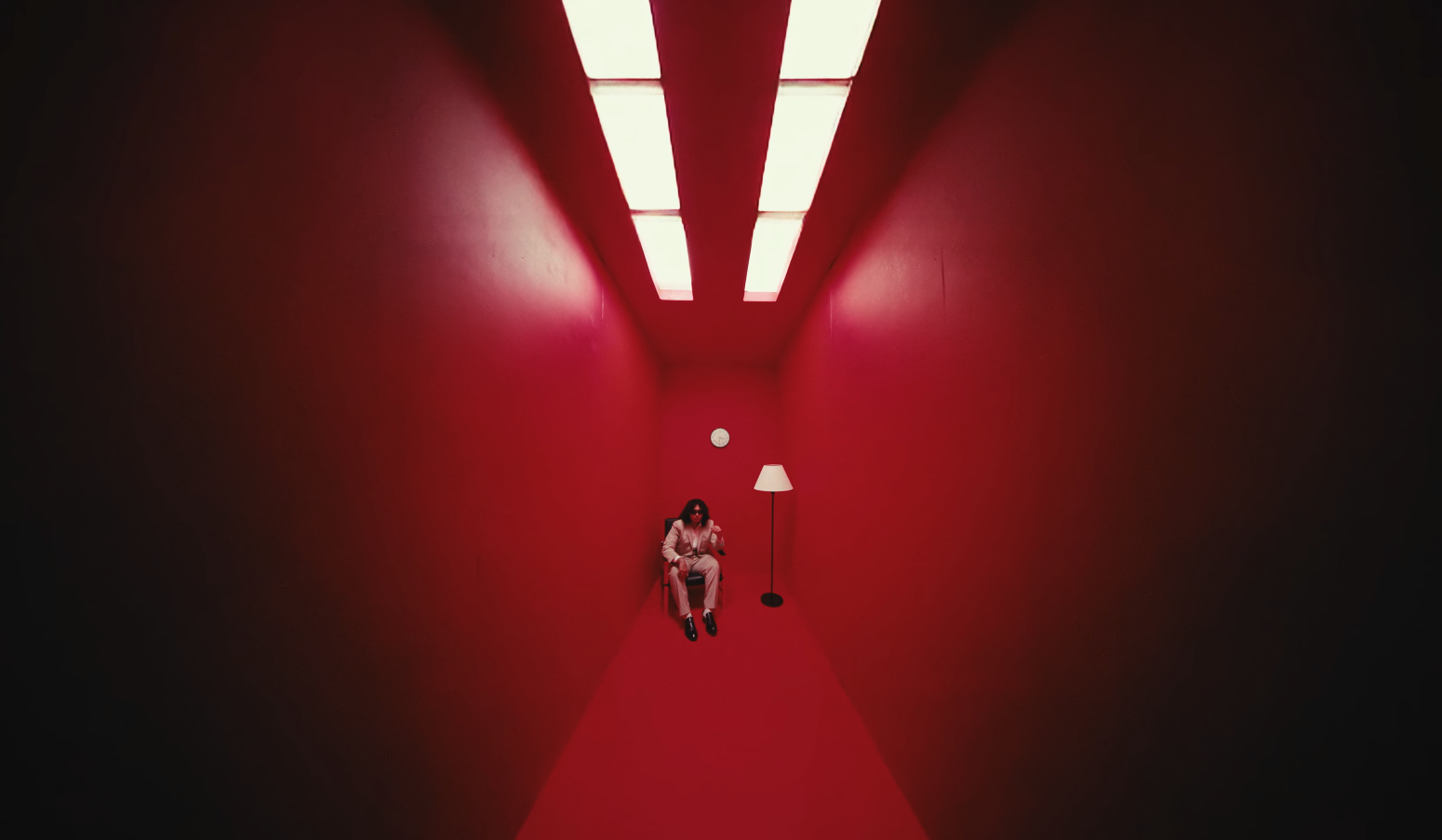
Canadian R&B artist RealestK makes the visual atmosphere of “TOW” just as important as the song itself, using a minimal setup to create something moody, sensual, and quietly striking. The video leans into restraint, placing him in a red-lit room dressed in white…
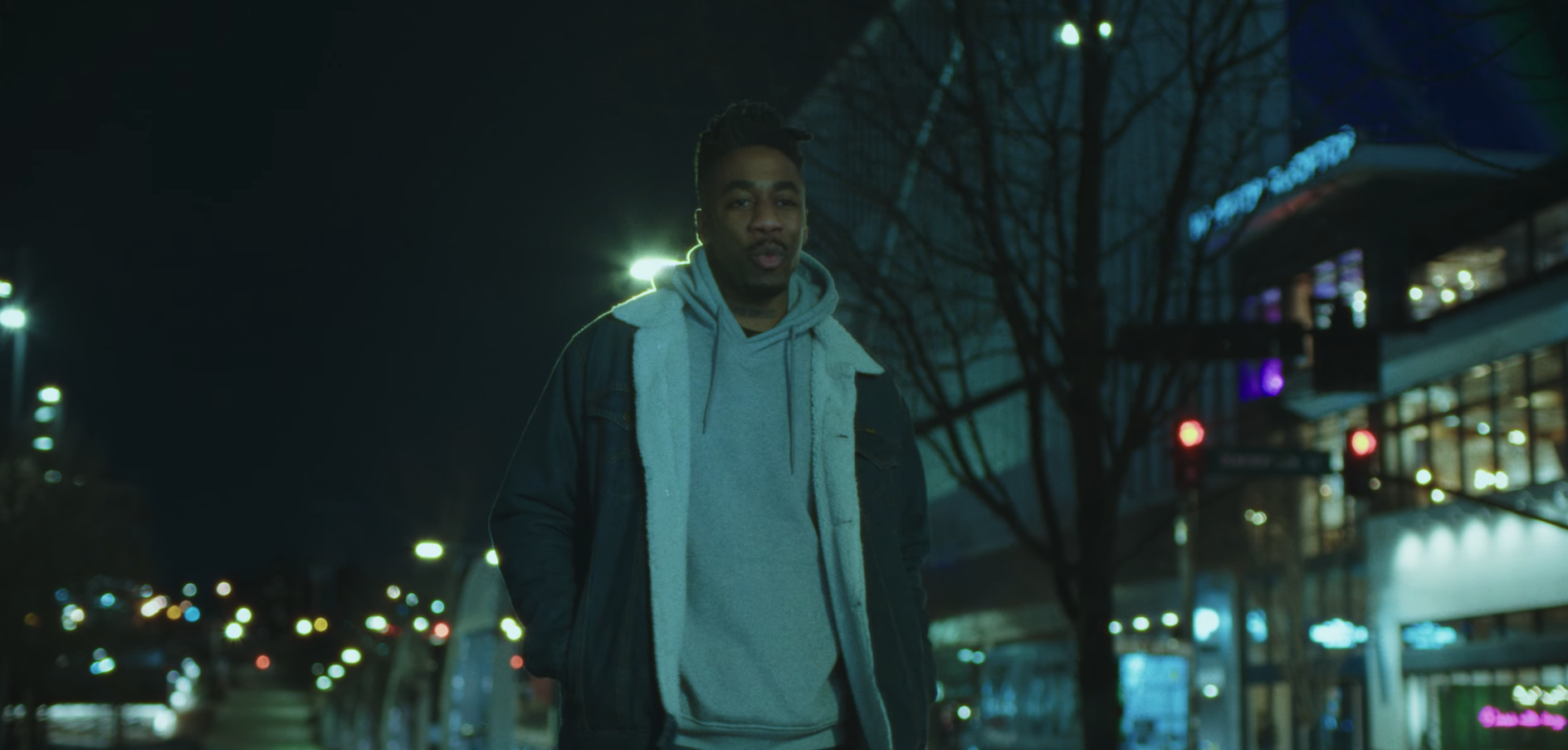
DAX puts the visual narrative at the center of his newest single “God, can you hear me?”, and that choice gives the song an added sense of urgency. Rather than relying only on the piano-led production and his mix of rap and melodic delivery, the video expands the record into something more cinematic and immediate….

American singer-songwriter Elli Perry releases “If You Don’t Know by Now,” the third single and music-video herald for her forthcoming LP, GHOST TALKER. Framed by director Drew Cullen Miller and steadied by Grammy-nominated producer Andrew Sovine, the film doesn’t just…

Roads confess what mirrors won’t; in “Man I Used To Be,” Dax turns pavement into penance. The video opens on a bed-stage where a bottle glints like a shabby crown, the present self slumped in quiet ruin, while a second Dax lingers by the stairwell—guardian, judge…
Pressure changes the way a room sounds. Doors feel heavier, silence gets suspicious, and ordinary objects start carrying menace. Italian rapper Ari Selva and Swiss producer Vaynex understand that psychology on Camera Di Pressione, an eight-track collaboration built from dense writing…