
Ed Sheeran Leaves Warner Music After 15 Years: A Major Pop Star’s Independent Era Begins

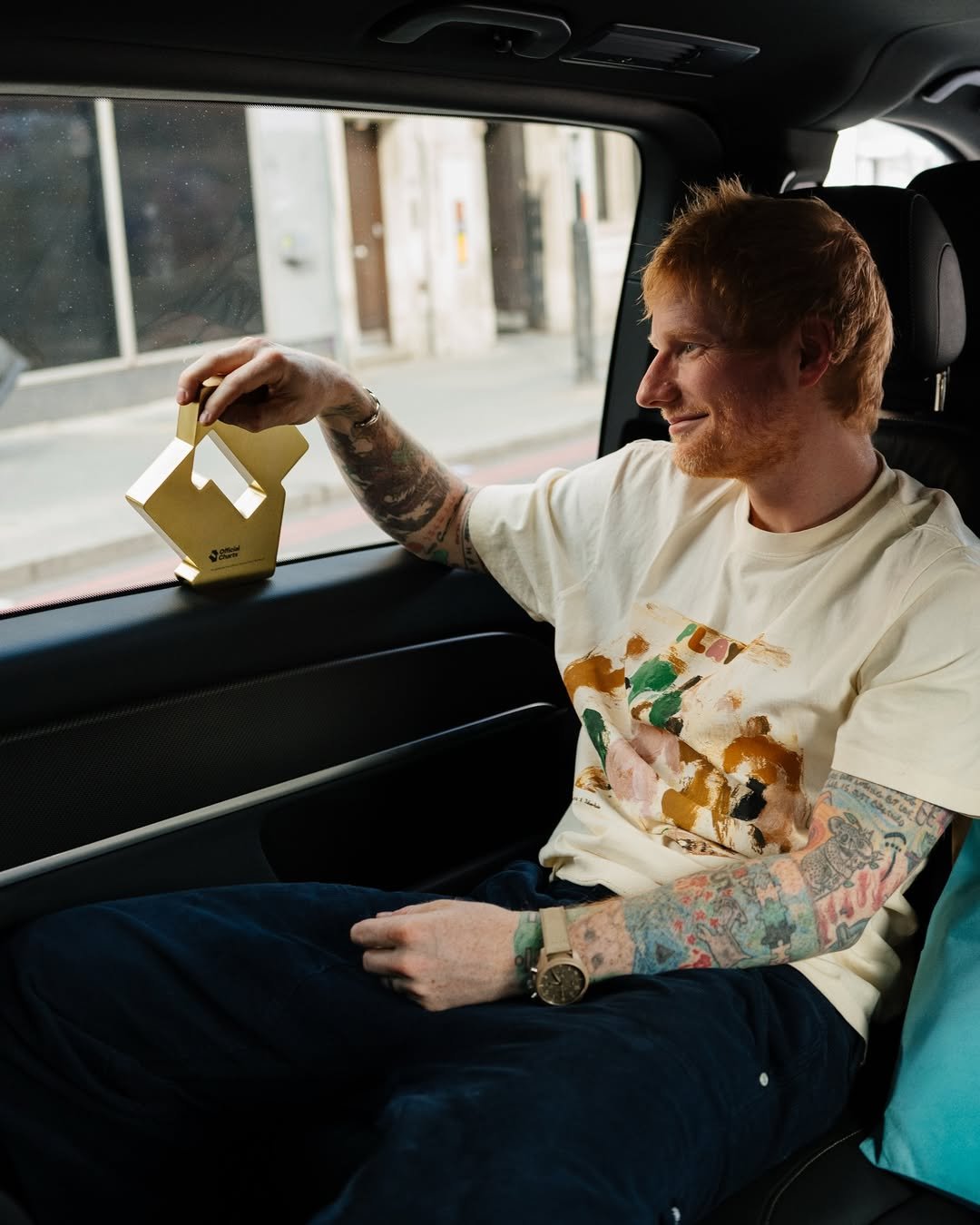
Ed Sheeran has officially parted ways with Warner Music after a 15-year relationship that helped transform him from a guitar-carrying British songwriter into one of the most commercially dominant pop artists of the streaming era. The news, confirmed through a message to fans, marks the end of a long chapter with Warner Music Group, including his time under Atlantic Records and Asylum Records. Reports note that Sheeran released eight full-length albums during that run, making this split less like a minor industry shuffle and more like a symbolic career rebirth.
For many fans, the headline may sound dramatic: “Ed Sheeran leaves Warner Music after 15 years.” But the tone surrounding the move appears far from hostile. Sheeran described the journey as an incredible one and framed the decision around personal and professional change rather than conflict. According to reports, he suggested that his life has changed significantly since he first entered the Warner system as a young artist, and that he now wants a different way of working.
That detail matters. This is not the familiar story of an artist escaping a label after bitterness, litigation, or public creative frustration. Instead, Sheeran’s departure feels more like a strategic recalibration. He is no longer the teenage hopeful trying to break into the industry. He is a globally established artist, a father, a touring heavyweight, and a songwriter with the kind of catalogue power most labels dream of owning or distributing. At this stage, independence does not mean starting over from zero. It means deciding how much machinery he still needs around him.
Sheeran’s Warner era was enormous. During those 15 years, he became one of the most recognizable voices in contemporary pop, built a rare cross-generational fanbase, and turned acoustic-rooted songwriting into stadium-scale currency. His biggest hits blurred the line between singer-songwriter intimacy and algorithmic pop efficiency, allowing him to live simultaneously in wedding playlists, radio rotations, festival fields, and streaming charts. Whether one loves or resists his music, his commercial footprint is undeniable.

His exit also arrives at a fascinating moment for the broader music business. Major labels still matter, especially when it comes to global radio relationships, playlist strategy, sync opportunities, marketing budgets, and international infrastructure. However, the old equation — sign to a major label or disappear — no longer feels absolute. Artists with massive direct audiences can now treat labels as partners, not lifelines. Sheeran is precisely the kind of artist who can test that new reality because his name alone already functions like a distribution engine.
In other words, Ed Sheeran leaving Warner Music is not just celebrity news. It is a useful industry case study. For emerging artists, independence often means difficult choices, limited budgets, and a constant fight for visibility. For superstar artists, independence can mean ownership, flexibility, speed, and greater control over creative strategy. The same word — “independent” — can describe two very different levels of power.
Sheeran’s next move will therefore be closely watched. He already has his own imprint, Gingerbread Man Records, which has been part of his professional ecosystem for years. While reports have focused mainly on his Warner departure, the bigger question is what structure he chooses next: a fully independent release model, a distribution partnership, a licensing arrangement, or a more boutique-style alliance that gives him control without completely removing global support. Whatever route he takes, the decision could reveal how major pop artists may operate in the next decade.
There is also a creative implication. Sheeran’s catalogue has always moved between polished pop, folk sincerity, rap-adjacent phrasing, sentimental balladry, and collaboration-heavy commercial writing. Without the same label framework, fans may wonder whether he will become more experimental or simply more self-directed. A label departure does not automatically guarantee a radical sonic transformation, but it can change the psychology of an artist’s process. When fewer institutional expectations are involved, the room can become quieter, stranger, and more instinctive.
Still, it would be naïve to paint this as an anti-major-label manifesto. Warner Music played a crucial role in Sheeran’s rise, and Sheeran himself has expressed gratitude for that period. The relationship produced extraordinary results for both sides. What has changed is not necessarily his appreciation for the machine, but his need to remain inside it in the same way.
That is what makes the split so intriguing. Ed Sheeran is not leaving Warner Music as an unproven artist seeking freedom. He is leaving as a fully formed global brand with enough audience gravity to make the industry adjust around him. His departure reflects a larger truth about the modern music economy: once an artist becomes powerful enough, the label relationship can shift from essential shelter to optional architecture.
Ultimately, Ed Sheeran’s Warner Music exit feels less like an ending than a hinge moment. After 15 years, eight albums, and a career most artists would consider mythological, Sheeran appears ready to design a professional life that fits the person he is now rather than the artist he was when the journey began. The next chapter may not be louder, shinier, or more dramatic. It may simply be freer — and in today’s music industry, that kind of freedom is its own headline.
Enjoyed the read? Consider showing your support by leaving a tip for the writer
Featured









Follow Us
















Laeky’s “caller waiting” is built from emotional exposure, but its production refuses to collapse into fragility. The Australian artist threads syncopated acoustic guitar riffs through understated indie-pop drums, subtle bass, and soft synth textures, creating a frame that feels both restless and suspended. Her sultry, yearning vocal…