
American Hip-Hop Artist Buu E. Radley Returns to Old-School Rap on Millennial Fever
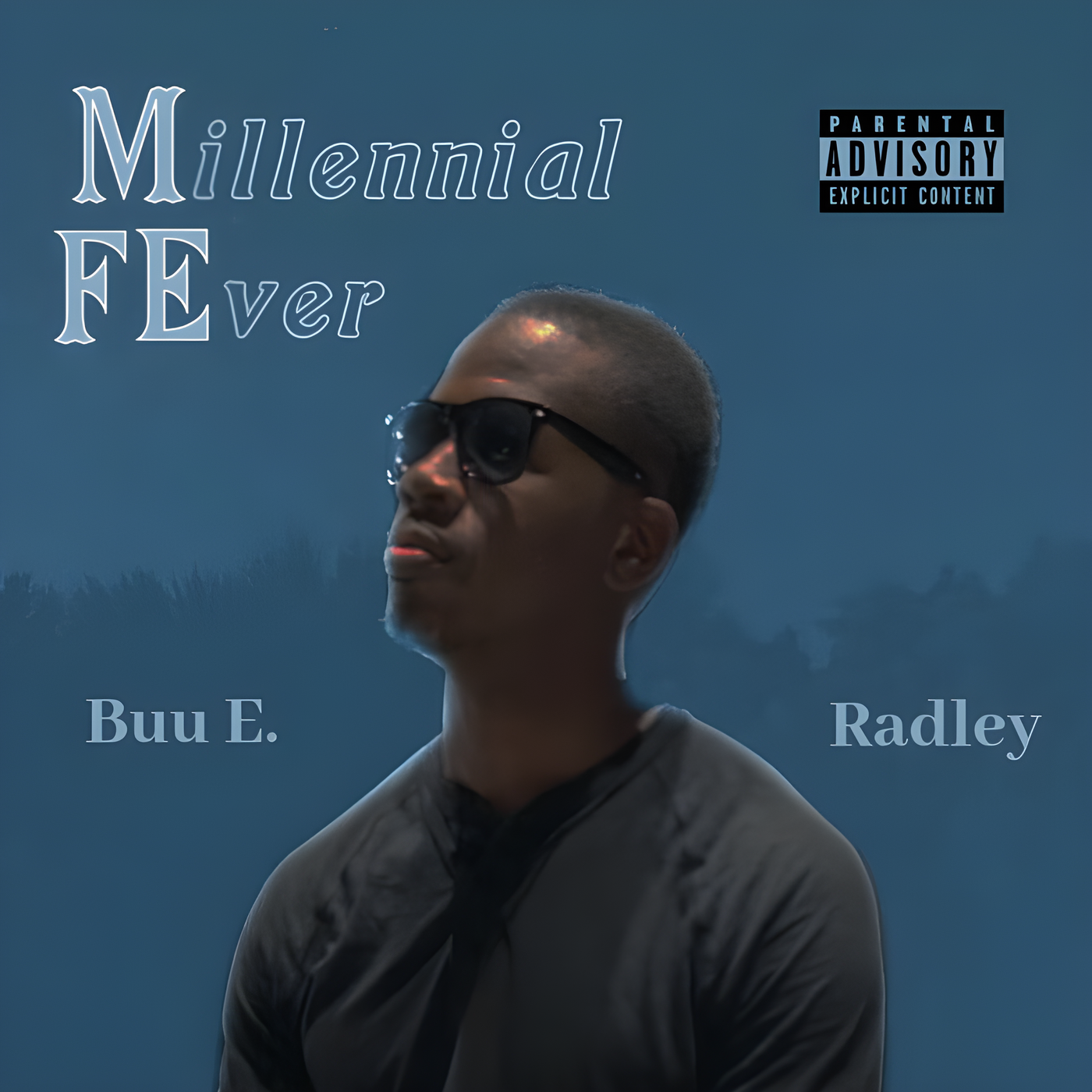
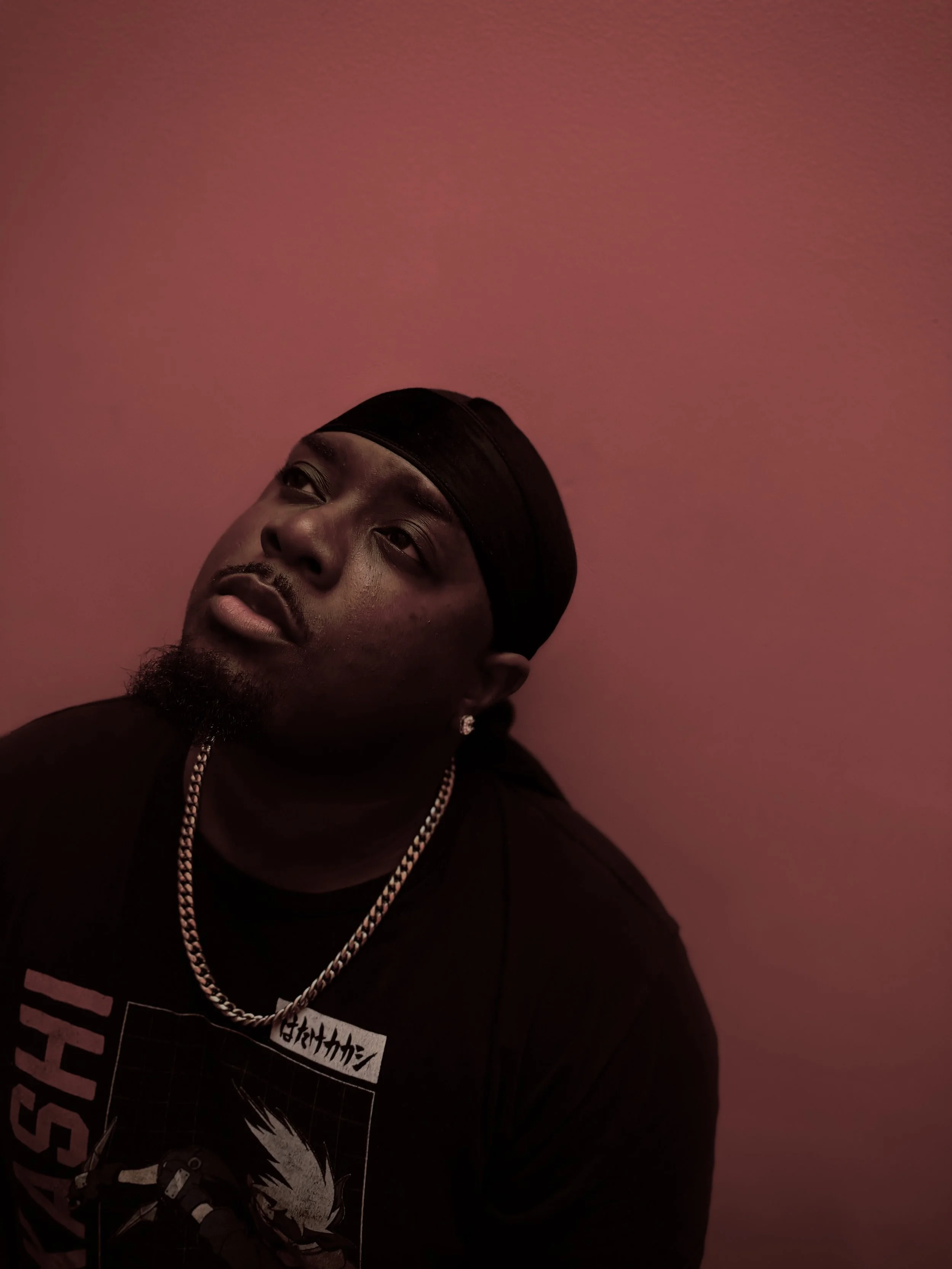
Buu E. Radley uses Millennial Fever to revisit a version of Hip-Hop built on groove, character, and lyrical presence. The 15-track American album leans heavily into boom bap and vintage West Coast rap, drawing from the sounds that shaped the childhood of many millennials without treating nostalgia as a gimmick. The project is overall laidback, warm, and deliberately old-school in construction. Its drums are clean and familiar, its basslines are rounded, and its melodic choices favor Rhodes, funk guitar, classic synth tones, and R&B-derived textures. More importantly, Radley treats the microphone as a place for writing rather than decoration. His delivery is measured and conversational, often sitting comfortably behind the beat. The result is a record that values storytelling, cadence, and personality over technical excess.
“Livin’ My Life” establishes that approach with a smooth West Coast foundation. The groove is relaxed, the drums move easily, and Radley delivers with the confidence of someone who understands the pocket. There is a natural cruising quality to the track, though the mix leaves the vocal slightly more dominant than the instrumental, which weakens some of the beat’s warmth. “Nine Eleven” is more significant thematically. Built on groovy bass, sparkling electric piano, rhythm guitar, and G-funk synth accents, the track uses an inviting instrumental to frame a much heavier subject. Radley and Sandpaper Jones revisit their personal experiences of September 11, placing memory at the center rather than abstraction. The delivery stays composed, which gives the storytelling more weight. Instead of pushing for drama, the song relies on detail, reflection, and the tension between warm production and difficult recollection.
“Halloween” deepens the album’s narrative side. A soulful vocal sample, subtle strings, rounded bass, and spacious drums create a patient mid-tempo backdrop. Radley responds with deliberate phrasing and a calm, authoritative flow. He does not rush the writing. Pauses matter. Emphasis matters. The track feels designed around memory and observation rather than performance for performance’s sake. “Shootin’ The Shit” shifts the mood toward something more playful. Funk-driven basslines, bright brass, shimmering synths, and syncopated drums give the track a New Jack Swing-adjacent bounce. Radley’s cadence becomes more animated, but never sloppy. The looseness is controlled. That balance is one of his stronger qualities: he can sound relaxed without sounding disengaged.
“All Hail Buu E.” slows the album down again. Rhodes chords, delicate guitar touches, atmospheric synths, and a rounded bassline create a smoother R&B-influenced frame. Radley adjusts accordingly, using a more melodic flow and letting the instrumental carry part of the emotional work. “Days Like This” moves in the opposite direction, returning to brighter funk keyboards, rhythmic guitar accents, elastic bass, and punchier drum-machine percussion. The performance is lighter and more playful, giving his personality more room to surface through witty phrasing and relaxed control. Then “H.A.N Syndrome” pushes the West Coast influence fully into view. Funky guitar, buttery keys, rounded bass, and snappy drums create the album’s most obvious nod to classic 90s California rap. Radley rides the beat with easy swagger, never overcomplicating the rhythm.
Across these first seven tracks, Millennial Fever works because Buu E. Radley understands that old-school influence is strongest when it shapes discipline rather than imitation. The writing stays central. The flows remain clear. The production gives each verse space to land. There are moments where the engineering could be more balanced, but the album’s identity is coherent and intentional. Radley is not simply recreating the 90s. He is using that era’s priorities—storytelling, groove, lyrical control, and personality—as a framework for his own voice. The remaining tracks are better left for listeners to discover on their own. What the opening stretch establishes is already clear: Millennial Fever is built for listeners who miss Hip-Hop that values the beat, the bar, and the story in equal measure.
Enjoyed the read? Consider showing your support by leaving a tip for the writer
TRENDING NOW

CONNECT WITH US





FEATURED


Buu E. Radley uses Millennial Fever to revisit a version of Hip-Hop built on groove, character, and lyrical presence. The 15-track American album leans heavily into boom bap and vintage West Coast rap, drawing…