
B Soulo Channels Classic American Hip-Hop Spirit on “DURAGS THE SUN”
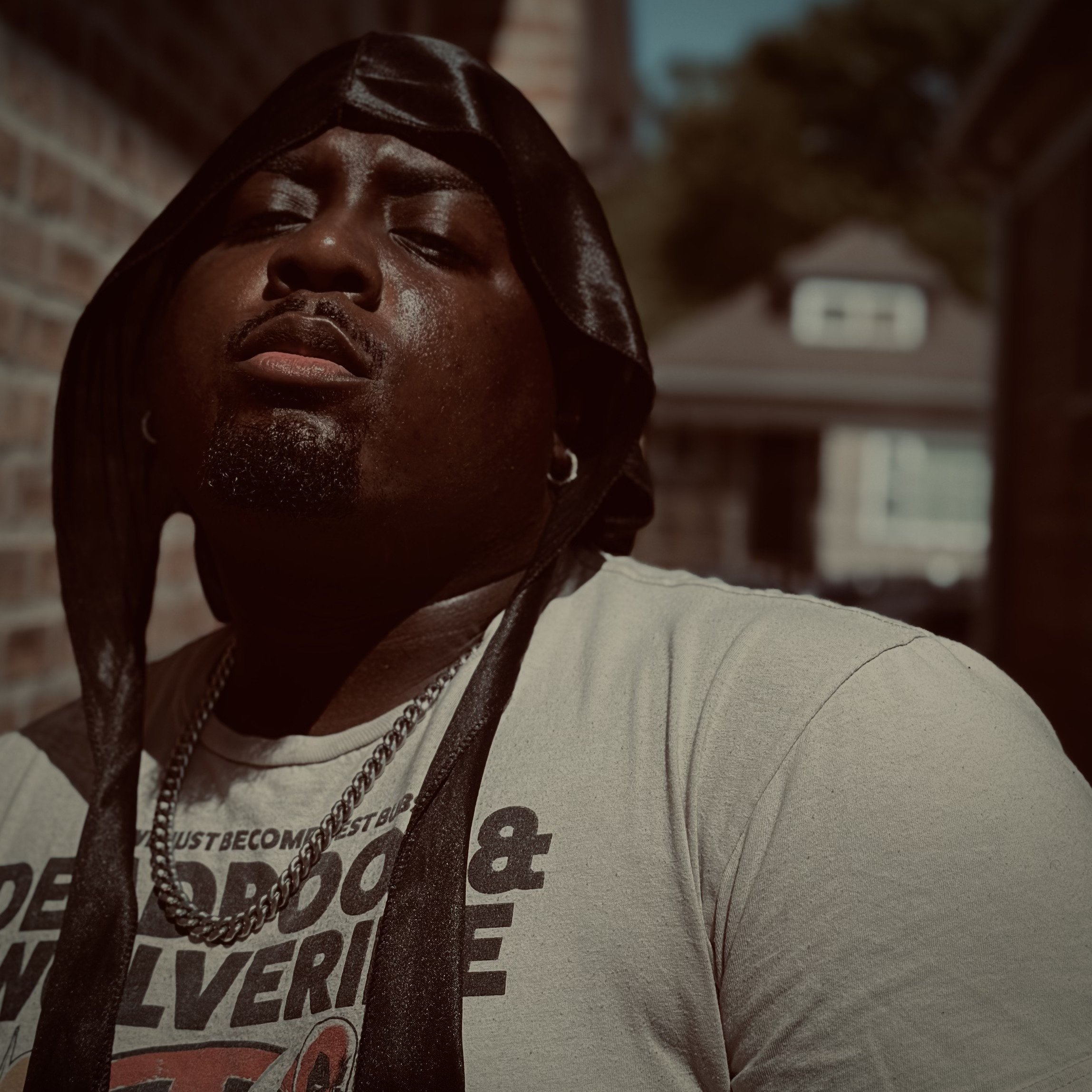

B Soulo uses DURAGS THE SUN to reconnect Hip-Hop with the pleasure of language. The 12-track American Hip-Hop and Soul album is upbeat in movement, nostalgic in construction, and noticeably invested in bars that carry actual shape. Following his transition from Blac Kami to B Soulo, the project feels like a recalibration of identity rather than a cosmetic rebrand. His stated influences—Nas, Wu-Tang Clan, and The Notorious B.I.G.—are audible less as imitation than as principle: cadence matters, word choice matters, and personality has to survive between the drums. That mentality gives the opening stretch its appeal. “WAY TOO LONG” unveils like a lost afternoon from the golden era, driven by chopped soul textures, bright brass stabs, funky bass guitar, and breakbeat-inspired drums. Soulo sounds relaxed but alert, delivering playful verses with enough rhythmic elasticity to keep the pocket moving. His flow bounces rather than attacks, giving the song the easy confidence of friends trading jokes on a city block while the beat spills from an open car window. Nostalgia is present, but it is functional. The production does not simply recall the ’90s; it gives Soulo a framework where wit and cadence can breathe.
“GARDEN” removes some of that sunshine. Gritty piano notes, crunchy snares, thick bass, and a hypnotic boom-bap loop create a harder setting, forcing the writing toward the foreground. Soulo responds with tighter bars, internal rhymes, and noticeable cadence changes. There is slight looseness in the timing, but that imperfection benefits the record. It sounds human. More importantly, it makes the track feel closer to an underground cipher than a polished commercial exercise. “GET 2 KNO ME” pushes that idea deeper and serves as a useful key to B Soulo’s artistic reset. Chopped soul vocals hover through vinyl grit while deep bass and rugged drums anchor the track below. His delivery is commanding without rushing, with dense multisyllabic writing sitting inside a laidback cadence. The song also embodies the duality he describes in his own approach: one side poetic, another more aggressively rooted in rap technique. That distinction prevents the writing from becoming one-note. He can reflect, then tighten the rhyme pattern; he can let an image sit, then return to technical momentum. The track’s melancholic atmosphere gives those shifts weight, producing something cinematic without sacrificing the rawness of boom-bap.
“ROY” opens the windows again. Funky guitar licks, buttery keys, rounded bass, and snappy drums produce an easy West Coast-adjacent glide, while Soulo rides the pocket with understated swagger. The delivery is smooth because it avoids overworking the beat. He understands when to leave space. That restraint gives the track its warmth, though a faint melancholy underneath the instrumentation keeps it from becoming simple nostalgia. “PRESSURE” extends that balance through a beautifully chopped vintage soul sample, warm synth chords, distant gospel harmonies, and a rich bassline moving beneath dusty drums. Soulo sounds particularly comfortable here, using a conversational flow that occasionally accelerates into tighter rhyme patterns before settling back down.
That movement is important to DURAGS THE SUN: technique appears when needed, but rarely for display alone. Across these opening five songs, B Soulo shows an attachment to an era when Hip-Hop expected rappers to bring substance to the page as well as personality to the microphone. The album’s first section is soulful, lyrical, and quietly disciplined, built for listeners who miss sample-heavy production without wanting museum-piece revivalism. The remaining tracks are better left for listeners to discover themselves. What these five establish is enough: B Soulo is interested in where Hip-Hop came from, but more importantly, in what that tradition can still teach a rapper about writing with intention.
Enjoyed the read? Consider showing your support by leaving a tip for the writer
TRENDING NOW






CONNECT WITH US





FEATURED



Wendy Bruner and Christopher Grundy construct “Toward Shalom” around warmth rather than spectacle, allowing its ideas of belonging, completeness, and social acceptance to develop inside an intentionally unvarnished frame. Written by Bruner and Monty Jackson and produced…