
Session Musician Agreements Explained: Fees, Credits, Usage Rights and Reuse
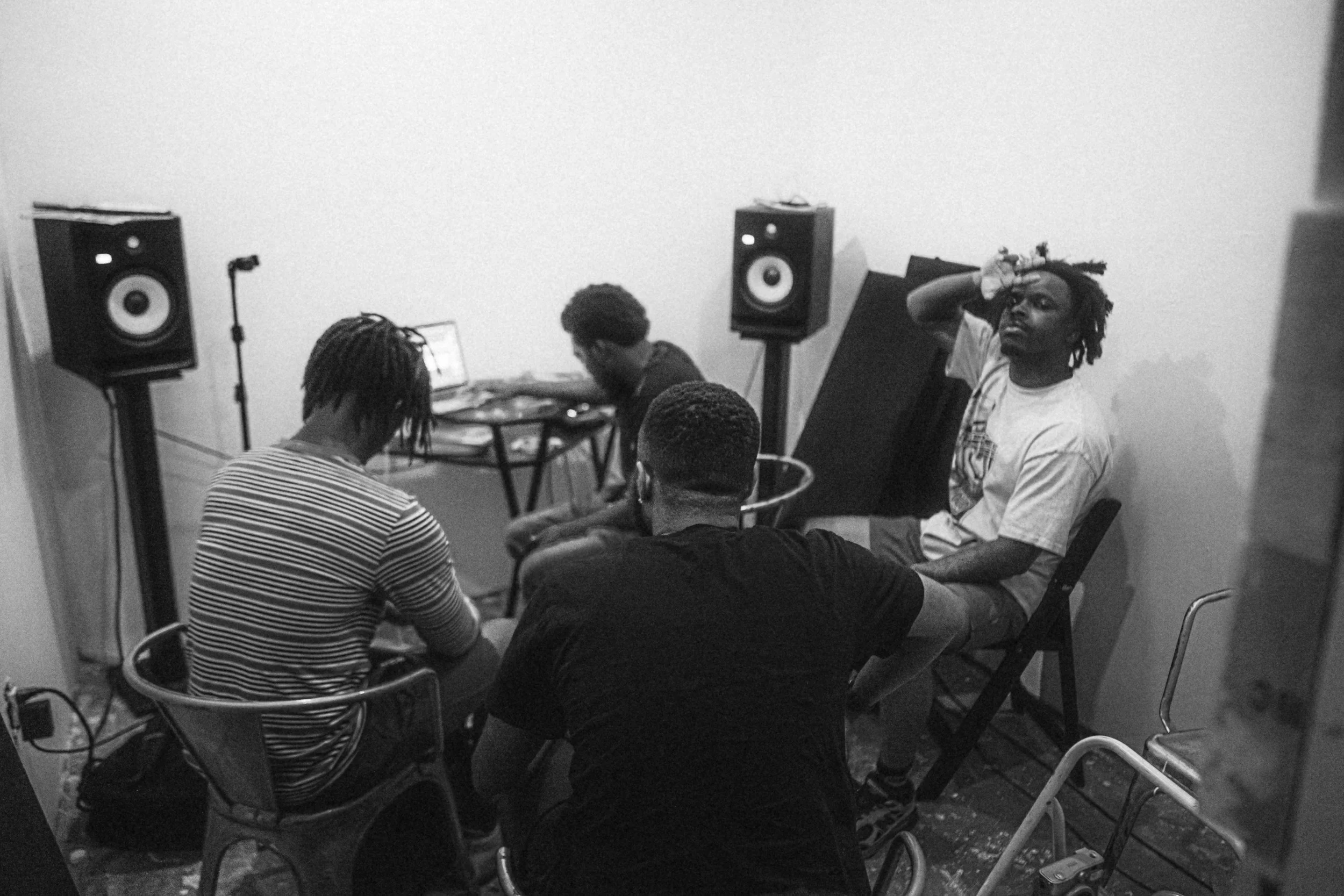
A great session can become legally confusing for a surprisingly ordinary reason: everyone remembers the conversation differently. The artist thought the fee covered unlimited edits. The musician expected a credit and approval before the performance appeared in advertising. Six months later, a brand wants to license the track and nobody can find a written record of what was agreed.
A session musician agreement does not need to smother the room in legal language. Its real job is to identify the engagement, define what the fee purchases and separate the musician’s performance from the underlying song, master recording and future uses.
The clearer those boundaries are before recording, the easier it is for both sides to work quickly, invoice confidently and reuse the recording without damaging the relationship.
Define the session before naming the fee
“Play guitar on my song” is not a complete scope. A useful agreement identifies the track or project, session date, location, expected duration, instrument, preparation requirements and deliverables.
For a remote session, specify file format, sample rate, bit depth, mono or stereo delivery, whether processed and dry stems are required, naming conventions and upload deadline. State whether the musician is expected to compose a part, follow written notation or reproduce a detailed demo. Those are different creative and preparation demands.
The Musicians’ Union’s 2026 agreement with the British recording industry uses defined short, standard and long session lengths, track-duration limits and overtime rates. Independent parties do not have to copy those UK rates, but the structure illustrates a valuable principle: time, output and overage should be measurable.
Separate the base fee from extras
A base session fee can cover a defined block of recording time and a specific use. Additional charges may apply for overtime, doubling on multiple instruments, arranging, equipment rental, travel, cartage, rush delivery, extra edits or a new use beyond the original scope.
Write the currency and payment method. “$400” is incomplete when one party expects Canadian dollars and the other invoices in U.S. dollars. Include the deposit, balance date, late-payment terms and who absorbs transfer fees. If tax must be charged, show it separately on the invoice.
The guide to invoicing music clients in Canada provides a practical invoice structure. The agreement establishes the obligation; the invoice documents the amount due.
Clarify what rights the fee purchases
A session musician performs on a recording, but that does not automatically make them a songwriter or featured artist. Conversely, paying a session fee does not excuse the producer from obtaining the required consent to record and exploit the performance.
The agreement should describe the permitted use: for example, incorporation into a named master recording released commercially through streaming, downloads, physical products and promotional clips. If the recording may be used in film, advertising, games, sample libraries, artificial-intelligence training or another materially different context, address that specifically instead of relying on “all media forever” as a substitute for negotiation.
Union agreements often distinguish original use, further use and secondary payments. The Musicians’ Union advises recording session musicians to complete the relevant consent form, and its guidance explains that a session player is normally paid a session fee for agreed rights rather than receiving the ongoing master royalty typical of a featured artist. Jurisdiction and collective agreements can change that result.
Do not confuse performance, songwriting and master ownership
Three separate interests can exist in the same recording:
the underlying composition;
the recorded performance; and
the master recording.
If the musician creates a new melody, lyric or composition contribution, resolve songwriting ownership with a separate split sheet. Do not hide a disputed songwriting share inside a session invoice. The music royalty splits guide explains why contribution and ownership should be settled while memories are fresh.
If the musician is producing, arranging or substantially shaping the master, a more detailed music producer agreement may be appropriate. Calling every contributor a session musician can erase the commercial reality of the work.
Put the credit in usable form
“Proper credit” creates a future argument. Specify the professional name, role and where the credit should appear when the platform supports it. A clean instruction might read: “Guitar performed by Jordan Lee,” with delivery of the spelling and metadata before release.
Also set realistic limits. A distributor may support performer credits while a short social video may not display a full list on screen. The agreement can require commercially reasonable efforts and inclusion in supplied metadata, liner notes, website credits and press materials without promising control over every platform interface.
Control revisions and rejected takes
Define what happens after delivery. One round of reasonable performance corrections may be included; a rewritten arrangement or entirely new creative direction should trigger a new fee. State how quickly the client must request changes and whether silence counts as acceptance.
The agreement should also address unused or rejected recordings. Unless the parties agree otherwise, the client should not quietly repurpose discarded takes for another song. The musician should not release isolated stems or session audio before the artist makes the project public.
Plan for future reuse
A master may move beyond its first release. It could be remixed, sampled, licensed to a series, used in an advertisement or included in a game. The original agreement should explain whether the base fee covers those uses, requires additional consent or triggers another payment.
The right answer depends on bargaining power, jurisdiction, union coverage and the project. The important move is to ask before the value appears. A low-budget independent single and a global advertising campaign should not be treated as if they create identical commercial exposure.
Create a one-page deal memo
For a straightforward independent session, a concise deal memo can record:
parties’ legal and professional names;
project and track title;
session date, duration and location;
instrument, preparation and deliverables;
fee, currency, overtime and expenses;
revision allowance and delivery deadline;
permitted uses and excluded future uses;
consent and performance-right terms;
credit wording;
songwriting status;
confidentiality and release timing; and
signatures and dates.
Keep call sheets, invoices, consent forms, emails and delivered files with the signed memo. If the engagement is covered by a union or collective agreement, use the required documents rather than replacing them with a homemade form.
Risks and limits
Contract and performers’ rights law varies by country. Union agreements may set minimum rates, reuse payments, pension contributions or consent requirements that cannot be reduced by an informal deal. Independent legal advice is appropriate for buyouts, exclusivity, advertising, games, film, large budgets or disputed creative ownership.
This article is practical education, not legal advice or a universal contract template.
Final takeaway
A good session musician agreement answers five questions before the red light turns on: what is being recorded, what must be delivered, what the fee covers, how the performance may be used and how the musician will be credited. Separate songwriting from session work, price overtime and revisions explicitly, and reserve a process for future reuse. Professional clarity does not weaken trust; it prevents trust from being tested by missing details.
Enjoyed the read? Consider showing your support by leaving a tip for the writer
Featured









Follow Us

Shop






















Wendy Bruner and Christopher Grundy construct “Toward Shalom” around warmth rather than spectacle, allowing its ideas of belonging, completeness, and social acceptance to develop inside an intentionally unvarnished frame. Written by Bruner and Monty Jackson and produced…