
Claiming Music Equipment on Taxes in Canada: Current Expenses, Repairs and CCA Explained
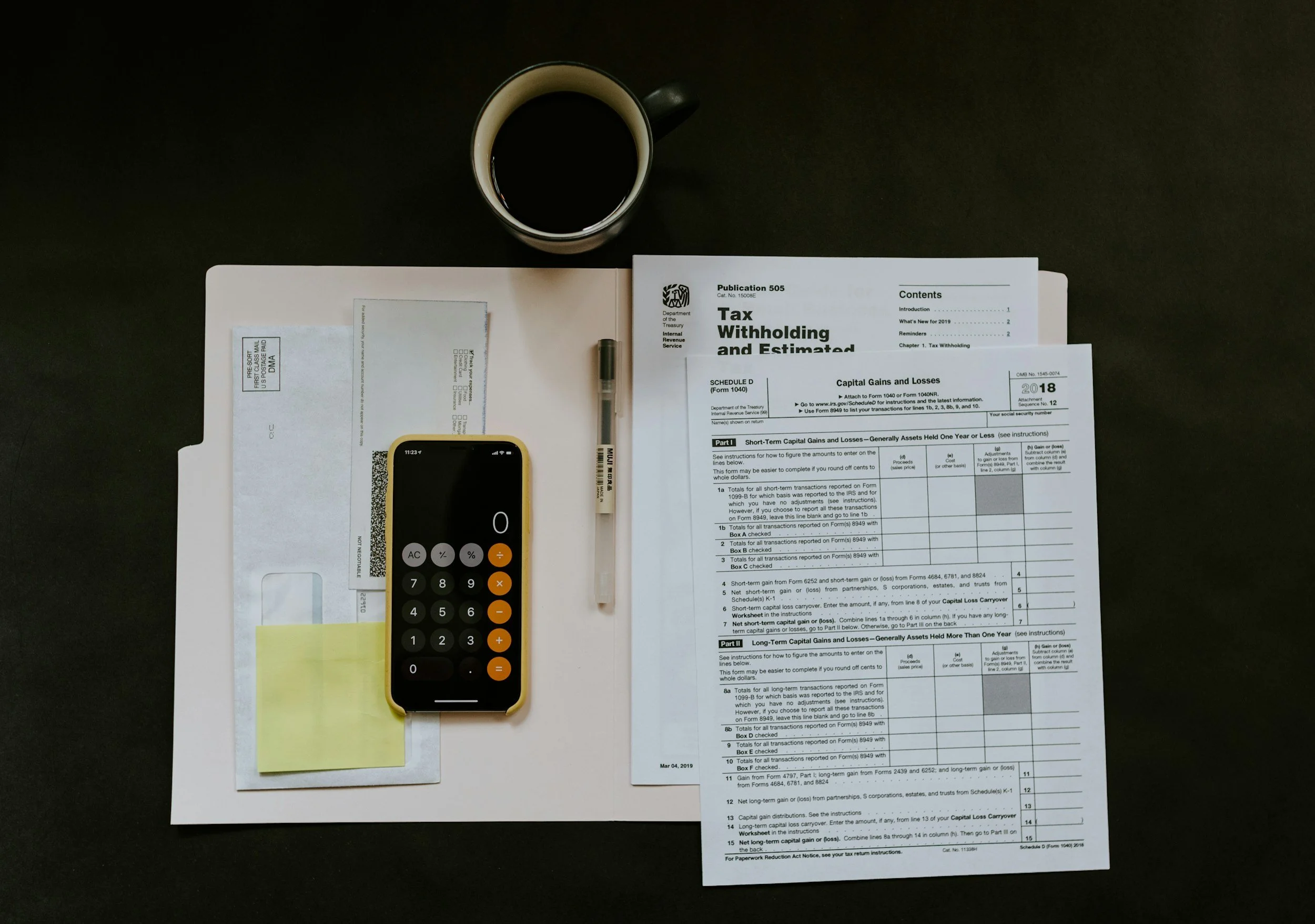
Buying a microphone, laptop or guitar for a music career can feel like an obvious business expense. The tax treatment is less automatic. A cable replaced after it fails, a monthly software subscription and a computer expected to serve the studio for several years may all support the same work, yet they can belong in different parts of a Canadian tax return.
The useful question is not simply, “Did I buy this for music?” It is whether the cost was incurred to earn business income, how much of the item is used for that business, and whether the purchase is a current operating expense or capital property that provides a lasting benefit.
For self-employed musicians, producers and engineers, a clean system matters more than aggressive guesswork. The goal is to claim what the rules support, preserve the evidence and avoid turning a creative purchase into an accounting mystery.
Start with business purpose and business-use percentage
Canadian business expenses generally need a reasonable connection to earning business income. A studio monitor used exclusively for paid production work has a clearer business purpose than headphones used equally for client mixes, gaming and personal listening.
Mixed-use equipment is not automatically disqualified, but the personal portion should not be claimed. Choose a reasonable method and document it. A producer who uses a laptop approximately 70 percent for recording, editing, invoicing and promotion may support that percentage with a usage log, separate user profile, project calendar or other consistent evidence.
Avoid inventing precision. “Seventy percent based on four weeks of representative tracking” is more credible than “87 percent” with no record. The same discipline used to separate personal and business finances makes equipment claims easier to explain.
Separate current expenses from capital property
A current expense usually supports the ongoing operation of the business and is generally deducted in the year it is incurred. Examples may include cloud-storage subscriptions, replacement strings, inexpensive adapters, ordinary cleaning supplies and minor repairs, provided they meet the broader business-expense rules.
Capital property is different. It is usually an asset acquired to provide a lasting benefit: a musical instrument, studio computer, microphone collection, audio interface or other durable equipment. Rather than deducting the entire capital cost as an ordinary current expense, the business may claim capital cost allowance, or CCA, over time.
The Canada Revenue Agency identifies musical instruments in Class 8, with a maximum CCA rate of 20 percent. Class 8 also covers many kinds of equipment, but classifications can depend on the property and circumstances. Computers and certain other assets may fall into different classes. Confirm the correct class instead of assuming every studio purchase belongs together.
Understand what CCA actually does
CCA is a discretionary deduction calculated from the undepreciated capital cost of a class. It is not the same as accounting depreciation, and it is not automatically equal to the purchase price divided by a convenient number of years.
The calculation can be affected by acquisition timing, available-for-use rules, first-year incentives, dispositions, trade-ins, business-use percentage and taxes or rebates included in capital cost. Current enhanced first-year measures can also change the available deduction for eligible property and years, so use the rules and forms applicable to the specific return rather than a calculation copied from an old video.
You do not necessarily have to claim the maximum CCA available. The CRA notes that a taxpayer may choose not to claim CCA when there is no tax payable, preserving undepreciated capital cost for a later year. That is a planning decision, not permission to reclassify capital property as a current expense.
Treat repairs according to what they accomplish
The word “repair” does not settle the classification. The CRA distinguishes ordinary maintenance from work that creates an enduring improvement or places newly acquired used property into usable condition.
Replacing a damaged output jack so an existing guitar returns to its previous operating condition may look like a current repair. Rebuilding or modifying an instrument so it is substantially better than before may be capital in nature. Work needed immediately after buying used equipment to make it suitable for the business can also be capital, even when similar work on an asset already in service might have been maintenance.
Keep the technician’s invoice detailed. “Repair — $600” is weaker evidence than a description of parts, labour, diagnosis and whether the work restored or upgraded the asset.
Account for GST/HST without counting the same tax twice
If the business is registered for GST/HST and entitled to claim an input tax credit, the recoverable tax generally affects the expense or capital-cost calculation. A business should not claim the same amount once as an input tax credit and again as part of an income-tax deduction.
This is where equipment purchases interact with the broader GST/HST guide for Canadian musicians. Provincial sales taxes, rebates and mixed-use rules can add complexity, particularly in Québec. Preserve the original invoice and the accounting entry used to record the tax.
Build a record that survives next April
A useful equipment record should include:
purchase date, seller and description;
invoice and proof of payment;
serial number and warranty information;
business purpose and business-use percentage;
CCA class and capital cost calculation;
date the asset became available for use;
repair, upgrade and insurance records; and
sale, trade-in, loss or disposal information.
Photograph paper receipts before the ink fades. Store the image with the related bank or card transaction and use a stable filename such as 2026-02-14-interface-invoice.pdf. The CRA’s employment-expense guidance specifically emphasizes retaining purchase and sale details for musical instruments; the same habit is valuable for a self-employed business.
Use the tax result to improve purchasing decisions
A deduction does not make unnecessary equipment free. If a $2,000 purchase reduces taxable income, the cash still leaves the account. Buy because the asset improves capacity, reliability or revenue—not because it can appear on a tax schedule.
Before ordering, compare the purchase with the business forecast. Will the microphone unlock paid vocal work? Will the laptop reduce session downtime? Can the expense be absorbed without weakening the emergency fund? Connect tax planning to a broader cash-flow forecast for an independent music career.
Risks and limits
Tax classification is fact-specific. A keyboard can be inventory for a retailer, capital equipment for a producer or partly personal property for a hobbyist. Incorporation, Québec tax, GST/HST registration, employee status and a change in use can alter the analysis.
This guide is educational, not individualized tax advice. Use the current CRA forms and consult a qualified Canadian tax professional when the amount is material or the classification is uncertain.
Final takeaway
Claiming music equipment in Canada begins with three decisions: establish the business purpose, separate current costs from capital property and document the business-use percentage. Treat CCA as a structured tax calculation rather than an instant write-off, record repairs according to what they actually changed and keep a complete asset trail from purchase to disposal. The strongest claim is not the largest one; it is the one another person can follow.
Authoritative sources
Enjoyed the read? Consider showing your support by leaving a tip for the writer
Featured









Follow Us

Shop













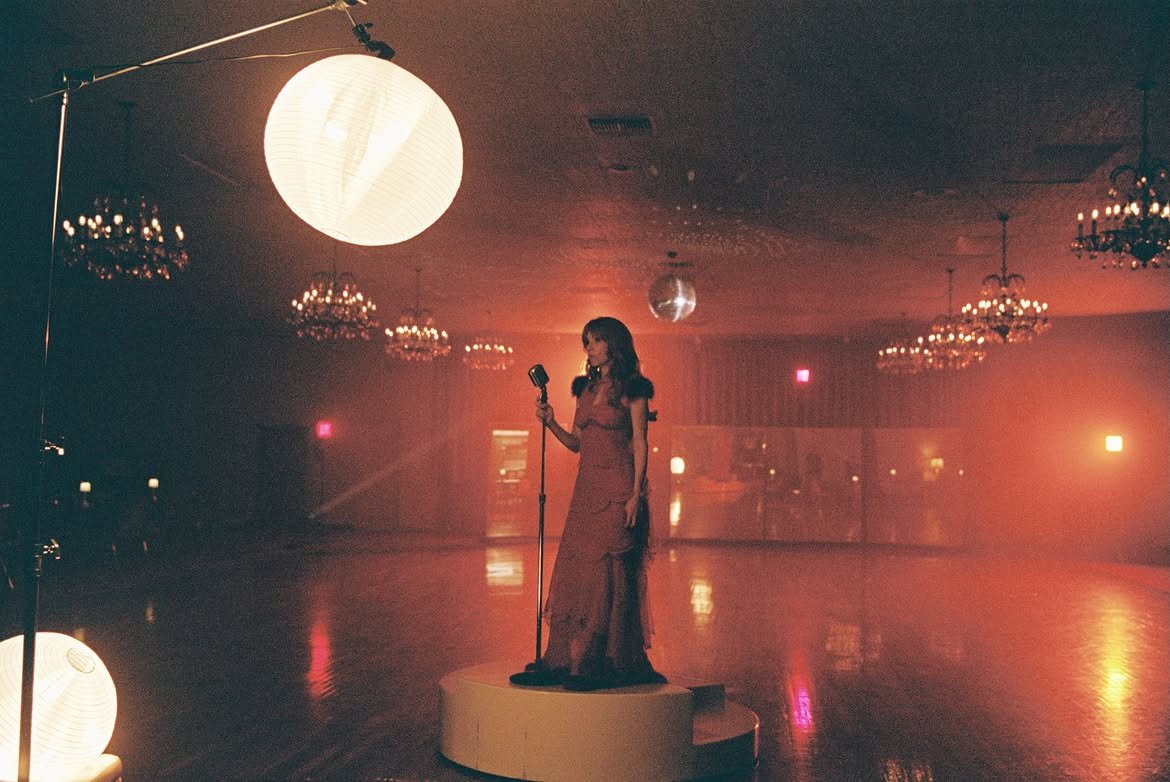





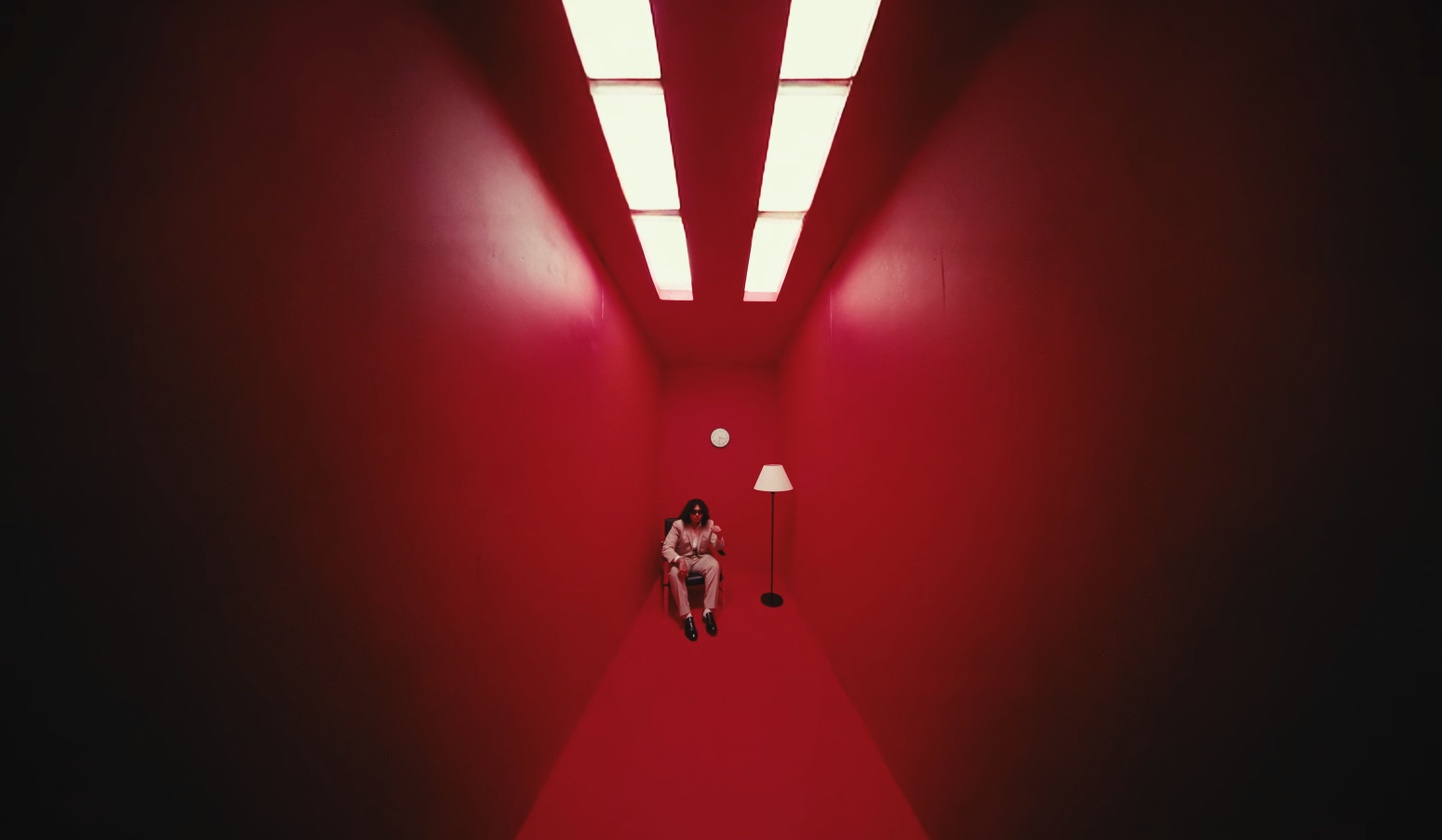


Wendy Bruner and Christopher Grundy construct “Toward Shalom” around warmth rather than spectacle, allowing its ideas of belonging, completeness, and social acceptance to develop inside an intentionally unvarnished frame. Written by Bruner and Monty Jackson and produced…