
FIFA World Cup 2026 No Drone Zones: What Fans and Drone Pilots Need to Know
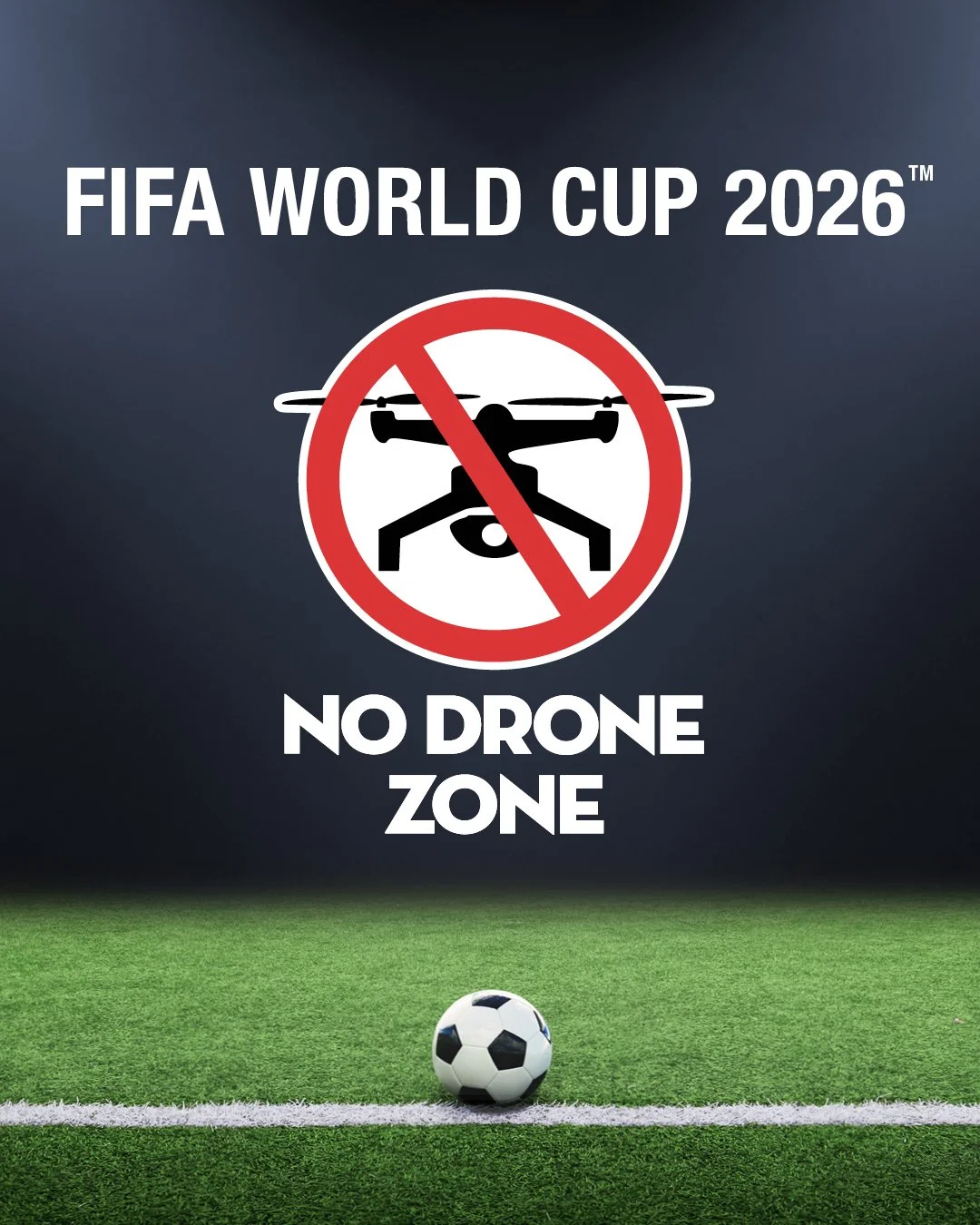
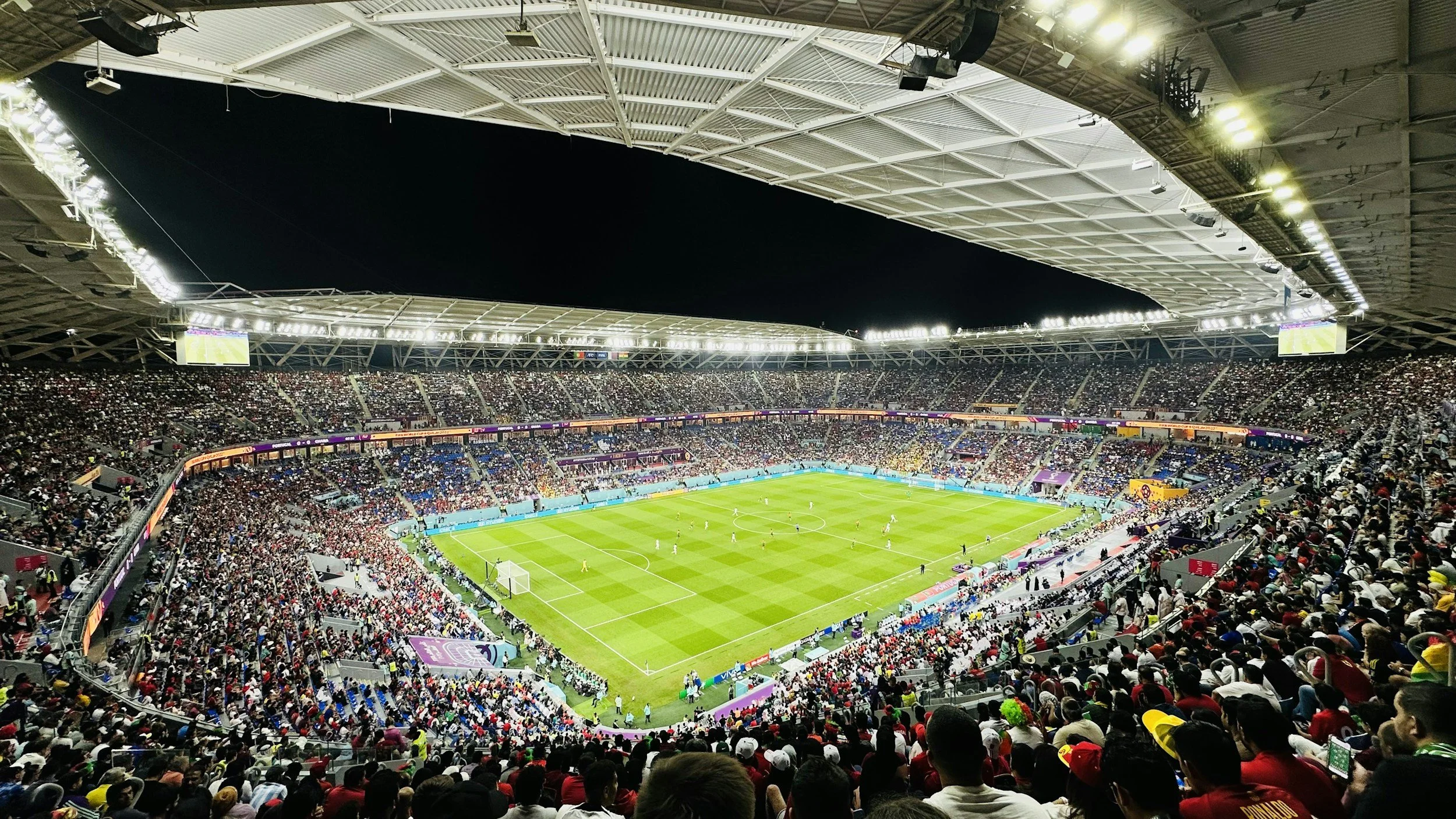
The 2026 FIFA World Cup is not only expected to be one of the biggest sporting events ever hosted in North America. It is also becoming one of the most security-conscious. As millions of fans prepare to gather across the United States, Canada, and Mexico, American authorities are tightening airspace rules around stadiums, fan zones, team facilities, and major event areas. At the centre of this new security posture is one increasingly serious concern: drones.
The FAA’s World Cup 2026 drone ban is designed to prevent unauthorized aircraft from entering restricted airspace around U.S. host venues. On match days, drones and other aircraft will be prohibited within a three-nautical-mile radius of stadiums and up to 3,000 feet above ground level, unless specifically authorized by air traffic control. Separate restrictions will also apply to certain fan-event areas, where drone activity will be banned within a one-nautical-mile radius and up to 1,000 feet above ground level.
For casual fans, this may sound like an excessive precaution. For security officials, however, it reflects the new reality of major-event protection. Drones are no longer viewed as harmless flying cameras. Around large crowds, transportation corridors, VIP guests, athletes, and packed stadiums, unauthorized drones can create serious safety risks. Even a drone with no harmful intent can cause panic, disrupt emergency operations, interrupt a match, or create confusion for law enforcement and aviation authorities.
That is why U.S. stadium security is getting stricter before the World Cup begins. The tournament is not an ordinary sports calendar item. It is a global mega-event with international teams, heads of state, celebrities, media crews, and millions of spectators moving between cities. In that environment, the airspace above and around venues becomes as important as the gates, concourses, tunnels, and streets below.
The new restrictions also show how sports security has changed over the past decade. Traditional stadium safety focused heavily on bags, tickets, crowd control, police presence, and perimeter screening. Those elements still matter, but modern threats are more complicated. Security teams now have to think vertically. The sky above a stadium has become part of the venue itself.
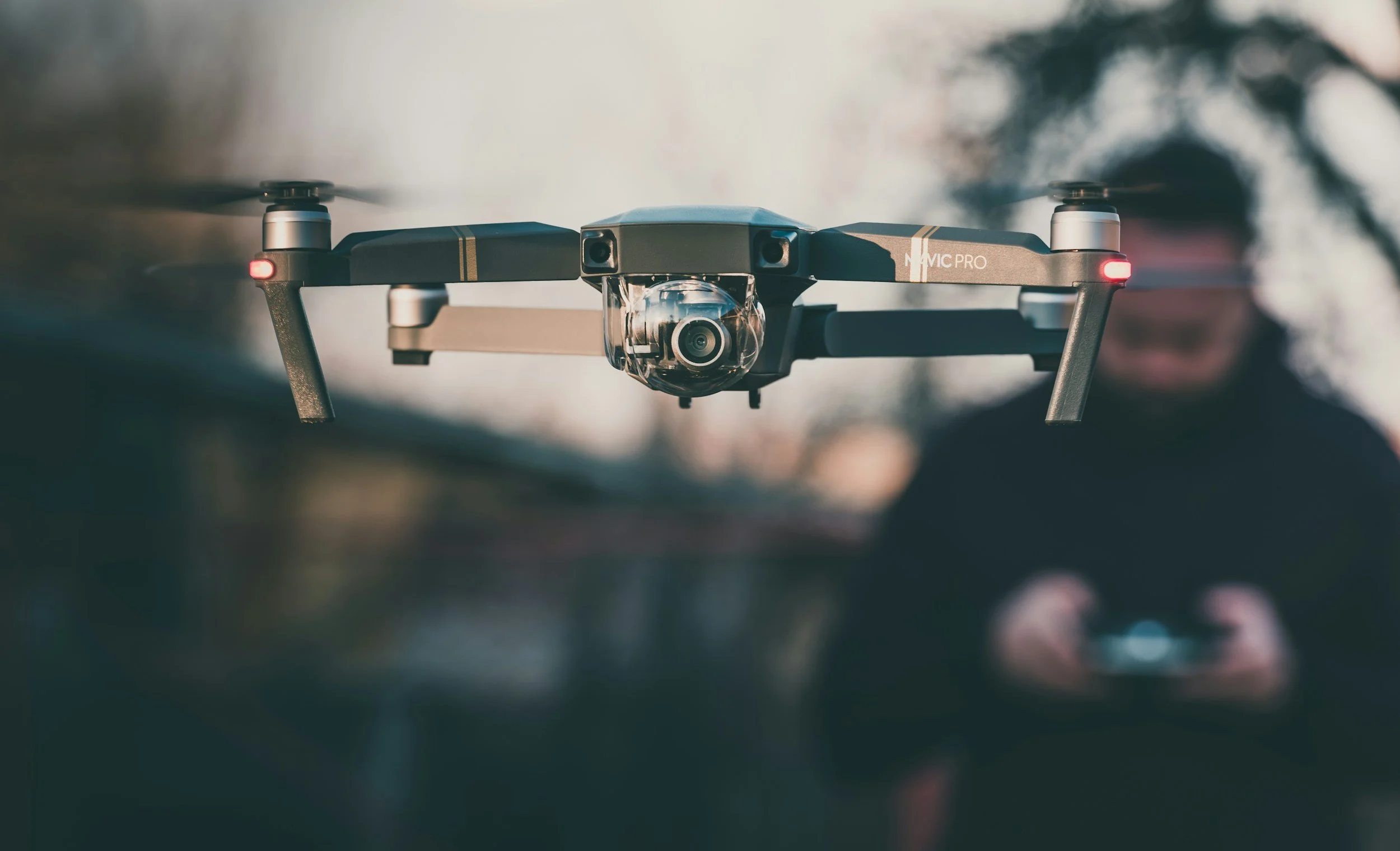
For drone pilots, the message is blunt: World Cup venues are not the place for aerial footage. Even licensed operators should not assume they can fly near stadiums, fan festivals, training bases, or public viewing zones. The FAA has made clear that violations may lead to severe consequences, including fines of up to $100,000, drone confiscation, and possible federal criminal charges. In other words, “I just wanted a cool video” will not be a convincing excuse.
The restrictions will cover major U.S. World Cup stadiums including SoFi Stadium near Los Angeles, MetLife Stadium in New Jersey, AT&T Stadium in Arlington, Mercedes-Benz Stadium in Atlanta, Hard Rock Stadium in Miami, Gillette Stadium near Boston, Lincoln Financial Field in Philadelphia, NRG Stadium in Houston, Levi’s Stadium in Santa Clara, Lumen Field in Seattle, and Arrowhead Stadium in Kansas City. Several fan-event locations will also have their own no-drone restrictions during tournament dates.
This is especially important because the 2026 World Cup is larger than previous editions. The tournament has expanded to 48 teams, and the U.S. will host the majority of the matches. That means more games, more crowds, more transportation pressure, and more security coordination across different jurisdictions. Each host city has its own law enforcement agencies, stadium operators, emergency services, and aviation considerations. A consistent drone policy helps reduce confusion.
The drone ban also protects the integrity of team operations. During major tournaments, training sessions, tactical preparations, and team movements are highly sensitive. Unauthorized drones can raise concerns about privacy, competitive espionage, and unwanted surveillance. In a tournament where one tactical detail can change a knockout match, teams want confidence that their preparation spaces are secure.
From a fan perspective, the rule may actually improve the experience. Nobody wants a match delayed because a drone appears over the field. Nobody wants security resources pulled away from crowd safety because someone ignored flight restrictions. Nobody wants a celebratory fan zone disrupted by an avoidable airspace violation. The ban is not just about stopping bad actors; it is also about preventing foolish disruptions.
The stricter approach also reflects a broader global trend. Major sporting events are increasingly treated as national security operations, not merely entertainment spectacles. The Super Bowl, the Olympics, Formula 1 races, political conventions, and major international tournaments all require layered protection. The World Cup sits near the top of that list because of its scale, visibility, and international symbolism.
Still, the policy creates a communication challenge. Many recreational drone users may not follow FAA announcements closely. Some tourists may arrive from other countries without understanding American airspace rules. Content creators may be tempted to capture dramatic stadium shots for social media. That is why public education will matter as much as enforcement. Clear signage, app-based alerts, local media reminders, and venue messaging will be crucial.
The most practical advice is simple: do not fly drones near World Cup venues, fan events, team hotels, training sites, or crowded tournament areas unless you have explicit authorization from the proper authorities. Checking current flight restrictions before operating a drone is not optional during an event of this scale. It is part of responsible ownership.
The World Cup 2026 drone ban may feel strict, but it reveals how much the security landscape has evolved. Stadium safety is no longer limited to what happens at the entrance gate. It now includes digital monitoring, airspace control, emergency coordination, crowd intelligence, and rapid response planning. The modern stadium is not just a building. It is a security ecosystem.
Ultimately, the FAA’s no-drone zones are about protecting the spectacle without letting technology become a liability. The 2026 World Cup is supposed to be remembered for goals, rivalries, national pride, and unforgettable atmospheres. Authorities do not want unauthorized drones becoming part of the story.
So, why is U.S. stadium security getting stricter? Because the event is bigger, the crowds are larger, the risks are more complex, and the airspace above a stadium now matters as much as the seats inside it. The World Cup is coming to America, and the message from security officials is unmistakable: enjoy the match, join the celebration, but keep drones away from the sky.
Enjoyed the read? Consider showing your support by leaving a tip for the writer
Featured






Follow Us

















Desiree Choy’s “Never Want It to End” glows with the soft architecture of a perfect evening held just before it disappears. The American, LA-based singer, songwriter, and actress shapes the single through Alternative / Indie R&B and Alt Pop, bringing a chill coastal feeling to a song about wanting…