
Why Metadata Might Be the Most Important Part of Your Music Career


Most artists think their music career begins with the song. In one sense, that is true. Without the song, there is nothing to release, pitch, monetize, perform, license, or promote. But once the song leaves your hard drive and enters the music industry, another invisible force starts deciding what happens next: metadata.
Metadata may not sound glamorous. It does not have the seductive shine of a studio session, a music video, a playlist placement, or a sold-out show. Yet metadata is one of the most important parts of a modern music career because it tells the industry what your song is, who made it, who owns it, where it belongs, and who should get paid when it moves through the world.
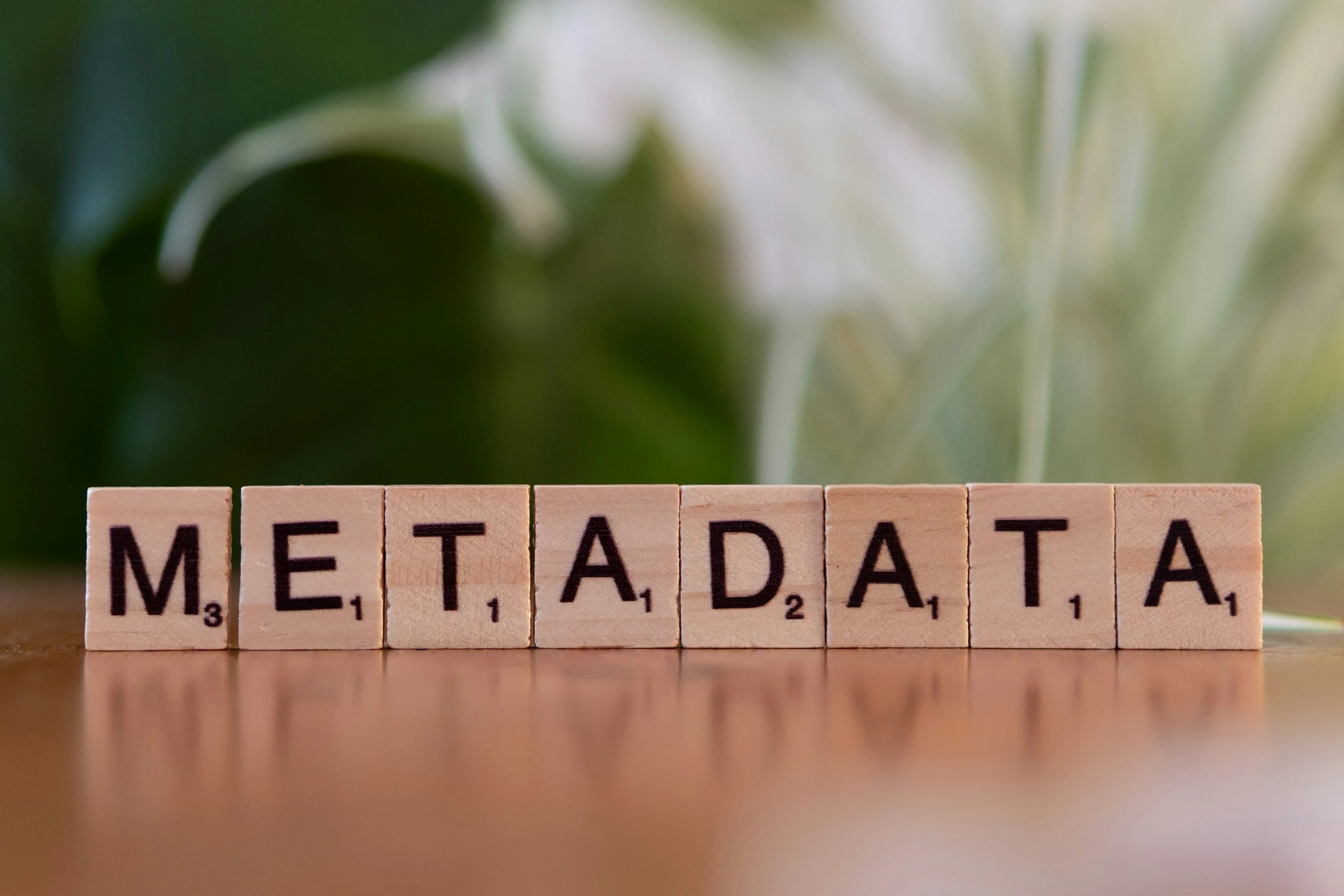
In simple terms, metadata is the information attached to your music. It includes your artist name, song title, release date, featured artists, producer credits, songwriter credits, composer names, publisher information, ISRC codes, genre, mood, language, ownership percentages, explicit content labels, lyrics, and sometimes descriptive keywords. Spotify for Artists describes music metadata as the information attached to a song file, including artist name, producer, writer, song title, release date, genre, and track duration. The platform also warns that missing or incorrect publishing metadata can affect how creators are compensated.
That last part is crucial. Metadata is not just cosmetic. It is financial infrastructure.
An artist may think, “As long as the song is good, the rest will figure itself out.” Unfortunately, the music business does not work that way. A brilliant song with messy metadata can become difficult to find, difficult to credit, difficult to license, difficult to playlist, and difficult to pay correctly. Poor metadata does not always destroy a song publicly. Sometimes it does something quieter and more dangerous: it makes opportunities slide past without the artist ever knowing they were available.
Start with the ISRC. The International Standard Recording Code is a unique identifier for a specific sound recording or music video. IFPI, the international ISRC registration authority, explains that ISRC identifies recordings and music videos, not compositions, products, or performers. That distinction matters. If you record the same song twice, release a remix, or upload a live version, each version should have its own identifier because each is a different recording.
Think of the ISRC like a digital fingerprint. It helps platforms, distributors, labels, collection societies, and royalty systems recognize the recording. CONNECT, the Canadian ISRC administrator on behalf of Music Canada, describes the ISRC as a unique and permanent identifier for a specific recording, widely used by digital services and retailers to track and identify recordings. Without clean identifiers, your music becomes harder to track across stores, streaming platforms, radio reports, charts, and rights systems.
But ISRCs are only one part of the metadata puzzle. Credits are just as important. Every song has people behind it: vocalists, producers, songwriters, engineers, mixers, mastering engineers, instrumentalists, arrangers, featured artists, and sometimes sample contributors. If those people are not properly credited, the music loses part of its professional identity. Worse, people may not receive the recognition or royalties they deserve.
In 2025, Spotify expanded its song credits to highlight more contributors behind each track, including producers, engineers, songwriters, and featured artists, after previously showing more limited credits. That move reflects a larger industry shift: credits are becoming more visible, more searchable, and more important to career development. A producer may get hired because someone notices their credit on a song. A mixing engineer may receive new clients because their name is attached to a track that sounds excellent. A songwriter may build credibility because their catalogue is properly documented.
Bad credits can quietly erase careers. If a producer’s name is misspelled, if a songwriter is missing, if a featured artist is listed incorrectly, or if the wrong person is connected to the wrong role, the data trail becomes corrupted. That can hurt royalty collection, professional networking, playlist discovery, press coverage, and future sync opportunities.
Ownership data is where things become even more serious. Every song should have clear information about who owns what. This includes master ownership, songwriter splits, publisher shares, and administration details. If three people wrote the song, what percentage does each person own? If a producer contributed to the composition, do they have publishing? If a label funded the recording, who owns the master? If an artist is self-releasing, are they also self-administering their publishing?
These questions should not be left until the song starts doing well. They should be answered before release. The Mechanical Licensing Collective, which administers blanket mechanical licences for eligible streaming and download services in the United States, emphasizes that accurate metadata is crucial to getting paid the royalties you are due. It also advises creators to organize song data early so contributing parties can be credited and paid correctly.
Poor ownership metadata can turn a promising record into a bureaucratic swamp. A song might generate money, but if the system cannot match the recording to the right composition, writers, publishers, or rightsholders, payments can be delayed or unmatched. In the streaming economy, where billions of micro-payments move across platforms, bad data can become a silent thief.
This is especially important because streaming royalties are not one simple payment. There are different royalty types connected to recordings and compositions. Spotify for Artists explains that interactive streams generate both mechanical royalties and performance royalties for songwriters, with mechanical royalties tied to the digital reproduction of the musical work and performance royalties tied to its digital performance. If your metadata is incomplete, the system may struggle to connect those royalties to the correct creators.
Then there are keywords, moods, and descriptive tags. These may not feel as official as ISRCs or ownership splits, but they can affect discovery and licensing. A music supervisor searching for a “melancholic indie pop song with female vocals and late-night atmosphere” needs searchable information to find the right track. A playlist curator looking for “Afrobeats summer anthem,” “dark electronic pop,” or “acoustic heartbreak ballad” is also relying on data signals. If your song has no useful descriptors, it may be musically perfect for an opportunity but practically invisible.
This is where many independent artists undersell themselves. They upload a song with a title, artist name, cover art, and maybe a genre, then assume the music will speak for itself. But the industry often discovers songs through systems before humans hear them. Your metadata is the passport that allows your music to travel through those systems.
Metadata also affects how your music appears on streaming platforms. Spotify’s metadata guidelines explain that a release’s metadata controls how songs and releases appear on the platform, and Spotify displays music exactly as it is delivered by labels or distributors. That means a typo, inconsistent capitalization, wrong feature credit, incorrect version title, or mismatched artist profile can create problems that may require your distributor or label to fix.
For example, imagine an artist named Nova Ray releases a single featuring Kairo. If the feature is entered as “KAIRO,” “Kairoo,” “Kairo Official,” or attached to the wrong artist profile, the release may not properly connect to the intended collaborator. That can affect visibility, algorithmic association, fan discovery, and professional presentation. The same issue can happen with duplicate artist names, producer aliases, or inconsistent spelling across releases.
Metadata is also central to sync licensing. When a music supervisor wants to place a song in a film, TV show, commercial, trailer, or video game, they need to know who controls the master and publishing. If the ownership is unclear, the song becomes risky. Supervisors often work under tight deadlines. They may love your track, but if they cannot quickly confirm who owns it and who can approve the licence, they may move on to another song with cleaner documentation.
That is one of the most painful ways poor metadata kills opportunities. The artist may never receive an email saying, “We almost placed your song, but your rights information was too confusing.” The opportunity simply disappears.
The same applies to press, playlisting, radio, and chart reporting. If your artist name is inconsistent, your credits are incomplete, your song title is wrong, or your identifiers are missing, your release can become harder to track. In a competitive industry, every extra layer of confusion reduces your chances. Professional music teams like clarity because clarity saves time.
This is why metadata should be treated as part of the creative release process, not an annoying administrative chore. Before releasing a song, artists should create a simple metadata sheet. It should include the official artist name, featured artists, song title, release title, version title, ISRC, UPC if available, songwriter names, producer names, publisher information, master owner, publishing splits, lyrics, genre, language, mood, tempo, explicit status, contact email, and one-line description. For sync pitching, it should also include whether the song is one-stop, meaning one person or entity can clear both the master and publishing.
A clean metadata sheet can make you look professional instantly. It tells collaborators, distributors, playlist curators, music supervisors, publicists, and rights organizations that your catalogue is organized. More importantly, it protects future money. A song may be small today and valuable tomorrow. If it suddenly goes viral, gets sampled, lands in a show, or starts receiving radio play, you do not want to be scrambling to remember who owns what.
The most dangerous metadata mistakes are often simple. Misspelled names. Wrong songwriter percentages. Missing producer credits. Duplicate artist profiles. Reusing the wrong ISRC. Forgetting to register songs with the right organizations. Uploading a clean version and explicit version without clear labels. Not documenting splits. Using vague genre tags. Leaving lyrics unsubmitted. Not keeping contact details updated. These errors may seem small, but together they create friction. And friction is fatal in a business built on speed.
Metadata has become even more important in the age of AI, impersonation, and massive catalogue uploads. As digital platforms receive more music than ever, accurate identification becomes a form of protection. The more precise your data is, the easier it is to prove what belongs to you, separate your work from fakes or misattributed uploads, and maintain a coherent catalogue identity.
At a higher level, metadata is about respect. It respects the song by making sure it can be found. It respects collaborators by making sure they are credited. It respects ownership by making sure the right people are paid. It respects opportunities by making sure professionals can say yes quickly. And it respects your future self by preventing today’s disorganization from becoming tomorrow’s lost income.
The romantic version of the music industry says talent always rises. The real version says talent needs infrastructure. Metadata is that infrastructure. It may not be glamorous, but neither is the foundation of a mansion. Ignore it, and everything built above it becomes unstable.
For independent artists, the lesson is simple: do not wait until you have a hit to organize your data. Organize your data so a hit has somewhere to go. A song with strong metadata is easier to discover, easier to credit, easier to license, easier to monetize, and easier to protect. In a music economy overflowing with content, that might be the difference between being heard once and building a career that keeps paying you back.
Enjoyed the read? Consider showing your support by leaving a tip for the writer
Featured









Follow Us














Laeky’s “caller waiting” is built from emotional exposure, but its production refuses to collapse into fragility. The Australian artist threads syncopated acoustic guitar riffs through understated indie-pop drums, subtle bass, and soft synth textures, creating a frame that feels both restless and suspended. Her sultry, yearning vocal…