
Drake’s Chart Dominance Proves the Kendrick Fallout Did Not Kill His Commercial Power
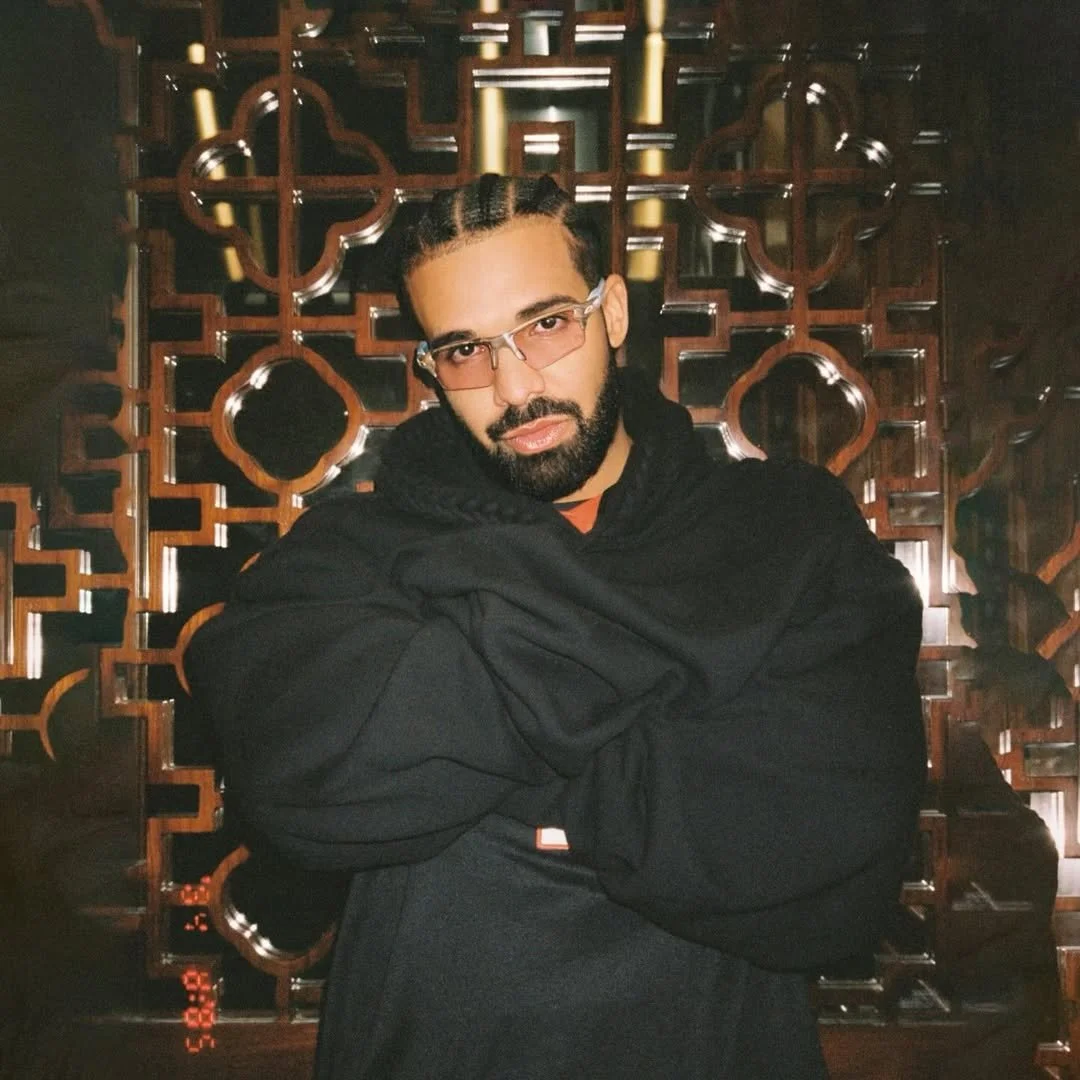
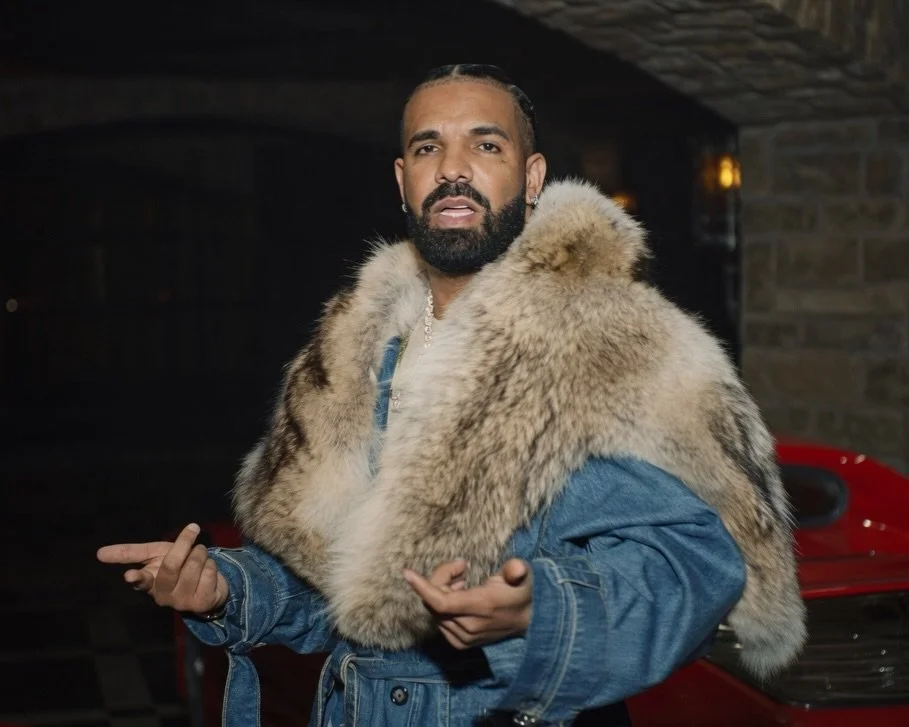
For a while, the internet spoke about Drake as if the Kendrick Lamar feud had permanently cracked his commercial empire. The jokes were louder, the criticism was sharper, and the cultural temperature around him changed drastically after one of the most brutal rap conflicts of the modern era. Yet Drake’s latest chart performance tells a more complicated story. Whatever damage the Kendrick fallout may have done to his public image, it clearly did not destroy his ability to move numbers.
In May 2026, Drake made Billboard history after Iceman, Habibti, and Maid of Honour reportedly occupied the top three positions on the Billboard 200 at the same time. Pitchfork reported that Drake became the first artist to simultaneously hold the top three spots on the Billboard 200, following the surprise release of all three solo albums on May 15, 2026. That is not a normal comeback. That is a commercial detonation. The milestone matters because it directly challenges one of the biggest narratives that formed after Drake’s feud with Kendrick Lamar: the idea that Drake had been commercially neutralized. In the court of social media opinion, Kendrick’s victory lap felt overwhelming. “Not Like Us” became more than a diss track; it became a cultural chant, a meme engine, a party record, and a reputational crisis for Drake. Reuters reported in January 2025 that Drake filed a defamation lawsuit against Universal Music Group over the promotion of Kendrick Lamar’s “Not Like Us,” while Lamar himself was not named as a defendant. That legal drama intensified the perception that Drake was wounded. Instead of simply responding through music, he appeared to be fighting the aftermath through courts, filings, and public positioning. The Guardian later reported that Drake expanded his lawsuit against Universal Music Group after Kendrick Lamar’s 2025 Super Bowl halftime performance, with the dispute still centred on the fallout from “Not Like Us.” To many observers, it looked like the most commercially dominant rapper of the streaming era had lost control of the narrative.
But losing the narrative is not the same as losing the market.

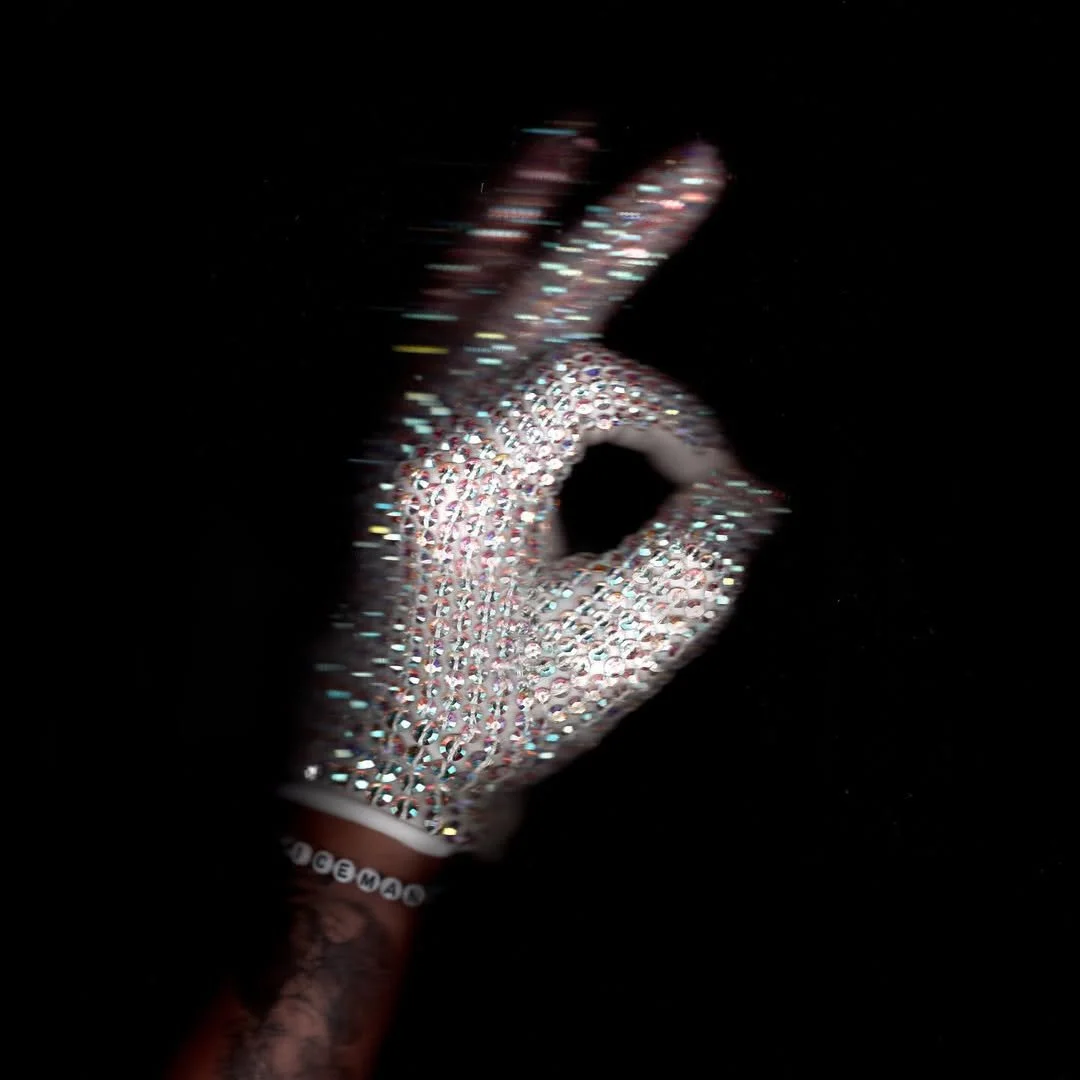

That is the central lesson of Drake’s 2026 chart dominance. Public embarrassment can damage aura. It can bruise mythology. It can alter how critics, fans, and rival artists talk about a superstar. But commercial power is measured differently. It shows up in streams, sales, chart positions, demand, curiosity, and the simple fact that millions of people still press play even when they claim to be tired of the artist.
Drake understands that contradiction better than almost anyone. His brand has always been built on emotional availability, strategic overexposure, and an almost uncanny ability to convert conversation into consumption. People listen because they love him. People listen because they hate him. People listen because they want to decode who he is dissing. People listen because they want to know if he has fallen off. People listen because they want to participate in the discourse. In Drake’s economy, attention rarely goes to waste.
The triple-album release strategy was therefore not just musical excess. It was a power move. Dropping Iceman, Habibti, and Maid of Honour at once turned Drake’s comeback into an event too large to ignore. One album would have been judged as a response. Three albums became an occupation. Each project offered a different entry point: Iceman as the colder, more combative centrepiece; Habibti as the melodic and vulnerable lane; Maid of Honour as the guest-heavy, playlist-friendly extension. Together, they formed a commercial net wide enough to catch casual fans, loyalists, critics, haters, and curious bystanders. That is why the Billboard milestone feels so decisive. It does not prove Drake “won” the Kendrick feud artistically. It does not erase the cultural impact of Kendrick’s diss records. It does not mean the jokes never landed or the reputational damage was imaginary. What it proves is narrower but still enormous: Drake’s commercial machinery survived. His audience may have shifted, argued, or fractured, but it did not disappear.
This distinction matters because music culture often confuses moral victory, artistic victory, and commercial victory. Kendrick may have won the battle of public perception. He may have delivered the more culturally devastating diss record. He may have turned a rap feud into a generational spectacle. But Drake’s post-fallout numbers suggest something equally important: a damaged superstar can still be a superstar.
That is partly because Drake’s catalogue has trained listeners to expect abundance. For more than a decade, he has released music like someone trying to dominate every emotional use case: late-night regret, gym confidence, toxic romance, luxury melancholy, club energy, rap bravado, pop hooks, Caribbean-inflected rhythms, UK-facing flows, Afrobeats textures, and R&B confessionals. His albums are often criticized for bloat, but that same bloat helps explain his streaming endurance. There is usually a Drake song for every mood, even when the project itself feels overstuffed.
The Kendrick fallout also created a strange form of commercial suspense. People wanted to know how Drake would sound afterward. Would he be defensive? Bitter? Reflective? Petty? Triumphant? Would he directly address the humiliation? Would he avoid it? Would he collapse under the pressure or turn it into more music? The curiosity became part of the rollout. In that sense, the controversy did not suppress demand. It intensified the need to witness his next move. This is one of the paradoxes of modern celebrity. Scandal can weaken reputation while strengthening visibility. Drake’s situation proves that a bruised image does not automatically equal reduced consumption. In the streaming era, being discussed constantly can become a commercial advantage, even when the discussion is hostile. The algorithm does not care whether a listener arrives through admiration or mockery. A stream is still a stream.
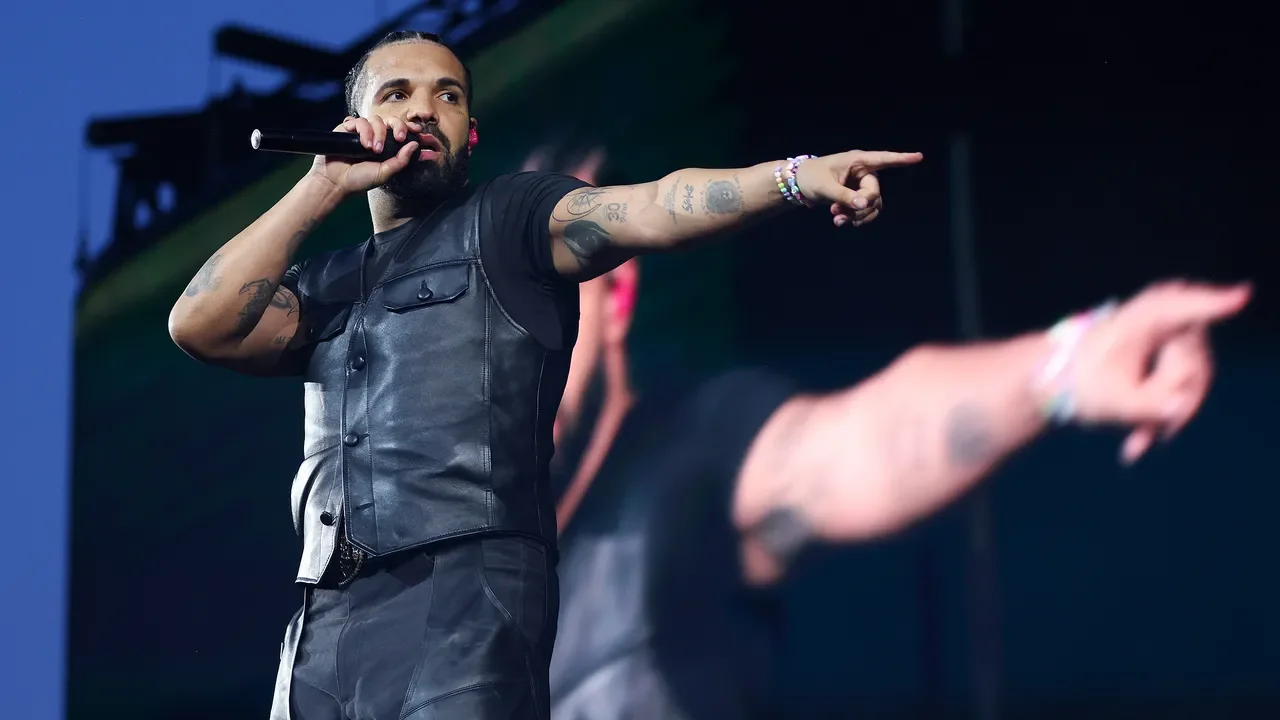
There is also a Canadian angle that should not be overlooked. Drake remains one of the most commercially powerful artists Canada has ever produced. His ability to dominate the American Billboard 200 with three simultaneous projects reinforces his unusual position as a Toronto artist who helped reshape global rap, pop, and streaming strategy. The feud may have complicated his reputation, but it did not erase the infrastructure he built over more than a decade: a massive catalogue, a loyal core audience, global playlist reach, and a brand that still commands instant attention.
That does not mean Drake is creatively invincible. If anything, the Kendrick fallout exposed real vulnerabilities: fatigue around his persona, skepticism toward his lyrical themes, and a growing sense that some listeners want a more disciplined, less overextended version of him. Commercial success can hide artistic problems, but it does not automatically solve them. Drake’s challenge now is not proving that people will listen. He has already done that. The harder challenge is proving that the music can still feel essential beyond the numbers.
Still, numbers matter. In an industry where careers are constantly declared dead after one bad cycle, Drake’s chart dominance is a reminder that commercial power is rarely destroyed overnight. Superstars of his scale do not vanish because of one feud, no matter how culturally damaging. Their decline, if it happens, is usually slower, stranger, and more uneven. Drake’s 2026 performance suggests he is not in free fall. He is in a more complicated phase: criticized, scrutinized, mocked, but still commercially massive.
That may be the most accurate reading of this moment. Drake did not escape the Kendrick fallout untouched. The feud changed how many people talk about him. It dented the aura of invincibility that had surrounded him for years. It gave critics a sharper weapon and fans a more difficult conversation. But it did not kill his commercial power.
If anything, Iceman, Habibti, and Maid of Honour prove that Drake’s empire still runs on one of the most powerful forces in popular music: unavoidable curiosity. People may debate whether he is still the king, whether he lost the battle, whether he releases too much, whether he needs reinvention, or whether his best work is behind him. But as long as those debates keep sending listeners back to the music, Drake remains exactly where he has always been most dangerous — at the centre of attention.
Enjoyed the read? Consider showing your support by leaving a tip for the writer
Featured








Follow Us

















Laeky’s “caller waiting” is built from emotional exposure, but its production refuses to collapse into fragility. The Australian artist threads syncopated acoustic guitar riffs through understated indie-pop drums, subtle bass, and soft synth textures, creating a frame that feels both restless and suspended. Her sultry, yearning vocal…