
Sienna Spiro Releases "Visitor": Inside the Breakout Singer’s Debut Album
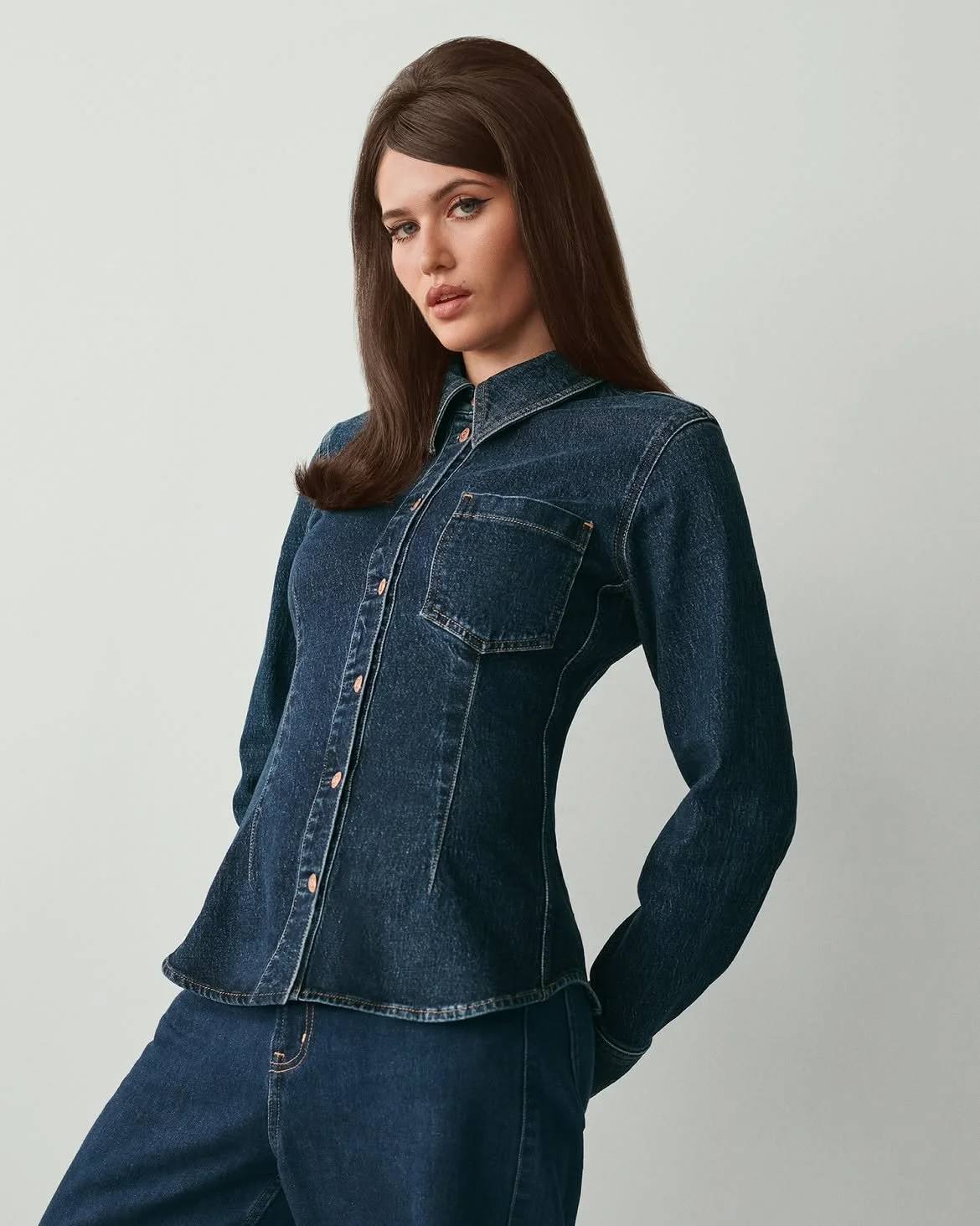
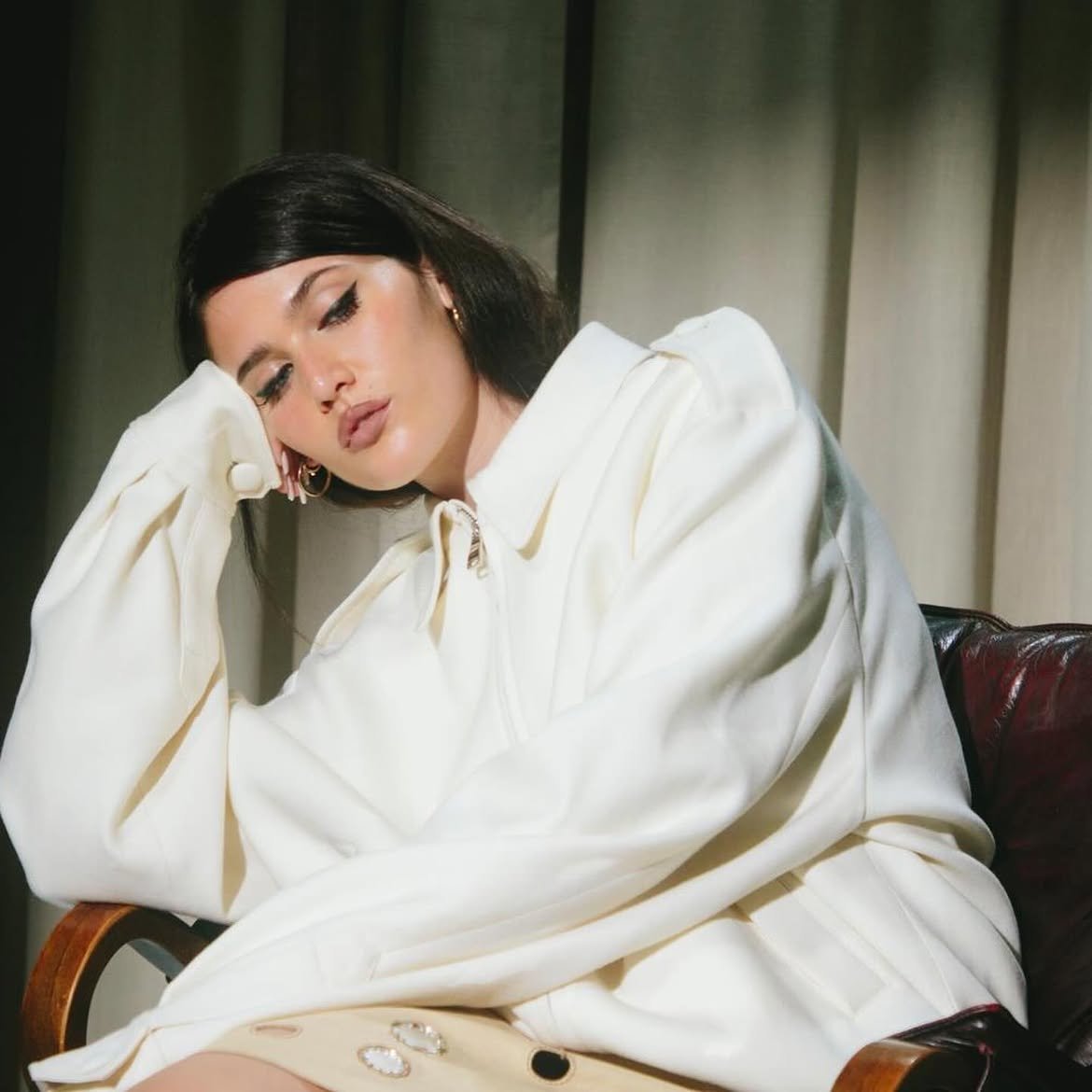
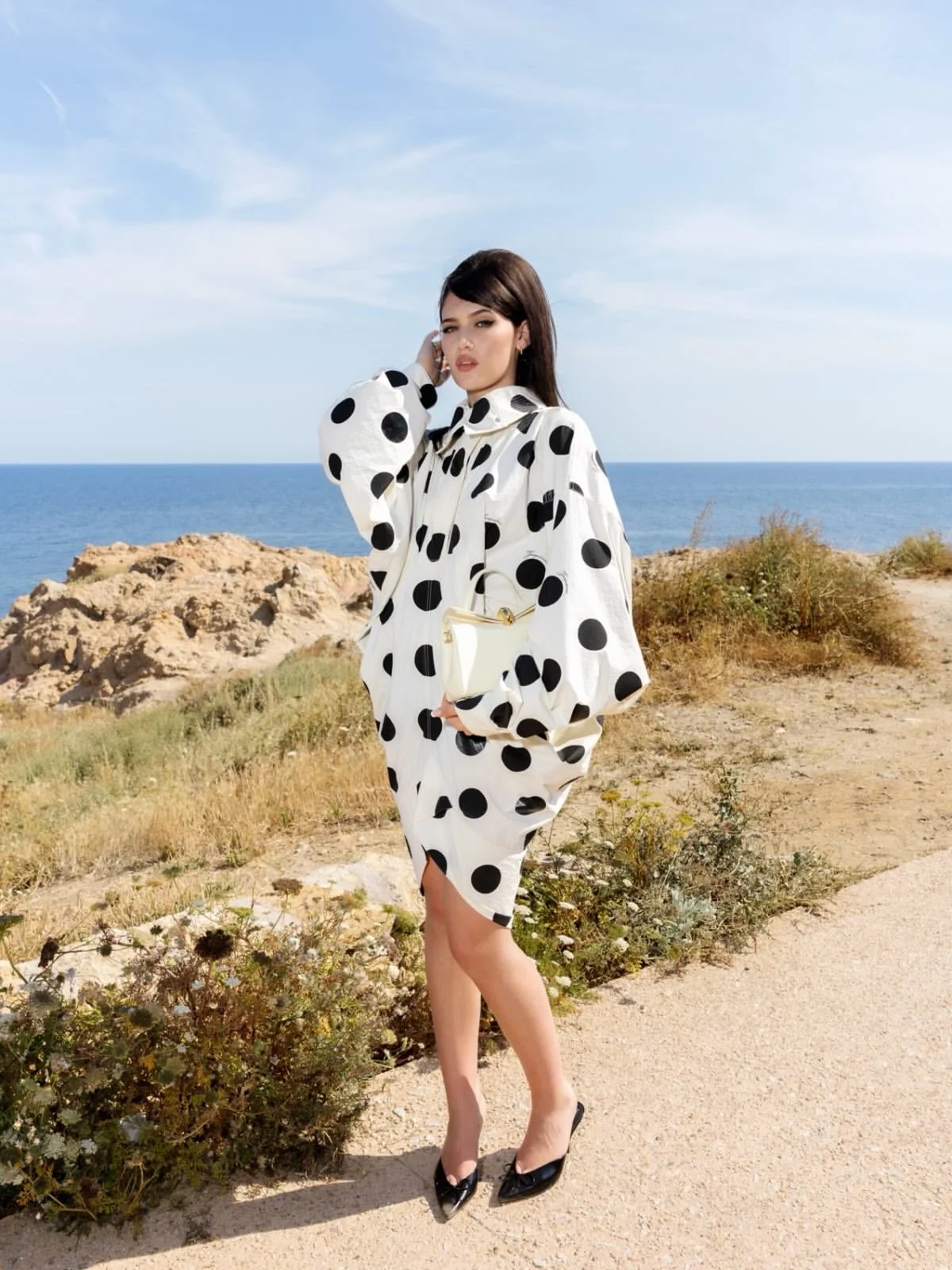
Sienna Spiro’s debut album “Visitor” unveils with the kind of expectations usually reserved for artists several projects into their careers. After building momentum through emotionally oversized singles and a distinctive, weathered vocal style, the London singer has released Visitor, her first full-length statement. Released on July 3, 2026, through Capitol Records, “Visitor” contains 10 tracks in its standard edition. The album includes “Die on This Hill,” the title track, “You Stole the Show” and several new songs designed to move Spiro beyond the viral-breakout phase of her career. The central appeal is immediately recognizable: dramatic songwriting, traditional instrumentation and a voice that sounds deliberately out of step with disposable pop trends. But “Visitor” also reveals an artist trying to understand what happens when sudden visibility collides with a persistent fear that nothing lasts.
The standard edition opens with “This Is My House” and continues with “We’re Not in Love,” “Great Expectation,” “Die on This Hill,” “He’s Not My Baby, I’m His,” “Pure,” “The Visitor,” “Time, You & Me,” “You Stole the Show” and “Mono No Aware.” The sequencing places Spiro’s most recognizable ballad, “Die on This Hill,” near the centre rather than using it as an opening statement. That decision gives the album space to establish a broader identity before returning listeners to the song that powered much of her international rise.
“Die on This Hill” remains an important reference point. Its piano-led arrangement and escalating vocal performance helped introduce Spiro as a singer comfortable with emotional excess. Vogue reported that the song developed from an initially more upbeat idea before producers Omer Fedi and Michael Pollack helped reshape it into the ballad audiences now know. Elsewhere, “This Is My House” brings a fuller soul arrangement, while “The Visitor” places the album’s central theme into sharper focus. The project repeatedly examines attachment, insecurity and the fear of becoming temporary in another person’s life.
Spiro has described the album as being rooted in her fear of impermanence and the feeling that her presence may only be temporary. That anxiety gives Visitor a concept without forcing every song into a rigid narrative. The title works on several levels. A visitor can be welcomed but never fully settled. They can become emotionally important while still carrying the expectation that they will eventually leave. Spiro uses that uncertainty to explore romantic relationships, personal identity and the instability that can accompany rapid success. It is a fitting subject for an artist whose career has accelerated quickly. Vogue reported that Spiro had accumulated approximately 1.2 billion global streams by the time of the album’s release, while her growing profile had already taken her from social-media performances to major television appearances and international touring. That rise makes the album’s concern with transience feel more meaningful. Visitor is not simply asking whether a relationship will last. It also appears to question whether fame, attention and artistic momentum can provide a genuine sense of permanence.
Spiro’s strongest differentiator is her commitment to classic pop and soul structures. The production frequently places her voice against piano, strings and live-band arrangements rather than burying it beneath dense electronic layers. Apple Music characterizes the album through its raw songwriting, timeless approach and Spiro’s unusually mature vocal presence. That style will inevitably generate comparisons with powerhouse singers from earlier eras. Those comparisons may help new listeners understand her sound, but they can also create a creative trap. Spiro’s long-term challenge will be proving that her dramatic delivery represents a personal language rather than a carefully polished revival of familiar ballad traditions.
Critical reaction has already reflected that tension. The Guardian praised moments such as “Die on This Hill” and the fuller soul sound of “This Is My House,” while arguing that parts of the album rely too heavily on established vocal and songwriting templates. Even that criticism highlights why Visitor is worth discussing. Spiro is attempting a style that depends on conviction. Traditional ballads can feel timeless when the emotion lands, but overly familiar when the writing does not provide enough nuance.
A successful single can introduce a voice. A debut album must introduce an artist. “Visitor” gives Spiro enough room to demonstrate that “Die on This Hill” was not an isolated moment. The record establishes recurring concerns, a clear visual and musical identity, and a preference for performances that prioritize emotional impact over understatement. It also positions her within a wider return to large-scale, vocal-driven pop. At a time when many emerging artists favour intimate bedroom production or fragmented, streaming-friendly songs, Spiro is moving in the opposite direction. Her music reaches for cinematic arrangements and choruses meant to feel larger than the room in which they were written.
Whether Visitor becomes a lasting debut will depend on which songs connect beyond the existing singles. But it already succeeds in making Spiro’s ambitions clear. She is not interested in sounding temporary—even when impermanence is the subject occupying her mind.
Visitor introduces Sienna Spiro as a singer drawn to grand emotions, traditional arrangements and songs that demand full vocal commitment. The album’s examination of impermanence gives its dramatic sound a unifying purpose, while tracks such as “Die on This Hill,” “The Visitor” and “This Is My House” reveal different sides of her developing identity. It is a confident debut from an artist learning how to turn rapid success into something built to last.
Enjoyed the read? Consider showing your support by leaving a tip for the writer
TRENDING NOW



CONNECT WITH US





FEATURED



Laeky’s “caller waiting” is built from emotional exposure, but its production refuses to collapse into fragility. The Australian artist threads syncopated acoustic guitar riffs through understated indie-pop drums, subtle bass, and soft synth textures, creating a frame that feels both restless and suspended. Her sultry, yearning vocal…