
The Rise of Background Music Culture: Are People Truly Listening Anymore?
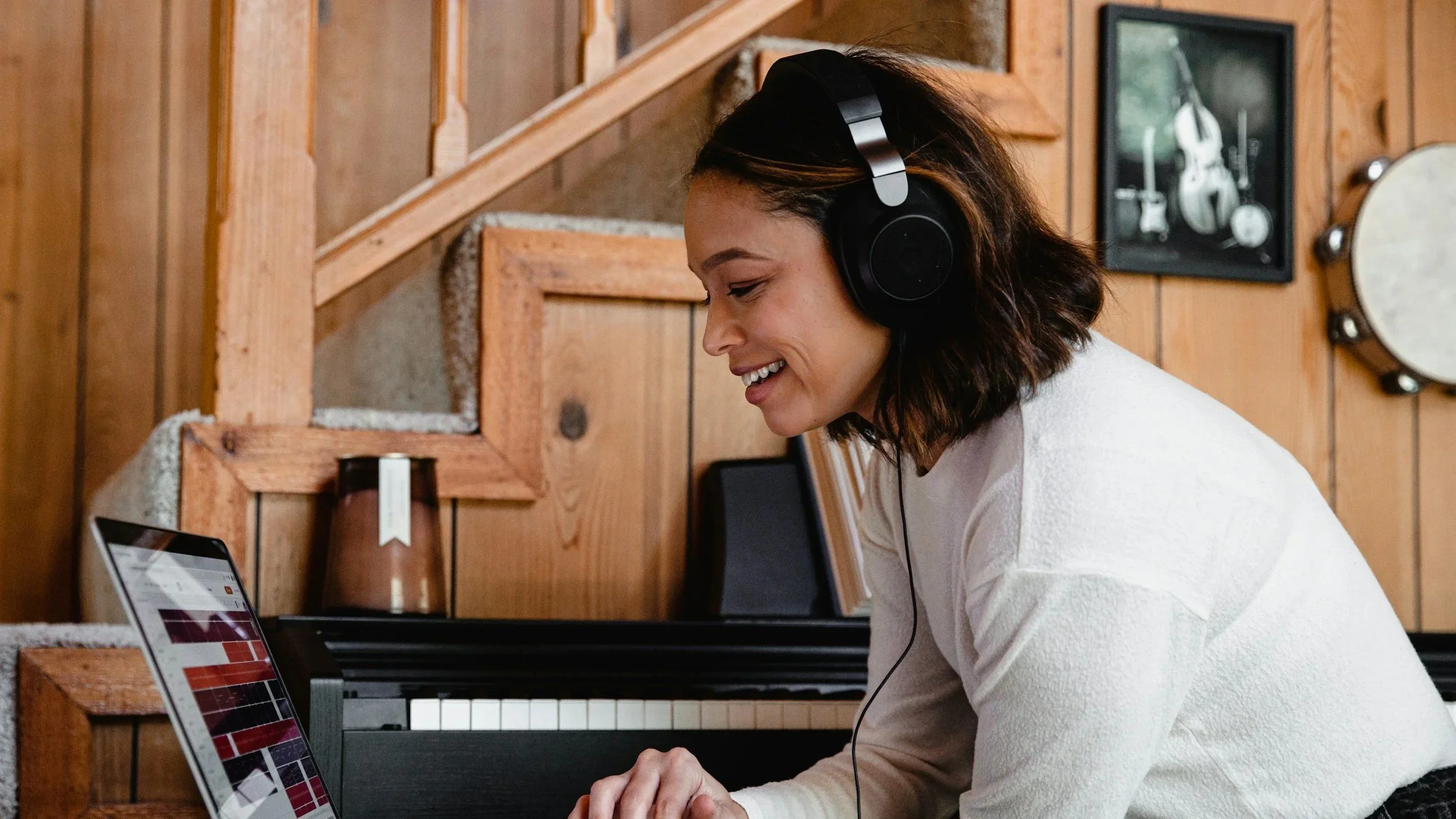
Music has never been more available, yet it has rarely felt more invisible. It follows us through grocery stores, gyms, cafés, study sessions, elevators, bedrooms, commutes, gaming streams, TikTok edits, restaurant bathrooms, hotel lobbies, productivity playlists, and late-night doom-scrolling rituals. It fills the silence before we even notice silence exists. In one sense, this is a golden age of access: almost every song imaginable is a few taps away. In another sense, it may be the age in which music is heard constantly but listened to less intensely.
This is the paradox of background music culture. We are surrounded by sound, but often detached from the act of listening. Music has become less of an event and more of an atmosphere — less like a painting you stand in front of, more like wallpaper you forget is there.
According to IFPI’s global music engagement research, people are spending more time with music than ever, averaging more than 20 hours of listening per week in recent reporting. The same research also points to a fragmented listening environment, where people engage with music through many different platforms, formats, and contexts. In other words, music consumption is expanding, but attention is being stretched across more surfaces. That shift has changed the emotional function of music. For previous generations, listening often required a small ritual: buying a record, placing a CD into a stereo, waiting for the radio to play a favourite song, reading liner notes, rewinding a cassette, or borrowing an album from someone whose taste mattered. Music demanded presence because access was limited. Scarcity created reverence.
Streaming destroyed that scarcity, mostly for the better. It democratized discovery, gave independent artists global reach, and allowed listeners to travel through eras, countries, genres, and scenes without needing permission from radio gatekeepers. But abundance has its own strange cost. When everything is available, nothing automatically feels sacred. The modern listener often does not ask, “What album do I want to experience?” They ask, “What sound will help me study, sleep, work, drive, cook, clean, relax, focus, or feel cinematic for 12 minutes?” Music is increasingly selected by function rather than authorship. Instead of seeking a specific artist, many listeners seek a condition: calm, sad, focused, romantic, nostalgic, expensive, rainy, villainous, soft, spiritual, or “main character.” This is why mood-based and activity-based playlists matter so much. They reorganize music around utility. A song is no longer only judged by melody, lyrics, performance, or originality. It is judged by whether it fits a situation. Can it sit under a vlog? Can it make studying feel less tedious? Can it provide emotional lighting for a walk? Can it create the illusion of depth without interrupting productivity?
Research into Spotify playlists has examined how music is increasingly grouped around moods, movement, and listening situations rather than only traditional genre categories. This reflects a wider cultural transformation: music is no longer merely something people choose because of who made it, but because of what it helps them do or feel in a particular moment. There is nothing inherently wrong with this. Music has always had ambient uses. People have worked to music, danced to music, prayed to music, eaten to music, exercised to music, and fallen asleep to music for centuries. The problem is not that music sometimes becomes background. The problem begins when background becomes the dominant mode, and the listener forgets how to meet music face-to-face.
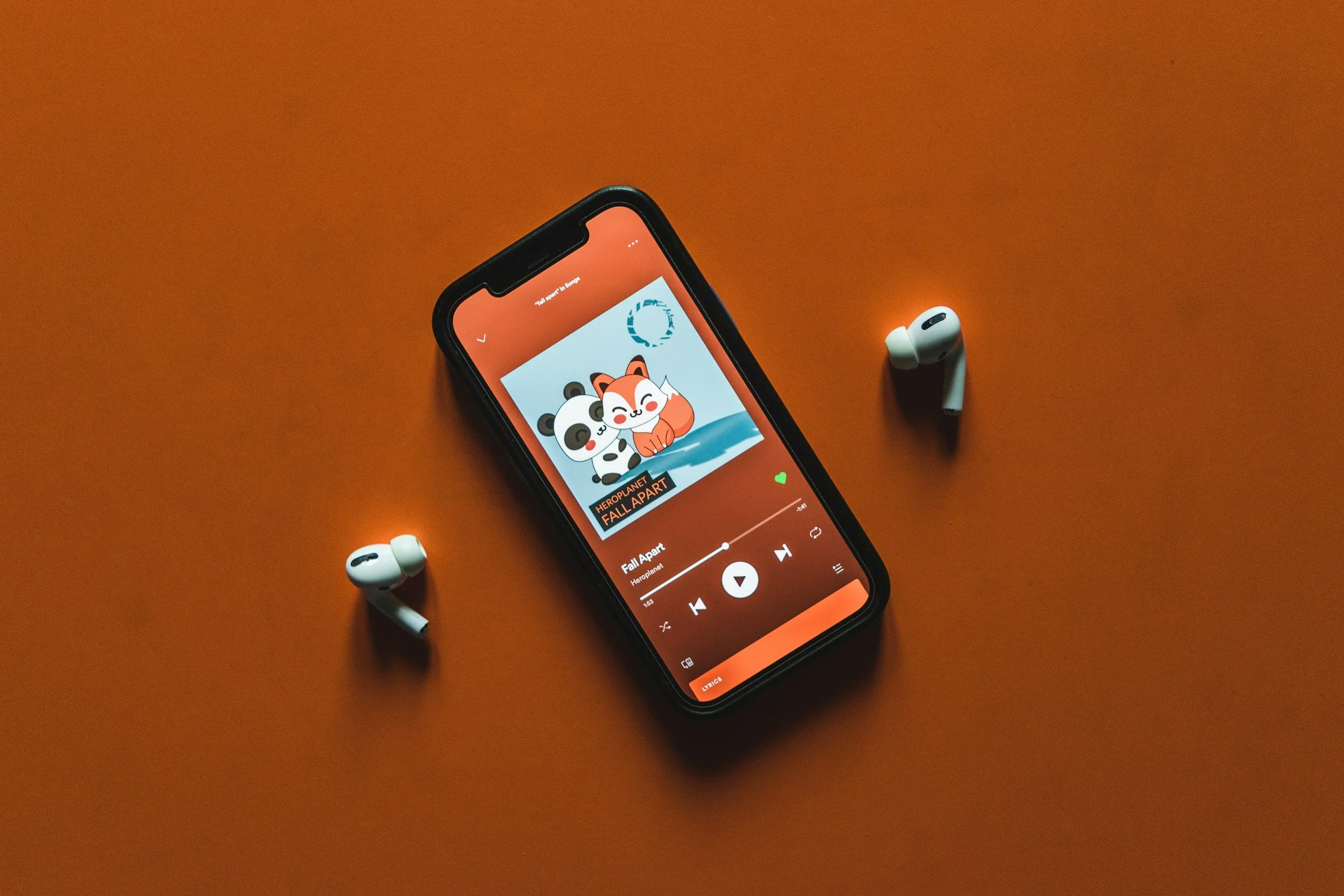
A song designed for the background often behaves differently from a song designed as an experience. It tends to avoid sharp edges. It may reduce dynamic drama. It may favour gentle textures, predictable chord loops, soft vocals, pleasant repetition, and emotional vagueness. It does not demand too much because demanding too much would make it less useful. It becomes frictionless.
Frictionless music is easy to live with. It is also easy to forget.
This creates a quiet dilemma for artists. The streaming economy rewards repeatability, playlist compatibility, and low-resistance listening. A song that blends neatly into an algorithmic environment may travel farther than a song that asks the listener to stop, think, and feel something inconvenient. For emerging artists especially, there is pressure to create music that can slide into a mood playlist rather than disrupt the room with a singular identity. That pressure can flatten the imagination. If every song is engineered to be “pleasant enough,” “vibey enough,” and “non-invasive enough,” then music begins to lose some of its sacred unruliness. The strange bridge disappears. The risky vocal take disappears. The uncomfortable lyric disappears. The seven-minute outro disappears. The bizarre instrumental choice disappears. The song becomes perfectly usable — and spiritually disposable.
This is where background music culture intersects with the broader culture of “vibes.” In today’s digital environment, the vibe often matters more than the object itself. People may not remember the title of a song, the artist’s name, or the album it came from, but they remember that it matched a certain aesthetic. The Guardian has described the rise of “vibes” as a major force across culture, politics, fashion, and music — a shift where emotional atmosphere often outweighs factual or structural engagement. In music, this means the song becomes part of a mood-board economy. It exists beside coffee foam, neon signs, rainy windows, gym mirrors, outfit checks, desk setups, and curated sadness. It soundtracks identity rather than challenging it. The listener does not always enter the music; the music enters the listener’s personal branding.
This does not mean people no longer love music. That would be too cynical. People still form deep attachments to songs. They still cry to albums, obsess over artists, attend concerts, collect vinyl, decode lyrics, and build entire emotional histories around sound. In fact, live music’s continued power suggests that people still crave musical experience when it feels communal, embodied, and unrepeatable. But everyday listening has changed. Much of it is now multitasked. Music plays while attention is elsewhere. It competes with notifications, screens, work, errands, and emotional exhaustion. The listener may enjoy the song without truly entering it. The chorus passes. The second verse passes. The bridge arrives while an email is being answered. The song ends, and nobody knows what happened inside it.
This has consequences for songwriting. If listeners are distracted, artists may front-load songs with instant hooks, shorter intros, familiar patterns, and immediate emotional cues. The streaming skip economy has trained many creators to fear patience. A slow-building song may be beautiful, but beauty does not always survive the first 15 seconds of distracted evaluation. It also affects albums. The album was once a listening architecture, a designed passage from one emotional room to another. In background music culture, the album can become a content reservoir — a place where songs are extracted, shuffled, playlisted, clipped, and detached from their original sequence. The experience becomes fragmented. The room is dismantled and sold as furniture.
This is not entirely tragic. Some albums deserve to be dismantled. Some playlists are brilliant acts of curation. Some background listening leads people toward deeper discovery. A listener may first encounter an artist through a study playlist, then later become a devoted fan. Ambiance can be a doorway. The danger is when it becomes the whole house. Music as ambiance and music as experience are not enemies. They are different modes of attention. Ambiance supports life. Experience interrupts it. Ambiance helps us move through the day. Experience asks us to stop and confront what the day has done to us. Ambiance is useful. Experience is transformative.
The healthiest music culture needs both.
There are moments when we need music to soften the room, make work bearable, or give shape to loneliness without demanding explanation. But there must also be moments when music is allowed to be central — when we sit with an album, follow the lyrics, notice the bassline, feel the drum pocket, admire the mix, question the structure, and let the song alter the weather inside us.
For artists, the challenge is to resist becoming merely decorative. The modern industry may reward music that behaves like scented air, but the songs that endure usually carry more weight. They have a point of view. They contain tension. They leave fingerprints. They cannot be fully reduced to “chill,” “sad,” “focus,” or “late-night drive.” They are not just useful; they are alive.
For listeners, the challenge is to recover intentionality. That does not mean abandoning playlists or pretending every listening session must be solemn and scholarly. It simply means occasionally giving music the attention it deserves. One album, no scrolling. One song, no multitasking. One voice, fully heard. This small act now feels almost radical.
The rise of background music culture tells us something about modern life. People are overstimulated, tired, lonely, productive, anxious, and constantly surrounded by media. Music has become a companion through that fog. But companionship is not the same as communion. To hear music is easy. To listen is an act of devotion.
So, are people truly listening anymore?
Sometimes, yes. Often, no. More accurately, people are listening in layers. They use music as atmosphere, identity, therapy, decoration, productivity tool, memory trigger, and emotional prosthetic. But the deeper form of listening — the kind that turns a song into an encounter — requires something the modern world keeps trying to steal from us: attention.
And perhaps that is the real question. Music has not lost its power. We have simply made it compete with everything else.
Enjoyed the read? Consider showing your support by leaving a tip for the writer
Featured






Follow Us












Laeky’s “caller waiting” is built from emotional exposure, but its production refuses to collapse into fragility. The Australian artist threads syncopated acoustic guitar riffs through understated indie-pop drums, subtle bass, and soft synth textures, creating a frame that feels both restless and suspended. Her sultry, yearning vocal…