
The Rolling Stones Release Foreign Tongues: Inside Their Latest Rock Chapter

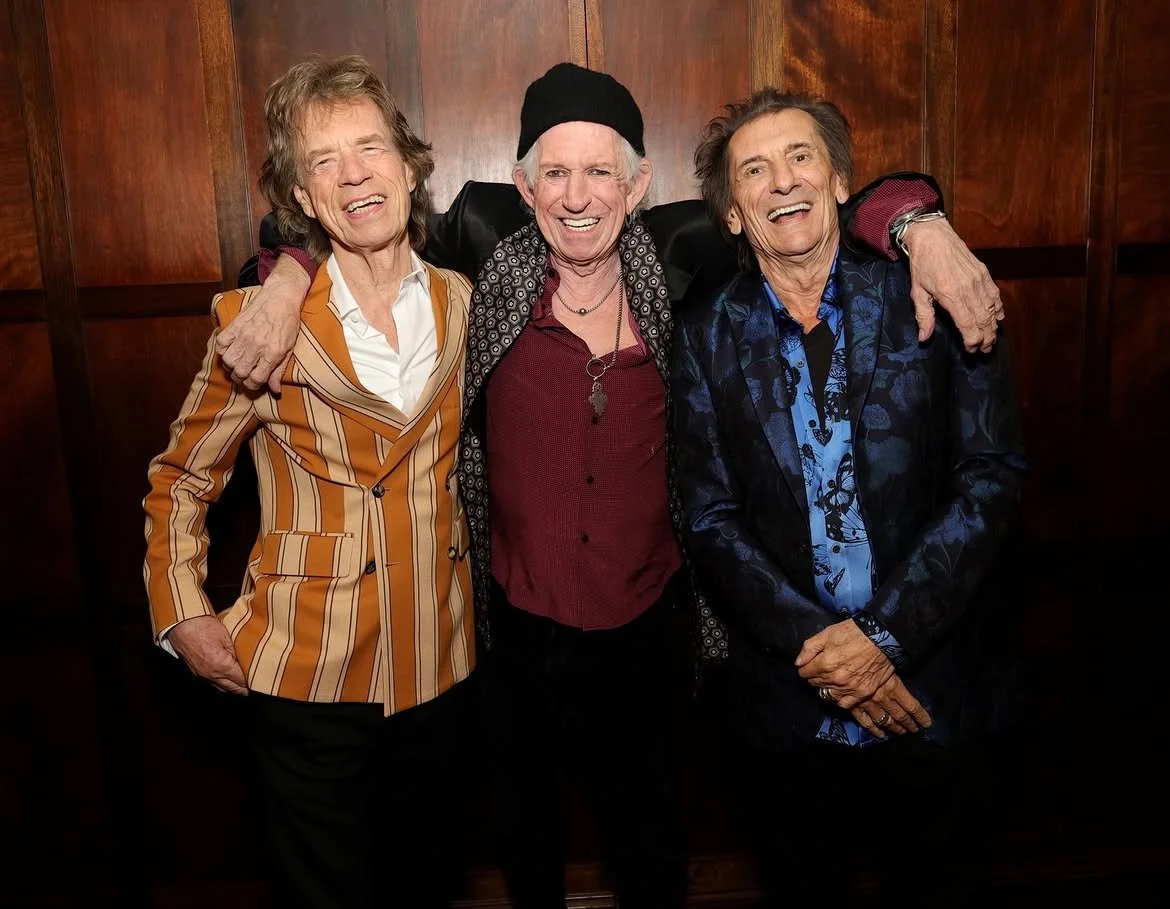
The Rolling Stones are no longer treating new studio music like a rare historical event. Less than three years after Hackney Diamonds revived their album-making momentum, Mick Jagger, Keith Richards and Ronnie Wood have returned with “Foreign Tongues,” another record designed to keep the band moving rather than looking backward. Released July 10 through Capitol Records, “Foreign Tongues” is a 14-track collection produced by Andrew Watt. The album features contributions from Paul McCartney, Steve Winwood and the Cure’s Robert Smith, alongside an appearance from the late Rolling Stones drummer Charlie Watts. It is an extraordinary position for a band formed more than six decades ago. The Stones are not simply repackaging their catalogue or relying on anniversary tours. They are building what increasingly looks like a genuine late-career creative chapter.
The clearest context for “Foreign Tongues” is 2023’s Hackney Diamonds. That album ended an 18-year wait for a full collection of new Rolling Stones originals and subsequently won the Grammy Award for best rock album. Instead of allowing that comeback to stand alone, the group quickly returned to the studio with Watt. Jagger described the Foreign Tongues sessions as an intense period during which the musicians worked as rapidly as possible. Richards, meanwhile, characterized the record as having a direct continuity with Hackney Diamonds, strengthened by the experience of recording in London.
That connection can be heard in the album’s scale and attitude. “Foreign Tongues” does not attempt to redesign the Stones for a younger market. Its foundation remains blues, country and rough-edged rock ’n’ roll, but the performances carry the urgency of musicians who recognize that creative momentum cannot be taken for granted. “Rough and Twisted,” which opens the record, establishes that tone through a blues-heavy groove built for a large stage. The more melodic “In the Stars” provided the album’s first widely available preview after the band introduced the project through a secretive campaign involving its old “Cockroaches” alias.
The guest list makes Foreign Tongues feel like a conversation across generations of British music. Paul McCartney plays bass on “Covered in You,” continuing a studio relationship renewed on Hackney Diamonds. Steve Winwood contributes organ, while Robert Smith appears on guitar and backing vocals. Bruno Mars also provides cowbell on “Never Wanna Lose You.”
These appearances could easily have overwhelmed the album’s identity, but the guests largely operate inside the Rolling Stones’ established language. They add colour without turning the project into a celebrity compilation. McCartney’s presence is especially symbolic. The Beatles and the Stones have been framed as rivals for much of pop history, yet their surviving members now appear increasingly comfortable contributing to one another’s work. On Foreign Tongues, the collaboration feels less like a novelty than another piece of the record’s wider theme: rock history remains active when artists continue creating together.
The most significant appearance belongs to Charlie Watts, who died in 2021. Watts plays drums on “Hit Me in the Head,” a performance recorded in Los Angeles before his death. Steve Jordan handles drums elsewhere on the project, but Watts’ presence creates a direct link between the current Stones and the rhythmic foundation that defined the band for decades. The track is not presented as a sentimental memorial detached from the rest of the album. It is a working Rolling Stones recording, driven by Watts’ unmistakable sense of restraint and swing. That makes it more affecting. Listeners are not only being asked to remember him; they are hearing him participate in the band’s unfinished creative history.
Keith Richards also supplies one of the album’s reflective moments with his lead vocal on “Some of Us,” while Jagger moves between sharp humour, romantic frustration and political unease. “Ringing Hollow,” for example, examines a deteriorating relationship with modern America, giving the record a topical edge beyond its familiar themes of desire and survival.
“Foreign Tongues” closes by looking toward the music that shaped the band. The album includes a version of Amy Winehouse’s “You Know I’m No Good,” with Jagger contributing vocals and harmonica. Its final track is a cover of Chuck Berry’s “Beautiful Delilah.” That Berry selection carries particular weight. Jagger and Richards famously reconnected as teenagers after Richards noticed Jagger carrying blues and rock ’n’ roll records at a train station. Ending the album with Berry is therefore more than a stylistic exercise. It brings the Stones back to the musical language that helped begin their partnership.
To Conclude Foreign Tongues extends the creative momentum the Rolling Stones recovered with Hackney Diamonds. Its mix of new originals, carefully placed guests, musical tributes and Charlie Watts’ archival performance connects the band’s past with its present without turning the album into a nostalgia exercise. More than six decades into their career, the Stones still sound most convincing when they behave like a working rock band.
Enjoyed the read? Consider showing your support by leaving a tip for the writer
TRENDING NOW









CONNECT WITH US







FEATURED



Laeky’s “caller waiting” is built from emotional exposure, but its production refuses to collapse into fragility. The Australian artist threads syncopated acoustic guitar riffs through understated indie-pop drums, subtle bass, and soft synth textures, creating a frame that feels both restless and suspended. Her sultry, yearning vocal…