
Justin Bieber’s 2026 AMAs Win Proves Canada Still Shapes Global Pop Music
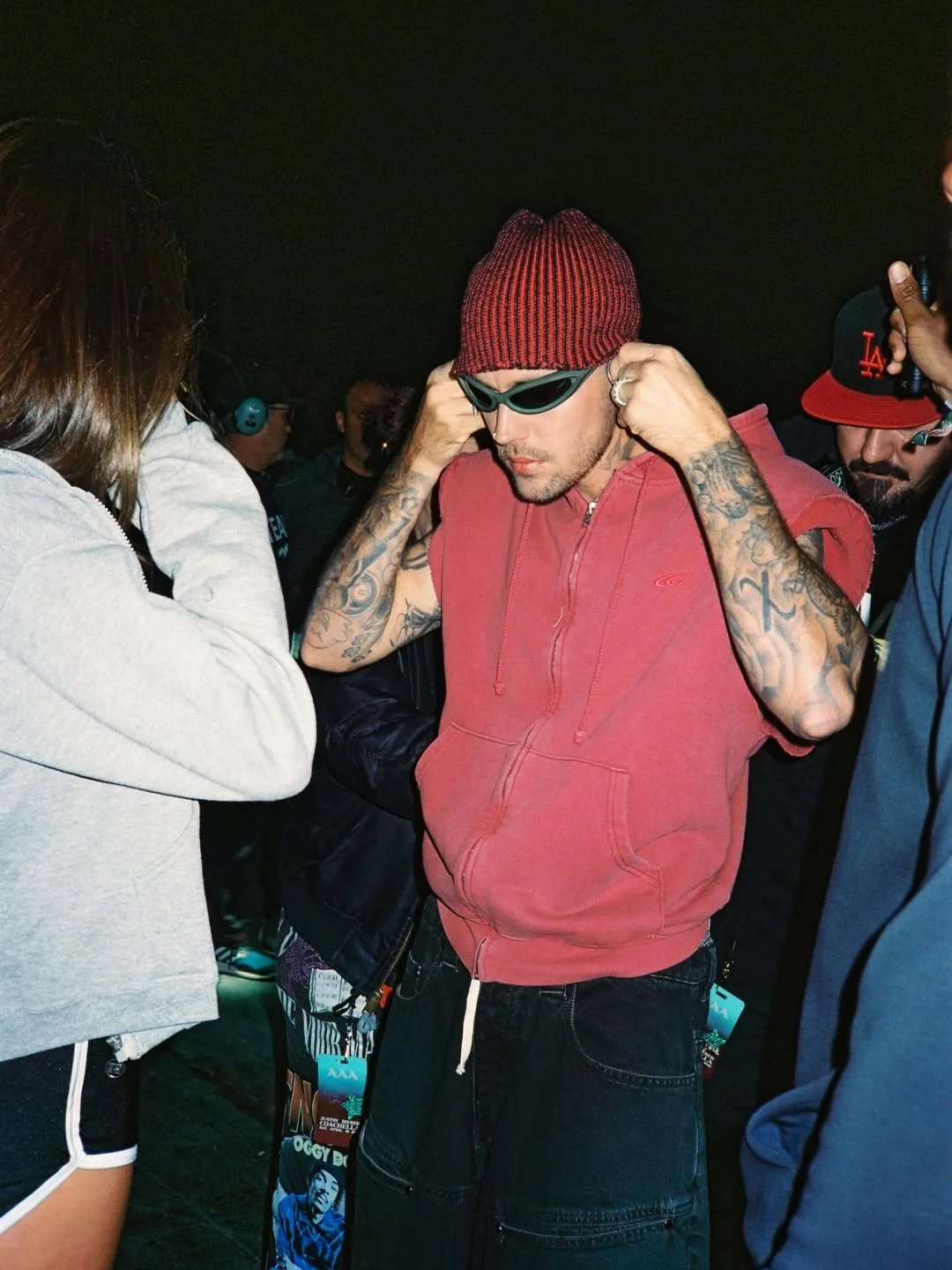
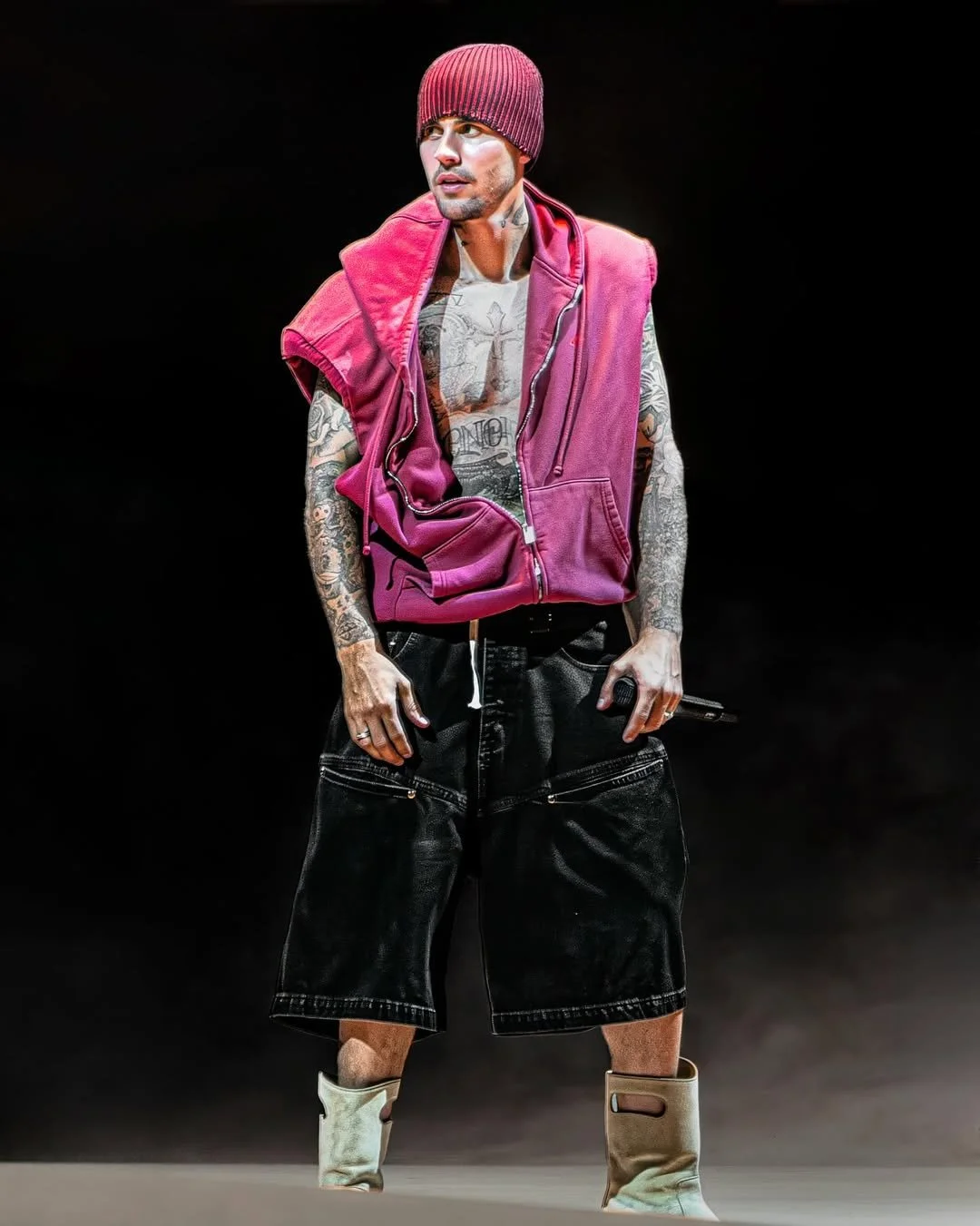
Justin Bieber winning Best Male Pop Artist at the 2026 American Music Awards is more than another award-show headline. It is a reminder that Canada continues to punch far above its weight in global pop music. In a year crowded with massive international acts, viral breakout stars, K-pop dominance, and Latin music’s continued expansion, Bieber’s victory shows that Canadian artists are still helping define the mainstream sound.
The 2026 AMAs took place on May 25 at the MGM Grand Garden Arena in Las Vegas, hosted by Queen Latifah. Bieber’s win was officially listed among the night’s major results, alongside victories for BTS, Bruno Mars, Sabrina Carpenter, KATSEYE, SOMBR, and others. The AMAs are especially meaningful because they are built around fan activity, including streaming, sales, radio airplay, touring, social engagement, and video consumption. That means Bieber’s win was not just symbolic — it reflected real audience demand.
Bieber’s career has always represented a modern version of Canadian pop power. Long before TikTok became the default discovery machine, he was one of the clearest examples of how the internet could turn a young artist from a small Canadian city into a worldwide superstar. From Stratford, Ontario, to global arenas, his rise changed the blueprint for pop discovery.
What makes the 2026 win important is longevity. Bieber is no longer the teenage phenomenon who dominated early social media. He is an adult artist with years of reinvention behind him — from glossy teen-pop to electronic collaborations, R&B-influenced records, acoustic vulnerability, spiritual reflection, and radio-ready pop. Many young stars fade once the novelty disappears. Bieber survived the transition from viral prodigy to long-term pop figure. His victory also fits into a larger Canadian story. Canada has repeatedly produced artists who reshape global music: Drake changed the emotional language of rap, The Weeknd turned dark R&B into stadium pop, Céline Dion became a vocal institution, Shania Twain expanded country-pop, and artists like Shawn Mendes, Tate McRae, Daniel Caesar, and Alessia Cara have continued that export tradition. Bieber’s AMAs win is another piece of that pattern.
Canada’s influence works because its biggest artists often move fluidly between genres. Bieber’s catalogue has touched pop, R&B, EDM, acoustic balladry, tropical pop, and gospel-adjacent songwriting. That flexibility mirrors the global music marketplace, where strict genre lines matter less than mood, identity, and replay value. The win also proves Bieber still has one of pop’s most loyal fanbases. Fan-voted awards reveal who can still mobilize listeners beyond passive streaming. Bieber’s supporters have followed him through public scrutiny, career shifts, personal struggles, and long creative pauses. That kind of loyalty is rare, especially in an era where attention moves with merciless speed.
Still, the award does not mean Bieber’s career is untouched by criticism. Like many long-running stars, he has faced questions about consistency, creative direction, and whether his most dominant years are behind him. But the 2026 AMAs result complicates that narrative. It shows that even after years of evolution, Bieber remains commercially relevant and emotionally connected to a global audience.
Ultimately, Justin Bieber’s 2026 AMAs win is not only about one artist. It is about Canada’s continued presence in the centre of pop culture. From YouTube discovery to award-show recognition more than a decade later, Bieber’s career proves that Canadian music is not secondary to the global industry. It is one of its engines.
Enjoyed the read? Consider showing your support by leaving a tip for the writer
Featured







Follow Us







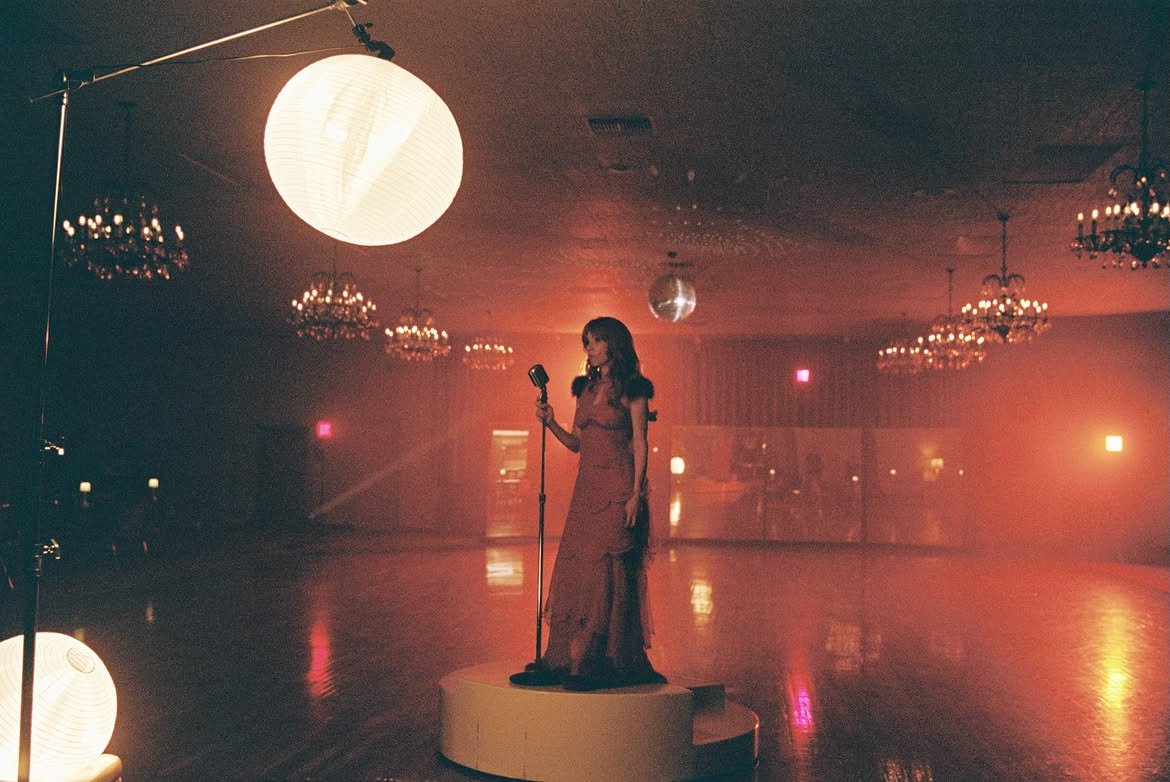
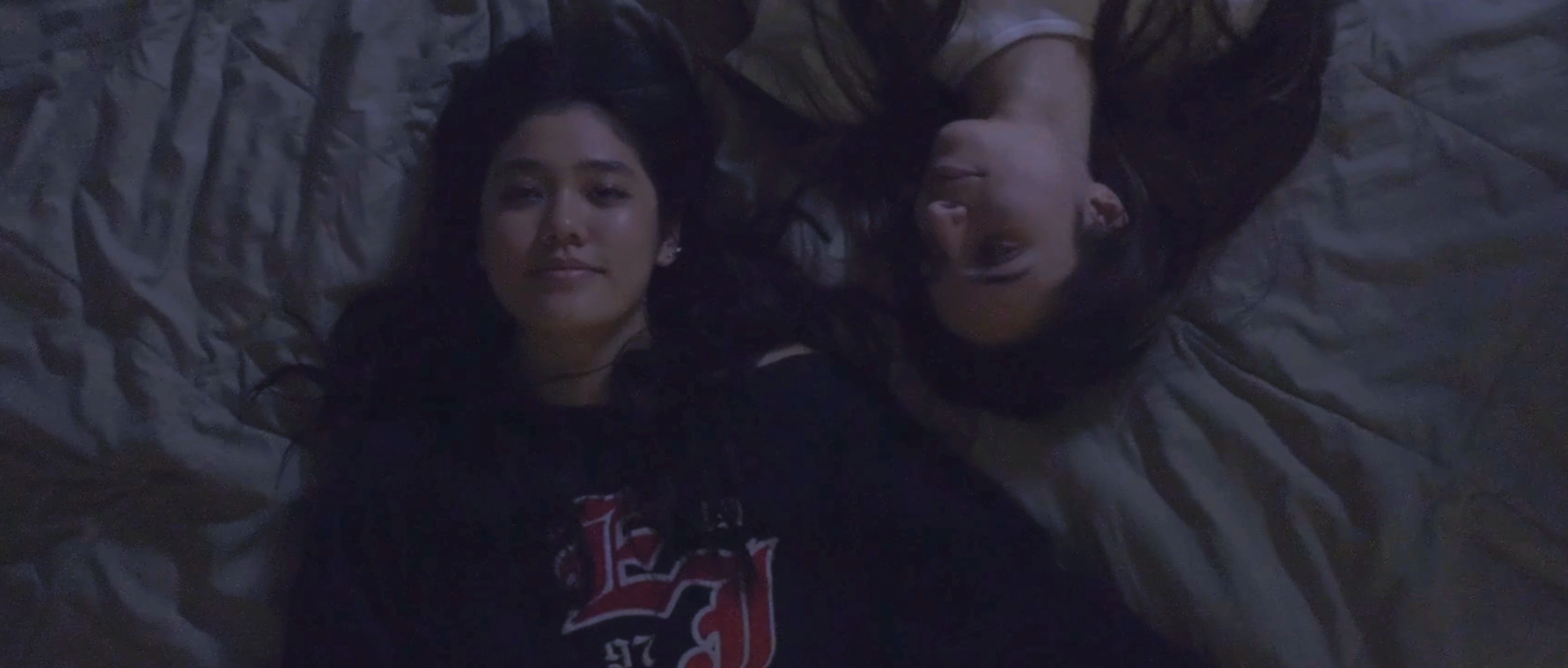




Laeky’s “caller waiting” is built from emotional exposure, but its production refuses to collapse into fragility. The Australian artist threads syncopated acoustic guitar riffs through understated indie-pop drums, subtle bass, and soft synth textures, creating a frame that feels both restless and suspended. Her sultry, yearning vocal…