
Why Michael Jackson’s Legacy Still Feels Untouchable Despite Drake’s Billboard Record
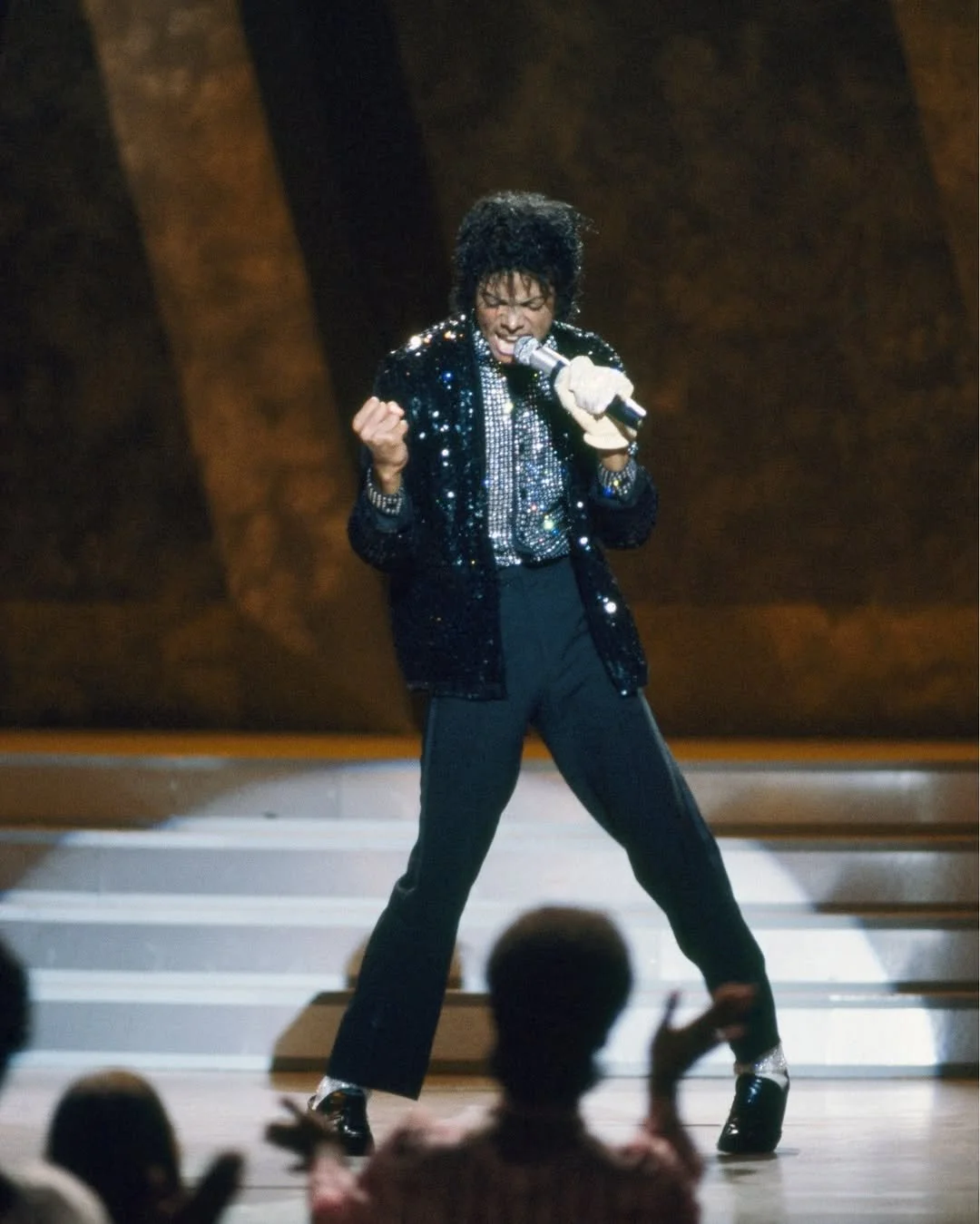
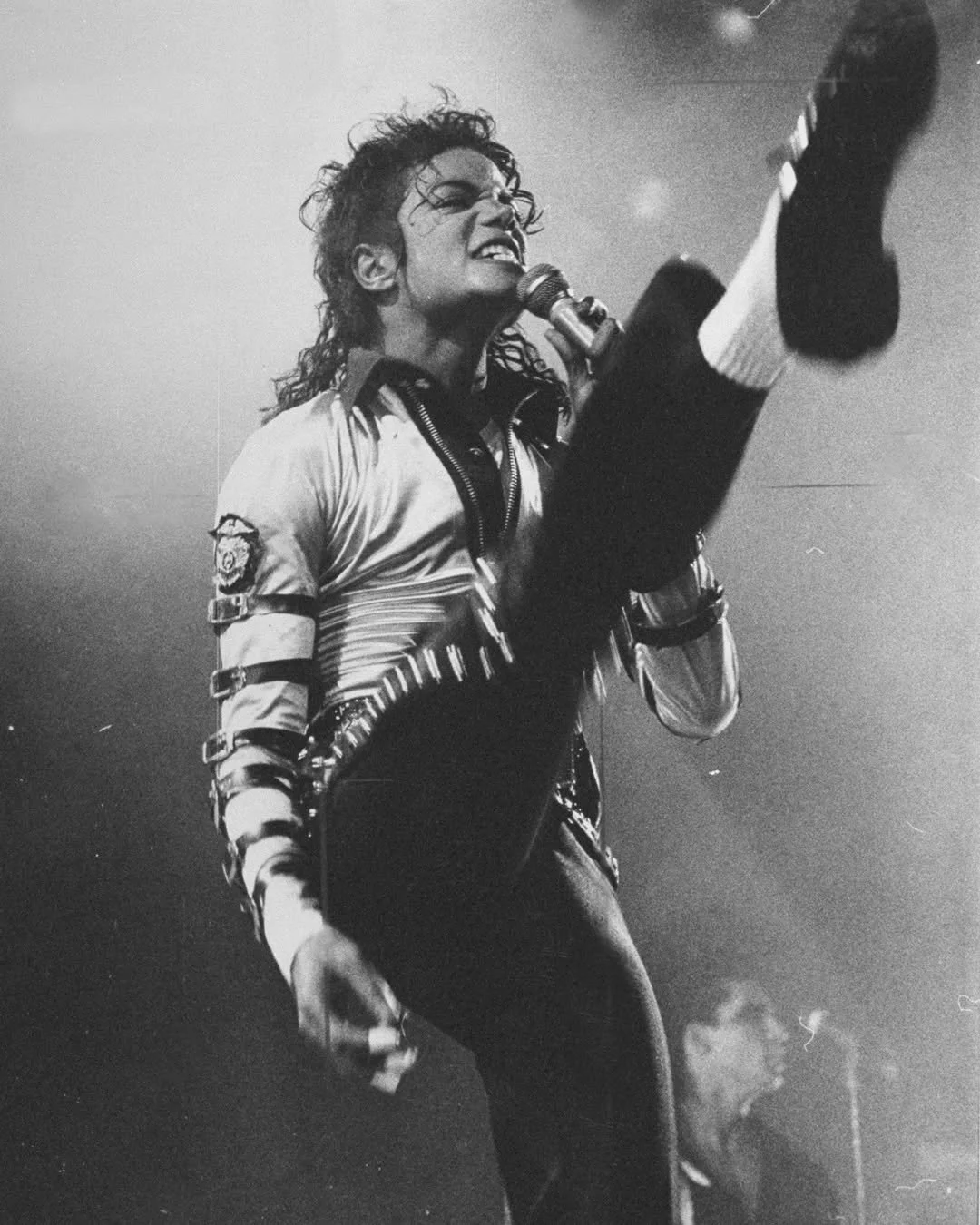
Drake breaking Michael Jackson’s Billboard record is a major music-history moment. With “Janice STFU” debuting at No. 1, Drake reportedly earned his 14th Billboard Hot 100 chart-topper, moving ahead of Michael Jackson’s 13 No. 1 singles among solo male artists. Reports also noted that Drake charted 42 songs on the Hot 100 in the same week and became the first artist to reach 400 total Hot 100 entries.
That is enormous. But even with the record broken, Michael Jackson’s legacy still feels untouchable because his dominance was never only about statistics. It was about transformation.
Drake is the perfect superstar for the streaming era. His power comes from volume, adaptability, constant conversation, playlist reach, surprise releases, viral debate, and an unmatched ability to keep listeners clicking. Whether fans love him, criticize him, defend him, or argue about him, Drake knows how to turn attention into chart movement.
Michael Jackson’s dominance worked differently. MJ ruled during the MTV era, when music videos, television performances, radio, physical sales, and global spectacle shaped popular culture. His hits were not just songs; they were events. “Billie Jean,” “Beat It,” “Thriller,” “Bad,” “Smooth Criminal,” and “Black or White” changed how pop music looked, moved, and felt.
That is the key difference. Drake dominates consumption. Michael Jackson dominated imagination.
The Billboard record proves Drake is one of the most commercially powerful artists in history. But Michael Jackson’s influence lives far beyond chart math. He turned music videos into cinematic statements. He made choreography part of a song’s identity. He created visual signatures — the glove, the hat, the jacket, the moonwalk — that became instantly recognizable around the world.
Drake’s cultural impact is massive, especially in rap and R&B. He changed the emotional language of hip-hop, made vulnerability commercially powerful, and helped shape the sound of streaming-era pop. But Michael Jackson changed the blueprint of global superstardom itself. Every artist who treats a music video like a film, builds an era around fashion, or makes dance central to performance is still operating in a world MJ helped design.
The comparison is also complicated because their eras measured success differently. In Jackson’s time, a No. 1 single usually had to fight through radio, physical sales, video rotation, and mass public recognition. In Drake’s era, every song on an album can be streamed instantly, chart individually, and benefit from algorithmic exposure. That does not make Drake’s achievement less valid. It simply means the mechanics are different.
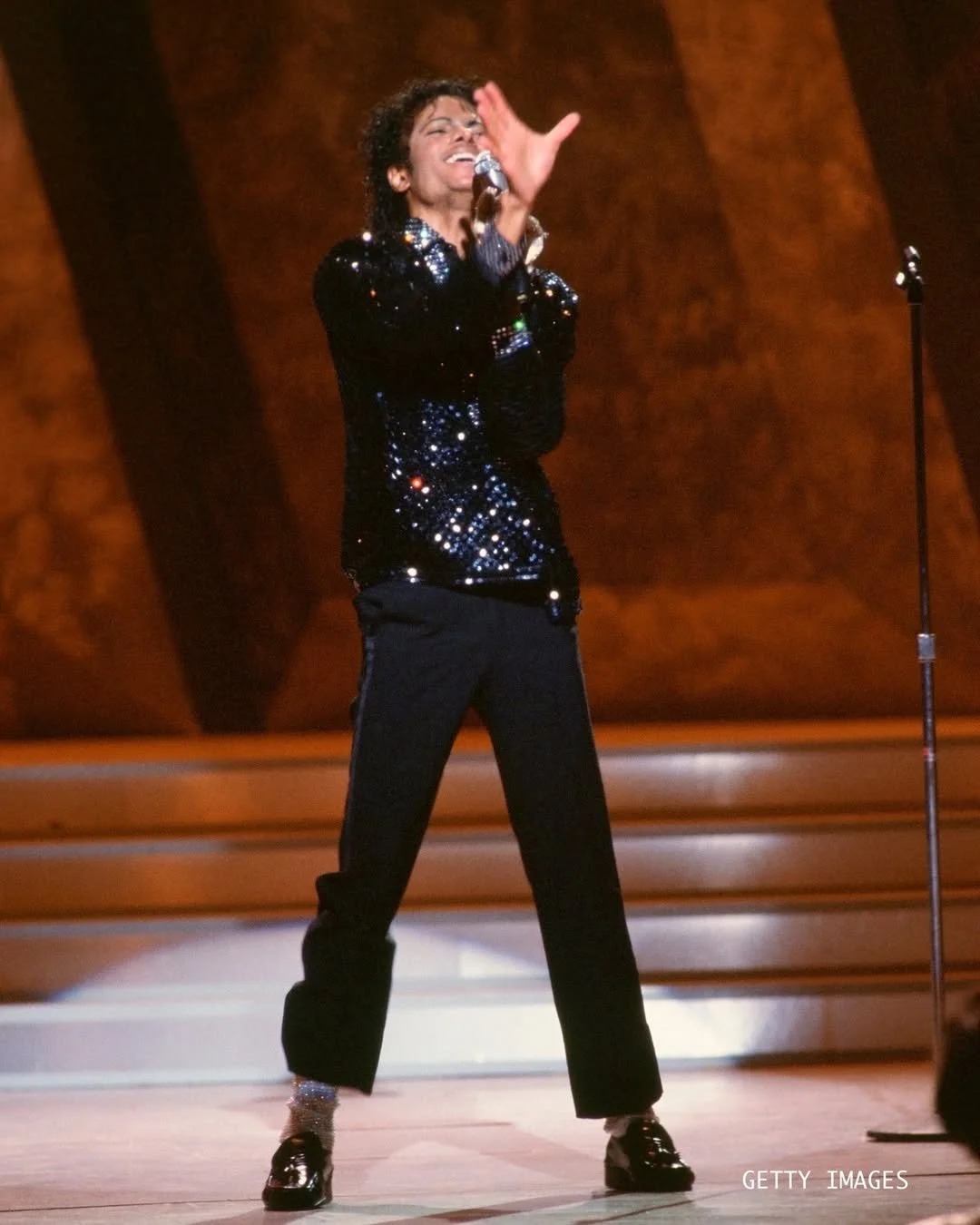
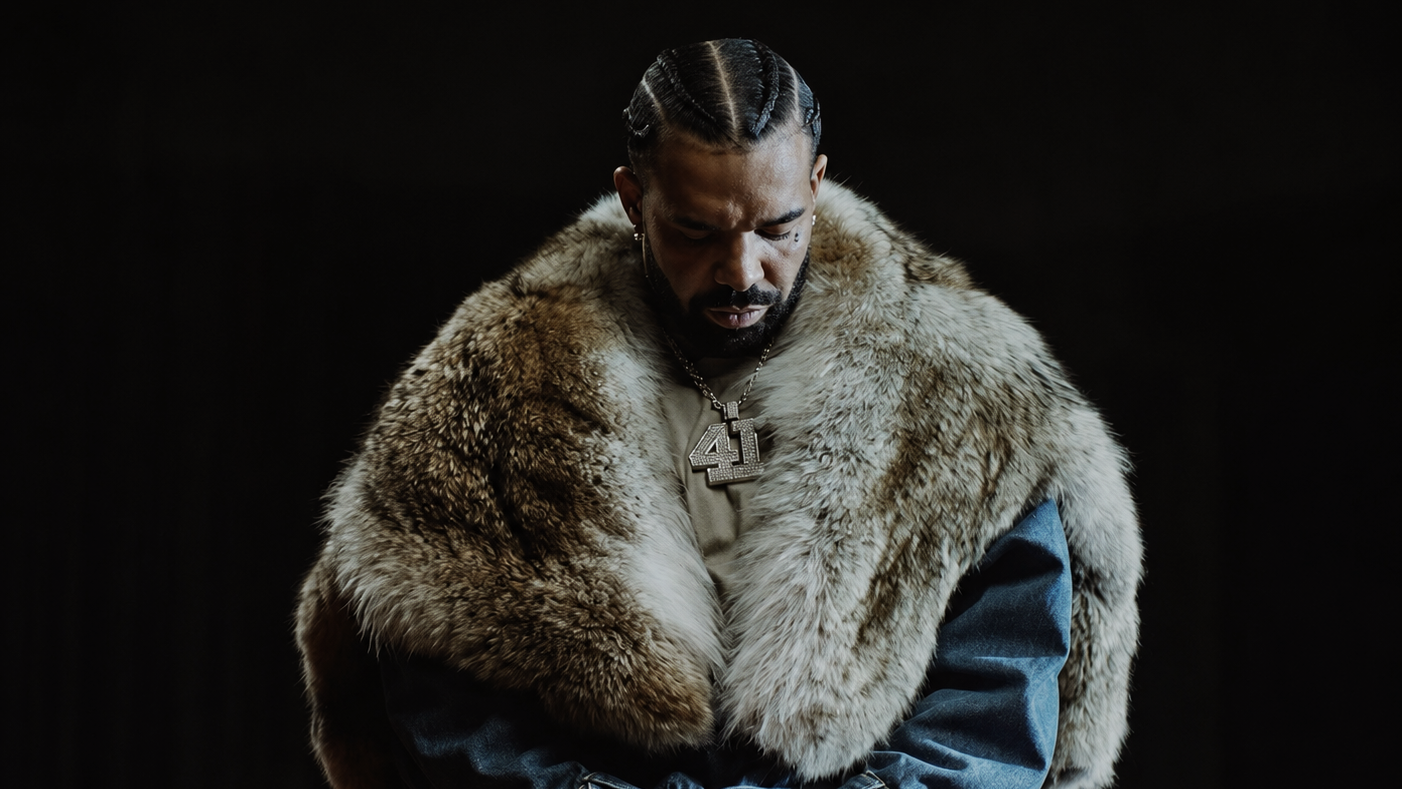
This is why fans can respect Drake’s record while still seeing Michael Jackson as untouchable. Drake may now own the solo male No. 1 statistic, but MJ still owns the mythological space. His peak felt almost supernatural: a rare combination of voice, dance, visuals, mystery, fashion, and performance genius.
Drake’s legacy is built on consistency. Michael Jackson’s legacy is built on astonishment.
That is not an insult to Drake. Passing Michael Jackson in any Billboard category is rarefied territory. It confirms Drake’s longevity, commercial intelligence, and extraordinary command of the streaming era. Very few artists could survive this many career phases, public debates, criticisms, and musical shifts while still making history. But Michael Jackson remains different because he was not just successful inside pop culture. He changed pop culture’s operating system. He made the music video essential. He made global performance feel theatrical. He made a pop star’s image as important as the song itself.
So yes, Drake broke the record. But Michael Jackson’s legacy still feels untouchable because it is bigger than one leaderboard. It lives in movement, fashion, visual storytelling, stagecraft, and the global idea of what a superstar can be.
Drake may be the king of the streaming scoreboard. Michael Jackson remains the blueprint for pop immortality.
Enjoyed the read? Consider showing your support by leaving a tip for the writer
Featured






Follow Us










Laeky’s “caller waiting” is built from emotional exposure, but its production refuses to collapse into fragility. The Australian artist threads syncopated acoustic guitar riffs through understated indie-pop drums, subtle bass, and soft synth textures, creating a frame that feels both restless and suspended. Her sultry, yearning vocal…