
Drake Fans Think “Janice STFU” Is a Joe Budden Diss — Here’s Why
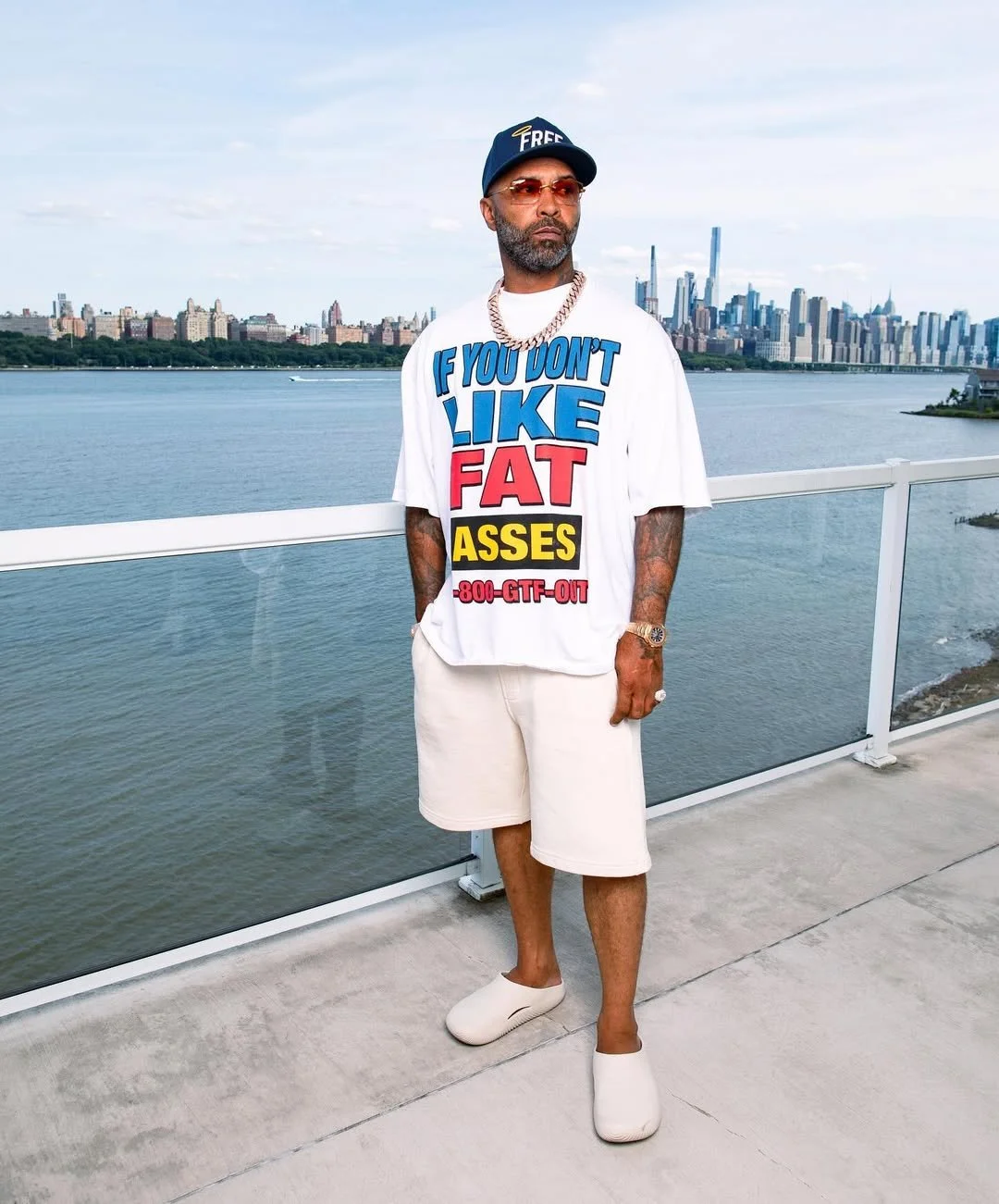
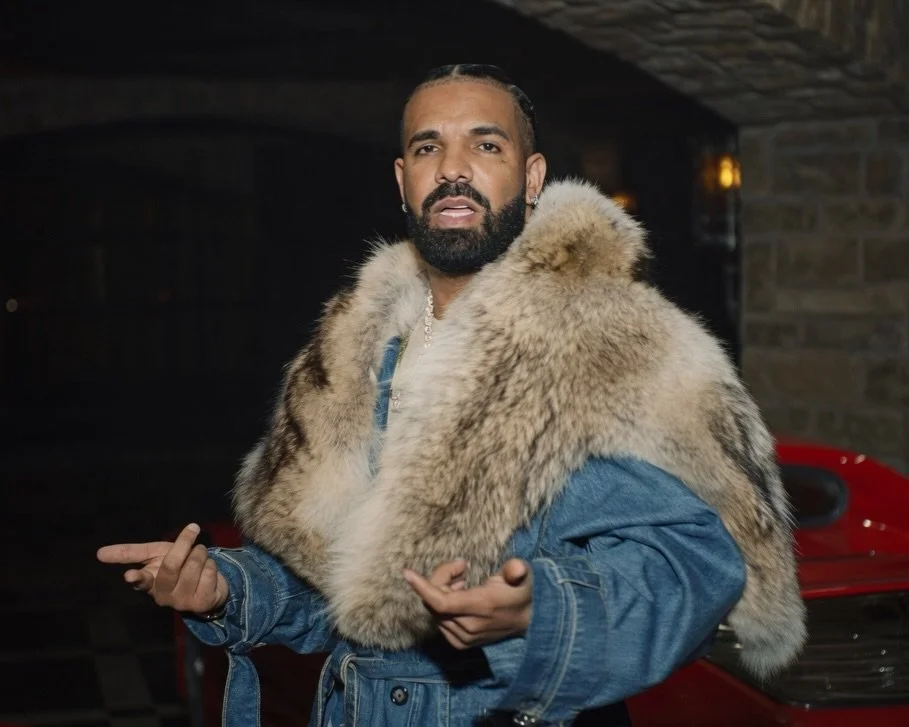
Drake’s “Janice STFU” has already become one of the most talked-about songs from his Iceman era, not only because it debuted at No. 1, but because fans are convinced there may be a Joe Budden diss hidden inside the record. As usual with Drake, the mystery is part of the marketing. One name, one aggressive title, and a few suggestive bars are enough to turn a song into a full investigation.
The theory gained traction after fans began connecting “Janice STFU” to Joe Budden’s past comments, some old video resurfacing, and long-running tension with Drake. In fact, fans found evidence suggesting the song could be aimed at Budden, though Drake has not confirmed the target publicly.
The Drake and Joe Budden tension is not new. Their friction goes back years, especially after Budden criticized Drake’s Views era and later released several diss records. Pitchfork reported in 2016 that Budden had released diss tracks aimed at Drake, including “Wake” and “Making a Murderer (Part 1),” after a dispute involving criticism of Drake’s music and perceived subliminals. Pitchfork also reported that Budden claimed Drake challenged him to release 25 diss tracks, showing how strangely personal and theatrical their back-and-forth had become.
That history is why fans are reading “Janice STFU” so closely. Drake and Budden’s relationship has always existed somewhere between rap rivalry, media commentary, podcast drama, and ego chess. Budden is no longer active as a mainstream recording artist in the same way, but he remains one of hip-hop media’s loudest voices. For Drake, that makes him both an old opponent and a current critic.
The title itself also helps fuel the speculation. “Janice STFU” sounds oddly specific, almost like an inside joke or coded insult. Fans have pointed to Budden’s personal history and old clips as possible clues, while others believe “Janice” may refer to someone else entirely. That ambiguity is exactly why the theory spreads. Drake understands that mystery makes people listen twice.
Another reason the Joe Budden theory spread so quickly is an old podcast clip in which Budden jokingly says his “white woman name” is Janice. That detail gave fans a direct reason to connect the title “Janice STFU” to him. Without that clip, the theory would feel much looser. With it, the title suddenly looks less random and more like the kind of coded insult Drake fans love to dissect. Still, unless Drake confirms the target, the connection should be treated as speculation rather than fact.
The song’s commercial success only made the conversation bigger. “Janice STFU” debuted at No. 1 on the Billboard Hot 100 and helped Drake pass Michael Jackson for the most No. 1 singles among solo male artists, according to XXL’s reporting on the chart milestone. Once a diss theory attaches itself to a No. 1 record, it stops being niche fan gossip and becomes part of the song’s public identity.
Still, the Joe Budden theory says as much about Drake’s audience as it does about the song. Drake fans do not just consume his music; they annotate it. Every lyric becomes a breadcrumb. Every name becomes a possible target. Every title becomes a conspiracy board. That kind of forensic fandom has helped Drake maintain cultural dominance even when the music itself is polarizing.
It also reflects how rap beef has changed. In earlier eras, diss tracks were usually direct, aggressive, and unmistakable. In the streaming era, a diss can be vague enough to deny, sharp enough to trend, and mysterious enough to generate days of content. Drake has mastered that grey zone. He can send a message without fully confirming the recipient.
So, is “Janice STFU” really a Joe Budden diss? Maybe. The history between Drake and Budden makes the theory believable, and fans have found enough connective tissue to keep the debate alive. But until Drake says it directly, it remains speculation.
What is undeniable is that “Janice STFU” has done what Drake songs often do best: dominate the charts, irritate the internet, activate fan detectives, and turn one possible subliminal into a full pop-culture event.
Enjoyed the read? Consider showing your support by leaving a tip for the writer
Featured






Follow Us

I can tell you have good taste, Check out our Playlists on Spotify
⎯
I can tell you have good taste, Check out our Playlists on Spotify ⎯







Laeky’s “caller waiting” is built from emotional exposure, but its production refuses to collapse into fragility. The Australian artist threads syncopated acoustic guitar riffs through understated indie-pop drums, subtle bass, and soft synth textures, creating a frame that feels both restless and suspended. Her sultry, yearning vocal…