
How Punjabi-Canadian Artists Are Reshaping Canada’s Mainstream Music Identity

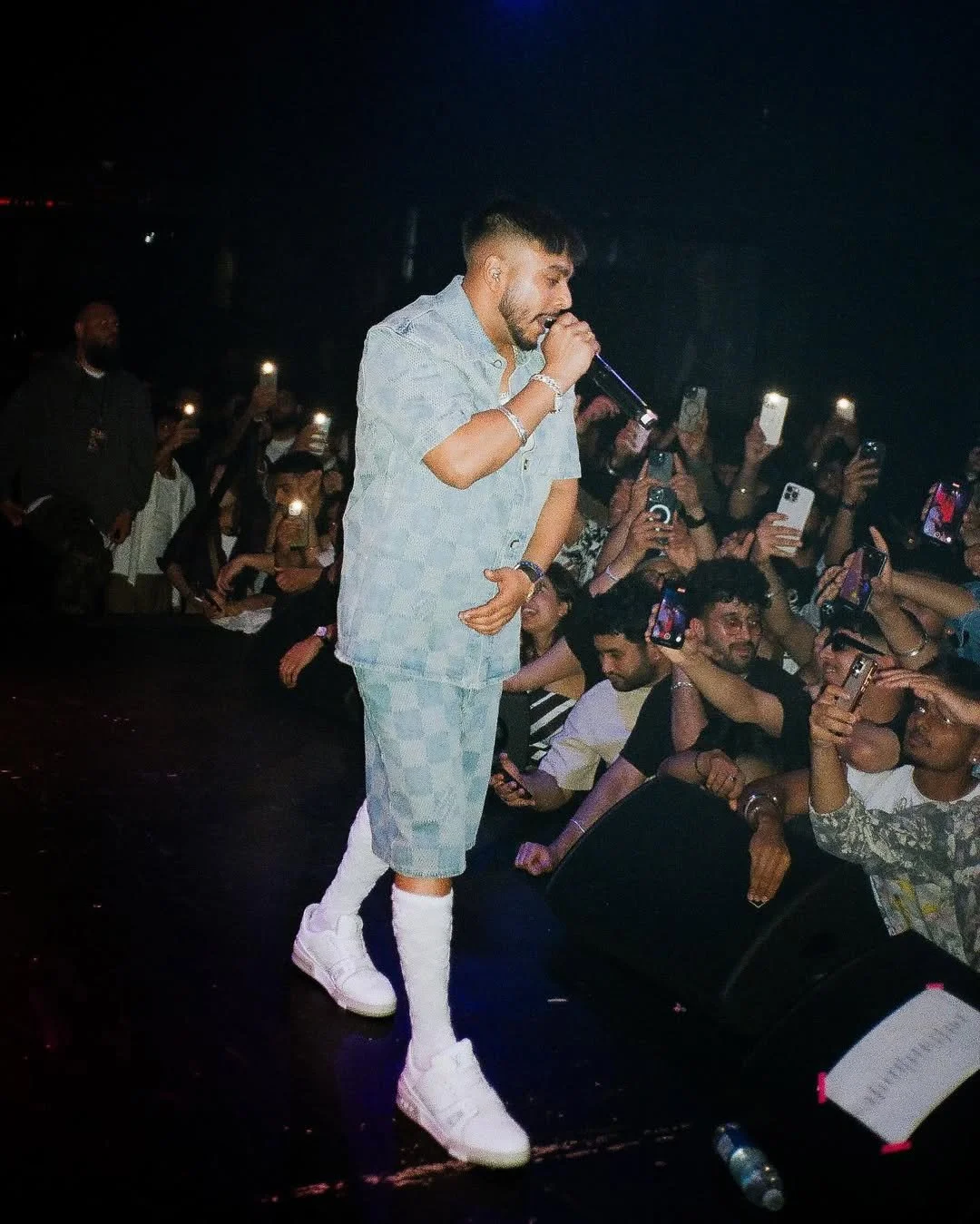
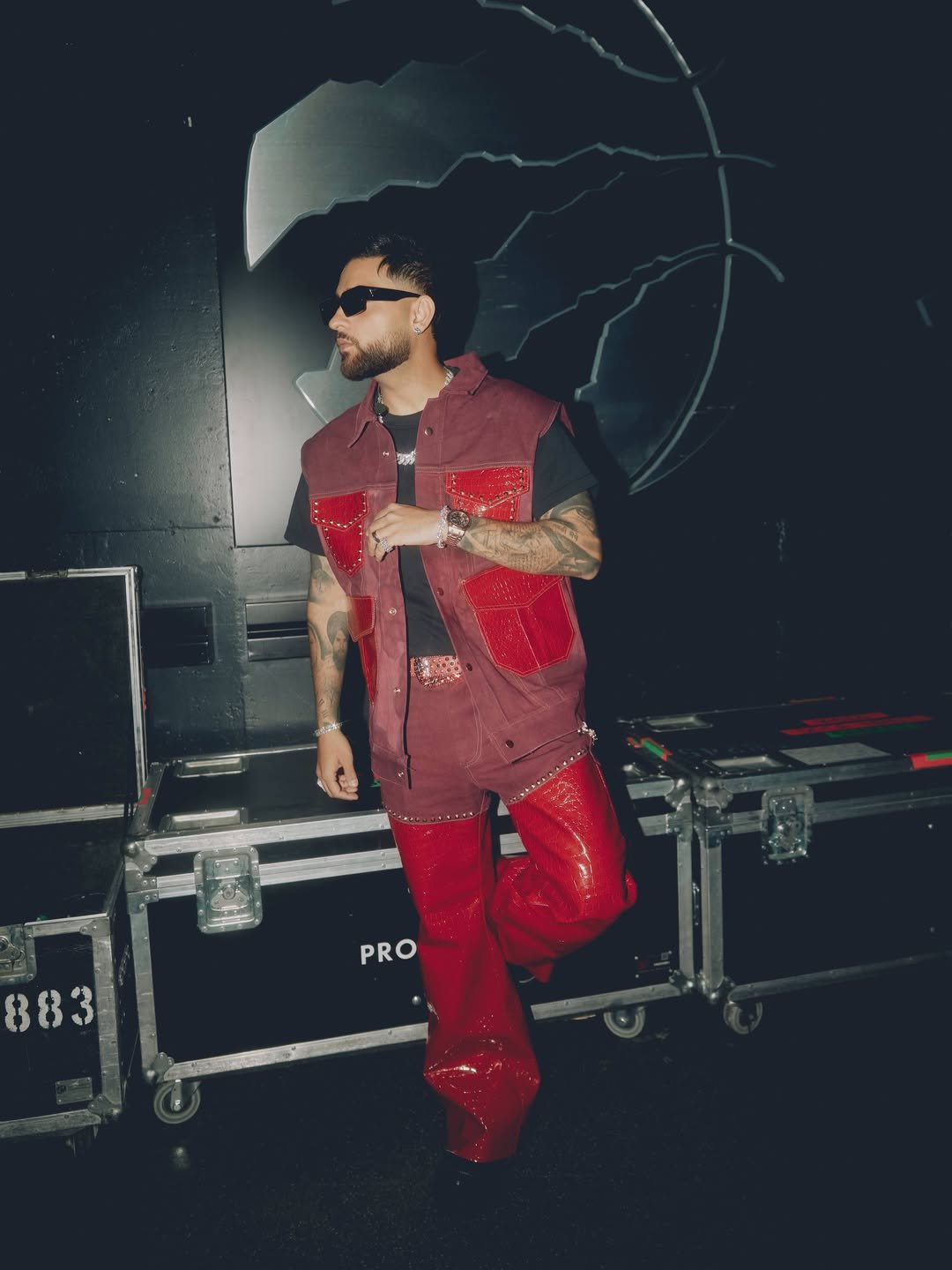
Punjabi-Canadian artists are no longer operating on the edge of Canada’s music industry. They are helping redefine what Canadian mainstream music actually sounds like. For years, Canada’s global music identity was mostly framed through pop, rap, R&B, folk, and rock exports. Now, Punjabi music has become one of the country’s most important cultural engines, moving from diaspora playlists into charts, festivals, arenas, radio conversations, and major-label strategy.
This shift did not happen overnight. Artists like AP Dhillon, Gurinder Gill, Karan Aujla, Ikky, Shubh, Sukha, and The PropheC helped turn Punjabi-Canadian music into a serious commercial force. Billboard Canada’s early coverage of the “Punjabi Wave” highlighted AP Dhillon, Gurinder Gill, Karan Aujla, Jonita Gandhi, and Ikky as artists redefining global music from Canada, noting that they have accumulated billions of streams and performed on major stages.
What makes the movement powerful is that it does not ask Punjabi music to shrink itself for mainstream approval. The songs often remain proudly Punjabi in language, rhythm, phrasing, and attitude, while blending hip-hop, R&B, pop, trap, and electronic production. That fusion has made the music feel both rooted and global. It can speak directly to Punjabi listeners while still attracting fans who may not understand every lyric.
Karan Aujla’s rise is one of the clearest signs of this shift. His single “Wavy” reached No. 7 on the Billboard Canadian Hot 100 in 2024, giving him his first top 10 hit in Canada. His album with producer Ikky, Making Memories, debuted at No. 5 on the Canadian Albums Chart and was later certified Gold in Canada. Those numbers matter because they prove Punjabi music is not simply thriving in a separate cultural lane. It is competing inside Canada’s central chart ecosystem.
AP Dhillon has also become a major symbol of this new era. His single “Old Money” entered the Billboard Canadian Hot 100 at No. 53 in 2024, supported by a high-profile video featuring Indian cinema stars Salman Khan and Sanjay Dutt. That kind of cross-border spectacle shows how Punjabi-Canadian artists are not only serving Canadian audiences. They are building bridges between Canada, India, the South Asian diaspora, and global youth culture.
The JUNO Awards have reflected the change as well. In 2024, Karan Aujla won the TikTok Fan Choice Award, and the JUNOS introduced a South Asian Music Recording of the Year category. CityNews noted that AP Dhillon’s 2023 performance of “Summer High” entirely in Punjabi signalled a change in Canada’s mainstream music landscape. That is important because award shows often move slowly. When institutions start adapting categories and stages, it usually means the audience has already moved ahead.
One of the biggest reasons Punjabi-Canadian music is reshaping Canada’s identity is production. Producers like Ikky have helped create a sound that feels polished, bass-heavy, cinematic, and playlist-ready without losing cultural specificity. The beats can sit beside hip-hop and pop records, but the melodic contours and rhythmic swing still carry Punjabi DNA. That is exactly why the music travels so well.
Major labels have noticed. Warner Music Canada partnered with Warner Music India to launch 91 North Records, a label designed to support South Asian artists and connect Canada with global South Asian markets. Its first release, Karan Aujla and Ikky’s Making Memories, debuted at No. 5 on the Canadian Albums Chart. This shows that Punjabi-Canadian music is no longer being treated as a small niche. It is now part of serious business strategy.
The deeper cultural impact is even bigger than the numbers. Punjabi-Canadian artists are changing the image of Canadian music itself. Canada’s mainstream is becoming more multilingual, more diasporic, and more rhythmically diverse. The old idea that Canadian pop identity must be mostly English or French feels increasingly outdated. The new Canada sounds like Toronto, Brampton, Surrey, Vancouver, Calgary, Montreal, Punjab, London, and Los Angeles all speaking through the same speakers.
This does not mean every Punjabi-Canadian artist has the same sound. AP Dhillon leans into sleek, moody global pop energy. Karan Aujla brings sharp songwriting, confidence, and streetwise charisma. Ikky represents producer-driven ambition. Shubh has cultivated a darker, minimalist style. The PropheC has long blended Punjabi vocals with R&B textures. Together, they prove that Punjabi music in Canada is not one trend. It is an ecosystem.
Ultimately, Punjabi-Canadian artists are reshaping Canada’s mainstream music identity because they are expanding what “Canadian music” can mean. They are not waiting for permission from old gatekeepers. They are filling arenas, entering charts, building global fanbases, and forcing institutions to catch up.
Canada’s next music era will not be defined by one language or one genre. It will be defined by artists who can carry multiple worlds at once. Punjabi-Canadian music is already doing exactly that.
Enjoyed the read? Consider showing your support by leaving a tip for the writer
Featured




Follow Us






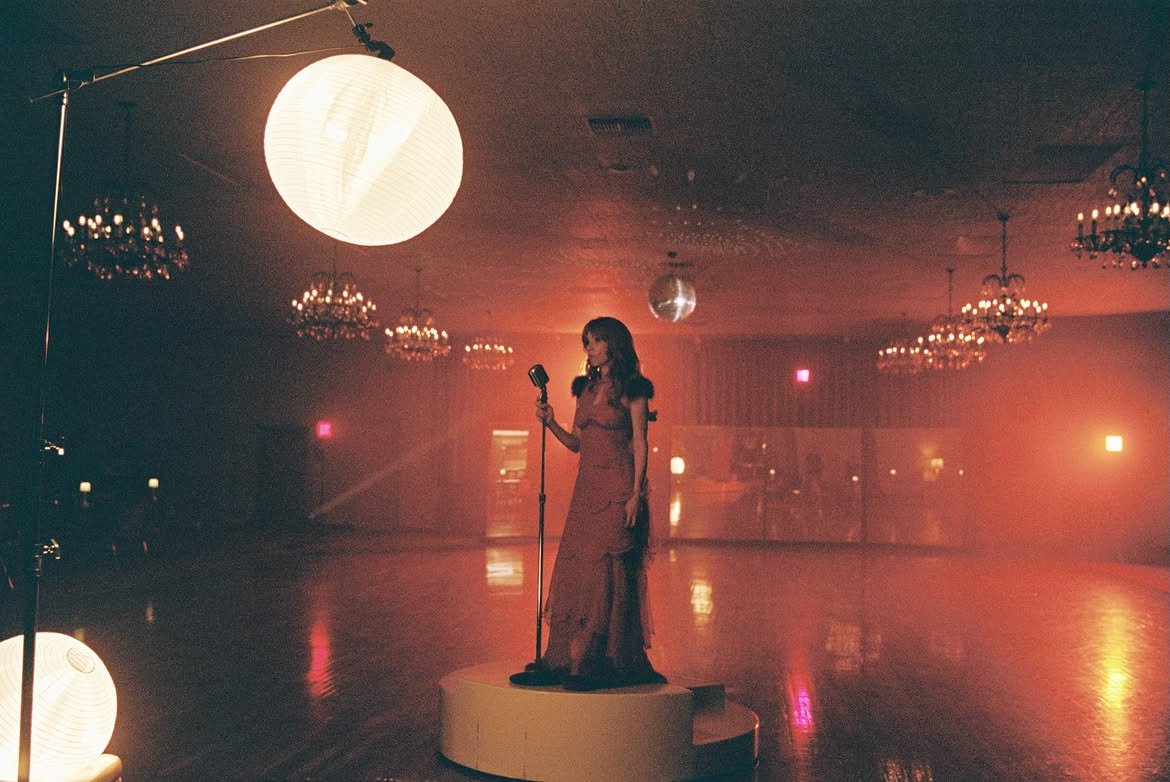
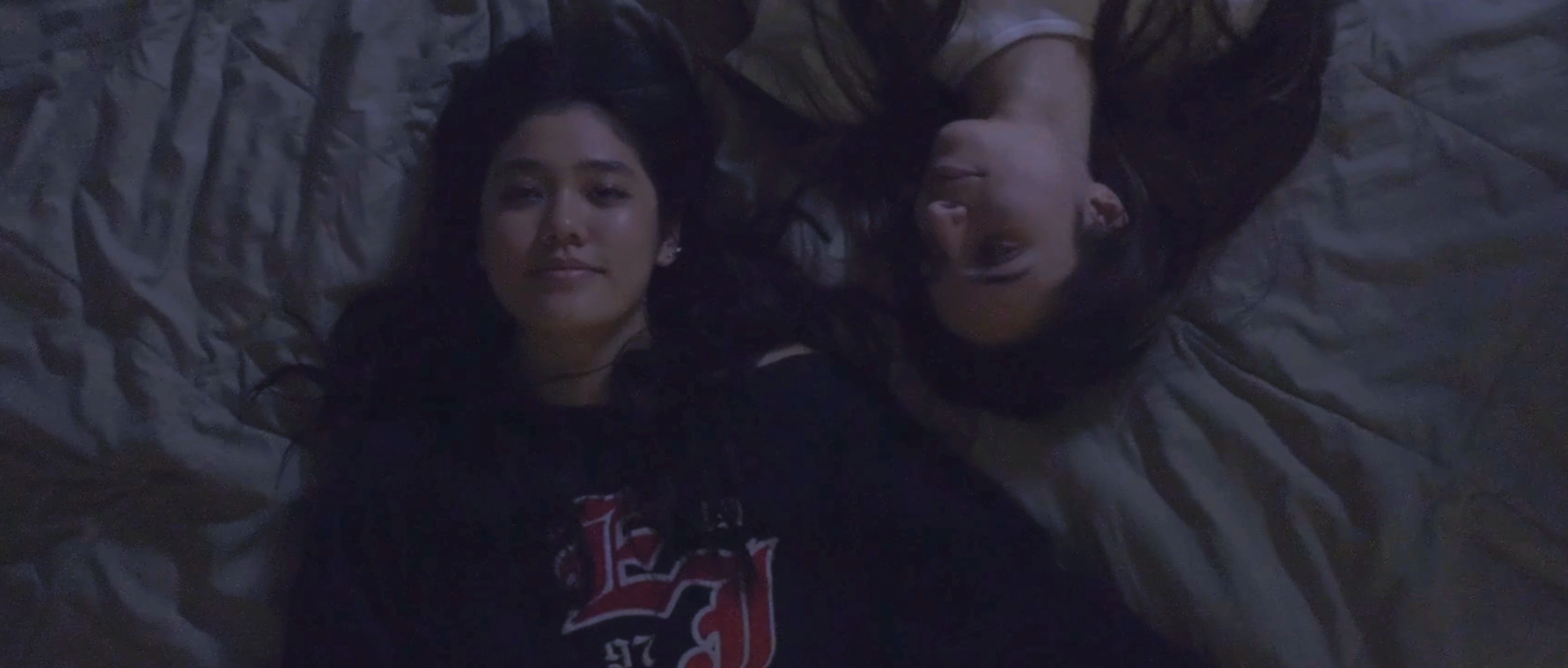


Laeky’s “caller waiting” is built from emotional exposure, but its production refuses to collapse into fragility. The Australian artist threads syncopated acoustic guitar riffs through understated indie-pop drums, subtle bass, and soft synth textures, creating a frame that feels both restless and suspended. Her sultry, yearning vocal…