
How Music Publishing Actually Works — Without the Industry Jargon
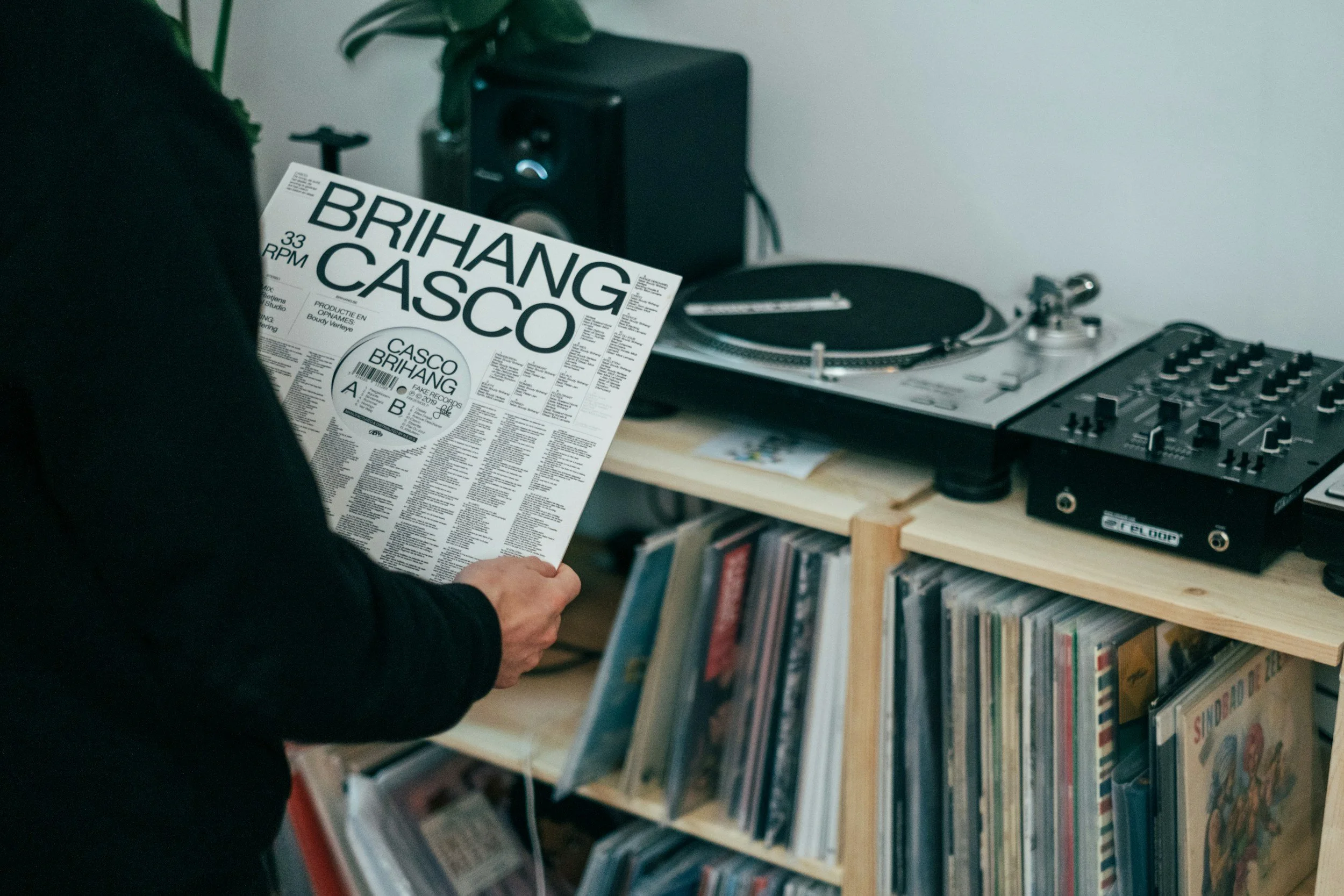
Music publishing is one of the most misunderstood parts of the music business. Many artists hear the word “publishing” and immediately imagine dusty contracts, giant companies, legal fog, and complicated royalty diagrams. But at its core, music publishing is actually simple: it is the business of making sure songwriters get paid when their songs are used. That is the easiest way to understand it. If you write a song — the melody, lyrics, chord progression, or composition — publishing is the system that tracks where that song travels and collects the money it earns. It has nothing to do with uploading your song to Spotify. It has nothing to do with owning your master recording. It has everything to do with the song itself.
Think of every song as having two main parts. The first part is the recording: the actual audio file people hear when they press play. The second part is the composition: the underlying song that could be performed, covered, remixed, played live, placed in a film, or recorded again by another artist. Music publishing deals with the second part — the composition.
For example, if an artist records a song called “Midnight Fever,” the recording is the specific version uploaded to streaming platforms. But the lyrics and melody of “Midnight Fever” are the composition. If another singer covers that song, the new singer owns their own recording, but the original songwriter still owns the composition. That means the songwriter can still earn publishing royalties whenever the song is used.
This is where many independent artists get confused.
A distributor collects money from the recording side.
A publisher or publishing administrator helps collect money from the songwriting side.
These are not the same thing. Your distributor may send you streaming revenue from Spotify or Apple Music, but that does not automatically mean you are collecting all of your publishing money. Publishing royalties often need to be registered and collected separately through the right organizations.
There are several ways a song can generate publishing income.
The first is through public performance. This happens when your song is played in public: on radio, television, at a concert, in a restaurant, in a store, on streaming platforms, or during a live performance. Organizations like ASCAP in the United States and SOCAN in Canada license music uses and distribute royalties to songwriters and publishers. ASCAP explains that it pays royalties to both writer members and publisher members, while SOCAN says its licenses help creators and publishers receive money when their work is used.
The second major category is mechanical royalties. Despite the strange name, this simply means money earned when a song is reproduced. In the old days, that meant vinyl, CDs, and cassettes. Today, it also includes downloads and interactive streams. Every time your song is streamed, there may be a publishing royalty connected to the composition, separate from the recording royalty your distributor pays. Songtrust notes that publishing royalty collection can involve song registration, monitoring, and global collection across different income types.
The third category is sync licensing. This happens when a song is placed with visual media: a TV show, film, commercial, video game, YouTube video, trailer, or social media campaign. Sync can be especially valuable because it often involves an upfront fee. If a brand wants to use your song in an ad, they usually need permission for both the master recording and the composition. That means there may be two sides to clear: whoever owns the recording and whoever owns the publishing.
The fourth category is print and lyric use, though this is less central for many modern independent artists. This includes sheet music, lyric reprints, and other written uses of the song. It is not usually the main money-maker for most emerging acts, but it still belongs under the publishing umbrella.
A publisher’s job is to manage and monetize the composition. In plain English, that means they register the song properly, collect royalties, look for placement opportunities, handle licensing requests, and make sure the songwriter’s share of the song is documented. A traditional publisher may also help connect songwriters with artists, producers, sync supervisors, and writing sessions. A publishing administrator, by contrast, usually does not own part of your song. They simply help collect royalties for a fee or percentage.
That difference matters. If you sign a traditional publishing deal, you may be giving up a portion of your publishing rights in exchange for support, money, connections, and administration. If you use a publishing administrator, you usually keep ownership while paying them to collect money on your behalf. Neither option is automatically good or bad. It depends on the deal, the artist’s leverage, and how much value the publisher is actually bringing.
Song splits are another essential piece of the puzzle. A split is the percentage of the song each creator owns. If two people write a song equally, they might each own 50%. If one person writes the lyrics and another creates the melody, they may agree on a different percentage. If three producers and two topliners are involved, the split can become more complex. The important thing is to agree on splits early and write them down before the song is released. Many publishing problems start because everyone was “cool” in the studio, but nobody documented ownership clearly.
Here is a simple example. Imagine a song has two writers: Artist A and Producer B. They agree to split the song 50/50. The song later gets streamed, played on radio, performed live, and placed in a Netflix show. Both creators should earn from the publishing side according to their ownership percentage. But if the song was never registered properly, or if the splits were entered incorrectly, money can get delayed, misdirected, or lost in administrative limbo.
This is why publishing registration is not just boring paperwork. It is how the money finds its owner. Every song needs accurate information: title, writers, publishers, ownership percentages, performer name, recording details, and identifying codes when available. If the data is wrong, the royalty system cannot magically guess the truth. The music industry may look glamorous from the outside, but behind the curtain, it runs on metadata.
For independent artists, the biggest mistake is assuming that releasing music automatically activates every royalty stream. It does not. Uploading a song through a distributor is only one part of the process. Artists should also understand whether they are registered with a performance rights organization, whether their publishing is being administered globally, whether their song splits are confirmed, and whether their catalogue is properly documented.
In Canada, SOCAN plays a major role in performance and reproduction rights. SOCAN states that it administers licenses for performing rights, which cover public performances of recorded or live music, and reproduction rights, which cover digital or physical copies of music. For Canadian artists, this makes publishing awareness especially important because money can come from multiple places depending on how and where the song is used.

Publishing also matters for producers. Many producers think they only earn from beat sales, upfront fees, or master royalties. But if a producer contributes to the composition — for example, by creating musical elements that become part of the song’s identity — they may also be entitled to publishing. This should be discussed clearly before release. A producer who co-writes the song should not be treated the same as someone who only mixes the track, unless the agreement says otherwise.
It is also important to separate publishing from master ownership. If you own the master, you own the specific recording. If you own publishing, you own part of the underlying song. Sometimes the same person owns both. Sometimes they are split between different people and companies. A singer-songwriter who records their own music independently may own both the master and the publishing. A songwriter who writes for another artist may own publishing but not the master. A label may own the master but not the entire composition.
This distinction becomes crucial when money arrives. Streaming income from the recording side may go through a distributor or label. Publishing income may go through performance rights organizations, mechanical collection societies, publishers, or publishing administrators. Sync money may involve both sides. That is why artists who understand publishing are less likely to leave money floating around uncollected.
The best way to think about music publishing is this: your song is a small business. Every time it is played, copied, performed, licensed, covered, or placed somewhere, that business may generate income. Publishing is the system that keeps track of those uses and tries to bring the money back to the people who wrote the song.
For new artists, the first step is not signing the most impressive-looking deal. The first step is understanding what you own. Who wrote the song? Who owns the master? Who controls the publishing? Are the splits agreed? Is the song registered? Who is collecting performance royalties? Who is collecting mechanical royalties? These questions may not feel exciting, but they can protect an artist from future confusion, especially if a song starts gaining traction.
The music industry often makes publishing sound more complicated than it needs to be because complexity benefits people who already understand the system. But the basic principle is beautifully plain: if you helped write the song, you may be owed money when the song is used. The challenge is making sure the world knows you helped write it.
Music publishing is not just legal administration. It is artistic protection. It is how a melody becomes an asset, how lyrics become income, and how a song continues working for its creators long after the studio session ends. For independent artists, understanding publishing is not optional anymore. It is one of the clearest differences between making music as a hobby and building music as a real career.
Enjoyed the read? Consider showing your support by leaving a tip for the writer
Featured








Follow Us

















Laeky’s “caller waiting” is built from emotional exposure, but its production refuses to collapse into fragility. The Australian artist threads syncopated acoustic guitar riffs through understated indie-pop drums, subtle bass, and soft synth textures, creating a frame that feels both restless and suspended. Her sultry, yearning vocal…