
Chris Brown Settles Songwriter Lawsuit Over “Sensational” and “Monalisa”

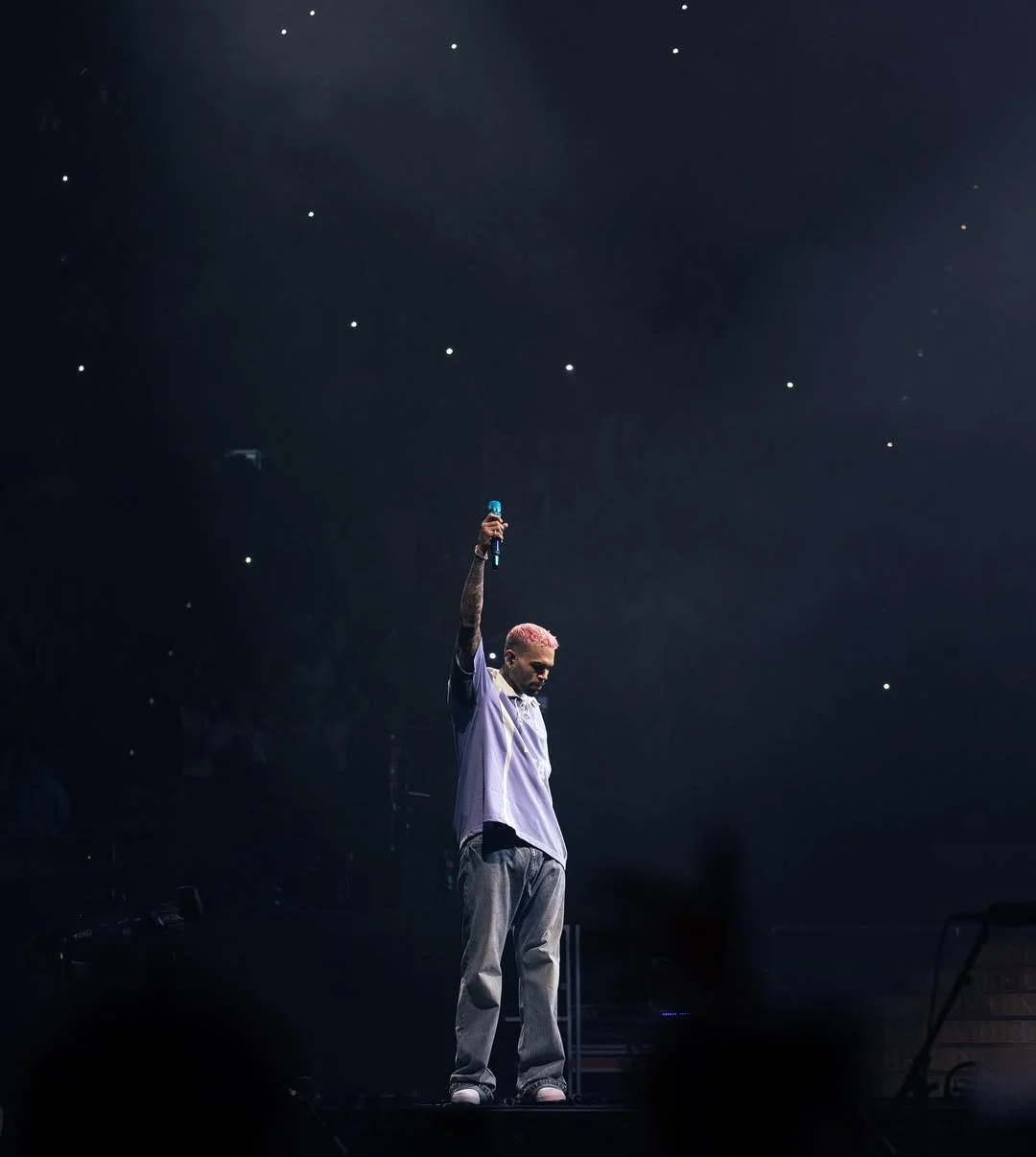

Chris Brown has reportedly moved to settle a songwriter lawsuit connected to two major records in his recent catalogue: “Sensational” and “Monalisa.” The case, brought by songwriter Steve Chokpelle, centered on allegations that he contributed writing to the songs but was not properly credited or compensated for his work. According to recent court updates reported by Music Business Worldwide, Brown and several Universal Music companies have reached a settlement in principle that would resolve their part of the dispute. The lawsuit matters because it touches one of the most sensitive areas in modern music: who gets credit when a hit song becomes a commercial machine. In today’s music industry, a single record can move through writing rooms, demos, remixes, label teams, producers, featured artists, publishers, and multiple revenue streams before reaching listeners. When credits are unclear, the financial and reputational consequences can become enormous.

Chokpelle’s claims focused on “Monalisa,” the Lojay and Sarz song that later received a Chris Brown remix, and “Sensational,” Brown’s Afrobeats-influenced single featuring Davido and Lojay from his 2023 album 11:11. “Sensational” became one of Brown’s strongest recent crossover moments, blending R&B melody with Afrobeats rhythm and international star power. That success made the credit dispute more visible because the song was not a throwaway album cut. It became a high-performing record with chart, streaming, radio, and publishing value attached. Earlier reporting on the lawsuit stated that Chokpelle was seeking recognition tied to authorship and copyright ownership, while also claiming he was excluded from revenue connected to the songs. The settlement does not necessarily mean the defendants admitted wrongdoing. In music lawsuits, settlements often function as practical resolutions, allowing parties to avoid longer litigation, legal expenses, discovery battles, and public uncertainty.
Still, the case adds another chapter to a growing conversation around songwriting splits and transparency. In the streaming era, credits are more visible than ever, but the business behind them can remain opaque. Fans may see a finished song on Spotify or Apple Music, but they rarely see the months or years of conversations behind publishing percentages, demo ownership, lyrical contributions, interpolation claims, producer shares, featured artist agreements, and remix permissions. That complexity becomes even sharper when genres and countries intersect. “Monalisa” and “Sensational” both sit inside the global Afrobeats and R&B exchange that has become increasingly lucrative for major artists. Afrobeats collaborations now move across Lagos, London, Los Angeles, Atlanta, Toronto, and beyond, creating massive opportunities but also more complicated credit chains. When a record includes multiple writers, producers, vocalists, and versions, documentation becomes essential.
For Chris Brown, the settlement helps clear a legal distraction around two songs that have been important to his recent musical direction. “Sensational,” in particular, strengthened his connection to Afrobeats audiences and extended his presence in the global pop-R&B conversation. The song’s success also reflected the wider industry trend of American R&B artists collaborating with African stars to reach broader international markets. For songwriters, however, the lawsuit is a reminder that creative contribution must be protected early. A writing session can feel casual in the moment, but if the record becomes successful, every lyric, melody, and concept can carry monetary weight. The safest professional practice is clear documentation: split sheets, publishing discussions, written agreements, session records, and confirmation of credits before release. Without those protections, disputes can become difficult to prove and expensive to resolve.
The settlement also shows why publishing remains one of the most valuable parts of the music business. Performance royalties, mechanical royalties, sync opportunities, radio play, streaming revenue, and licensing income can all flow from songwriting ownership. For artists, producers, and writers working behind the scenes, publishing credit can be the difference between a one-time opportunity and long-term income. The public may focus on Chris Brown’s name because he is the superstar attached to the lawsuit, but the larger story belongs to the machinery around modern hits. Songs today are collaborative products, and the people behind them often depend on contracts to make sure their contributions do not disappear once a track becomes profitable. A settlement may end a case, but it does not erase the broader issue.
Ultimately, Chris Brown’s settlement over “Sensational” and “Monalisa” highlights a simple truth: hit songs are not only cultural moments. They are business assets. When a record travels across genres, charts, platforms, and continents, the paperwork has to move with the music. Otherwise, the celebration around a hit can quickly become a legal battle over who helped create it — and who deserves to be paid.
Enjoyed the read? Consider showing your support by leaving a tip for the writer
Featured








Follow Us

Shop





















Some attractions arrive like a fever: quiet at first, then suddenly impossible to ignore. Greek-born, Brooklyn-based artist OXFLOYD captures that escalation on “obsessed w u,” an alt-pop single shaped around limerence, romantic fixation, and the dangerous appeal of willingly overlooking every warning sign…