
How AI Advertising Tools Are Changing Music Marketing

Music marketing used to be a messy combination of instinct, visuals, timing, budget, and luck. An artist would release a song, post a few clips, maybe run social ads, pitch playlists, email blogs, and hope the right people noticed.
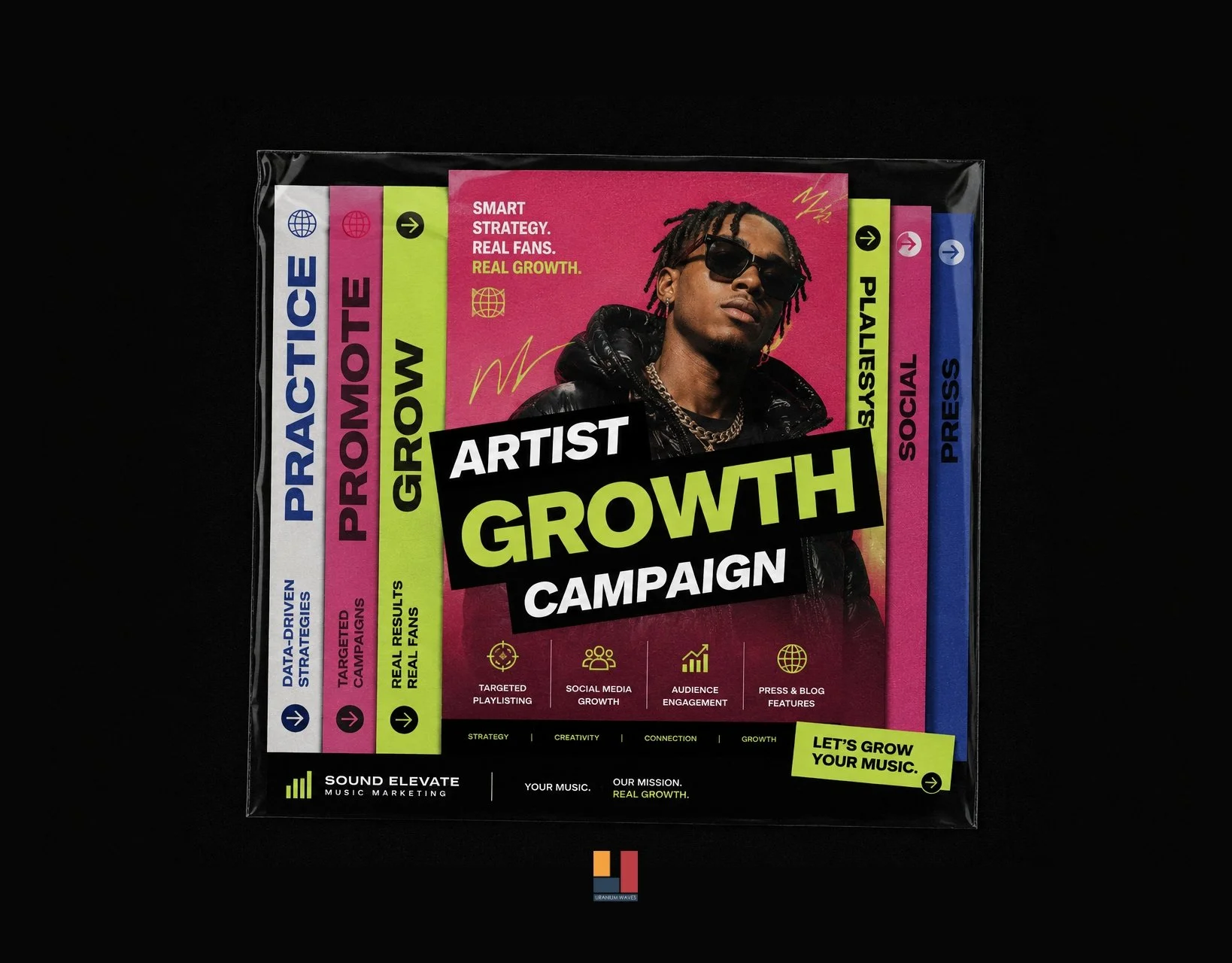
That world still exists, but AI advertising tools are changing the rhythm. Campaigns are becoming faster to build, easier to test, and more automated. For independent artists, managers, labels, and creative teams, the opportunity is clear: AI can help stretch limited resources. The risk is just as real: if every artist uses the same automated tools, music marketing can start to look painfully generic.
The real advantage is not letting AI “do the marketing.” It is using AI to sharpen strategy while keeping the artist’s identity intact.
Why AI Advertising Matters for Artists Now
AI is already built into major ad platforms. Meta has been expanding AI-powered tools for ad creation, audience matching, creative testing, translation, and campaign optimization. Its newer advertising systems are designed to personalize formats and delivery for different viewers, which means two fans may see different versions of the same campaign depending on how the platform predicts they will respond.
Google is also pushing AI deeper into advertising. Its Performance Max tools include AI-generated text and image assets, while YouTube Demand Gen updates in 2026 added more Gemini-powered ad features and creator tools to help advertisers build stronger video campaigns.
For music marketing, this matters because artists are not just competing with other songs. They are competing with fashion drops, podcasts, gaming clips, film trailers, memes, influencers, and endless short-form video. AI tools can help artists move faster in that environment.
AI Makes Campaign Testing More Accessible
One of the biggest changes is creative testing. In the past, a serious ad campaign required multiple versions of copy, visuals, hooks, and audience segments. That took time, money, and usually a more experienced marketing team.
Now an independent artist can test different angles around the same release:
Emotional Story
“This song is about outgrowing the version of yourself people still expect you to be.”
Scene-Based Hook
“For late-night drives, headphones on, city lights blurred.”
Genre/Community Hook
“For fans of moody R&B, alt-pop textures, and cinematic production.”
Performance Hook
“A stripped-back chorus clip from the live session.”
AI can help draft these variations, generate caption options, resize assets, summarize campaign results, and suggest which hooks are earning more engagement. The artist still needs taste. The tool simply makes iteration faster.

AI Is Changing Audience Targeting
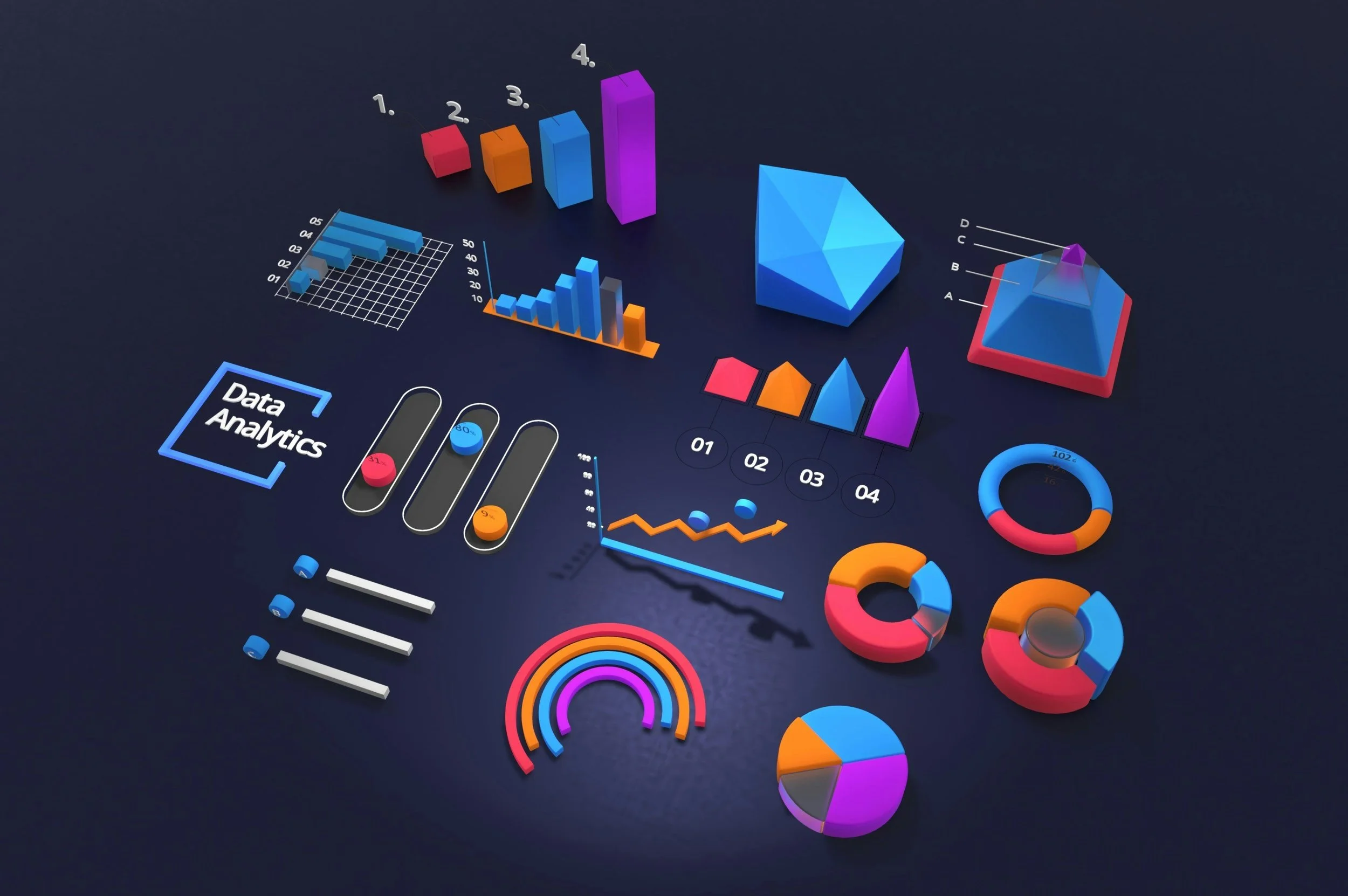
Music marketing has always depended on knowing who the music is for. AI ad tools can analyze signals faster than a human team: location, viewing behaviour, past engagement, content style, platform activity, and response patterns.
For example, a campaign might discover that a song performs better with fans of late-night playlist culture than with a broad “hip-hop” or “pop” audience. Another artist might learn that behind-the-scenes studio clips outperform polished cover art. Those insights can shape future content, not just ad targeting. This is where AI becomes useful beyond promotion. It can help artists understand how their audience actually responds.
Automation Can Help Small Teams Act Bigger
Most independent artists do not have a label marketing department. They may be writing songs, booking shows, editing videos, answering emails, and designing posts at the same time. AI advertising tools can reduce some of that friction.
AI can support:
Release Calendars
Planning teasers, pre-save reminders, behind-the-scenes clips, release-day posts, and follow-up content.
Ad Copy Variations
Creating different versions for Instagram, TikTok-style short video, YouTube, newsletter ads, or landing pages.
Budget Adjustments
Helping platforms shift money toward stronger-performing assets or audiences.
Fan Segmentation
Separating casual listeners, repeat viewers, email subscribers, merch buyers, and superfans.
Campaign Reporting
Turning performance data into plain-language summaries that artists can actually use.
This is not glamorous work, but it is the work that often separates a release that disappears from one that keeps building momentum.
The Creator Economy Is Becoming More Competitive
The broader creator economy is growing quickly. Grand View Research estimated the global creator economy at more than USD $252 billion in 2025, with projections above USD $1.3 trillion by 2033.
That growth affects musicians directly. Brands are shifting more attention to creators, platforms are building more creator ad products, and artists are increasingly expected to be content strategists as well as performers. Reports from Cannes Lions 2026 also highlighted how creator-led campaigns are becoming central to advertising culture, while marketers are still trying to figure out which creator content actually drives both engagement and brand impact.
For artists, this means music marketing is no longer only about selling a song. It is about building a world around the artist: visual identity, personality, story, community, and repeatable content formats.
The Danger: Generic AI Marketing
The downside is obvious. AI can make every campaign sound the same. You have probably seen the style already: dramatic captions, vague emotional hooks, over-polished visuals, fake urgency, and copy that feels like it was built from a template. For artists, that is dangerous because music is personal. Fans connect to specificity, not automation.
AI can help with structure, but it should not replace the artist’s voice. A campaign for a Toronto jazz-rap artist should not sound like a generic pop rollout. A punk band, Afrobeats producer, experimental vocalist, or bedroom R&B singer should each have a different marketing language. The best use of AI is not to polish away the edges. It is to help the artist communicate those edges more clearly.
What Artists Should Be Careful About
AI music marketing also comes with practical risks. First, artists should avoid making claims they cannot support. Do not invent streaming numbers, press quotes, fan demand, playlist placements, or brand endorsements.
Second, artists should be careful with AI-generated visuals, voices, and music-related assets. Licensing can be unclear, especially when work is used in paid campaigns. Epidemic Sound’s 2026 creator economy report found that many creators are worried about unclear licensing and copyright issues affecting business opportunities.
Third, artists should understand platform rules. Some tools allow commercial use; others may have restrictions. Before putting AI-generated creative into ads, read the terms carefully or get professional advice for higher-stakes campaigns.
A Smarter AI Music Marketing Workflow
A useful AI-assisted campaign might look like this:
Start with the human idea. What is the song about? Who is it for? What emotion, scene, or community does it belong to?
Then use AI to generate campaign angles. Ask for different hooks based on mood, audience, platform, and visual direction.
Next, create multiple ad versions. Test a performance clip, lyric video, studio moment, visualizer, press-style quote, or fan reaction.
After that, study the results. Which audience saved, clicked, watched, commented, or followed? Which hook felt authentic? Which asset felt disposable?
Finally, bring the lesson back into the artist brand. Good marketing should teach the artist something about their audience.
Final Takeaway
AI advertising tools are not a magic fix for music marketing. They will not make a forgettable song unforgettable, and they will not replace the need for taste, consistency, community, or a clear artistic identity. But they can help independent artists move smarter. They can make testing cheaper, planning easier, and campaign analysis more useful. For small teams, that matters.
The artists who benefit most will be the ones who use AI for the repetitive parts of marketing while keeping the creative direction human. In 2026, the winning formula is not artist versus algorithm. It is artist plus intelligent systems, guided by taste.
Enjoyed the read? Consider showing your support by leaving a tip for the writer
Featured

Follow Us

Shop








Poor Legacy shapes “Off the Grid” as a focused instrumental study in rhythm, restraint, and low-end character. The American trio pulls from lofi neo-soul and hip-hop instrumental traditions without letting either category flatten the track’s identity. Its center is groove. Catchy Rhodes…