
AI-Generated Film “Dreams of Violets” Brings Hollywood’s Job Debate to Tribeca
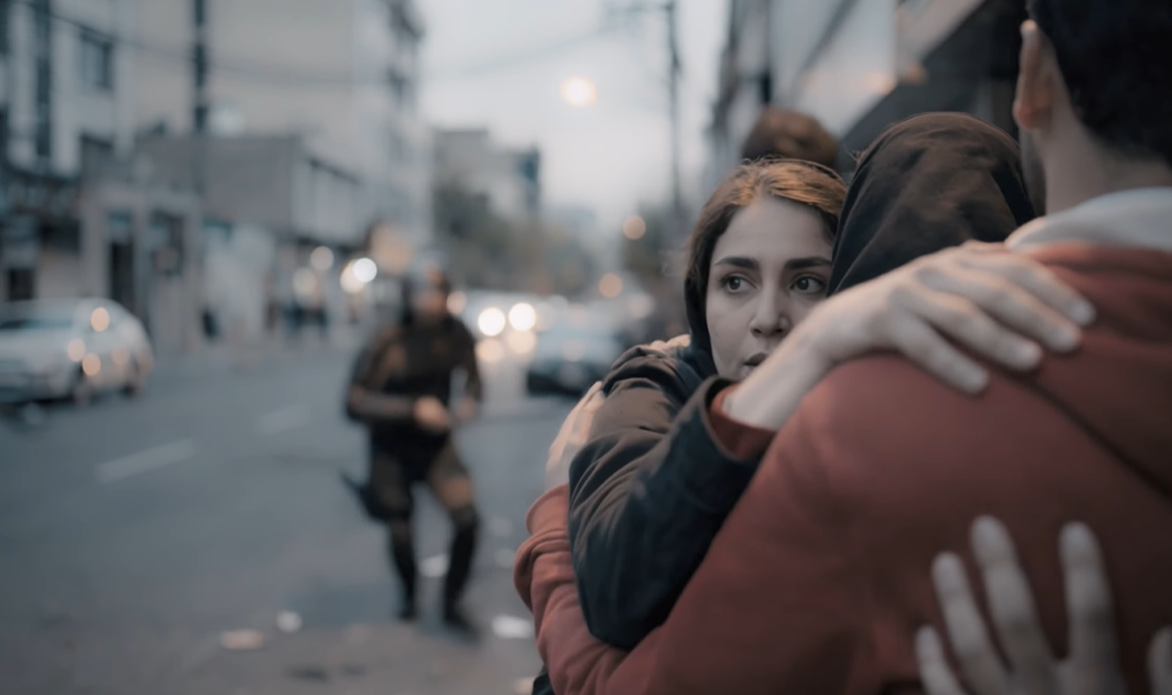
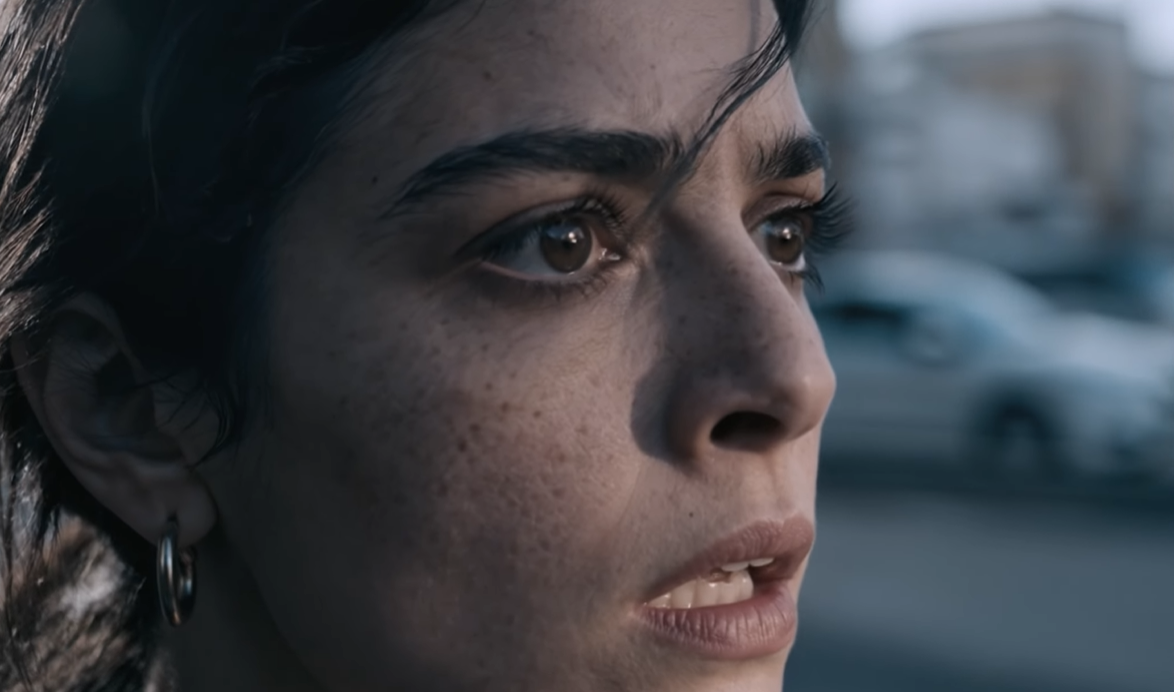
The release of Dreams of Violets at the 2026 Tribeca Festival is not just another festival headline. It is a cultural flare shot directly into the centre of Hollywood’s most anxious conversation: what happens to film jobs when artificial intelligence can generate images, performances, locations, costumes, movement, and entire cinematic worlds at a fraction of the traditional cost?
The 75-minute docudrama, created by Iranian exile Ash Koosha, has attracted attention because it was produced largely through AI rather than conventional production methods. There was no traditional set, no full physical cast, no location shoot in Tehran, and no standard crew structure. Instead, the film uses generative tools to construct a politically charged story inspired by Iranian civilian resistance. That alone makes it a provocative artistic object. But its presence at Tribeca makes it something bigger: a test case for how major festivals may treat AI-made cinema.
The story of Dreams of Violets gives the debate an unusually complicated shape. This is not an AI experiment built only to show off technology. It is tied to political urgency, exile, memory, and the difficulty of filming dangerous stories in places where cameras can put people at risk. Koosha has framed AI as a tool of necessity, a way to visualize a story that would have been nearly impossible to stage through traditional means. That argument gives the film moral weight. It suggests AI can open doors for artists locked out by geography, censorship, money, or danger. At the same time, Hollywood workers are right to be uneasy. The film’s reported low cost is exactly what makes it so disruptive. If a feature-length project can be produced without the usual infrastructure, then studios, streamers, advertisers, and independent producers will inevitably ask uncomfortable questions. Do they need as many background actors? Do they need as many designers? What happens to camera crews, lighting teams, set builders, editors, sound departments, extras, stylists, and production assistants when parts of the filmmaking process become prompt-based?
That is why Dreams of Violets has become more than a film. It is a symbol. For AI optimists, it represents creative liberation: a future where one filmmaker can build impossible worlds without waiting for permission, funding, or access. For labour advocates, it represents a possible erosion of hard-won creative professions. Both readings can be true at the same time, which is what makes the debate so thorny. Hollywood’s anxiety around AI did not appear overnight. The industry has already spent years debating digital replicas, synthetic voices, AI-assisted writing, machine-generated concept art, and the possibility of studios using technology to reduce dependence on human labour. The fear is not that artists will use tools. Artists have always used tools. The fear is that companies will use those tools to devalue people.
That distinction matters. An independent filmmaker using AI to tell a politically difficult story from exile is not the same as a corporation using AI to replace a department to save money. The ethics shift depending on who controls the technology, who benefits financially, whose work is being replicated, and whether consent is involved. Dreams of Violets forces viewers to sit inside that contradiction rather than escape it.
Tribeca’s decision to include the film is also significant because film festivals are gatekeepers of legitimacy. When a major festival programs an AI-generated feature, it signals that the work is not merely online novelty content. It deserves critical conversation, theatrical attention, and industry visibility. That does not mean everyone has to celebrate it. But it does mean the AI film conversation is moving from tech demos into cinema spaces that critics, distributors, artists, and executives take seriously.
The creative question is just as important as the labour question. Can AI-generated characters carry emotional truth? Can synthetic images hold the same weight as photographed human faces? Can a film made without traditional actors still feel human if the story behind it comes from genuine political pain? These questions do not have clean answers yet. Some viewers may find AI-generated imagery uncanny or emotionally thin. Others may see it as a new visual language still in its primitive stage, like early digital cinema before it matured.
What makes Dreams of Violets especially interesting is that its imperfections may become part of the conversation. AI cinema does not yet move with the full grace, unpredictability, and tactile detail of human-made filmmaking. Faces can feel strange. Movement can feel off. Emotional nuance can become unstable. But every technological shift begins awkwardly before it becomes normal. The unsettling question for Hollywood is not whether AI filmmaking is perfect now. It is how quickly it will improve.
For young filmmakers, the film may feel exciting. It suggests that massive budgets are no longer the only path to cinematic scale. For working crews, it may feel threatening. It suggests that some producers may soon view human labour as optional rather than essential. For audiences, it creates a different question: do viewers care how a film is made if the story moves them?
That may become one of the defining film debates of the next decade. Cinema has always been a mixture of art, labour, technology, and illusion. AI does not introduce artifice to film; film has always been artificial. What AI changes is the distribution of power. It may give new power to outsiders, exiles, experimental artists, and low-budget storytellers. It may also give dangerous power to companies looking to shrink payrolls and automate creativity.
Ultimately, Dreams of Violets arrives at Tribeca as both an artwork and a warning. It shows what AI can make possible when traditional production is inaccessible. It also shows why film workers are watching the technology with justified suspicion. The film does not end the debate over AI in Hollywood. It intensifies it.
Whether audiences see Dreams of Violets as a breakthrough, a provocation, or an early omen, one thing is clear: AI cinema has crossed another threshold. The conversation is no longer theoretical. It is on the festival screen, in the industry trades, and inside the future of how movies may be made.
Enjoyed the read? Consider showing your support by leaving a tip for the writer
Featured





Follow Us

Shop











Wendy Bruner and Christopher Grundy construct “Toward Shalom” around warmth rather than spectacle, allowing its ideas of belonging, completeness, and social acceptance to develop inside an intentionally unvarnished frame. Written by Bruner and Monty Jackson and produced…