
The Most Overused Songwriting Clichés in Modern Music


Modern music moves fast. Songs are written for streaming platforms, social clips, playlist attention spans, live shows, fan edits, and algorithmic discovery. In that environment, it makes sense that writers often reach for familiar emotional shortcuts. A simple hook, a universal phrase, or a tried-and-tested chord progression can help a song feel instantly recognizable. But familiarity has a cost.
A cliché is not automatically bad. Some of the most powerful songs in popular music are built from familiar ideas: heartbreak, late nights, missed calls, growing up, leaving town, losing yourself, finding confidence. These are human themes, and they endure because listeners understand them quickly. The problem begins when the writing stops revealing anything specific. When a lyric feels like it could belong to any artist, in any year, over any beat, the song loses its identity. Research has also pointed to broader changes in popular lyrics over time, including a trend toward simpler language in popular music, which makes strong specificity even more important for artists trying to stand out. Meanwhile, songwriting educators often note that common progressions remain common because they work; the creative challenge is not avoiding every familiar tool, but making familiar tools feel personal.
1. “You Broke My Heart” Without a Scene
Heartbreak is one of the oldest and most reliable songwriting subjects. The cliché is not heartbreak itself. The cliché is writing about heartbreak without giving the listener a single image, location, object, conversation, or contradiction to hold onto. Lines about being “broken,” “lost,” “empty,” or “torn apart” can still work, but only if they are grounded in detail. A stronger heartbreak song does not just say, “I miss you.” It shows the unanswered voice note, the half-packed drawer, the restaurant neither person wants to walk past, or the playlist that suddenly feels unusable. Modern listeners are surrounded by emotional language. To cut through, a songwriter needs emotional evidence.
2. The Late-Night Phone Call

The late-night call, drunk text, missed message, or “you only call me when you’re lonely” idea has become one of modern pop and R&B’s most recognizable emotional setups. It works because it is simple, cinematic, and instantly relatable.
But it becomes predictable when the song does nothing beyond the setup. A phone lighting up at 2 a.m. is an opening image, not a full story. Who answers? Who ignores it? What has changed since the last call? What does the silence mean? The cliché can be rescued by shifting the angle. Maybe the song is not about wanting the call. Maybe it is about finally not needing it.
3. Rhyming “Fire” With “Desire”
Some rhymes are so familiar that they announce themselves before the line arrives. “Fire/desire,” “heart/apart,” “tonight/alright,” “crazy/baby,” and “girl/world” have all appeared so often that they can make a lyric feel unfinished rather than timeless. Simple rhymes are not the enemy. Pop music depends on clarity. But when the rhyme is the most predictable choice, the listener feels the machinery of the song instead of the emotion behind it.
A useful test: if the next line is obvious before it is sung, rewrite it. Look for a fresher verb, a more unusual image, or a rhyme that bends the thought somewhere less expected.
4. The Generic Empowerment Anthem
Self-belief, resilience, and confidence are important themes. The cliché appears when empowerment becomes a slogan instead of a story. Phrases like “I’m unstoppable,” “I was born to fly,” or “nothing can hold me down” can feel hollow if the song never shows what the artist had to overcome. Real empowerment usually has texture. It includes doubt, embarrassment, pressure, discipline, recovery, or a private moment where the artist chooses not to quit.
The best confidence songs do not just declare victory. They make the listener believe the victory was earned.
5. Weather as Emotional Autopilot
Rain means sadness. Sunshine means happiness. Storms mean conflict. Cold means loneliness. These images are easy to understand, which is why songwriters keep returning to them. The issue is not using weather. The issue is using weather as a substitute for thought. A rain lyric can be beautiful if it reveals something specific: wet sneakers in a hallway, fogged windows in a rideshare, summer heat during an argument that should have ended months ago.
Weather becomes powerful when it behaves like part of the scene, not a stock symbol pasted on top of the song.
6. The Four-Chord Comfort Zone
Many modern songs rely on familiar harmonic patterns. That is not a flaw by itself. Common chord progressions remain popular because they create emotional clarity and are easy for listeners to process. Repetition and recognizable patterns can also support memorability, which is central to hit songwriting.
The cliché happens when the harmony, melody, rhythm, and lyric all choose the safest possible route at the same time. If the chords are familiar, the melody needs character. If the melody is simple, the lyric needs detail. If the production is minimal, the vocal delivery needs personality.
A familiar progression can still support an original song. It just cannot be the only idea in the room.
7. “Dancing Through the Pain”
The sad-song-you-can-dance-to formula has become a dominant feature of modern pop. It is effective because it creates contrast: emotional vulnerability over bright production. The risk is that the contrast becomes automatic. Not every painful lyric becomes deeper because it sits over a dance beat. Not every club setting makes sadness more interesting. To avoid cliché, the song needs a sharper perspective. Is the dance floor an escape, a performance, a denial, a memory, or a place where the truth finally breaks through?
The more precise the emotional function, the less generic the concept feels.
8. Therapy Language Without Personal Voice
Modern lyrics often borrow the vocabulary of healing, boundaries, trauma, anxiety, self-worth, and emotional growth. These themes can be meaningful, especially when handled with care. But when the lyric sounds more like a social media caption than a lived experience, it can flatten the song. Terms like “toxic,” “healing,” “triggered,” “closure,” and “protecting my peace” are not automatically weak. They just need context. A song becomes more compelling when it shows the behavior, the memory, or the turning point behind the language.
Listeners do not only want the conclusion. They want the scene that made the conclusion necessary.
How Songwriters Can Avoid Clichés
The solution is not to ban familiar themes. Most songs are built from familiar emotions. The real solution is to make the familiar feel newly observed. Start with specificity. Replace abstract lines with objects, places, gestures, times of day, textures, and contradictions. Change the perspective. Write the breakup from the person who packed the box, not only the person who got left. Twist the expected rhyme. Let the second verse reveal information the first verse did not have.
Most importantly, protect the artist’s point of view. A cliché sounds generic because it has lost its owner. A strong song sounds like only one person could have written it.
Modern music does not need fewer love songs, heartbreak songs, confidence songs, or late-night confession songs. It needs sharper versions of them. The best songwriting does not avoid universal feelings. It gives those feelings a fingerprint.
Enjoyed the read? Consider showing your support by leaving a tip for the writer
Featured









Follow Us










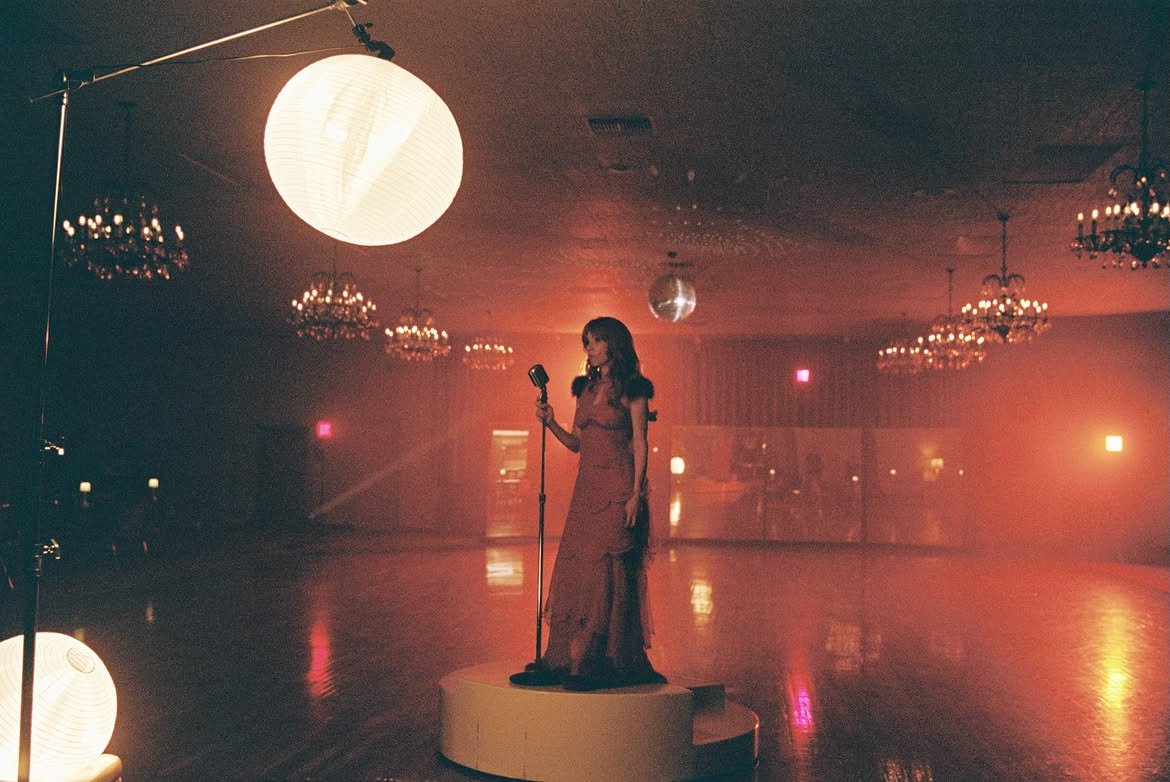



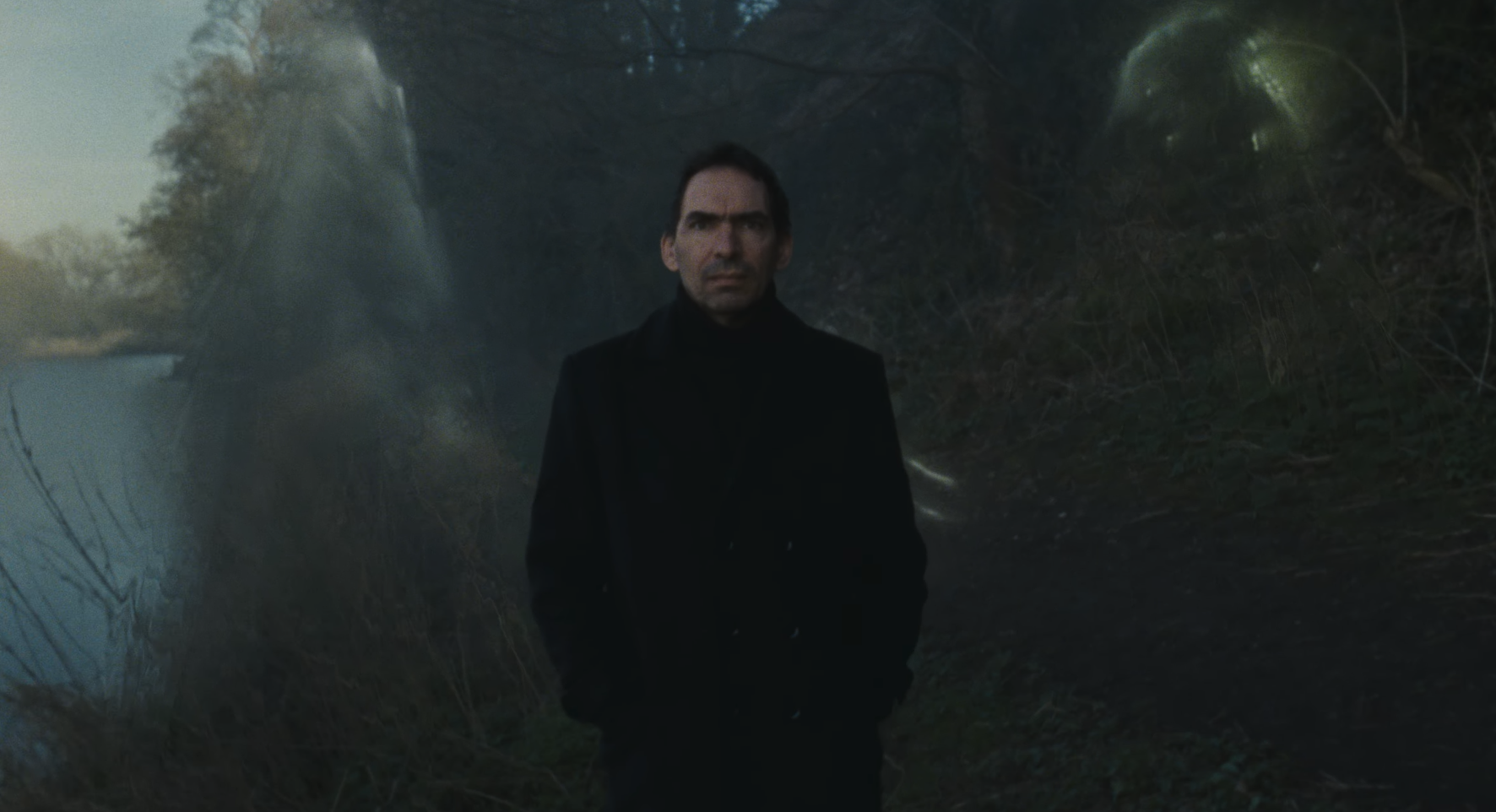




Some attractions arrive like a fever: quiet at first, then suddenly impossible to ignore. Greek-born, Brooklyn-based artist OXFLOYD captures that escalation on “obsessed w u,” an alt-pop single shaped around limerence, romantic fixation, and the dangerous appeal of willingly overlooking every warning sign…