
Inside “Loveland,” Suki Waterhouse’s Most Confident Album Yet
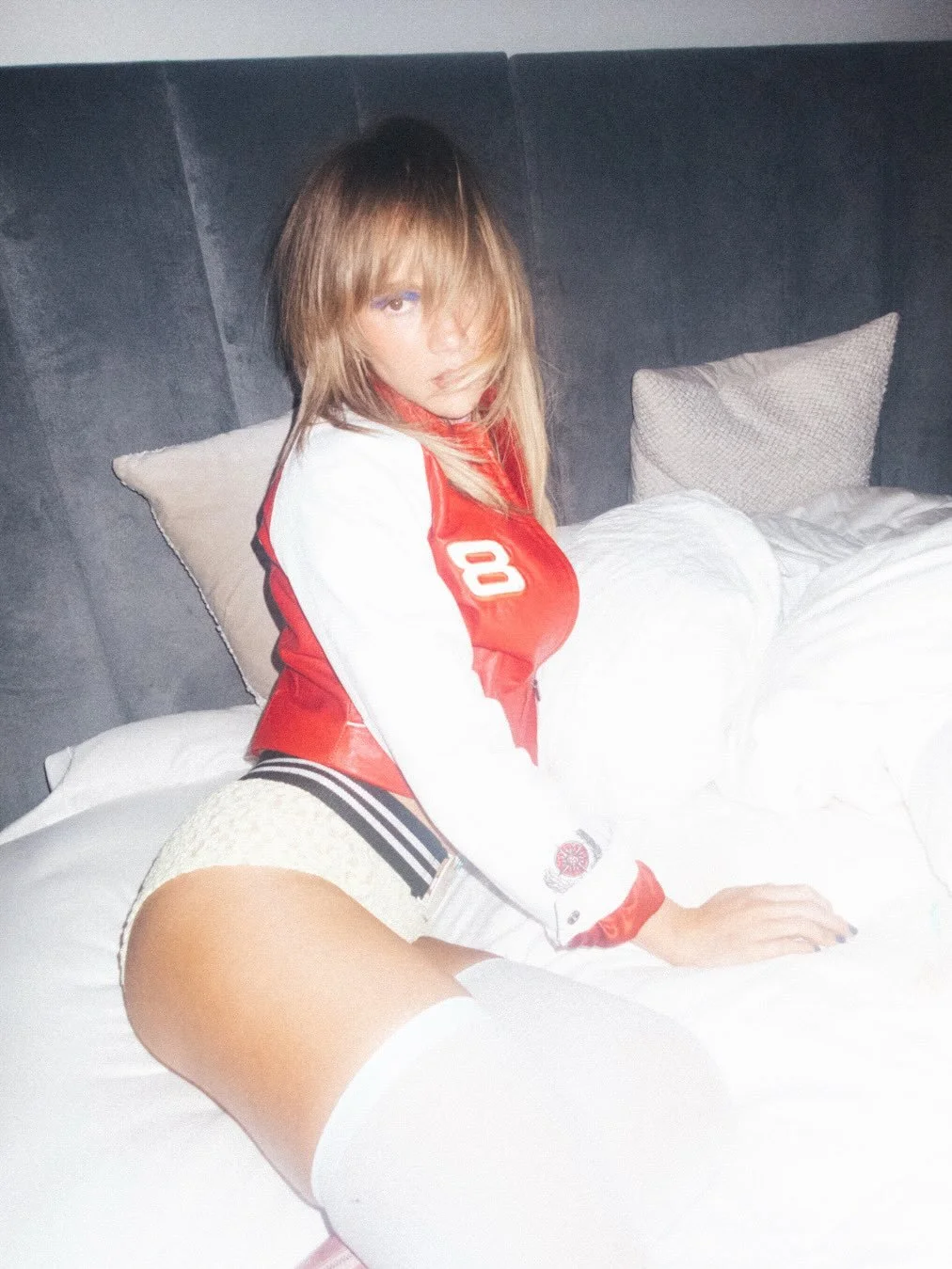
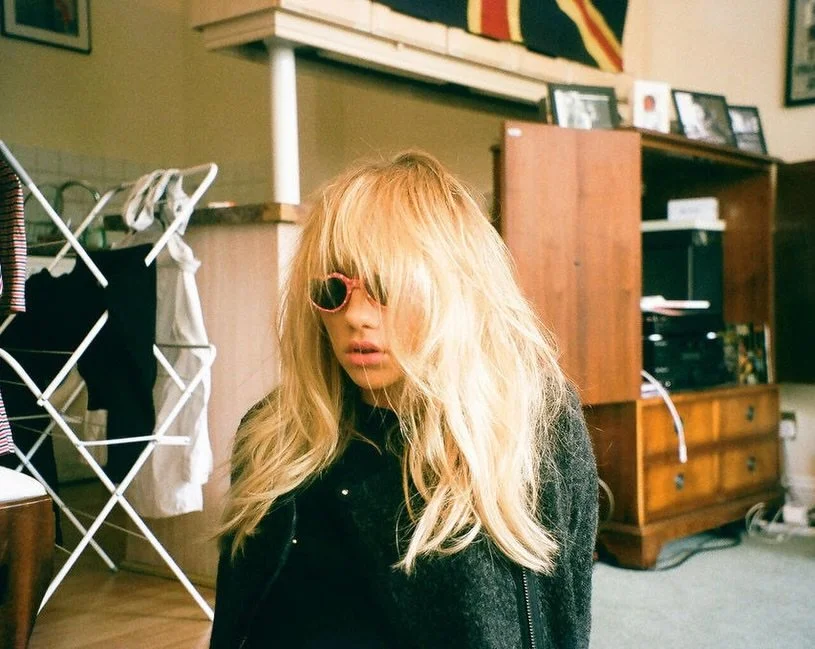
Suki Waterhouse’s career once invited the familiar “model-turned-musician” description. With “Loveland,” that framing feels increasingly inadequate. Indeed, the project is Waterhouse’s third studio album and her first full-length release through Island Records. Its 14 tracks run for approximately 43 minutes, moving between soft rock, indie pop, folk textures and flashes of ’70s-inspired warmth. The record follows 2024’s sprawling “Memoir of a Sparklemuffin,” but its emotional focus is tighter: Waterhouse is documenting the distance between an earlier version of herself and the person she is becoming. That transformation gives Loveland a stronger purpose than simply extending her catalogue. It captures an artist whose music career is no longer a secondary branch of her public identity.
The tracklist includes:
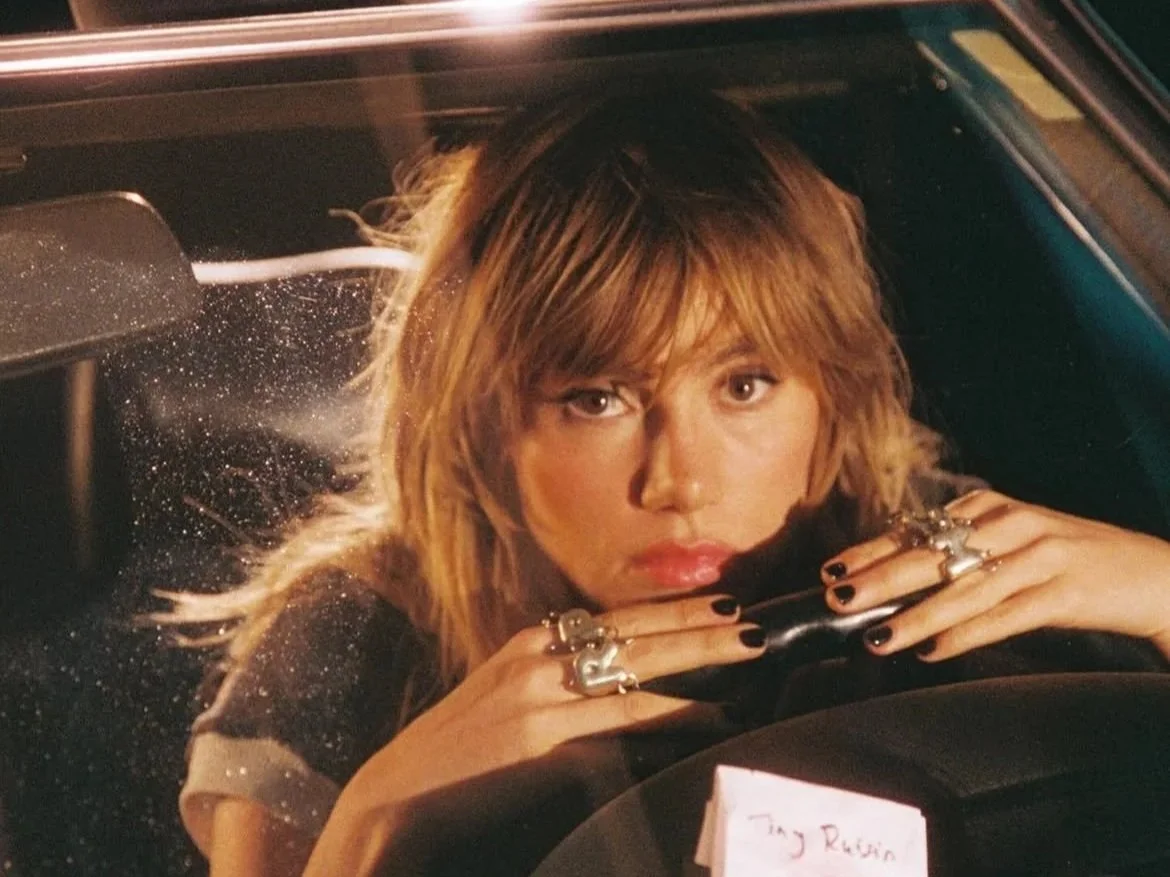
The tracklist includes:
Back in Love
Any Man,”
Happy With It
Notting Hill
Teardrops
When I Get Drunk (I Want You Boy)
Jukebox
Seasons
Tiny Raisin
Almost
Puppy Dog Eyes
Morals
Loveland
Weirdo
The sequencing moves between confidence and uncertainty. “Back in Love” introduces the project through renewed enthusiasm for life, while “Notting Hill” looks backward at the London apartment Waterhouse left behind after entering a new stage of adulthood. She has described the song as both mourning and memorializing a place connected to major experiences from her twenties. By the closing track, “Weirdo,” the album has shifted toward the emotional strain of maintaining intimacy across demanding schedules. The song addresses missing a partner while both people pursue separate careers, turning physical distance into something tender rather than catastrophic.
Waterhouse made Loveland with returning collaborators Natalie Findlay and Jules Apollinaire while also opening her process to several prominent songwriters and producers. Aaron Dessner contributed to “Seasons” and “Almost,” bringing the melodic, folk-influenced production associated with his work in the National and with artists including Taylor Swift and Gracie Abrams. Amy Allen, Joel Little, Dan Wilson and Gabe Simon also contributed across the album. The most immediately striking credit belongs to Mick Fleetwood, who plays drums on “Morals.” Waterhouse reached out after portraying keyboardist Karen Sirko in Daisy Jones & the Six, the limited series built around a fictional 1970s rock band. Fleetwood recorded multiple takes from a studio in Hawaii, creating a playful real-world connection between Waterhouse’s acting career and her increasingly serious musical work.
These collaborations obviously give “Loveland” a wider sonic frame without removing Waterhouse’s hazy, romantic identity. Apple Music characterizes the album as a lush blend of soft rock and indie pop, with sweetness and provocation existing side by side.
Waterhouse began creating Loveland soon after completing Memoir of a Sparklemuffin. During that period, she was also adjusting to parenthood and reconsidering how family, touring and creative ambition could coexist. She has been careful not to describe Loveland simply as an album about becoming a mother. Instead, that experience deepened its underlying tension: the friction between complete commitment to an artistic life and the desire to remain present for someone else. Waterhouse has identified “Weirdo” as one of the songs where those feelings emerge most directly. That distinction matters. The album does not reduce personal change to a single life event. It examines identity as something unstable—reshaped by love, relocation, responsibility, success and the fear that fulfilling one dream might create distance elsewhere.
Waterhouse released her debut album, “I Can’t Let Go,” in 2022 before spending years touring, opening for Taylor Swift, appearing at major festivals and building a music audience that increasingly exists independently from her fashion and acting profiles. “Loveland” strengthens that separation. It is not marketed as a novelty from a celebrity exploring music between film roles. It arrives through a major-label campaign with established collaborators, multiple videos, physical editions and an extensive tour schedule extending into October. Announced dates include festival appearances and headline shows with Charlotte Lawrence, Rochelle Jordan and Love Spells supporting selected performances.
Her different audiences still overlap. Some listeners first encountered Waterhouse through fashion, film or Daisy Jones & the Six. Others know her through “Good Looking,” the catalogue track that found a much larger audience years after its original release. The significance of Loveland is that it gives those listeners a complete, current project to enter. Waterhouse’s expanding career is therefore not a story about abandoning one medium for another. It is about music becoming the centre of a creative identity that once appeared divided among several industries. On “Loveland,” she sounds less concerned with proving that she belongs. She is documenting what belonging feels like after the life around her has changed.
Enjoyed the read? Consider showing your support by leaving a tip for the writer
TRENDING NOW


CONNECT WITH US





FEATURED

Laeky’s “caller waiting” is built from emotional exposure, but its production refuses to collapse into fragility. The Australian artist threads syncopated acoustic guitar riffs through understated indie-pop drums, subtle bass, and soft synth textures, creating a frame that feels both restless and suspended. Her sultry, yearning vocal…