
Chainsaw Man’s Hidden Final Fantasy Reference Is Going Viral Again
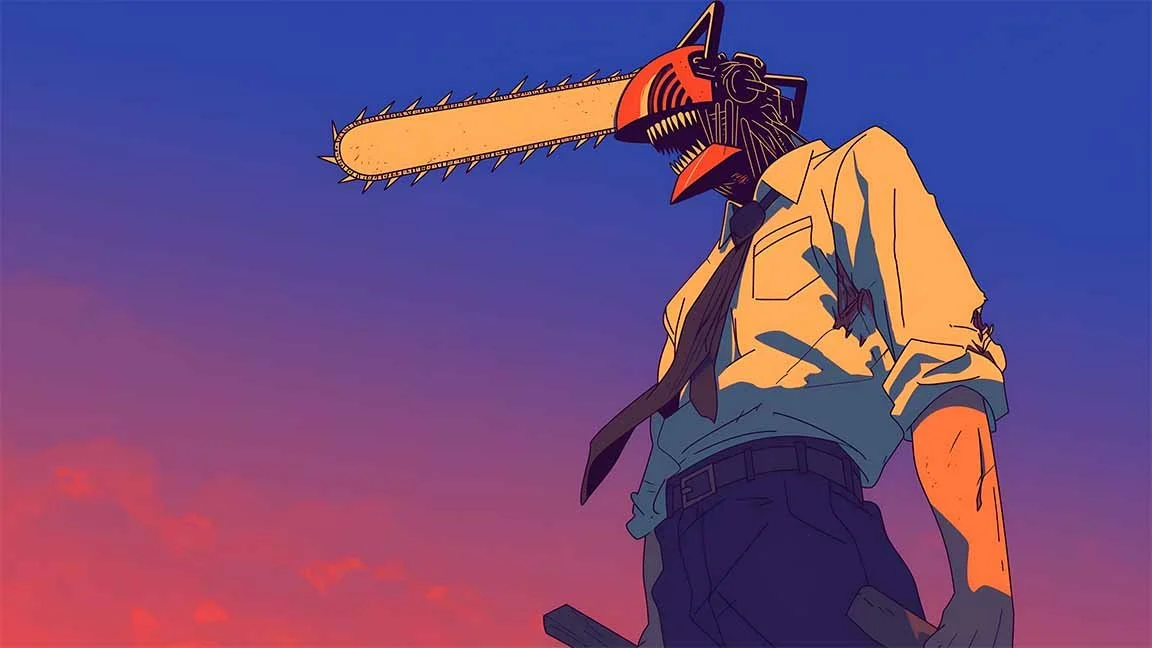
Chainsaw Man fans have found a new reason to revisit one of the anime’s most stylish hidden details. A subtle Final Fantasy-inspired reference from Episode 7 is going viral again, reminding viewers how much visual personality MAPPA packed into the series beyond its main story.
The moment appears in the Episode 7 ending sequence, which transforms the anime’s chaotic dinner atmosphere into a retro 90s JRPG-style presentation. With pixel-art characters, text boxes, menu-like layouts, and old-school game energy, the sequence instantly evokes the golden age of Japanese role-playing games. For many fans, the visual language feels especially close to classic Final Fantasy, where dramatic character moments often unfolded through simple sprites, dialogue windows, and emotional music.
That is why the reference is catching attention again. It is not loud or obvious. It feels like a small creative wink for fans who grew up with JRPGs, especially those familiar with the visual grammar of Final Fantasy VII and similar PlayStation-era games.
What makes the detail work is how naturally it fits Chainsaw Man. Tatsuki Fujimoto’s world has always been full of cinematic and pop-culture DNA. The anime adaptation continued that spirit by giving each episode its own ending theme and visual identity. Instead of using one repeated outro, Chainsaw Man treated its endings like miniature art experiments.
Episode 7’s ending stands out because it changes the mood completely. The main episode is messy, absurd, and emotionally disorienting, while the ending turns that energy into something playful and nostalgic. It feels like the anime briefly slips into another medium, as if Denji and the group have been dropped into an old RPG party menu.
That blend of violence, comedy, awkward humanity, and pop-culture pastiche is exactly why Chainsaw Man remains so rewatchable. The series does not only tell its story through dialogue and action. It hides extra flavour in framing, music, editing, references, and visual jokes.
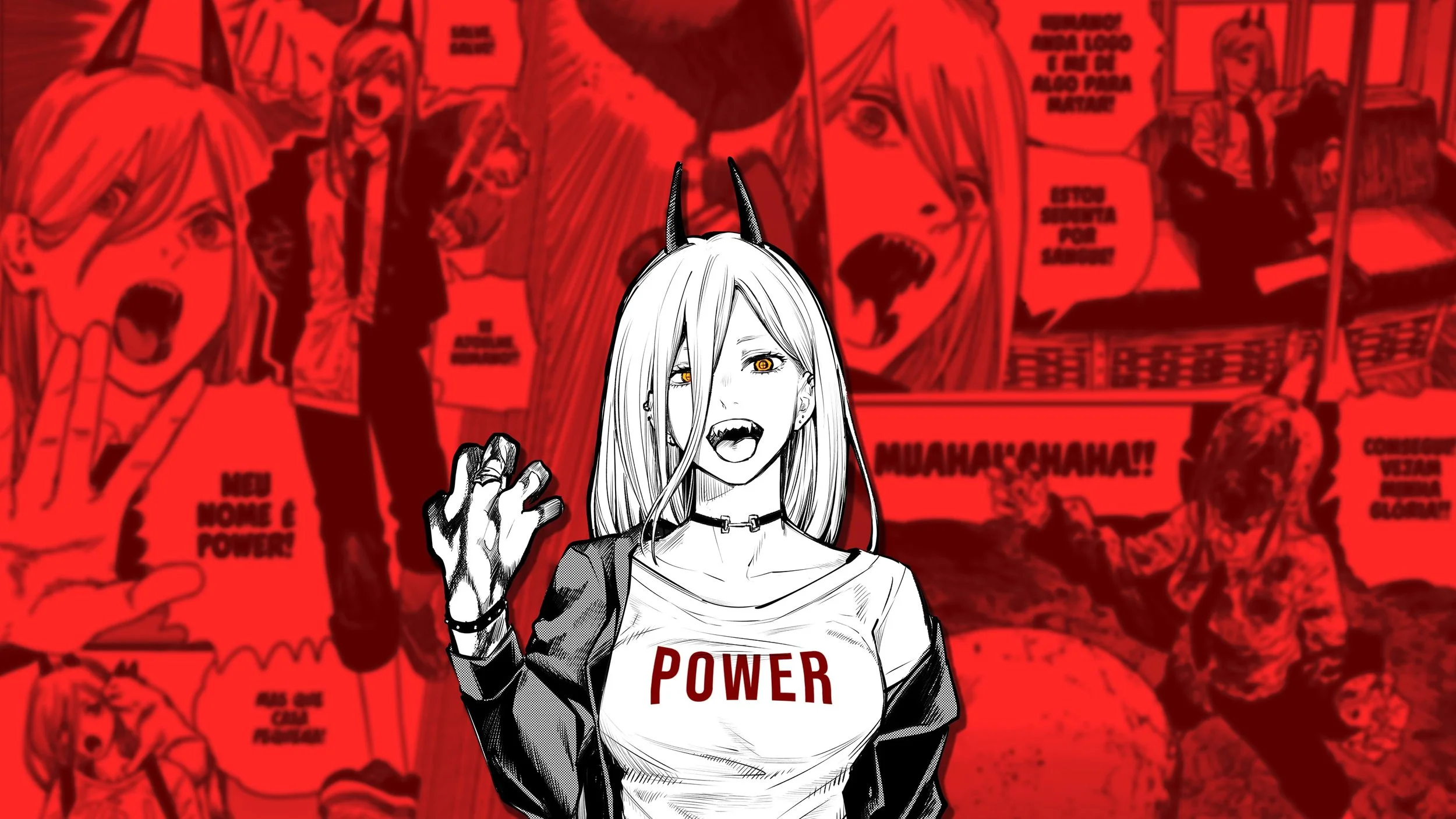
The resurfaced Final Fantasy comparison also shows how anime fandom works in 2026. Details that many viewers missed during the original broadcast can suddenly return years later through clips, screenshots, fan edits, and social media discussion. A small homage becomes a viral discovery. A forgotten ending becomes a conversation piece again.
It also proves how deep the connection between anime and gaming culture still is. Chainsaw Man may not be a video game anime, but its Episode 7 ending uses gaming nostalgia to create instant emotional recognition. Fans understand the reference because JRPG imagery has become part of global pop culture’s shared memory.
For newer viewers, the viral moment is a perfect reminder to pay attention to Chainsaw Man’s endings. They are not disposable credits. They are part of the experience — strange, stylish, genre-aware, and often packed with references that reward close watching.
That is why this hidden Final Fantasy homage is going viral again. It captures what makes Chainsaw Man special: the anime can be brutal, funny, cinematic, nostalgic, and unexpectedly clever all at once.
Even years after its first season, fans are still finding new reasons to talk about it. That is not just good animation. That is lasting pop-culture design.
Enjoyed the read? Consider showing your support by leaving a tip for the writer
Featured






Follow Us










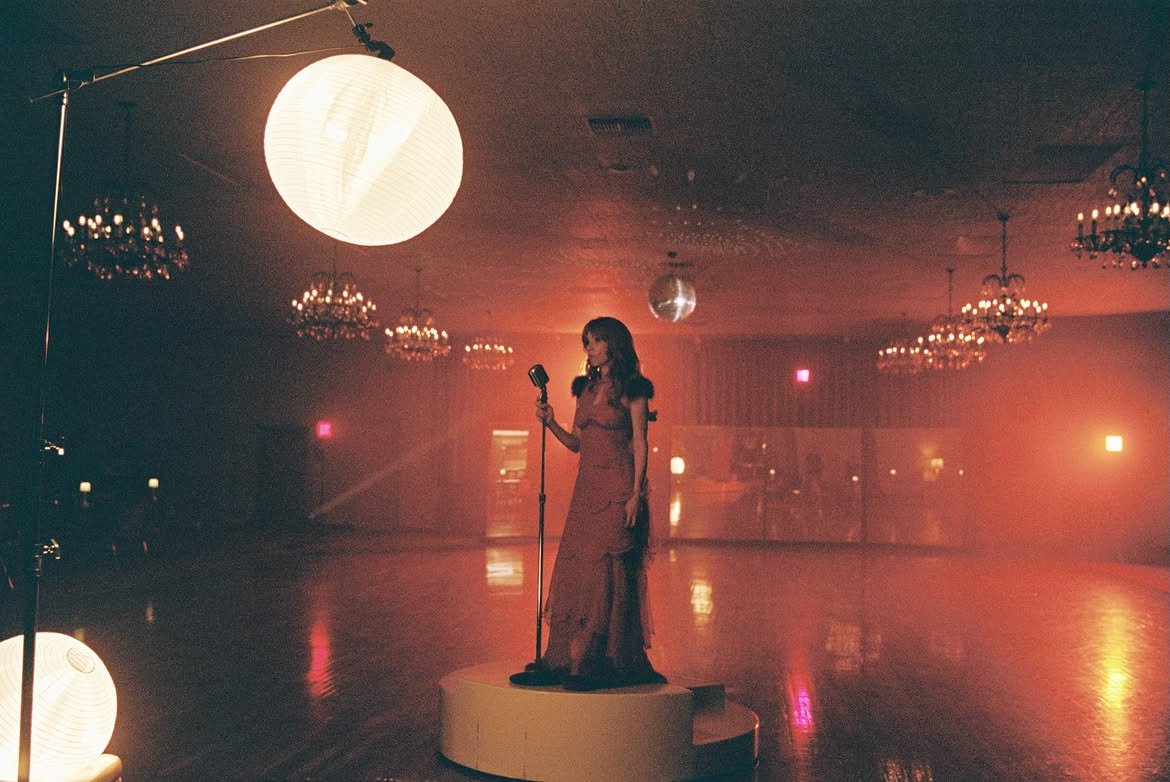



Desiree Choy’s “Never Want It to End” glows with the soft architecture of a perfect evening held just before it disappears. The American, LA-based singer, songwriter, and actress shapes the single through Alternative / Indie R&B and Alt Pop, bringing a chill coastal feeling to a song about wanting…