
Why So Much Modern Pop Music Feels Emotionally Empty

There is something strangely frustrating about a lot of modern pop music. It often sounds expensive, polished, and technically clean, yet leaves almost no emotional residue behind. The vocals are smooth, the hooks are immediate, and the production is glossy enough to slide easily into playlists, commercials, and social media clips. But once the song is over, there is often very little to hold onto. It may sound good in the moment, but it does not feel like much. That is why so many listeners believe that modern pop music feels emotionally empty. One of the biggest reasons is that too many artists now sound eerily similar. The tones are similar, the melodies are shaped in similar ways, the production choices lean on the same fashionable textures, and even the emotional delivery often feels copied from the same template. You can jump from one song to another and feel like you are hearing different versions of the same artistic personality. That sameness drains excitement from the listening experience. Music becomes less about discovery and more about repetition with slightly different packaging.
The problem is not only sonic. It is also lyrical. A lot of pop songwriting circles around the same subjects again and again, usually with the same safe language. Romance, lust, heartbreak, late-night regret, vague empowerment, emotional confusion — these themes are not bad in themselves, but the way they are handled has become painfully predictable. So many songs feel like they are assembled from familiar phrases and fashionable sentiments rather than written from an actual inner life. When the writing keeps revisiting the same emotional territory without new insight, it starts to feel mechanical. The result is repetitive songwriting in pop music that gestures toward feeling without really deepening it. That predictability is part of the larger issue. Pop music used to thrive on surprise as much as catchiness. A great pop song could still be weird, revealing, theatrical, or emotionally risky. Now, too much of it feels pre-smoothed and strategically assembled. You can often guess where the chorus is going, what the lyrical angle will be, what kind of beat switch might arrive, and how the emotional climax will be staged. The music does not unfold so much as confirm expectations. That is why predictable pop music can feel so deadening even when it is professionally made.
Overproduction adds to that emotional flatness. Many modern pop songs are so corrected, tightened, and refined that they lose the imperfections that make performances feel human. Every note is in place. Every beat is locked. Every sound is sculpted for maximum cleanliness. But emotion is not always neat. Sometimes a line needs strain. Sometimes a voice should crack slightly. Sometimes a rough edge carries more truth than a perfect take. When too much is cleaned up, the humanity gets thinned out. What remains is often a technically impressive shell with less spirit inside it.


Streaming culture has made this worse. Songs are now often built for fast impact, replay value, and playlist compatibility. That means artists and producers are under pressure to make tracks that feel instantly familiar and easy to digest. Risk becomes less attractive. Oddness becomes less welcome. Instead of building distinct identities, many artists end up leaning into what already works. This is one reason why pop artists sound the same now more than ever. The system rewards resemblance. If a certain vocal style, beat pattern, or lyrical mood performs well, it gets repeated until it becomes a formula.
From a human perspective, this is where the emotional emptiness really begins to show. Listeners are not only reacting to polished production or catchy hooks. They are reacting to a lack of surprise, a lack of individuality, and a lack of deeper emotional specificity. People can sense when a song was written because someone had something urgent to say, and they can also sense when a song was built to fit neatly inside a commercial lane. One feels lived-in. The other feels manufactured. Of course, not all modern pop is emotionally empty. There are still artists who bring freshness, risk, and genuine personality into the genre. But those artists often stand out precisely because they resist the flattening forces around them. They sound like themselves. Their writing does not endlessly recycle the same emotional topic in the same tired way. Their music carries tension, unpredictability, and an actual point of view. That is what too much mainstream pop is missing.
It is not just emotion. It is identity.
When too many artists sound alike, write about the same subjects, and build songs that follow the same emotional blueprint, pop stops feeling alive. It becomes efficient rather than affecting. Pleasant rather than powerful. Clean rather than memorable.
And that is why so much modern pop music, for all its shine, ends up feeling hollow at the centre.
Featured












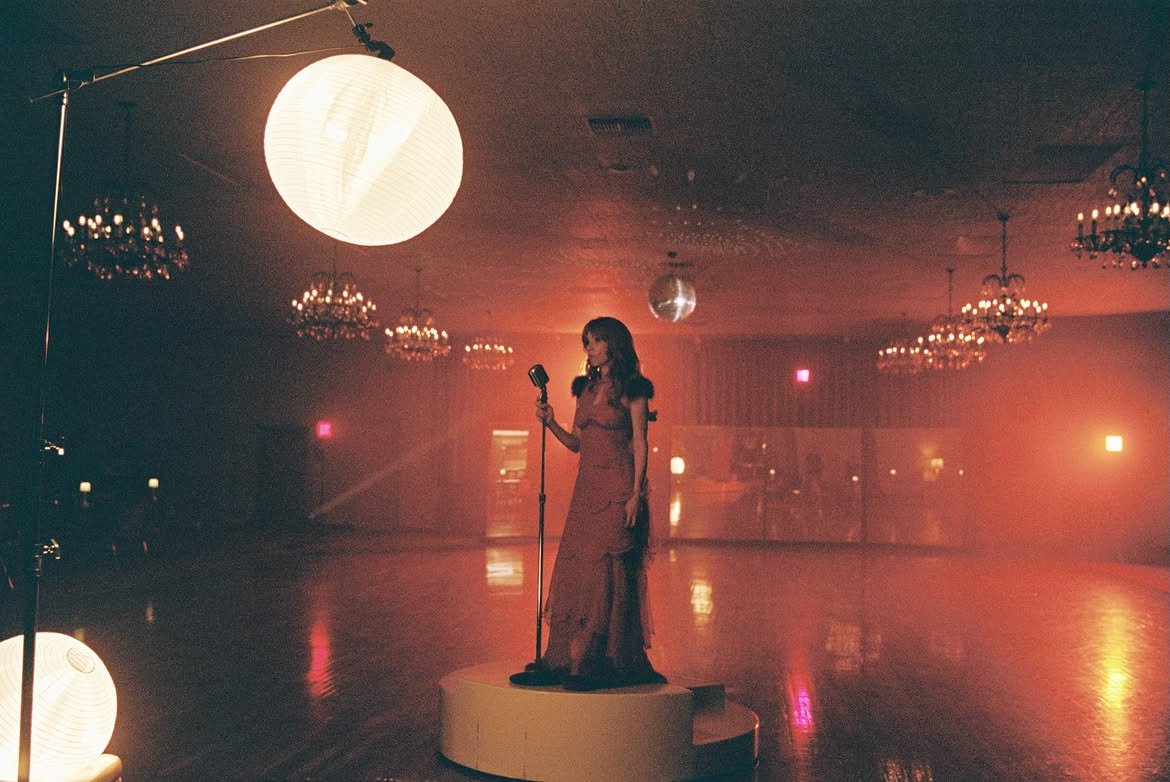





Eva Rose approaches heartbreak with unusually clean logic on The Last Laugh, her 13-track American Indie Pop debut. The album is guitar-driven, candid, and often funny, but its real strength is restraint. Rose does not treat pain as spectacle. She breaks it into recognizable behaviors: staying too long, romanticizing…