
Why Everything Feels More Expensive in Canada in 2026

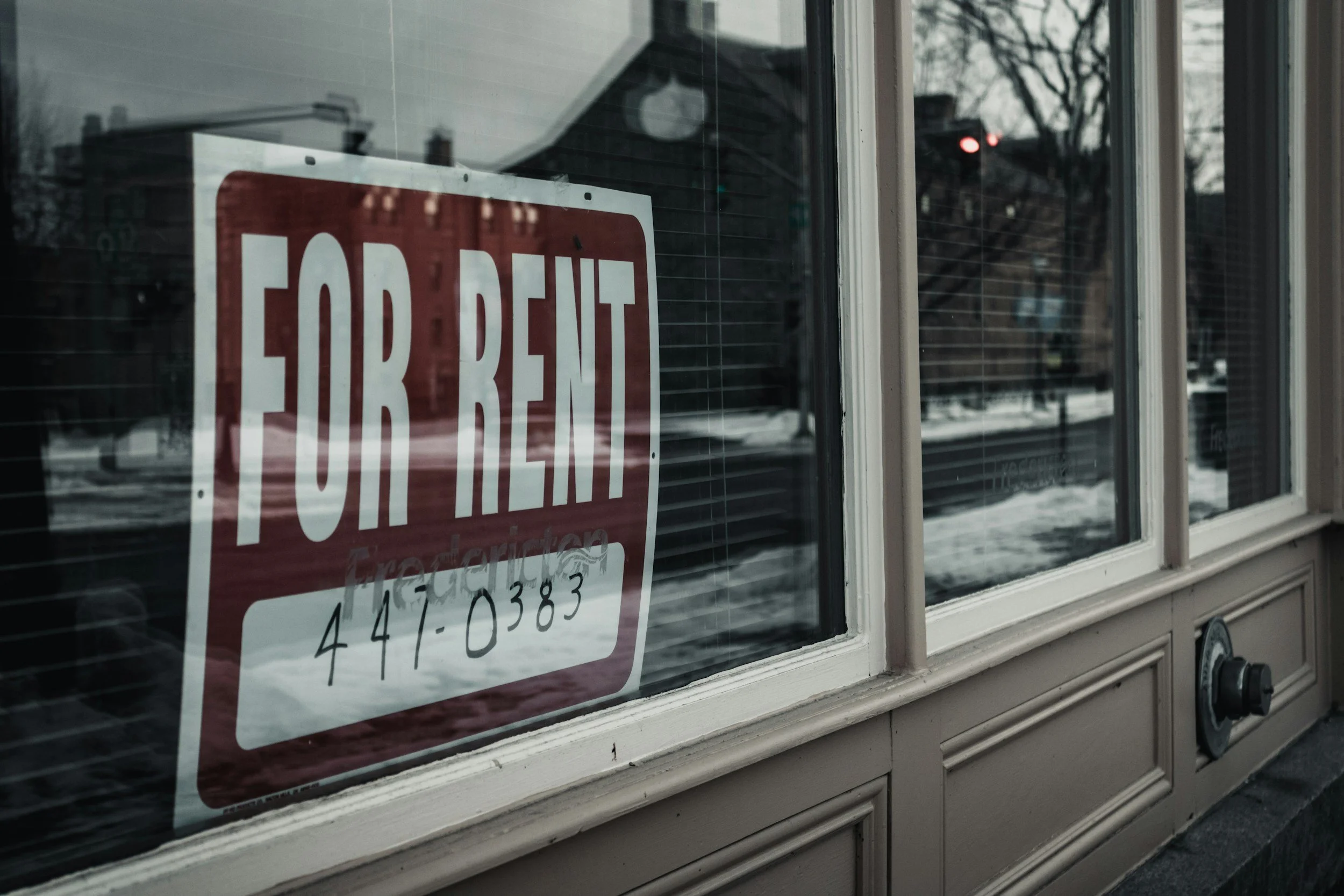
Groceries, rent, insurance, and daily essentials continue to strain household budgets in 2026. That is that particular kind of fatigue shaping life in Canada lately. It is not loud enough to call a crisis every morning, but it is persistent enough to colour nearly every ordinary decision. You feel it in the grocery aisle, where a handful of essentials somehow becomes an unexpectedly expensive outing. You feel it when rent comes due, when your insurance renews, when a simple meal out begins to feel like a mild act of financial irresponsibility. The pressure is not always theatrical. That is precisely what makes it so effective. It lingers.
By the broadest official measure, inflation in Canada has cooled. Statistics Canada reported that the Consumer Price Index rose 1.9% year over year in March 2026, a figure that sounds restrained compared with the sharper turbulence Canadians have already endured. But national averages can be strangely deceptive. They flatten the lived experience. They soften the emotional truth of what households are actually confronting, which is that many of the most unavoidable costs of daily life remain elevated in ways that still feel abrasive. Rent was up 3.9% year over year in February 2026, passenger vehicle insurance premiums rose 8.2%, and restaurant food prices were up 7.8%.
Groceries remain among the clearest symbols of that ongoing squeeze. Canada’s Food Price Report 2026 forecasts that food prices will rise by 4% to 6% this year, with the average family of four expected to spend as much as $17,571.79 on food in 2026. The same report notes that food prices are now 27% higher than they were five years ago.
Those figures explain why grocery shopping no longer feels routine for so many people. It has become a subtler kind of negotiation, one shaped by hesitation, comparison, and quiet compromise. Canadians are weighing basics with a level of scrutiny that once belonged more to luxury purchases. Items that used to feel unremarkable now carry an unmistakable sense of cost. The effect is cumulative. No single item needs to look outrageous for the final total to feel vaguely absurd.
Housing, meanwhile, continues to cast the longest shadow. There are indications that some of the frantic intensity in the rental market has eased. CMHC reported that Canada’s purpose-built rental vacancy rate rose to 3.1% in 2025, up from 2.2% in 2024, driven in part by increased supply. Yet improved vacancy rates do not automatically translate into genuine affordability. In practical terms, many renters are still operating within a market where prices remain painfully high, especially in major urban centres.
This is one of the more maddening characteristics of the current moment in Canada: conditions can improve statistically while remaining deeply uncomfortable in real life. A market may be less overheated than before and still feel punishing to anyone trying to secure decent housing without surrendering an unreasonable share of their income. That is the difference between economic language and human experience. One speaks in percentages. The other speaks in strain.
Insurance offers little relief. It is one of those expenses that feels especially grim because it comes without even the illusion of enjoyment. Statistics Canada’s latest figures show that passenger vehicle insurance premiums were up 8.2% year over year in February 2026. For millions of Canadians, particularly those living beyond dense downtown cores, driving is not a luxury but a practical necessity. A rise in insurance costs, then, is not an optional inconvenience. It is another unavoidable subtraction from already stretched monthly budgets.
Dining out has also become more deliberate than spontaneous. Statistics Canada reported earlier this year that restaurant prices had risen sharply year over year, a comparison partly shaped by the temporary GST/HST break in early 2025. Even with that context in mind, the broader reality remains: what was once a casual convenience now often feels like a calculated expense. A modest outing carries the weight of a decision.
Then there is the quieter pressure that receives less cultural attention but still affects how money feels at the household level. In 2026, maximum CPP contributions rose to $4,230.45 for employees and $8,460.90 for self-employed Canadians. These are not prices in the conventional retail sense, but they do shape disposable income, and disposable income is what people measure instinctively when they try to understand why their earnings seem to vanish so quickly.
To be fair, not every category is moving upward. Some energy-related costs have eased, including gasoline prices earlier in the year. Yet that kind of relief does not fully change the atmosphere when the costs most central to ordinary life — food, housing, insurance, and other recurring essentials — continue to feel stubbornly high. Canadians are not merely responding to whether inflation is technically lower than before. They are responding to the accumulated cost of existing.
That is the more interesting truth about affordability in Canada in 2026. The issue is no longer just rapid inflation in the dramatic sense. It is the afterlife of inflation. It is the lingering reality of a country where the baseline cost of ordinary life has shifted upward and refused to settle back into something gentler. The economy may look calmer from a distance, but daily life still carries the texture of pressure.
And that is why so many Canadians remain uneasy. Not because every price is spiralling out of control at once, but because enough essential ones are still high enough to make normal life feel heavier than it should. In 2026, expense in Canada is no longer merely an economic condition. It is a social mood, a domestic rhythm, a quiet erosion of ease.
Featured














Amistat build “everything in between” from small gestures: breath, friction, restraint, and the quiet pressure of two voices moving as one. The American Indie Folk project is chill, laidback, and vintage in surface tone, but its emotional structure is more exact than casual…