
How to Create a Strong Music Press Kit That Actually Gets Attention
A lot of artists make the same mistake when putting together a press kit: they treat it like a folder of random materials instead of a sharp introduction to who they are. A strong music press kit is not just a place to dump photos, links, and a vague biography. It is your professional handshake. It is often the first real impression a blog, playlist curator, promoter, manager, venue, or label gets of you. If it feels messy, generic, or incomplete, people may assume your music is the same.
That may sound harsh, but it is true.
The good news is that learning how to create a music press kit is not about pretending to be bigger than you are. It is about presenting your work with clarity, confidence, and a sense of identity. A good press kit should make someone understand you quickly. Who are you? What kind of music do you make? Why should anyone pay attention now? If your kit answers those questions cleanly, you are already ahead of a surprising number of artists.
The first thing every professional music press kit needs is a strong artist bio. This is where many musicians either say too little or way too much. Your bio should not read like a school essay or a dramatic life novel. It should be concise, vivid, and purposeful. Give people a clear picture of your sound, your background, your artistic direction, and what sets you apart. If you sound like everybody else on paper, people will assume you sound like everybody else in their headphones too. A strong bio should feel human, not robotic. It should sound like a real artist with a point of view, not like a copy-and-paste template.
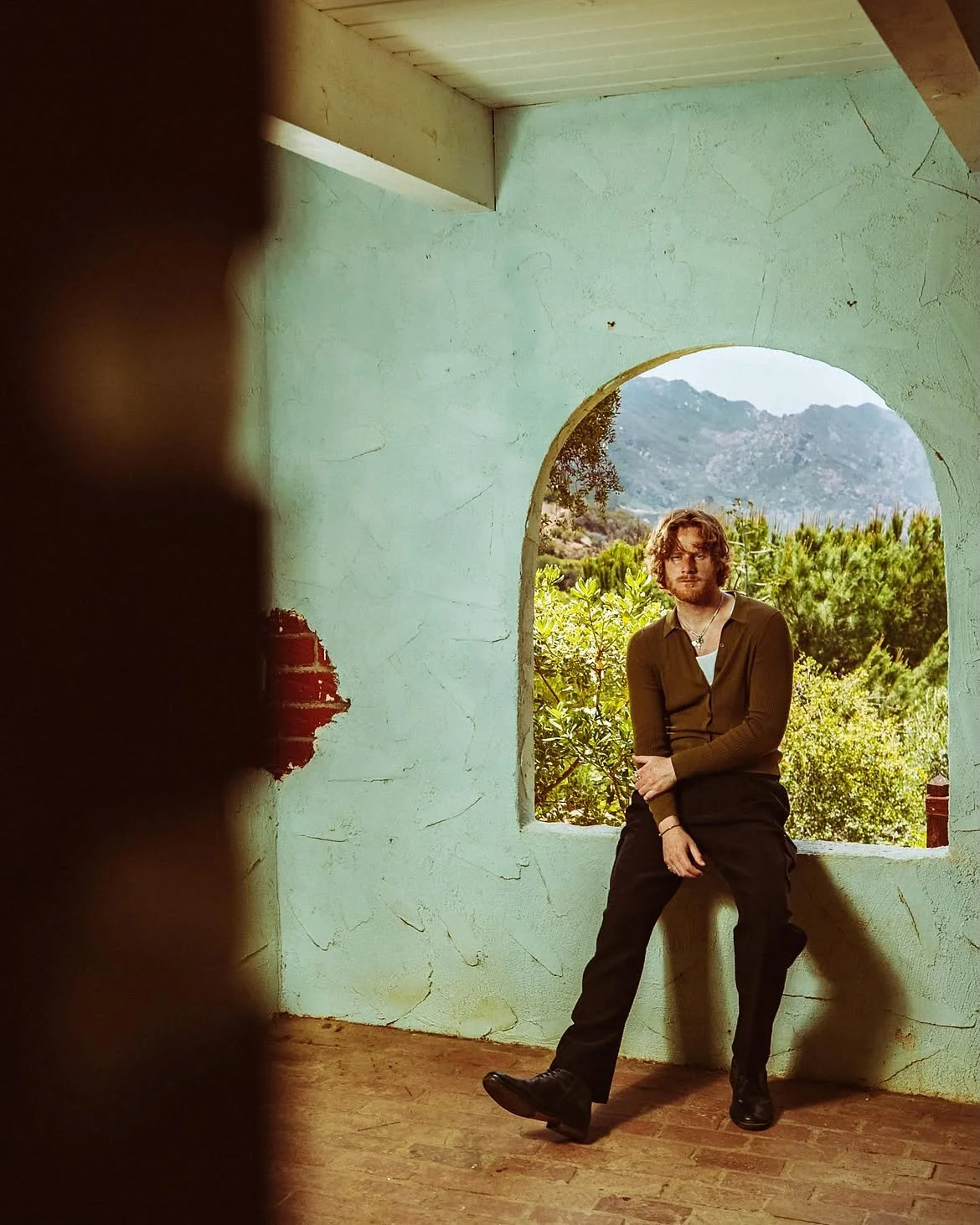
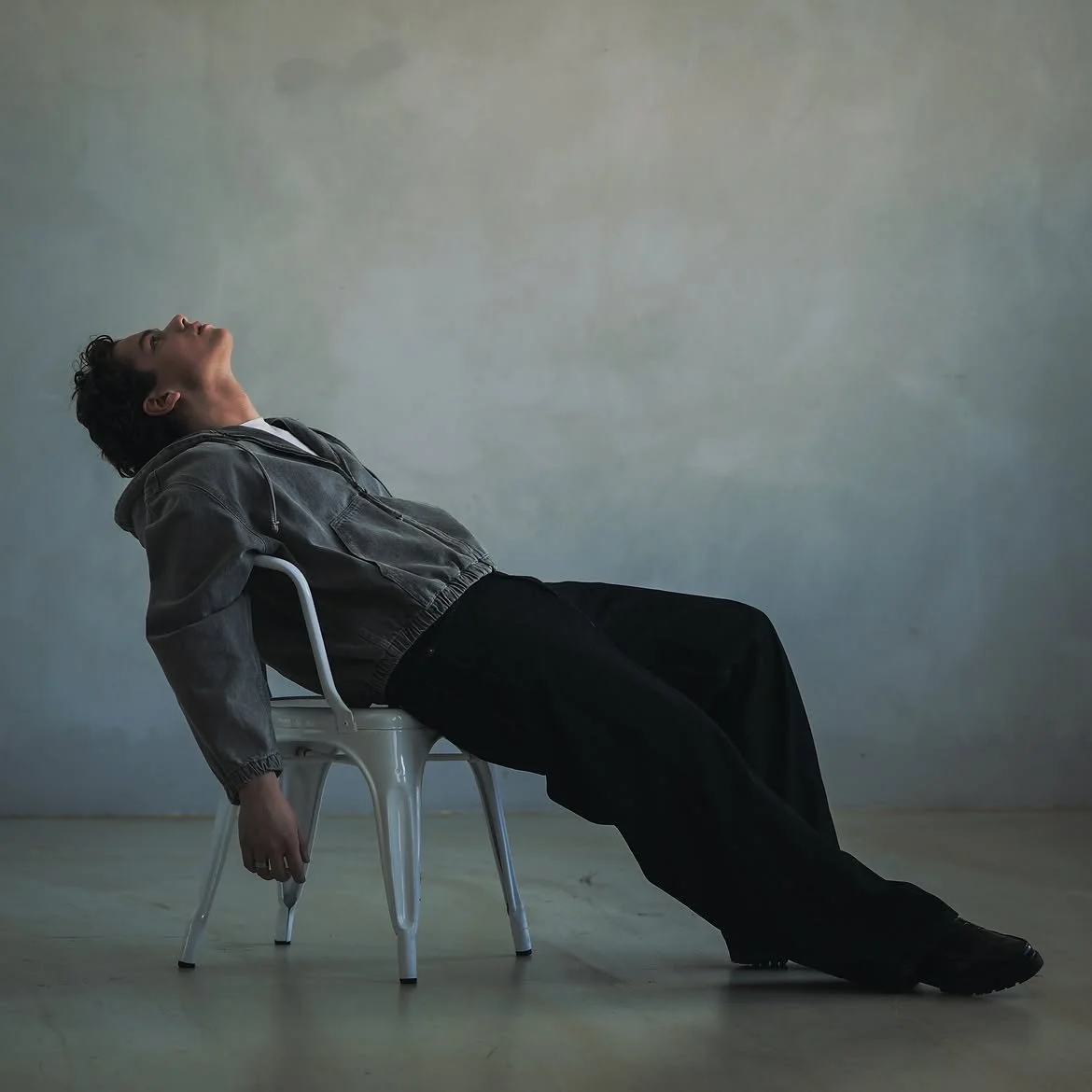
The second essential element is high-quality press photos. This part matters more than some artists like to admit. If your music sounds serious but your visuals look rushed, dark, blurry, or inconsistent, your whole brand weakens. You do not need a ludicrously expensive photoshoot, but you do need images that look intentional. Good lighting, clean framing, strong styling, and a mood that matches your music all make a difference. People in media and industry spaces often need photos quickly for articles, event pages, or promotional material. If your images are usable, you become easier to feature.

Another major part of a music EPK for artists is the music itself. This sounds obvious, but many artists bury their best work under too many links or make people search for the song they are trying to promote. Do not do that. Lead with your strongest release. Include direct streaming links, private listening links if needed, and a simple explanation of what the release is. Is it a single, EP, album, or upcoming project? Is there a story behind it? Has it already gained traction? Make the listening experience effortless. The more steps you force people to take, the easier it becomes for them to move on to someone else.
You should also include a short press release or release summary. This is especially important if you are promoting a new single or project. Keep it focused. Explain what the release is, when it came out, and what makes it worth covering. You can mention the mood, sonic direction, inspiration, or any meaningful context, but avoid drowning the reader in inflated claims. Saying your song is “groundbreaking” means very little if the music has not had a chance to speak yet. Let the tone be confident, but not theatrical.
One of the most overlooked music press kit tips is to include achievements without turning the kit into a brag parade. If you have playlist placements, blog coverage, radio support, notable performances, streaming milestones, or collaborations, add them. But present them cleanly. Industry people do care about momentum, but they also care about readability. A few strong highlights are more effective than a cluttered wall of minor details. Think of it as curation, not accumulation.
Contact information is another area where artists sabotage themselves. A surprisingly high number of press kits make it weirdly difficult to figure out who to reach. Your email should be visible. If you have management, public relations, or booking contacts, include them clearly. Add your social links and website too. Do not make a writer or curator hunt through your Instagram bio to locate a proper contact address. Convenience matters. Professionalism often looks very simple from the outside.
When thinking about what to include in a music press kit, it helps to imagine the person opening it is tired, busy, and slightly impatient. Because quite often, they are. That means your kit should be clean, fast to scan, and free of unnecessary clutter. Include your bio, photos, music links, release info, achievements, and contact details. That is the core. You can also add music videos, live footage, tour dates, or press quotes if they genuinely strengthen your case. But only include what adds value. A strong press kit feels deliberate, not overcrowded.
Presentation matters almost as much as content. Whether you build a PDF, a webpage, or a cloud folder, everything should feel organized. File names should make sense. Links should work. Photos should be easy to download. Nothing should feel chaotic. A sloppy press kit tells people you are not ready. A polished one suggests that you respect both your work and the time of the person receiving it.
The deeper truth is that an electronic press kit for musicians is not really about impressing people with flashy design. It is about reducing friction. It helps others talk about you, book you, cover you, and understand you without confusion. That is what makes it powerful. It becomes a bridge between your art and the outside world.
From a human perspective, the best press kits do not feel like lifeless industry documents. They feel like a clear extension of the artist. They have personality. They have shape. They make you curious to listen rather than obligated to skim. That is the standard worth aiming for.
Because in the end, a strong music press kit is not about looking famous. It is about looking ready.
Featured
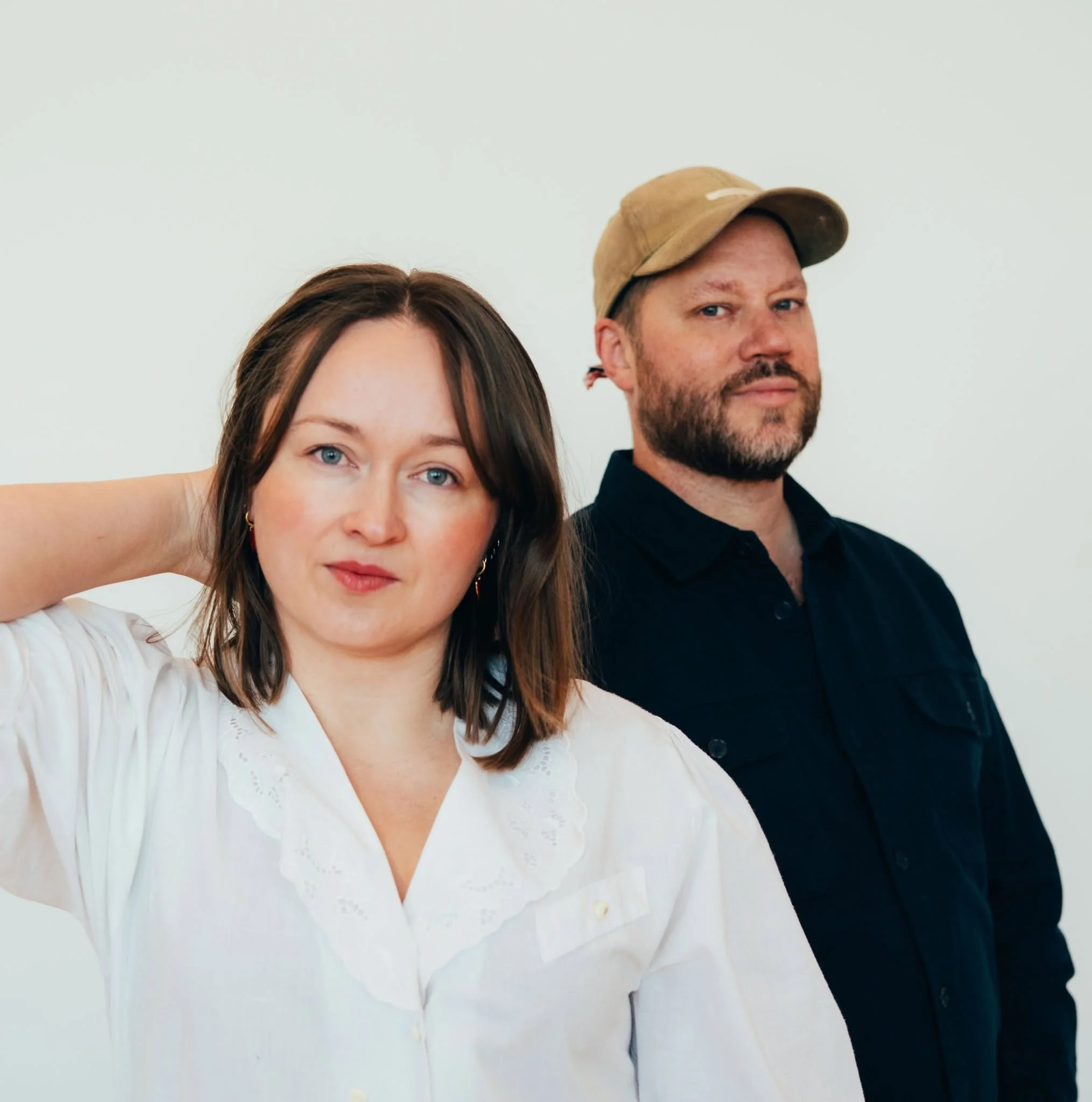









Matthew Steven Whitaker’s “HOW IT USED TO BE” lives in that ugly middle ground where a relationship has already broken, but memory keeps pretending it hasn’t. The American artist builds the track from fingerstyle acoustic and baritone rubber-bridge guitars, cello, upright…