
Why AI Cinema Is Becoming the Most Controversial Movie Topic of 2026
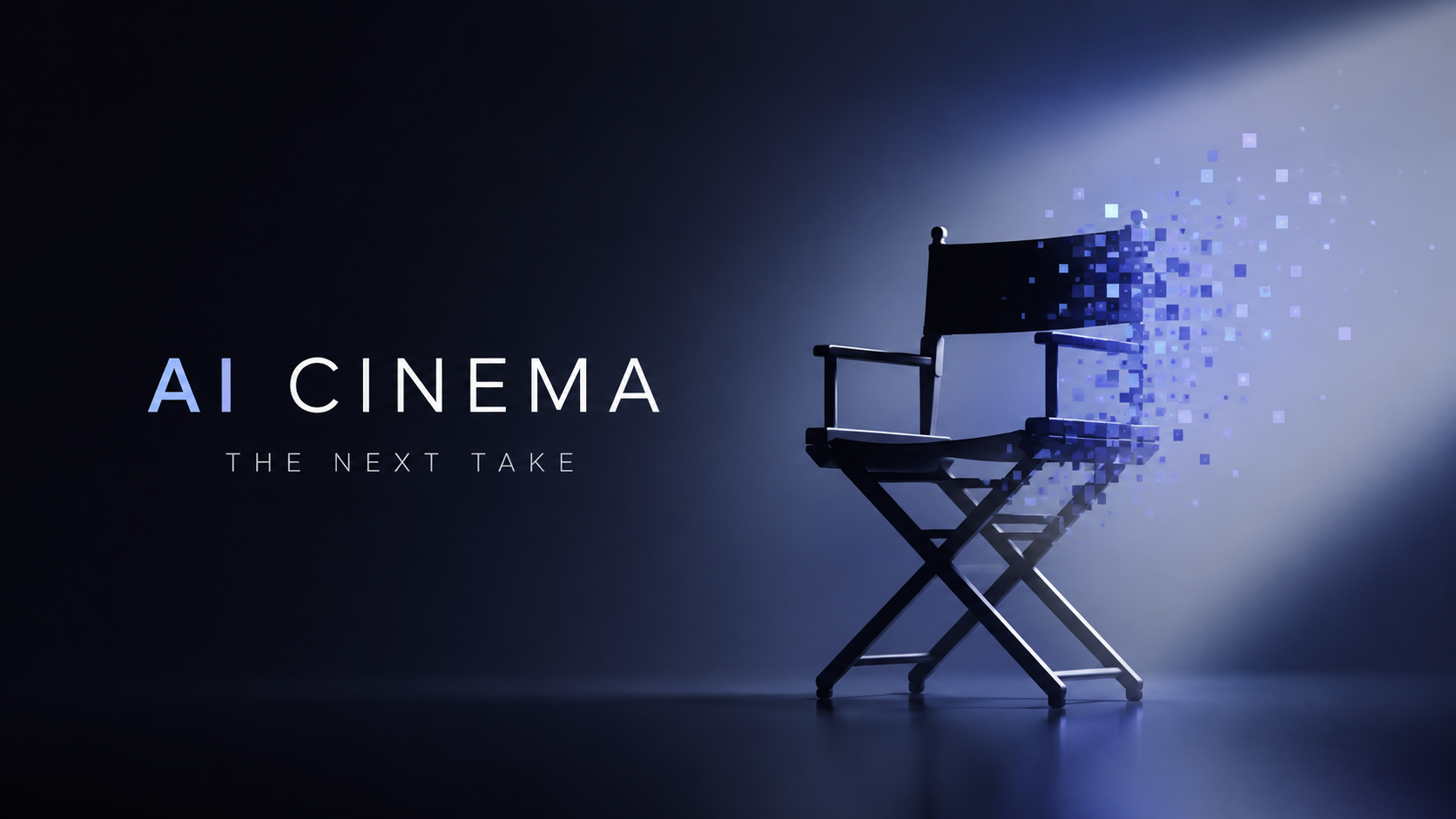
AI cinema is no longer a futuristic side conversation hiding in tech panels and experimental short-film corners. In 2026, it has become one of the most combustible subjects in the movie industry — not because artificial intelligence is suddenly appearing in films, but because it is beginning to challenge the entire meaning of authorship, labour, performance, originality, and artistic trust.
For decades, cinema has absorbed new technology with a mixture of fear and fascination. Sound changed silent film. Colour changed visual storytelling. CGI changed blockbuster scale. Streaming changed distribution. But artificial intelligence feels different because it does not simply add a tool to the filmmaker’s kit. It touches the more sacred nerve of cinema: who is creating, who is being replaced, who owns the image, and whether audiences can still believe in what they are watching.
That is why AI cinema may become the most controversial movie topic of 2026.
The debate is not really about whether filmmakers should use technology. Film has always been technological. Cameras, editing software, visual effects, motion capture, digital de-aging, virtual production, and animation have long shaped modern cinema. The deeper conflict is about agency. When AI generates images, voices, scripts, performances, backgrounds, or entire sequences, the question becomes more slippery: is the machine assisting the artist, or is the artist being reduced to a supervisor of machine output? This is where the conversation becomes emotionally charged. Supporters argue that AI could democratize filmmaking by lowering costs, accelerating production, and giving independent creators access to visual possibilities once reserved for major studios. A filmmaker without a massive budget could create elaborate environments, test ambitious concepts, or previsualize scenes with astonishing speed. In theory, AI could help smaller artists compete in a landscape dominated by franchises, studio gatekeepers, and expensive production pipelines.
But critics see a more ominous picture. To many writers, actors, animators, designers, editors, and visual artists, AI is not merely a creative shortcut. It is a potential labour-displacement machine dressed in utopian language. The fear is not that technology will help filmmakers work faster. The fear is that studios may use AI to justify hiring fewer people, paying artists less, recycling old performances, or replacing human imagination with synthetic approximation. That tension explains why actors remain central to the controversy. AI-generated likenesses and digital replicas raise questions that feel almost existential. If an actor’s face, voice, or body movement can be scanned, stored, modified, and reused, then performance itself becomes vulnerable to extraction. Cinema has always preserved performances on screen, but AI introduces the possibility of extending, altering, or simulating a performer beyond the original act of acting. That is a profound shift. It turns identity into data.
The same anxiety applies to screenwriting. An AI-assisted script may begin as a tool for brainstorming, but it can quickly become a battleground over originality. If a screenplay is shaped by systems trained on countless existing works, who deserves credit? The writer who prompted it? The machine that generated it? The artists whose previous work helped train the model? The legal system has not fully resolved these questions, and the movie industry is being forced to confront them in real time.
There is also the problem of aesthetic sameness. AI can produce impressive images, but impressive is not always meaningful. Much AI-generated cinema currently has a polished but weightless quality: beautiful lighting, cinematic faces, elaborate worlds, yet strangely frictionless emotion. It can imitate the surface of feeling without necessarily understanding the human contradiction behind it. That may improve over time, but the suspicion remains. Audiences do not only watch movies for visual sophistication. They watch for intention, imperfection, risk, and the strange pulse of lived experience.
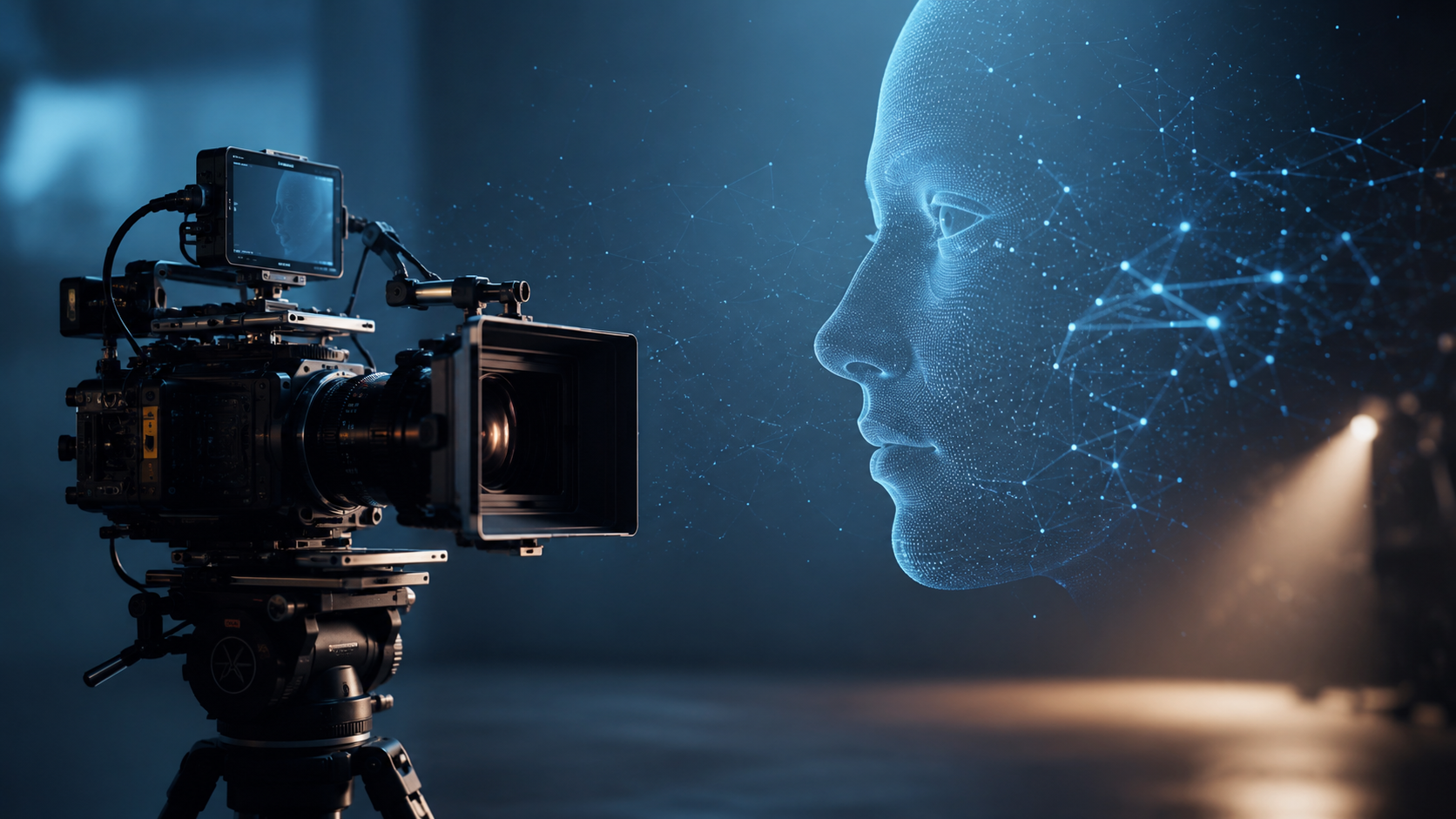
That is why the controversy is not limited to artists and unions. Viewers are becoming part of the dispute too. In 2026, audiences are more alert to artificiality than ever. They question whether trailers are real, whether posters are AI-generated, whether actors have been digitally altered, whether background extras are synthetic, and whether a film’s emotional centre comes from people or software. The more AI enters cinema invisibly, the more disclosure becomes an ethical issue.
Transparency may become one of the defining battles of the AI film era. Should studios be required to disclose when AI is used? Should awards bodies treat AI-heavy films differently? Should actors have full control over digital likenesses? Should audiences know when a voice, face, or performance has been generated or modified? These questions are no longer abstract. They are becoming industrial, legal, and cultural concerns.
The festival world is also being pulled into the argument. AI-generated shorts and AI-assisted films are already testing the boundaries of what film festivals should accept, celebrate, or reject. If a festival rewards a fully AI-generated work, is it championing innovation or devaluing human craft? If it bans AI entirely, is it protecting artists or resisting an inevitable evolution? Either choice invites backlash.
This is why AI cinema feels so volatile in 2026: both sides have legitimate points. AI can be a radical creative instrument. It can also be a predatory corporate weapon. It can expand imagination. It can flatten artistry. It can help independent filmmakers build worlds. It can help studios avoid paying the people who normally build those worlds. The tool itself is not the whole problem. The power structure around the tool is.
Hollywood’s history suggests that AI will not disappear. The industry rarely rejects technology once it becomes profitable. The more likely future is negotiation: rules, contracts, disclosures, lawsuits, audience pushback, and new creative norms. Some filmmakers will use AI tastefully and transparently. Others will use it cheaply and cynically. Some AI-assisted films may become masterpieces. Others may become glossy proof that cinema can look expensive while feeling spiritually vacant.
That contradiction is what makes the topic so fascinating.
AI cinema is controversial because it forces the movie world to answer an uncomfortable question: is cinema defined by the image on screen, or by the human struggle behind that image? If the final product looks cinematic, does the process matter? For some viewers, the answer will be no. For others, the process is inseparable from the art.
In 2026, AI cinema is becoming the industry’s great mirror. It reflects ambition, fear, greed, experimentation, insecurity, and the ancient artistic desire to make impossible things visible. The controversy will not vanish because it is not really about machines. It is about people — their labour, their faces, their voices, their stories, and their right to remain more than raw material for the next technological gold rush.
That is why AI cinema may define the movie conversation of 2026. Not because it is the death of film. Not because it is the automatic future of film. But because it is forcing Hollywood to decide what kind of future it is willing to build.
Enjoyed the read? Consider showing your support by leaving a tip for the writer
Featured








Follow Us











Laeky’s “caller waiting” is built from emotional exposure, but its production refuses to collapse into fragility. The Australian artist threads syncopated acoustic guitar riffs through understated indie-pop drums, subtle bass, and soft synth textures, creating a frame that feels both restless and suspended. Her sultry, yearning vocal…