
Millie Bobby Brown Returns in Enola Holmes 3: Why Netflix Is Still Betting Big on the Franchise
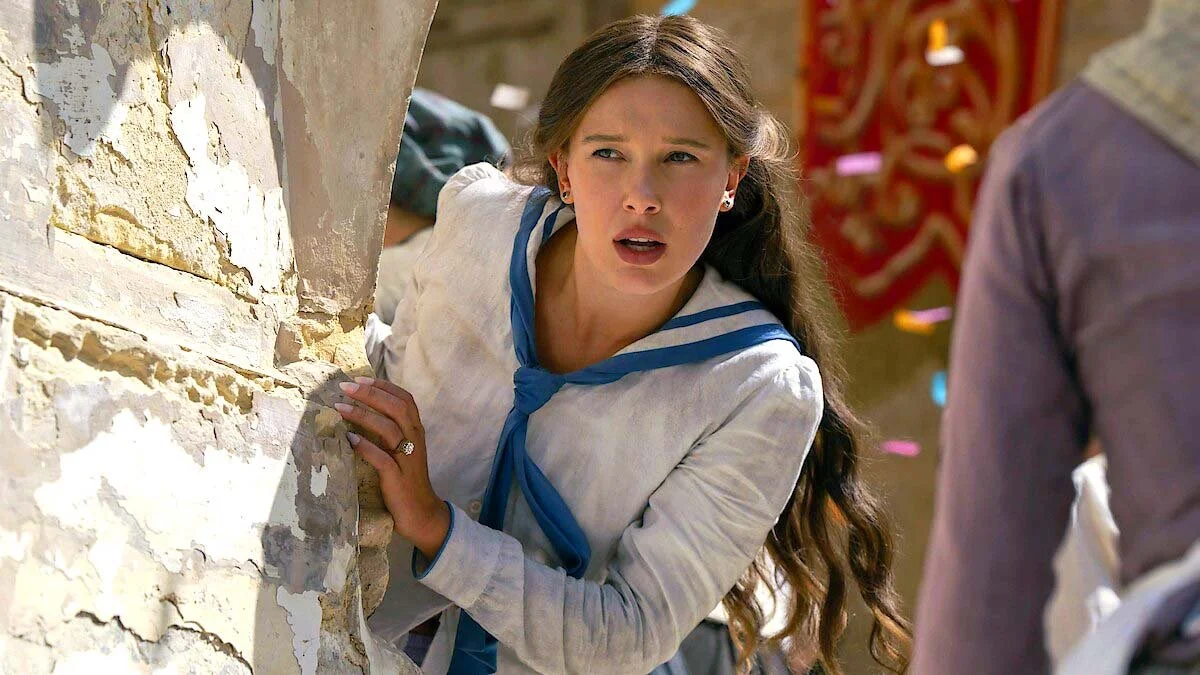
Netflix is bringing Millie Bobby Brown back as Enola Holmes, and the decision says a lot about where the streamer’s movie strategy is heading in 2026. In an era where every platform is hunting for bankable franchises, recognizable characters, and built-in global audiences, Enola Holmes 3 gives Netflix something unusually valuable: a family-friendly mystery brand with star power, literary roots, romantic momentum, and enough flexibility to keep evolving.
The third film, arriving on Netflix on July 1, 2026, places Enola in a more mature chapter of her life. No longer just Sherlock Holmes’ clever younger sister trying to prove herself, she is now a more self-possessed detective facing a case that appears to blend personal stakes with international danger. This time, the adventure takes her to Malta, where mystery, romance, and family loyalty collide after Sherlock is placed in jeopardy.
That premise alone explains why Netflix has not walked away from the franchise. Enola Holmes has never been just another Sherlock spin-off. It is a modern reconfiguration of the detective genre, built around a heroine who speaks directly to the audience, challenges Victorian expectations, and turns intelligence into a form of rebellion. The films work because they combine accessible adventure with a sharp identity: youthful, witty, stylish, feminist, and emotionally sincere without becoming saccharine.
Millie Bobby Brown remains the franchise’s strongest asset. After Stranger Things, she became one of Netflix’s most recognizable global stars, and Enola Holmes gave her a second major screen identity outside Hawkins. That matters enormously. For Netflix, Brown is not simply an actress attached to a role; she is a platform-native star whose audience has grown up alongside her. Her return gives Enola Holmes 3 continuity, familiarity, and a promotional magnet strong enough to travel across international markets.
But the franchise also works because Enola is not trapped in nostalgia. Sherlock Holmes has been adapted endlessly across film and television, but Enola Holmes gives the mythology a different emotional temperature. Sherlock is still brilliant, but the story no longer revolves around his icy genius. Instead, Enola reframes the Holmes legacy through curiosity, empathy, improvisation, and youthful defiance. She solves mysteries not because she is detached from the world, but because she is passionately engaged with it.
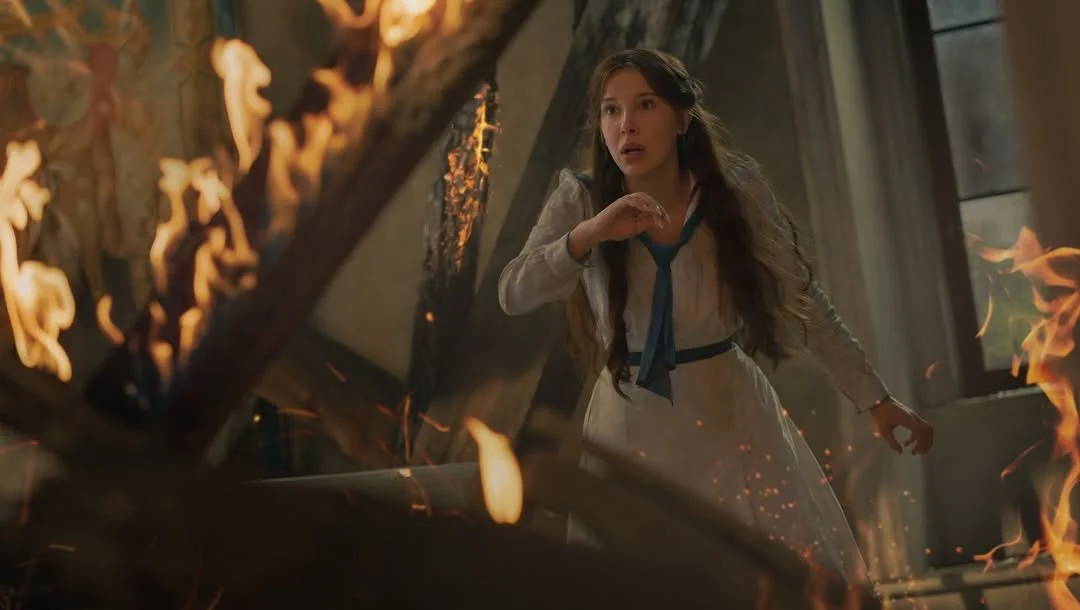
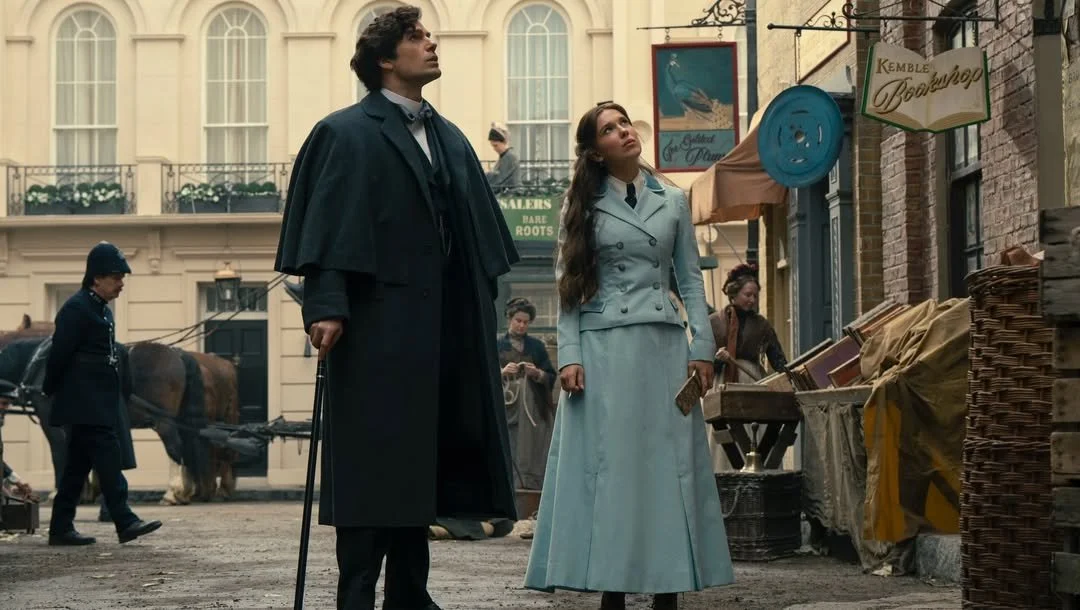
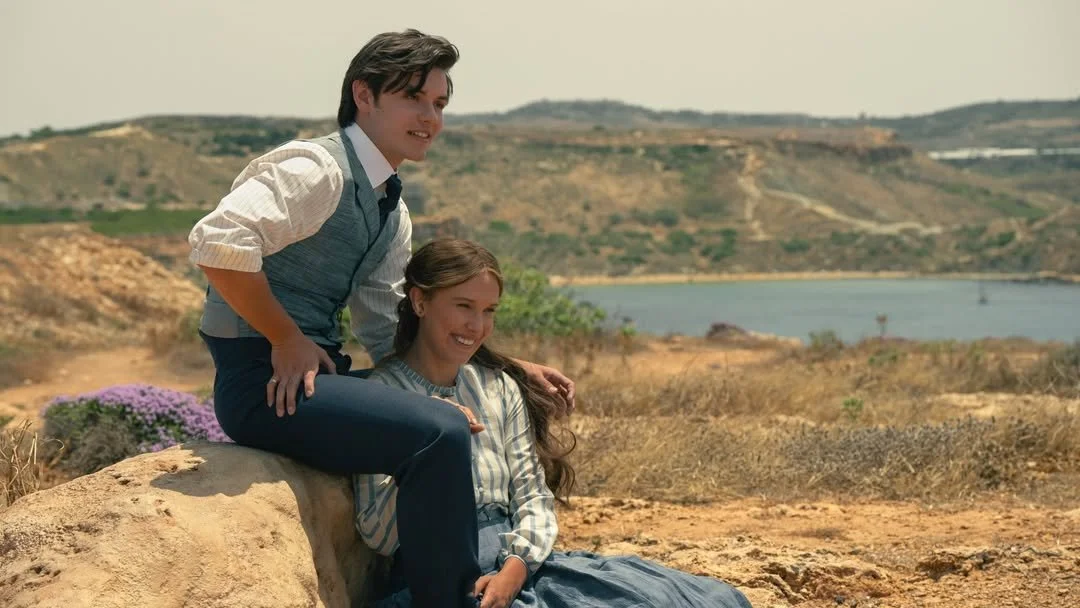
That distinction gives Netflix room to grow the series beyond simple detective plots. The first film introduced Enola as a young woman escaping the restrictions placed on her. The second film pushed her deeper into professional independence. The third appears to expand the world again, adding higher emotional stakes, a stronger romantic thread with Tewkesbury, and a larger international canvas. That kind of escalation is exactly what a streaming franchise needs: the story must feel familiar, but not frozen.
Netflix is also betting big on Enola Holmes because the franchise sits in a sweet spot that many studios struggle to find. It is accessible to younger viewers without feeling childish. It has period-drama polish without the stiffness of traditional costume cinema. It has mystery elements without becoming too dark. It has romance without making the love story swallow the lead character’s agency. In other words, it is broad without being bland.
That balance is commercially powerful. In a streaming environment crowded with expensive action films and disposable thrillers, Enola Holmes offers something more distinctive: a repeatable adventure formula with emotional warmth. Netflix can position it as a summer event movie, a comfort-watch sequel, a star vehicle, and a continuation of a beloved book-based universe all at once. That is not easy to manufacture.
The return of Henry Cavill as Sherlock Holmes also strengthens the franchise’s appeal. Cavill brings prestige and fan attention, but his Sherlock functions best as a supporting gravitational force rather than the centre of the story. That dynamic is important. Enola Holmes 3 can use Sherlock’s mythology to raise the stakes while still allowing Enola to remain the emotional and narrative engine. The reported rescue angle — with Enola forced to save Sherlock — neatly reverses the old hierarchy. It suggests that the younger Holmes is no longer trying to earn her place. She already has one.
Louis Partridge’s Tewkesbury is another reason Netflix may see long-term value here. His relationship with Enola gives the films a romantic continuity that appeals to viewers who want character development beyond the mystery itself. Still, the franchise’s cleverest move has been keeping romance as an extension of Enola’s growth, not a cage around it. The tension is not simply whether Enola will choose love or independence. The more interesting question is whether she can define both on her own terms.
The choice of Philip Barantini as director also signals that Netflix may be trying to refresh the franchise rather than merely repeat it. Barantini is associated with tension, immediacy, and character-driven pressure, which could give Enola Holmes 3 a slightly sharper edge than previous installments. That does not mean the film will abandon its playful charm, but it may suggest a more urgent, cinematic rhythm — especially with the story moving into international mystery territory.
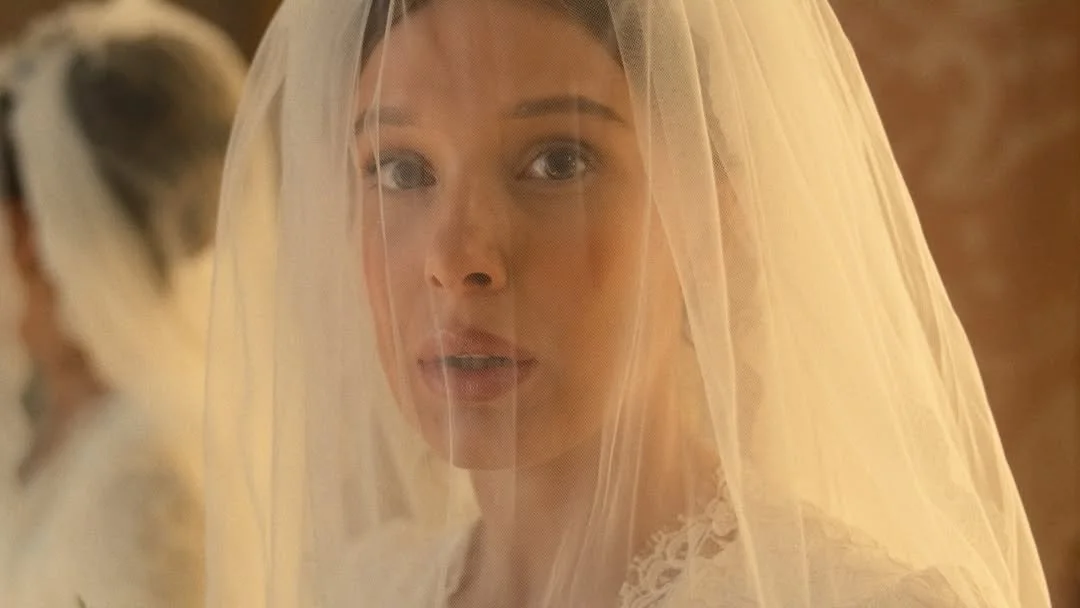
For Netflix, this is the kind of franchise that can quietly become more important than it first appears. Enola Holmes does not need to dominate pop culture with superhero-level noise. Its strength is steadier: a beloved lead, a recognizable literary universe, a reliable tone, and a fanbase that returns for both the mystery and the characters. In the streaming economy, that reliability is gold.
There is also a larger industry lesson here. While many platforms chase giant cinematic universes, Netflix appears to understand that not every franchise has to be colossal to be valuable. Some franchises win by being elegant, expandable, and emotionally easy to re-enter. Enola Holmes gives Netflix a property that can continue through sequels, spin-offs, young adult appeal, literary nostalgia, and star-driven marketing without feeling mechanically overbuilt. That is why Enola Holmes 3 matters. It is not just another sequel. It is evidence that Netflix still believes in the power of character-led franchise filmmaking — especially when the character is distinctive enough to survive beyond the algorithm.
Millie Bobby Brown’s return is the headline, but the bigger story is Netflix’s confidence. The streamer is not simply bringing Enola back because audiences recognize the name. It is betting that the franchise still has emotional mileage, commercial elasticity, and enough narrative charm to keep growing.
If Enola Holmes 3 succeeds, it could prove that Netflix does not need every original movie to become a cultural earthquake. Sometimes, the smarter move is to build a franchise people genuinely like returning to — witty, stylish, comforting, adventurous, and just mischievous enough to keep the game alive. Enola Holmes is back on the case. Netflix is clearly hoping audiences will follow her again.
Enjoyed the read? Consider showing your support by leaving a tip for the writer
Featured








Follow Us











Laeky’s “caller waiting” is built from emotional exposure, but its production refuses to collapse into fragility. The Australian artist threads syncopated acoustic guitar riffs through understated indie-pop drums, subtle bass, and soft synth textures, creating a frame that feels both restless and suspended. Her sultry, yearning vocal…