
Trump Offers to Perform at Freedom 250 as Artists Keep Walking Away
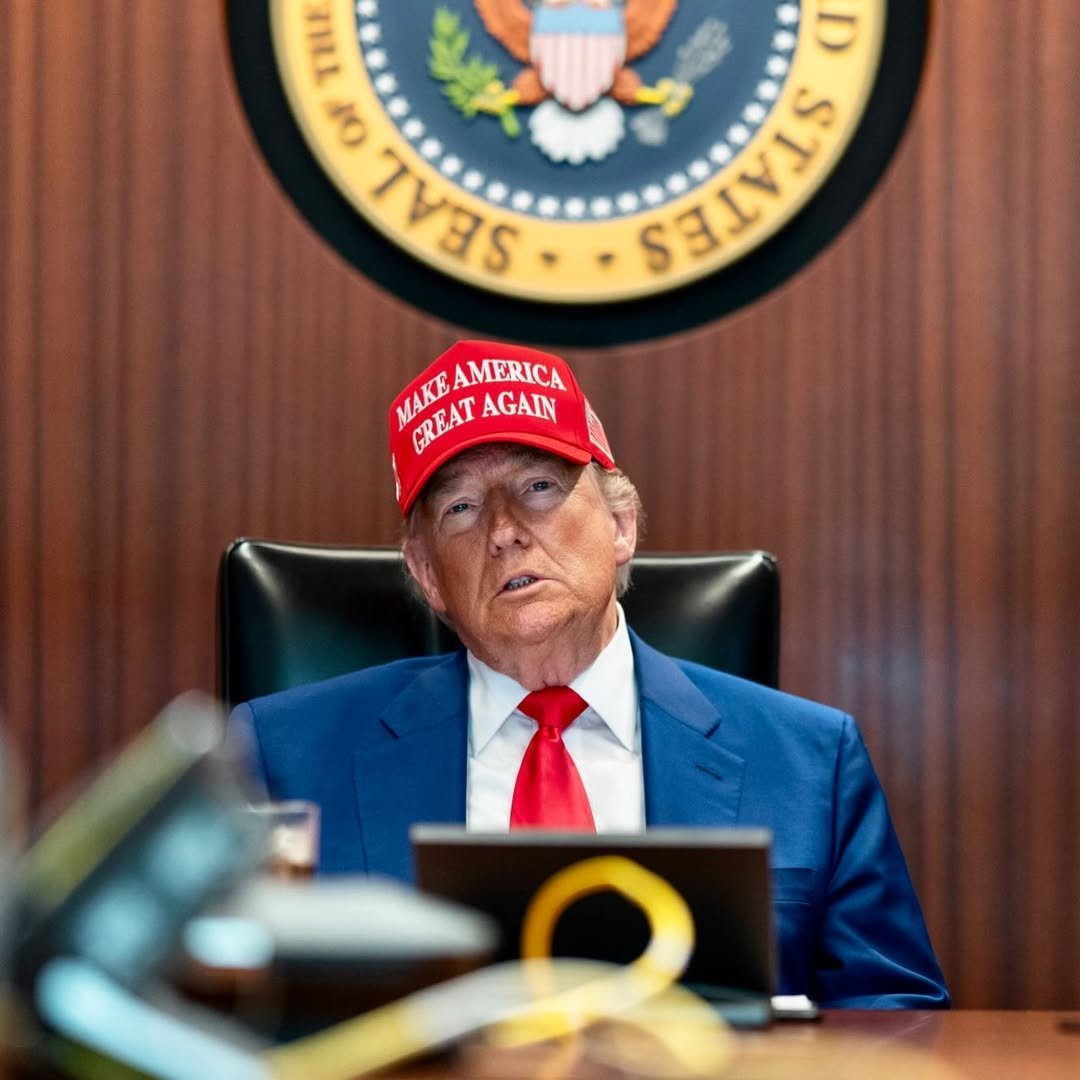
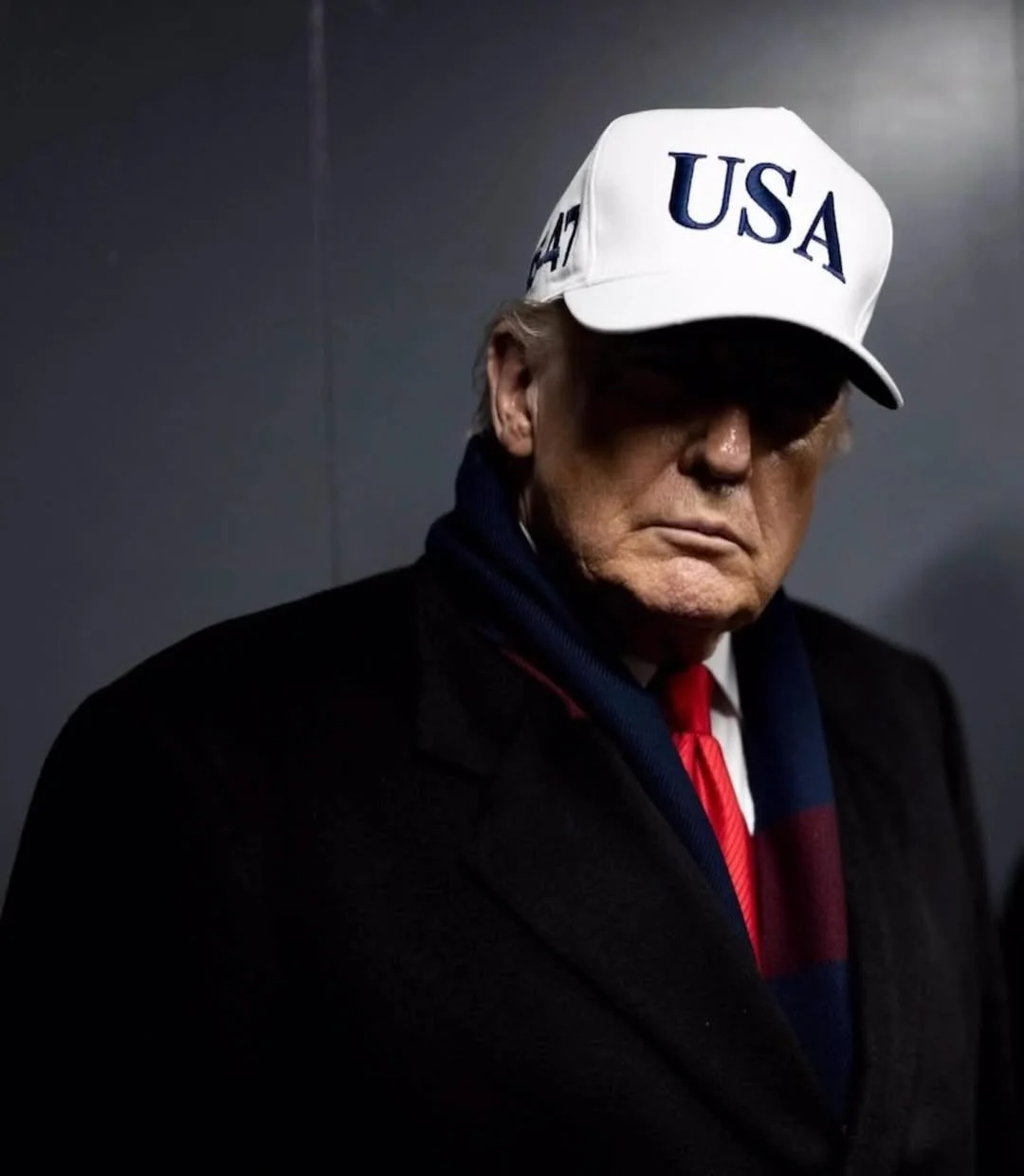
Donald Trump’s Freedom 250 celebration was supposed to be a massive patriotic entertainment showcase for America’s 250th birthday. Instead, it has quickly become one of the strangest pop-culture controversies of 2026: artists are backing out, the event’s political identity is under scrutiny, and Trump himself is now suggesting he may step in as the main attraction.
The event is connected to the Great American State Fair, a 16-day celebration on the National Mall organized by the Freedom 250 group to mark the United States’ semiquincentennial. Reuters reported that Trump is scheduled to headline the opening ceremony on June 24, 2026, while the fair was originally planned as a nonpartisan mix of concerts, state exhibits, rides, and patriotic programming.
But the musical lineup has started falling apart. Several artists, including John Mayer, Sheryl Crow, Marcus King, Bret Michaels, Martina McBride, The Commodores, Young MC, Morris Day and The Time, and others have reportedly withdrawn after concerns over the event’s political associations with Trump. The New York Post reported that Trump responded by floating the idea of delivering a “major” speech and holding an “America is Back” rally, even suggesting he would draw a bigger crowd than any performer.
That is what makes this story so unusual. Normally, when artists drop out of a major event, organizers scramble to replace them with other performers. Here, Trump appears to be turning the cancellations into political theatre. Instead of treating the artist walkouts as a crisis, he is reframing them as an opportunity to make himself the spectacle.
For musicians, the issue is brand alignment. Performing at a national birthday celebration may sound harmless on paper. But when an event becomes publicly associated with one political figure, artists have to calculate the cost. A performance is no longer just a performance; it becomes a perceived endorsement, even if the artist insists otherwise.
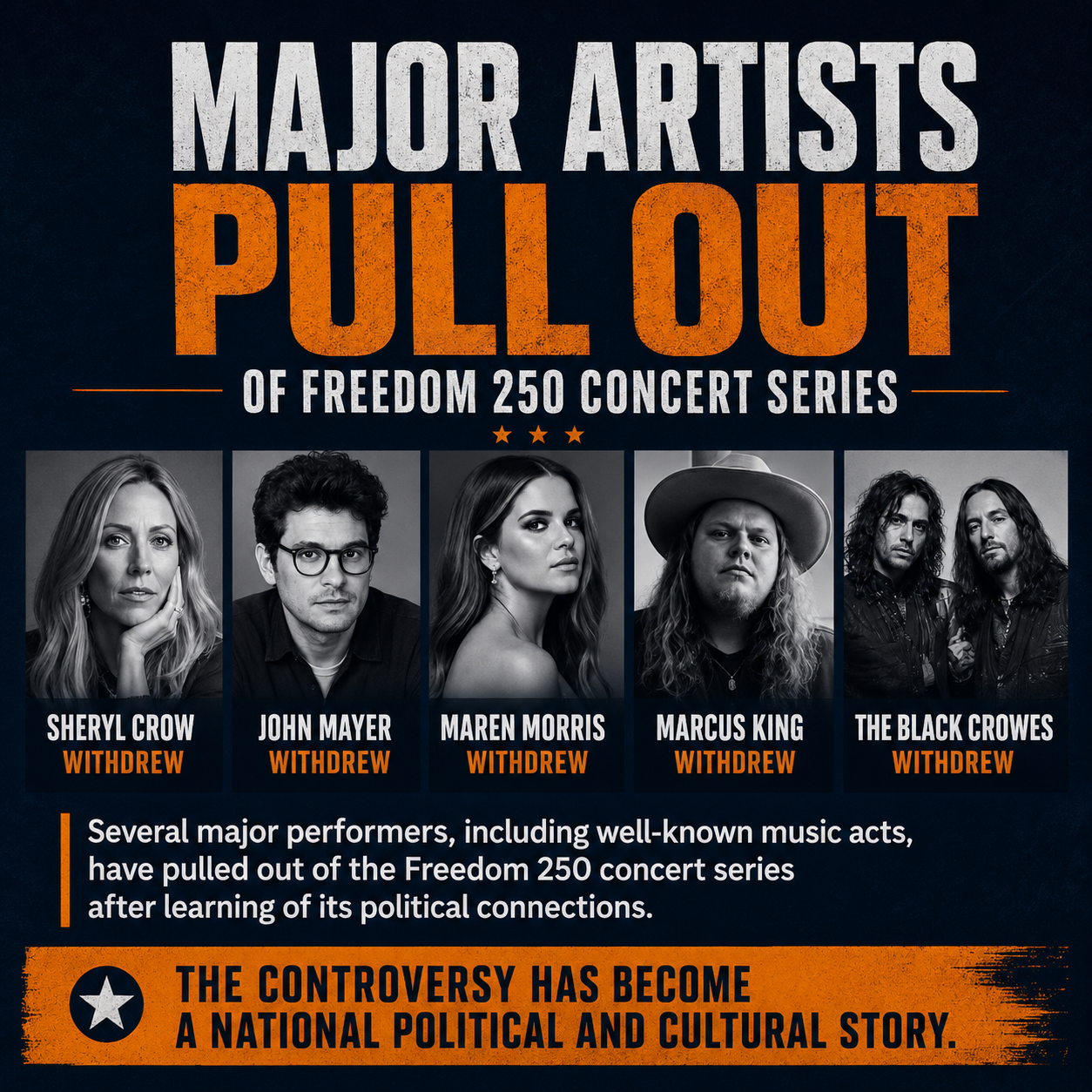
That explains why some acts moved quickly to distance themselves. Vanity Fair reported that Young MC said he backed out after learning the event was Trump-backed, while Morris Day publicly denied that he and The Time would perform. The Independent also reported that The Commodores said they did not want to publicly affiliate with any single political party.
The controversy shows how difficult it is to create a “nonpolitical” entertainment event in a polarized culture. A national anniversary should theoretically be one of the easiest things to unite people around. But in 2026, even a birthday celebration for the country can become a battleground over image, affiliation, audience backlash, and political branding.
It also reveals how much power artists now have over public perception. The moment performers begin withdrawing, the story shifts. The headline is no longer “America celebrates 250 years.” It becomes “Why are artists leaving?” That changes the emotional weather around the entire event.
Trump’s offer to perform or headline the moment himself only intensifies the spectacle. It transforms Freedom 250 from a music-and-culture event into something closer to campaign-style programming. Supporters may see that as patriotic energy. Critics may see it as politicizing a national celebration. Either way, the artists who walked away have already shaped the narrative.
This is also a reminder that live music is never just background decoration. Concert lineups carry meaning. Who performs, who refuses, who cancels, and who stays can say as much as any speech. In this case, the absence of artists may become more memorable than the original lineup itself.
Ultimately, Freedom 250 has become a strange case study in celebrity, politics, and entertainment branding. The event was designed to celebrate American history, but it is now exposing America’s present cultural divisions. Artists are walking away because they do not want their music absorbed into a political message they did not sign up for. Trump, meanwhile, seems ready to fill the empty space with himself.
That may be the most revealing part of the story. In 2026, even when the performers leave the stage, the spectacle does not end. It simply changes headliners.
Enjoyed the read? Consider showing your support by leaving a tip for the writer
Featured



Follow Us







Australian trio PEPTALK turn emotional fallout into shimmering pop catharsis on “Bad People,” a buoyant single that pairs difficult subject matter with an effervescent indie-pop and electro-pop framework. Built around glossy memorable synths, punchy 80s-inspired…