
Spain’s World Champions Receive Royal Welcome After Beating Argentina
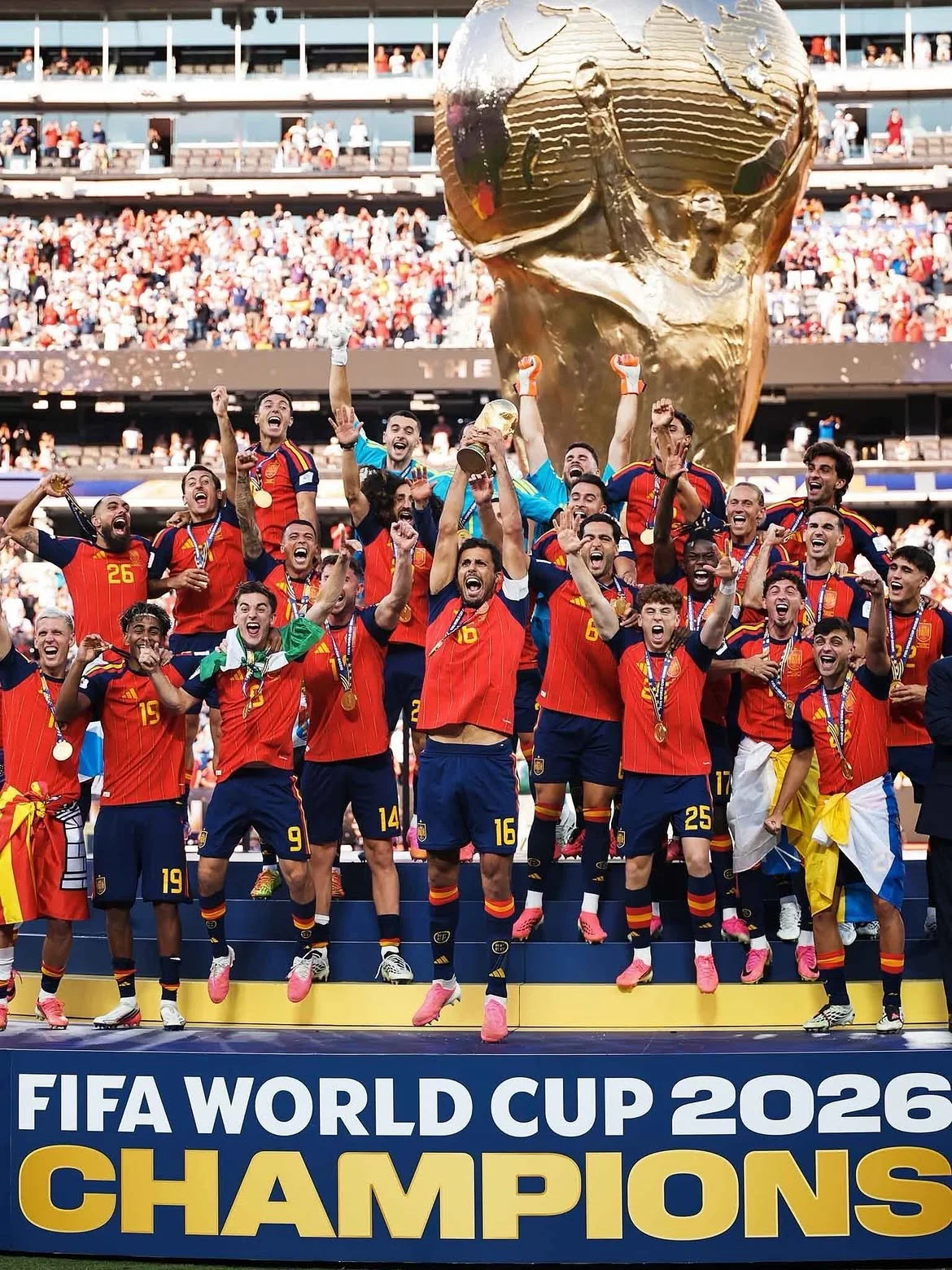
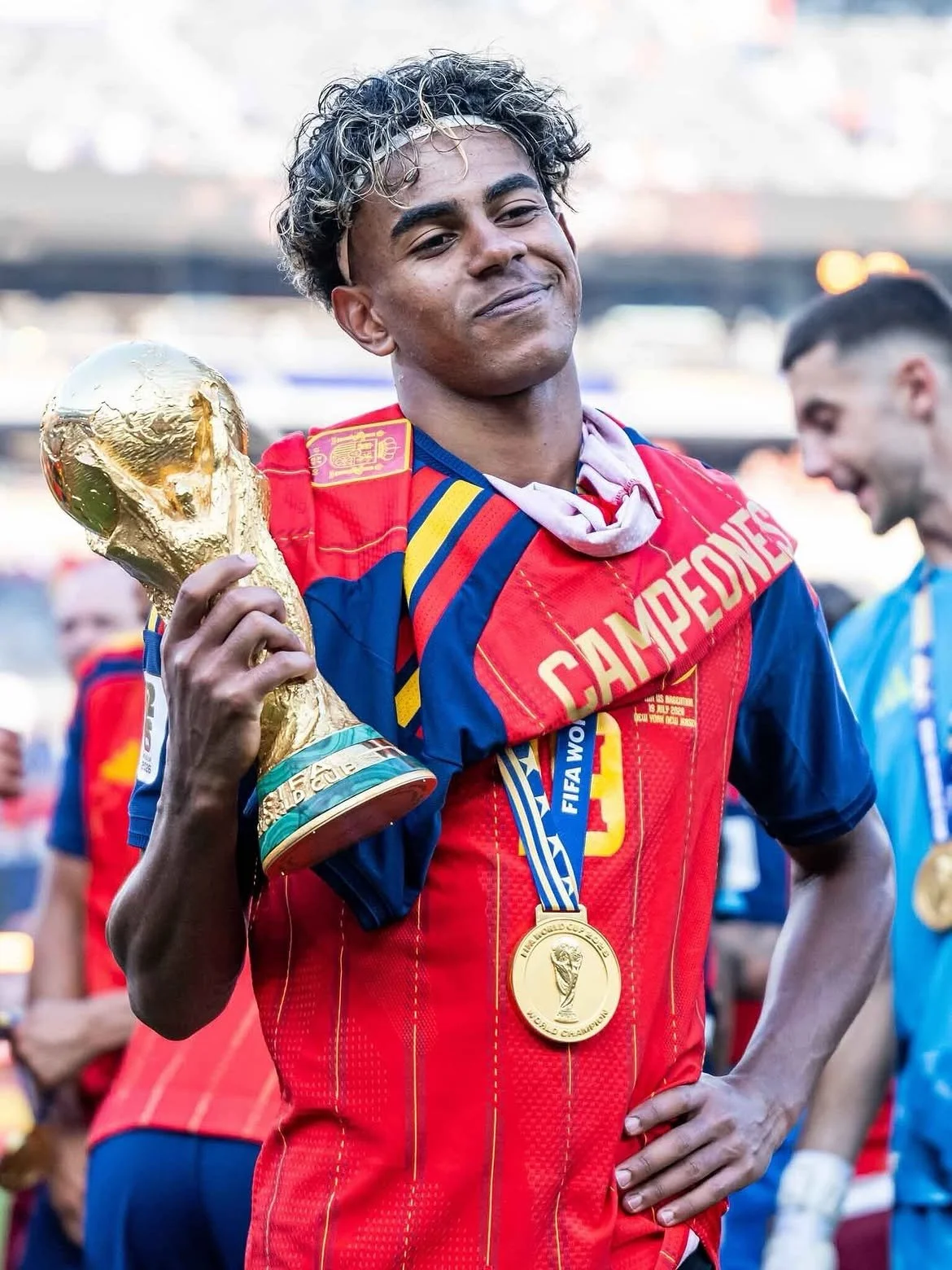
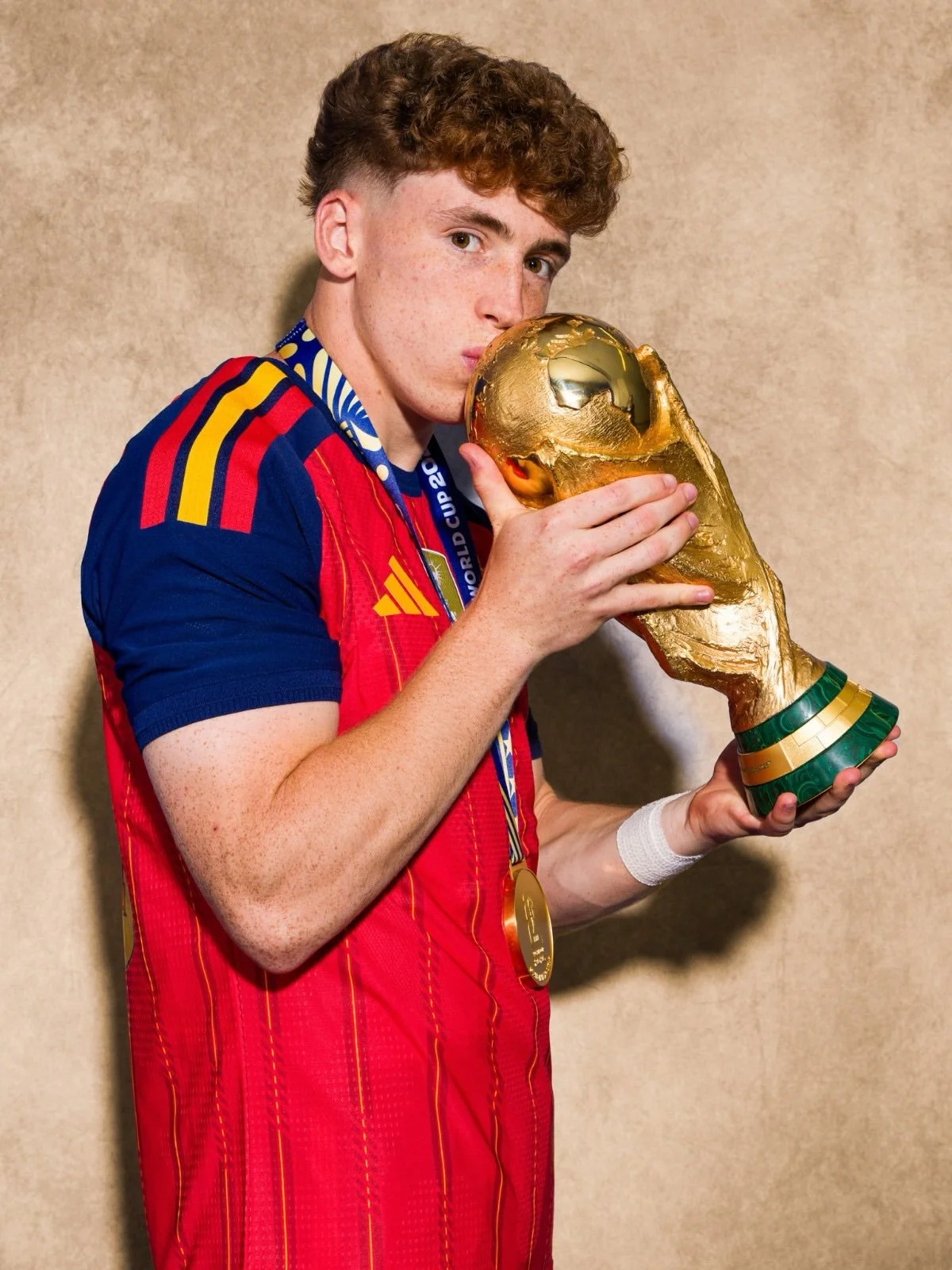
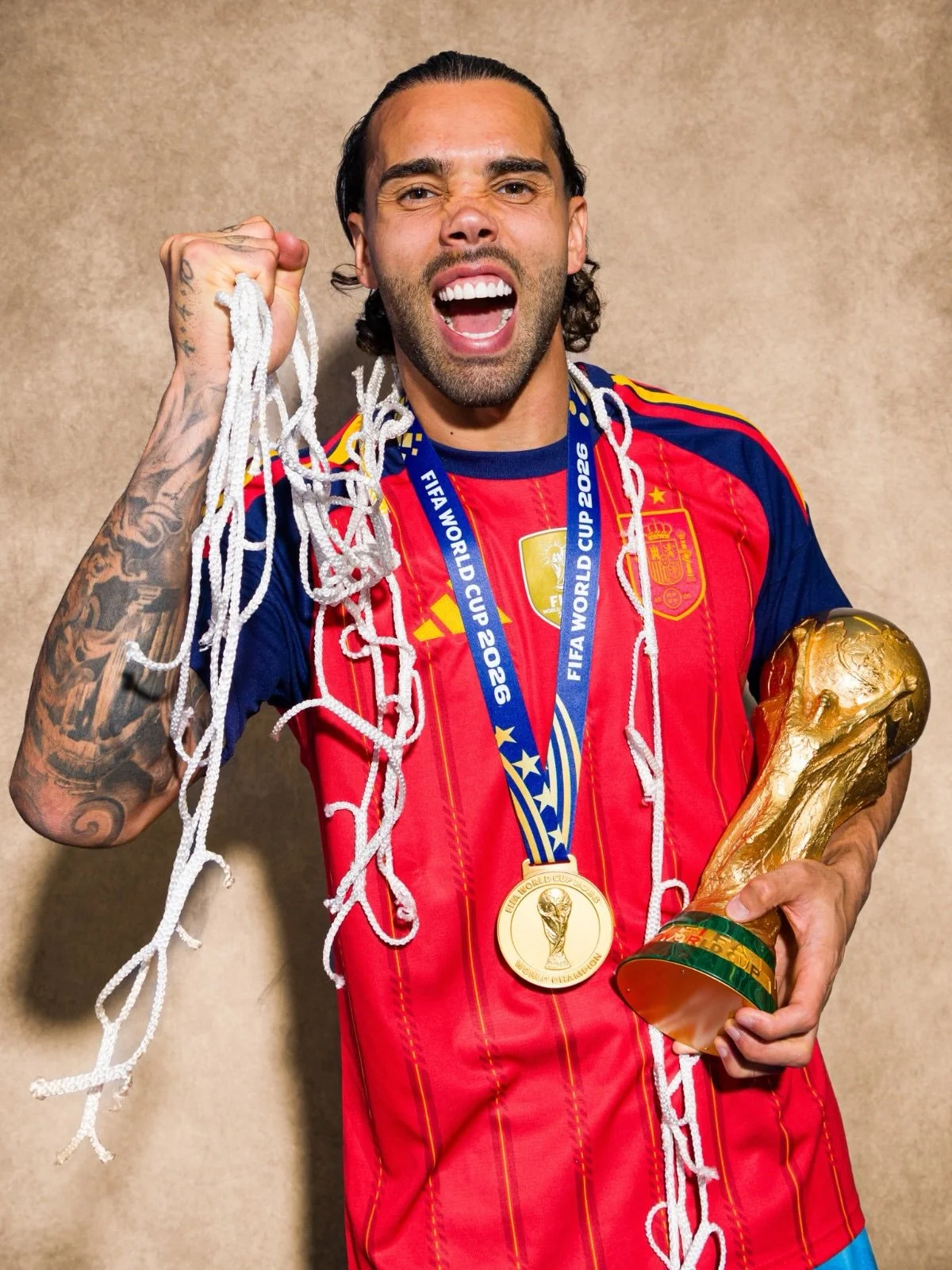
Spain’s World Cup victory moved from the football pitch to the heart of national ceremony as the newly crowned champions returned to Madrid for a royal reception, a government welcome and one of the largest sporting celebrations the Spanish capital has seen. The national team arrived home on July 20 after defeating Argentina 1-0 in the 2026 FIFA World Cup final. Spain’s second men’s world title was secured after extra time, ending a 16-year wait that began with the country’s breakthrough triumph in South Africa in 2010.
Captain Rodri emerged at Madrid-Barajas Airport carrying the trophy before the squad began a carefully staged homecoming that blended sport, monarchy, government and street celebration. The first major stop was the Zarzuela Palace, where King Felipe VI, Queen Letizia, Princess Leonor and Infanta Sofía received the players and coaching staff.
King Felipe VI Praises Spain’s “Epic” Triumph
The Spanish royal household confirmed that the delegation was led by Royal Spanish Football Federation president Rafael Louzán, head coach Luis de la Fuente and captain Rodri. The players posed with the trophy, spoke with members of the royal family and presented the royals with personalized Spain shirts. King Felipe described the tournament as a long and demanding journey, praising the team’s resilience, patience and commitment to its football identity. He called the victory an “epic triumph” and thanked the squad on behalf of the country for bringing the World Cup back to Spain.
His speech focused heavily on the idea of the team as a united group rather than a collection of individual stars. That message closely matched the story Spain developed throughout the tournament: a technically gifted squad strengthened by discipline, depth and a clear belief in its system. The royal family’s presence also gave the homecoming a sense of continuity. King Felipe, Queen Letizia and their daughters had attended the final in New Jersey and joined the team on the field during the trophy celebrations. The Zarzuela meeting therefore felt less like a formal introduction and more like the closing chapter of a shared national event.
Rodri and the Champions Visit Pedro Sánchez
After leaving the palace, the squad traveled to Moncloa for a reception with Prime Minister Pedro Sánchez. Spain’s government said Sánchez congratulated the team for its football, effort and victory across the tournament. Rodri used the government reception to place the achievement within Spain’s football history. The captain noted that his generation grew up watching Iker Casillas and Andrés Iniesta lift the World Cup in 2010, making the opportunity to repeat that moment especially meaningful.
That generational connection is central to the cultural importance of Spain’s latest title. The 2010 team changed how Spanish football was viewed internationally. The 2026 champions have now created their own reference point for younger fans who were not old enough to experience that first victory.
An Estimated 1.8 Million Fans Fill Madrid
The official ceremonies eventually gave way to a public celebration as the team boarded an open-top bus and traveled through Madrid toward Plaza de Cibeles. Spain’s central government delegation estimated that approximately 1.8 million people gathered along the parade route. Supporters filled the streets in red and yellow, holding flags, filming the players and waiting in intense summer heat for a view of the trophy. Rodri sat near the front of the bus with the World Cup, while players danced, sang and celebrated above the enormous crowd.
Cibeles has long served as a symbolic celebration point in Madrid, but this parade represented more than another trophy gathering. Spain became a two-time men’s world champion while also holding the women’s World Cup title won in 2023—a rare concentration of success that places the country at the center of international football.
Why Spain’s Royal Homecoming Matters
The scale of the reception showed how quickly a sporting result can become part of a country’s broader cultural identity. The royal audience offered tradition, the Moncloa ceremony added political recognition, and the Cibeles parade belonged to the supporters.
For Spain, beating Argentina was the result. The homecoming revealed the legacy beginning to form around it. This team will now be remembered not only for winning the final, but for creating a national moment capable of connecting the memories of 2010 with a new generation of Spanish football.
Enjoyed the read? Consider showing your support by leaving a tip for the writer
Featured






Follow Us

Shop
















Wendy Bruner and Christopher Grundy construct “Toward Shalom” around warmth rather than spectacle, allowing its ideas of belonging, completeness, and social acceptance to develop inside an intentionally unvarnished frame. Written by Bruner and Monty Jackson and produced…