Music Grants in Canada: What Independent Artists Should Know Before Applying

Why Grants Matter in the Canadian Music Ecosystem
For independent artists, grants can create breathing room. They can help fund recording, marketing, touring, video production, showcases, professional development, and other creative projects that would otherwise depend on personal savings. Canada has a strong arts-funding culture, but grants are not free money in the casual sense. They are competitive, structured, and usually require a clear project, budget, timeline, and artistic purpose.
FACTOR states that it provides funding to Canadian artists, companies, and communities across the music industry. Its site includes artist programs, deadlines, application guidance, and profile-rating information. The Canada Council for the Arts also supports individual artists, groups, and organizations through grant programs, including funding for artistic projects, professional development, and sharing work with audiences.
Start Before the Deadline
The biggest mistake artists make is treating grants like last-minute forms. A strong application usually begins months before submission. You need a project concept, realistic budget, work samples, collaborators, quotes, marketing plan, and career context. The application should answer one central question: why does this project matter now? For Uranium Waves readers, this is where culture matters. A grant application should not just say, “I want to release an EP.” It should explain the artistic vision, audience, community, sound, story, and potential impact.
Build a Realistic Budget
Grant budgets should be specific. Instead of writing “marketing — $2,000,” break it down into publicist, digital ads, content editing, photography, playlist pitching, radio tracking, design, or social media assets.
A realistic budget shows that you understand the business side of your art. It also protects you from underestimating costs. Recording is rarely just recording. It may involve engineering, mixing, mastering, musicians, studio rental, production, artwork, distribution, video content, and promotion.
Know the Difference Between Artist Development and Project Funding
Some grants support the artist’s overall development. Others support a specific project, such as an album, tour, showcase, or video. Read the program guidelines carefully. Do not force a project into the wrong category. If the grant is designed for touring, a recording-heavy application may not fit. If it supports creation, a purely promotional campaign may be weaker.
Prepare Strong Support Materials
Your music matters, but so does presentation. Make sure your biography, press photos, EPK, streaming links, performance history, audience data, and previous achievements are organized. You do not need to exaggerate. In fact, exaggeration can weaken trust. Be clear about where you are in your career and what the grant would help you accomplish. In case you need a strong EPK, make sure to check our Press Release service.
Treat Grants as One Part of Your Funding Mix
Grants are useful, but they should not be the only plan. Artists can also combine savings, merch sales, crowdfunding, sync income, teaching, production work, brand partnerships, and live performance revenue. This creates resilience. If one grant does not come through, the entire project does not collapse.
What to Avoid
Avoid vague goals, inflated budgets, missing quotes, weak timelines, and applications that sound like they were copied from another artist. Also avoid waiting until the final day. Technical issues happen. A strong grant application feels focused, honest, and prepared.
Enjoyed the read? Consider showing your support by leaving a tip for the writer
Featured



Follow Us

Shop






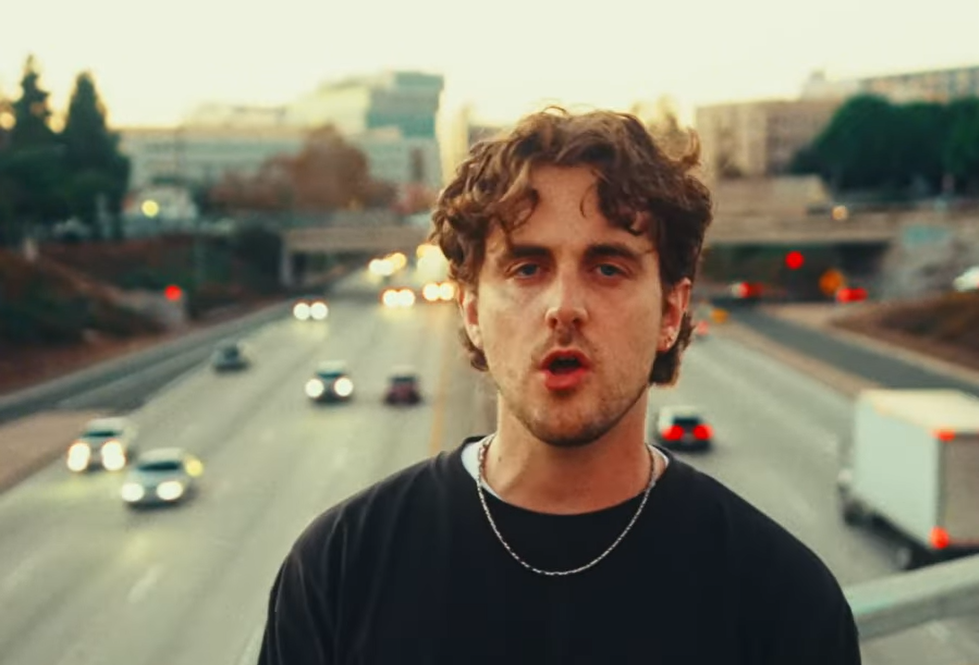

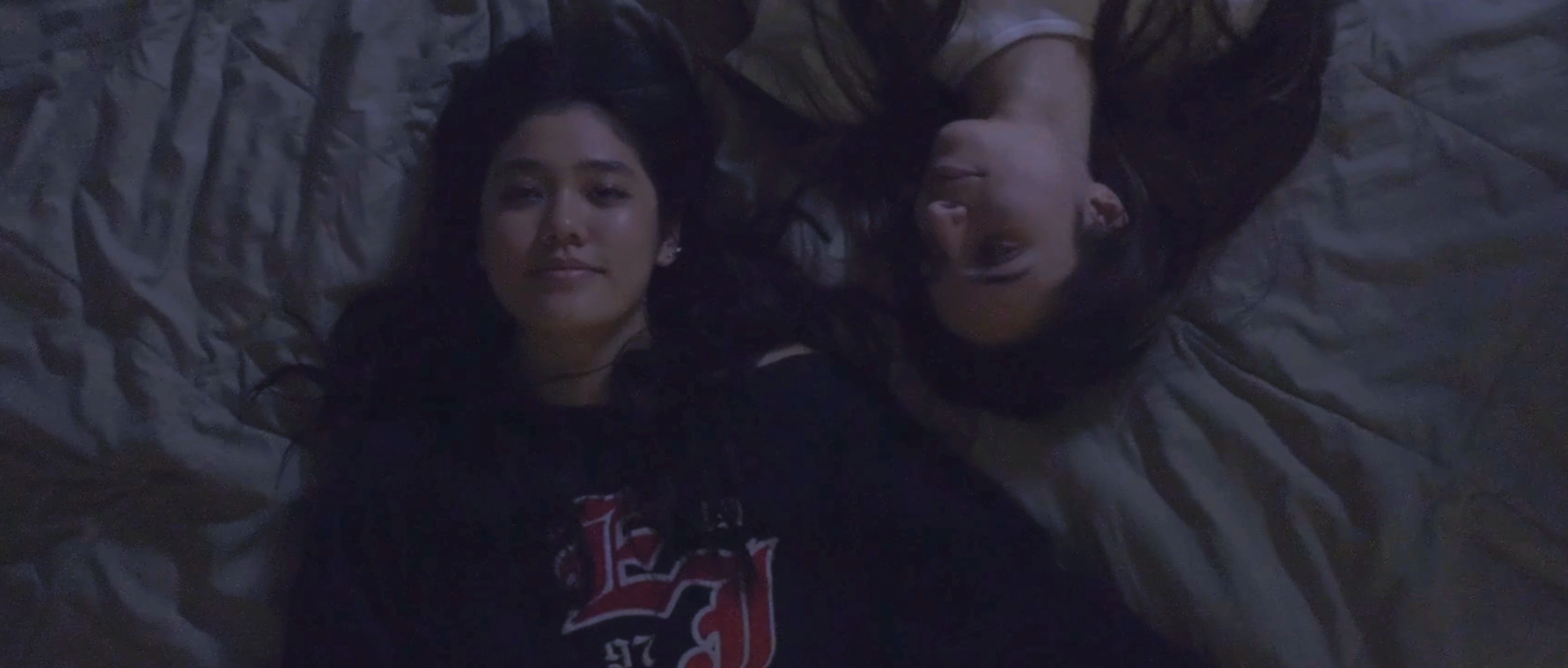



Some attractions arrive like a fever: quiet at first, then suddenly impossible to ignore. Greek-born, Brooklyn-based artist OXFLOYD captures that escalation on “obsessed w u,” an alt-pop single shaped around limerence, romantic fixation, and the dangerous appeal of willingly overlooking every warning sign…