
Credit Cards for Musicians: What Creators Should Consider Before Using One for Their Career

Should Musicians Use Credit Cards for Their Career?
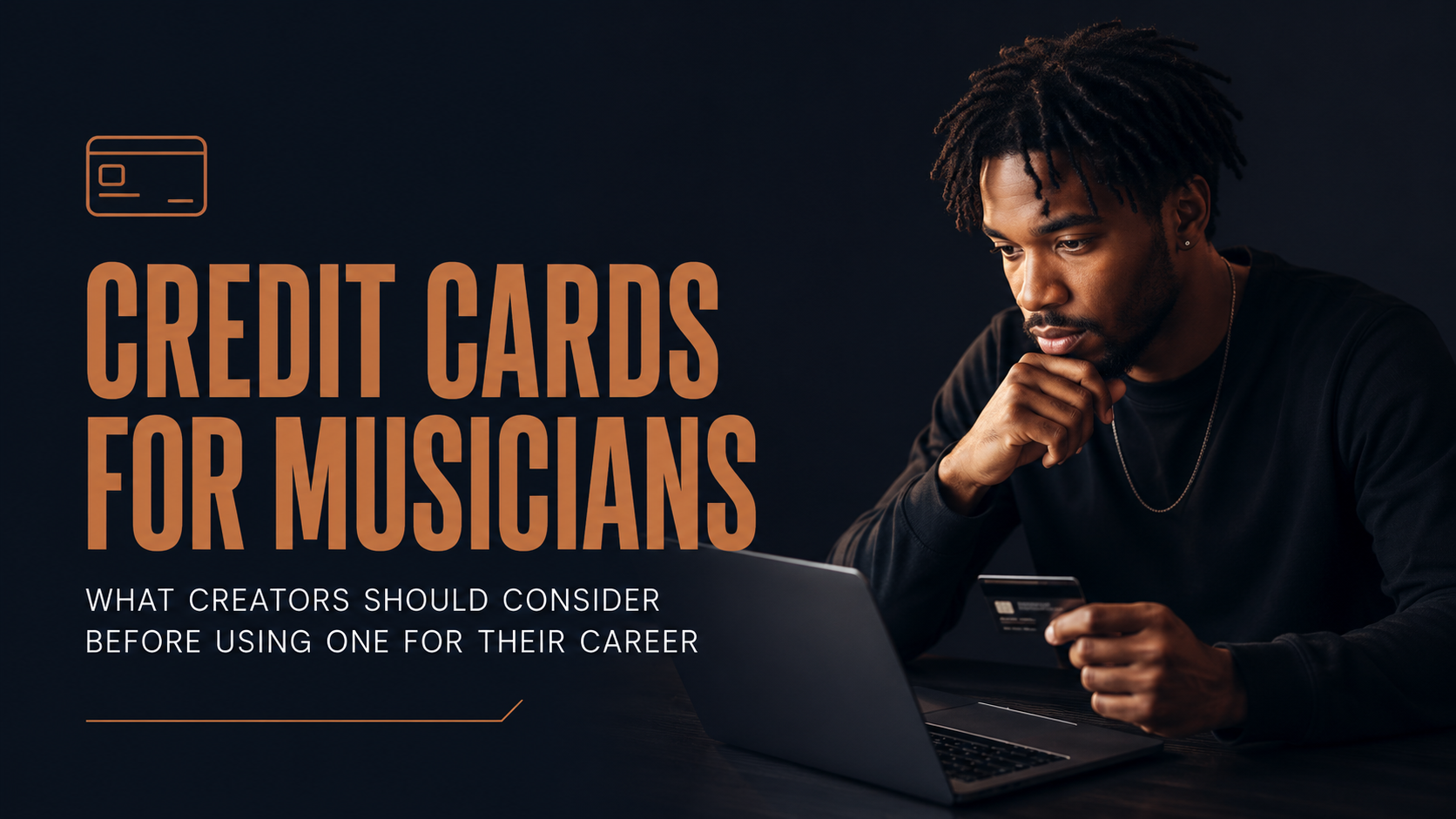
Credit cards can be useful for musicians, but they can also become dangerous if they are used to fund every creative impulse. A card might help organize expenses, book travel, buy gear, or cover a short-term gap before a client pays. But it is still borrowed money. The Financial Consumer Agency of Canada explains that credit cards allow users to borrow a pre-approved amount, and interest is usually charged when the balance is not paid in full. It also advises comparing interest rates, fees, rewards, and benefits before choosing a card. For musicians, the question is not “Which card is coolest?” The better question is: “Can this card support my workflow without pushing me into debt?”
When a Credit Card Can Make Sense
A credit card may be useful when an artist already has predictable income, a budget, and a repayment plan. It can help separate music expenses from personal spending, especially if used only for business-related purchases. Examples include distribution fees, website hosting, travel bookings, plug-ins, printing merch samples, or paying for ads. Some artists also use cards to collect rewards on expenses they would have paid anyway. But rewards only matter if the balance is paid in full. Carrying a balance can erase the value of points or cashback quickly.
What Musicians Should Compare
Look at the annual fee, purchase interest rate, cash advance rate, foreign transaction fees, insurance benefits, rewards structure, income requirements, and payment due dates. The FCAC offers a credit card comparison tool that allows Canadians to compare features such as interest rates, annual fees, and rewards. This is especially helpful for artists who travel, buy software in foreign currencies, or book flights for shows.
Avoid Using Credit to Fake Momentum
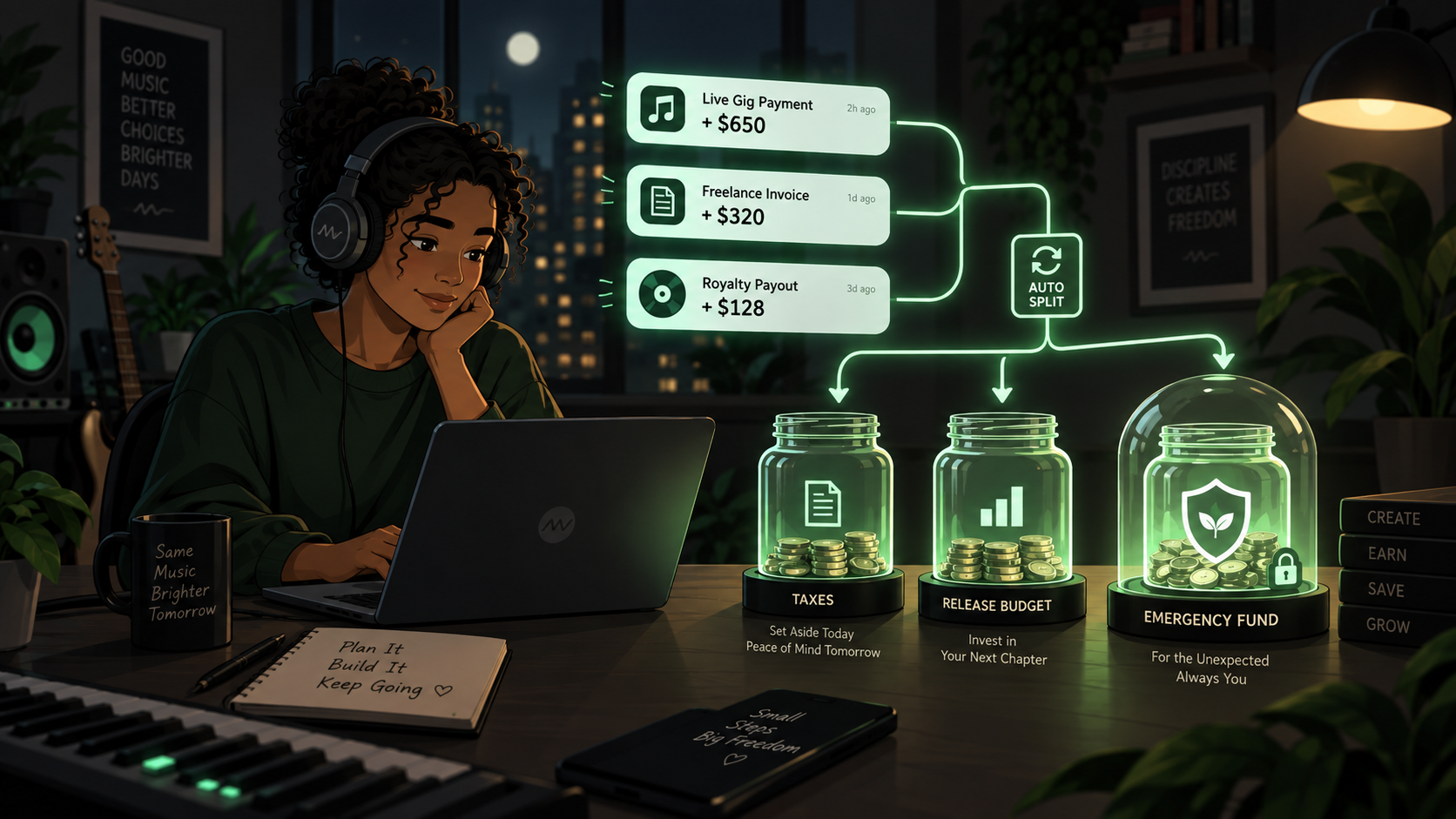
The music industry can pressure artists to look bigger than they are. Videos, outfits, promo campaigns, travel, and studio sessions all cost money. A credit card can make those things feel instantly possible, but debt can create long-term stress. Artists should be careful about using credit for speculative expenses. Spending on a music video or ad campaign does not guarantee revenue. A smarter approach is to build a release budget first, then decide what can be paid with savings and what, if anything, should go on credit.
Keep Music Expenses Clean
Using one card for music-related expenses can simplify bookkeeping. A card like Koho could be very useful in that sense. This makes it easier to track spending and prepare records for tax season. However, a credit card statement is not a full accounting system. Keep receipts, invoices, and notes about the purpose of each expense. If you are self-employed, CRA guidance says deductible expenses must be incurred to earn business income and meet general requirements.
Best Habits for Artists Using Credit Cards
Pay the balance in full whenever possible. Avoid cash advances. Set calendar reminders before due dates. Do not treat your credit limit as available income. Review statements weekly during release campaigns. Most importantly, do not use a card to avoid hard decisions. Sometimes the financially mature move is delaying a video, scaling down merch, or choosing a smaller campaign.
Enjoyed the read? Consider showing your support by leaving a tip for the writer
Featured









Follow Us

Shop





















Wendy Bruner and Christopher Grundy construct “Toward Shalom” around warmth rather than spectacle, allowing its ideas of belonging, completeness, and social acceptance to develop inside an intentionally unvarnished frame. Written by Bruner and Monty Jackson and produced…