
Michael Jackson Biopic “Michael” Becomes Highest-Grossing Music Biopic in History
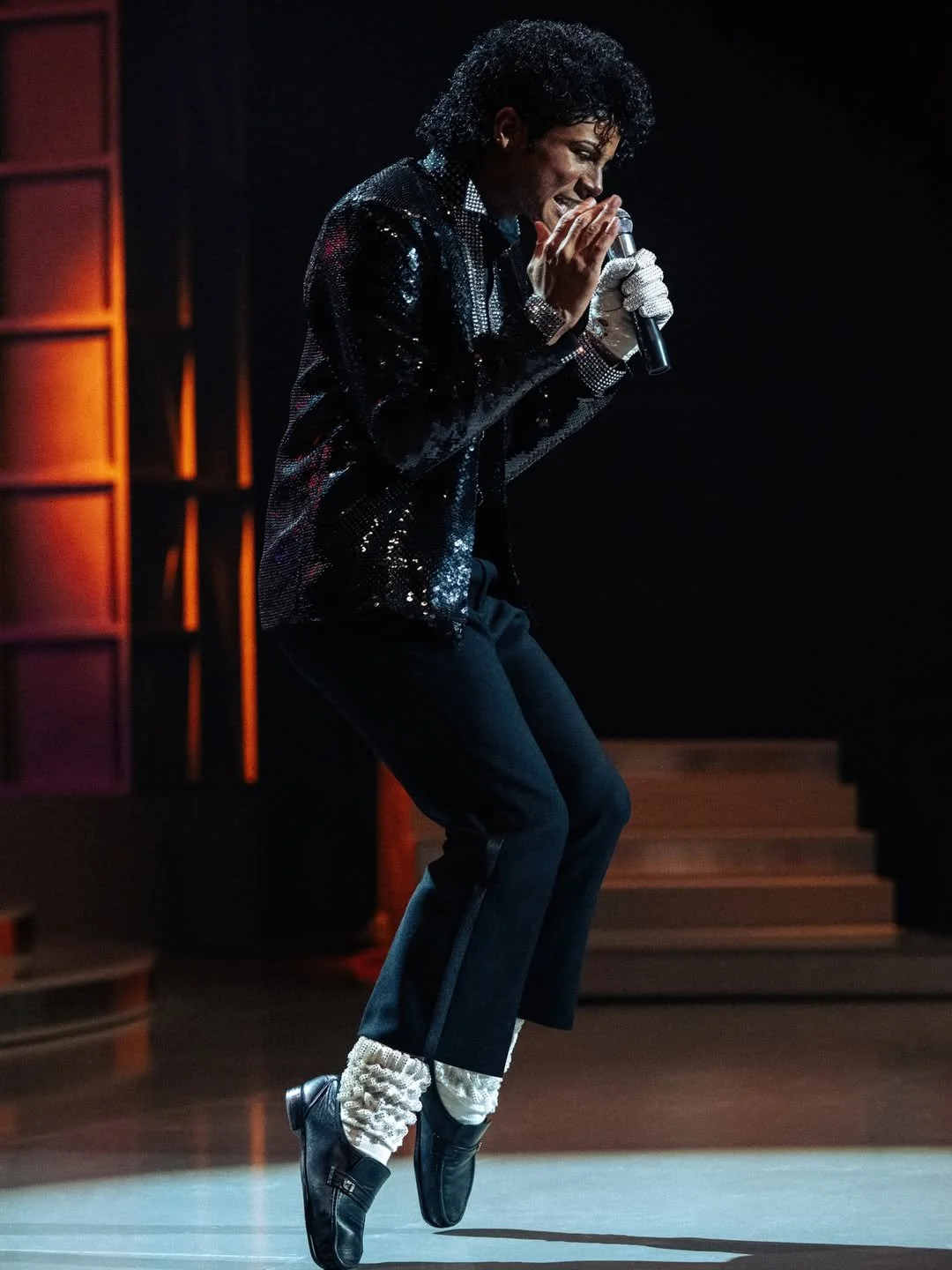
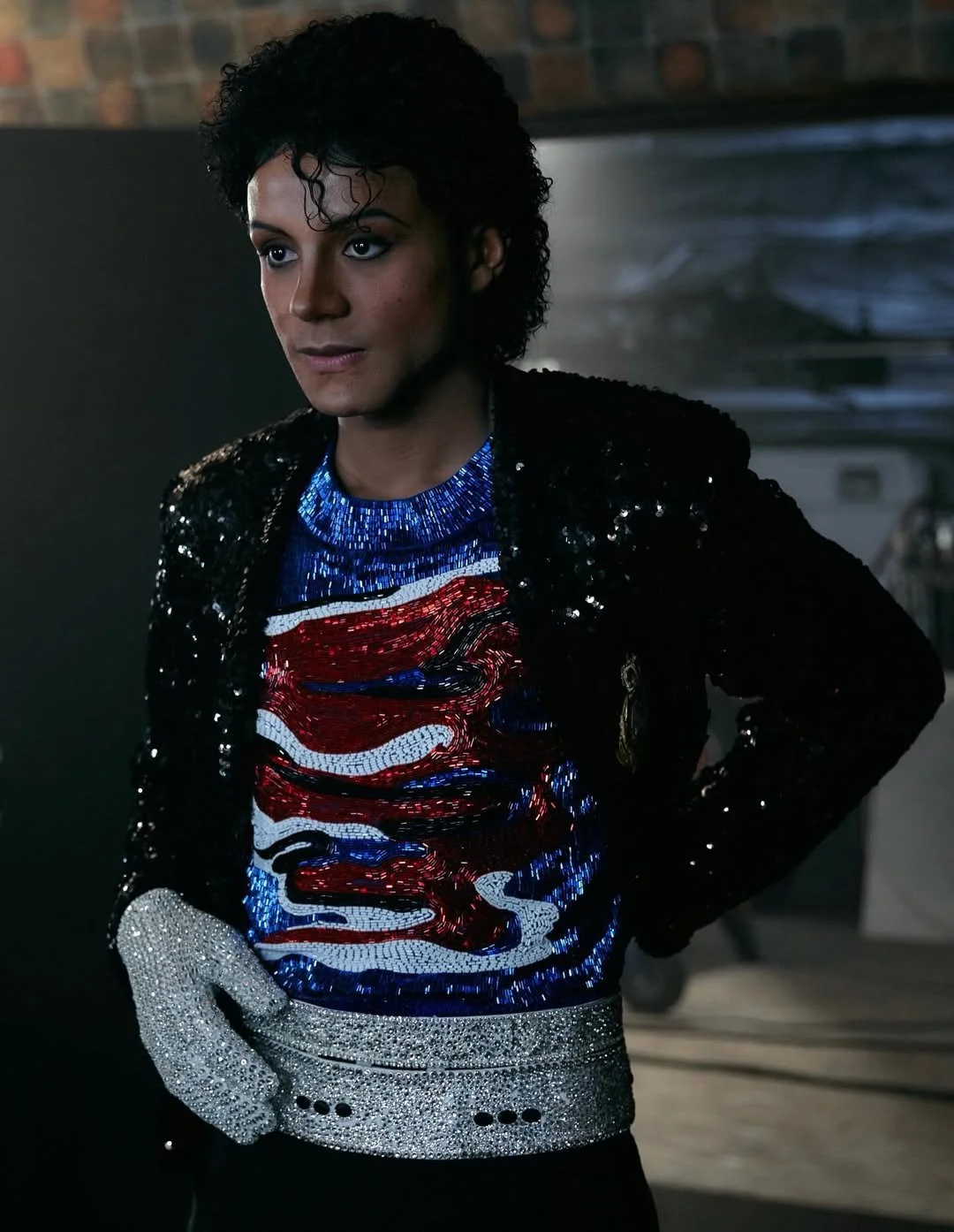
The Michael Jackson biopic “Michael” has officially turned into a box office phenomenon. After weeks of massive global demand, the film has reportedly reached $911.9 million worldwide, surpassing “Bohemian Rhapsody” to become the highest-grossing music biopic in history. For a movie centred on one of the most famous, most debated, and most culturally dominant artists of all time, the commercial result feels both staggering and strangely inevitable. Directed by Antoine Fuqua and starring Jaafar Jackson as his legendary uncle, “Michael” arrived with enormous expectations. Michael Jackson remains one of the most recognizable entertainers in modern history, a figure whose music, choreography, videos, fashion, and public image changed the scale of pop stardom. Turning that life into a major film was always going to attract attention. What was less certain was whether audiences would respond strongly enough to push the movie beyond the record previously held by “Bohemian Rhapsody.”
Now, that question has been answered. “Michael” has not only become a hit. It has become the new commercial benchmark for music biopics. The achievement is especially significant because “Bohemian Rhapsody” was once considered almost untouchable in the genre. The 2018 Freddie Mercury and Queen biopic became a global sensation, proving that music films could behave like superhero movies when powered by nostalgia, iconic songs, and a central performance audiences wanted to revisit. For years, it stood as the obvious comparison point for every major artist biopic that followed.
“Michael” has now passed that marker, and the reason is not difficult to understand. Michael Jackson’s catalogue remains one of the most powerful in popular music. Songs like “Billie Jean,” “Beat It,” “Thriller,” “Smooth Criminal,” “Bad,” and “Man in the Mirror” are not just hits. They are cultural architecture. They belong to dance floors, stadiums, family memories, television history, and global pop consciousness. A biopic built around that material already carries a built-in emotional engine. Still, box office success at this scale requires more than famous songs. It requires curiosity. “Michael” benefits from the enormous public fascination around Jackson’s rise: the child prodigy years with the Jackson 5, the pressure of family ambition, the transformation into a solo superstar, the invention of music-video spectacle, and the almost mythic build toward global dominance. The film taps into the part of Jackson’s story that still feels dazzling: the making of an artist who seemed to bend entertainment around his own imagination.
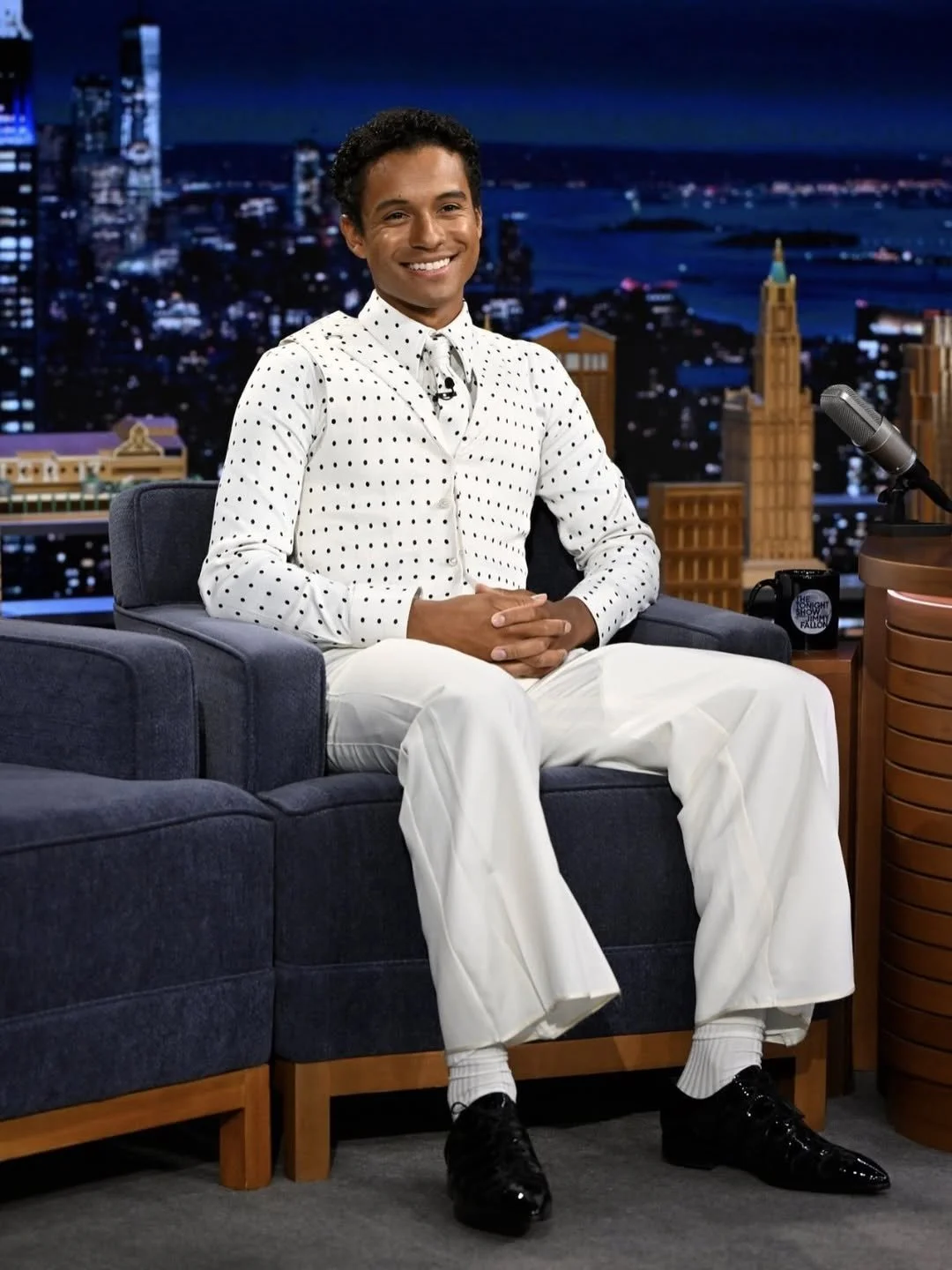
Jaafar Jackson’s casting also became one of the film’s major talking points. Playing Michael Jackson is not simply an acting challenge. It requires movement, vocal resemblance, physical precision, emotional softness, and an ability to carry the strange magnetism of someone who was both intensely public and deeply unknowable. Jaafar’s family connection gave the role an unusual weight, but it also raised expectations. Audiences were not only watching an actor imitate an icon. They were watching a relative step into one of pop culture’s most difficult shadows.
That emotional proximity appears to have helped the film connect with fans. For longtime Jackson supporters, “Michael” offers a large-scale tribute to the King of Pop’s artistry. For younger viewers, it provides a cinematic entry point into a career they may know mainly through clips, memes, choreography references, and streaming playlists. That generational bridge is one of the reasons the movie has travelled so widely. The film’s record-breaking run also shows the continuing strength of music biopics as theatrical events. At a time when many dramas struggle to pull audiences away from streaming platforms, artist-driven films can still create urgency. Fans want to hear the songs in a theatre. They want the concert sequences loud. They want the communal feeling of watching an iconic career unfold with other people in the room. Music biopics are not just stories; they are memory machines.
“Michael” also arrives at a moment when legacy artists remain commercially potent across film, streaming, vinyl, social media, and touring culture. Queen, Elvis Presley, Bob Marley, Whitney Houston, Elton John, and Amy Winehouse have all received major screen treatments in recent years, with varying levels of critical and commercial impact. But Michael Jackson exists in a different category of global recognition. His image is instantly readable across borders, and his music continues to move through generations with almost supernatural persistence.
Of course, the success of “Michael” does not erase the complexity surrounding its subject. Jackson’s legacy has long been divided between extraordinary artistic achievement and deeply serious controversy. The film has drawn criticism from some observers who argue that it presents a controlled, estate-approved version of his story rather than a fully confrontational portrait. That debate was inevitable. Any major Michael Jackson film would have to navigate the impossible tension between celebration, scrutiny, fandom, grief, and public memory. That tension may even be part of why the movie became such a massive cultural event. Michael Jackson is not a simple subject. He remains beloved, questioned, defended, criticized, studied, and mythologized. A film about him does not enter a quiet space. It enters a storm that has been active for decades. Audiences came not only for the music, but for the chance to re-enter the conversation around who Jackson was, what he represented, and how his story should be remembered.
From an industry perspective, “Michael” will almost certainly reshape the future of music biopics. Studios will see the numbers and look again at major catalogues, famous estates, and artists with strong international fan bases. The lesson will not simply be “make more music movies.” It will be that the right artist, the right casting, and the right catalogue can still turn biography into blockbuster cinema.
The film’s success also reinforces the value of estate involvement, though that remains a double-edged sword. Estate-approved projects often gain access to music rights, family archives, branding, and promotional cooperation. That can make the film feel more authentic to fans. At the same time, it can raise questions about what is being softened, omitted, or carefully shaped. “Michael” sits directly inside that debate, which may follow the film long after its theatrical run ends.
Still, the box office record is undeniable. By surpassing “Bohemian Rhapsody,” “Michael” has moved beyond ordinary hit status and entered film history. It is now the highest-grossing music biopic ever, a milestone that confirms the enduring force of Michael Jackson’s name more than fifteen years after his death.
The achievement feels almost poetic in a peculiar way. Michael Jackson spent his career chasing scale: bigger videos, sharper choreography, grander stages, impossible premieres, global audiences, and moments that felt less like releases than planetary events. Decades later, a film about his life has followed the same pattern. It did not merely perform well. It became enormous. “Michael” may continue to inspire debate, but its commercial impact is already secure. The biopic has reminded Hollywood that music history can still become box office history when the artist at the centre is powerful enough. For fans, it is another chapter in the afterlife of the King of Pop. For the film industry, it is a thunderous signal.
Michael Jackson’s story, complicated and colossal as ever, still fills theatres. And now, it has broken the music biopic record.
Enjoyed the read? Consider showing your support by leaving a tip for the writer
Featured








Follow Us

Shop

















Desiree Choy’s “Never Want It to End” glows with the soft architecture of a perfect evening held just before it disappears. The American, LA-based singer, songwriter, and actress shapes the single through Alternative / Indie R&B and Alt Pop, bringing a chill coastal feeling to a song about wanting…