
Elon Musk Becomes the World’s First Trillionaire After SpaceX Market Surge
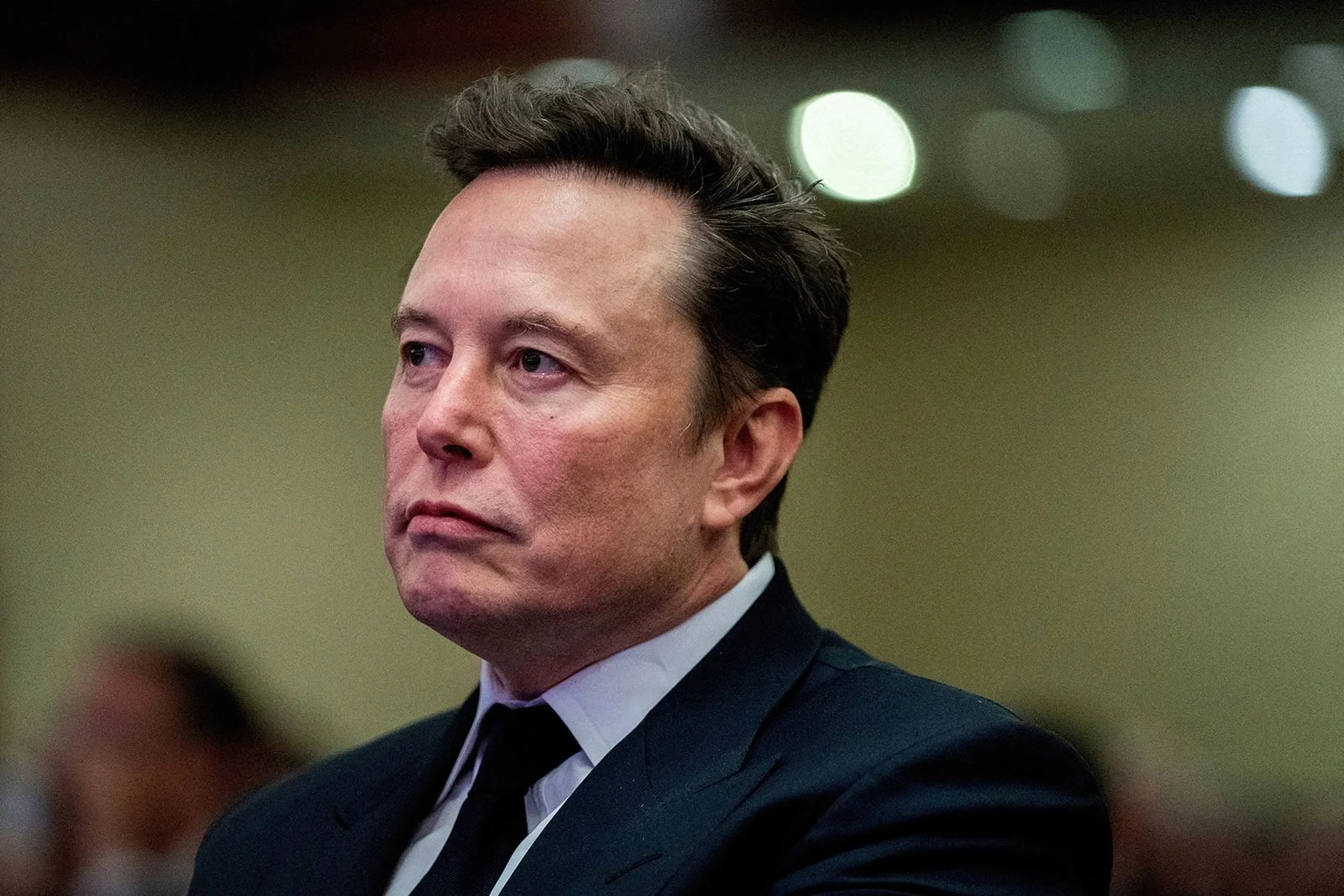
Elon Musk has crossed a financial threshold no individual had officially reached before: trillionaire status. According to Forbes’ real-time billionaire rankings, Musk’s net worth has climbed to roughly $1.1 trillion, making him the world’s first trillionaire and placing him in a wealth category that was once reserved for national economies, not private citizens. The milestone is reportedly tied to SpaceX’s explosive market debut, which dramatically increased the value of Musk’s holdings in the aerospace company. Forbes reported that SpaceX’s trading launch pushed Musk’s fortune into thirteen-digit territory, widening the gap between him and every other billionaire on the planet.
For Musk, the trillionaire title is not simply a personal wealth story. It is a symbol of how modern technology empires are now valued: not only by current revenue, but by investor belief in future dominance. Tesla made Musk one of the richest people in history, but SpaceX appears to have transformed him into the first trillionaire. SpaceX has become one of the most powerful companies in the world because it sits at the intersection of space travel, satellite internet, defence contracts, reusable rockets, and long-term Mars ambitions. Investors are not merely buying into rockets. They are buying into infrastructure, orbital communications, military relevance, and the possibility that space becomes one of the next great commercial frontiers.
That is what makes Musk’s trillionaire status so fascinating. His wealth is not built around cash sitting in a bank account. Like most ultra-wealthy founders, the majority of his fortune is tied to equity: shares, ownership stakes, and market valuations. If SpaceX or Tesla stock rises, his net worth can surge. If investor confidence fades, that paper wealth can fall quickly. Still, the symbolism is enormous. Becoming a trillionaire means Musk is now worth more than the annual economic output of many countries. It also means the world has entered a new era of wealth concentration, where a single entrepreneur can accumulate a fortune larger than what previous generations would have considered almost absurd.
Supporters will argue that Musk’s fortune reflects the scale of what his companies have built. Tesla helped push electric vehicles into the mainstream. SpaceX changed the economics of rocket launches and became essential to satellite deployment. Starlink expanded global satellite internet coverage. Neuralink and xAI continue to feed the larger mythology of Musk as a founder chasing impossible projects across multiple industries. Critics see the milestone very differently. To them, the first trillionaire is not a triumph of innovation alone, but a warning sign about inequality, taxation, labour power, public subsidies, and the growing influence of private billionaires over infrastructure that affects millions of people. When one person’s fortune reaches $1 trillion, the question becomes bigger than business. It becomes political, social, and moral.
That tension has followed Musk for years. He is admired as a visionary by loyal supporters and criticized as volatile, abrasive, and too powerful by opponents. His ownership of X, his political comments, his management style, and his influence over electric vehicles, satellites, artificial intelligence, and space infrastructure have made him one of the most polarizing figures in the world. The trillionaire milestone will only intensify that debate. It turns Musk into a living case study of the modern founder economy, where personality, narrative, technology, and market speculation combine into a financial force. In Musk’s case, investors are not just valuing companies. They are valuing belief: belief that SpaceX can dominate space, that Tesla can expand beyond cars, that AI will become central to his empire, and that his appetite for risk will keep producing market-shaking outcomes.
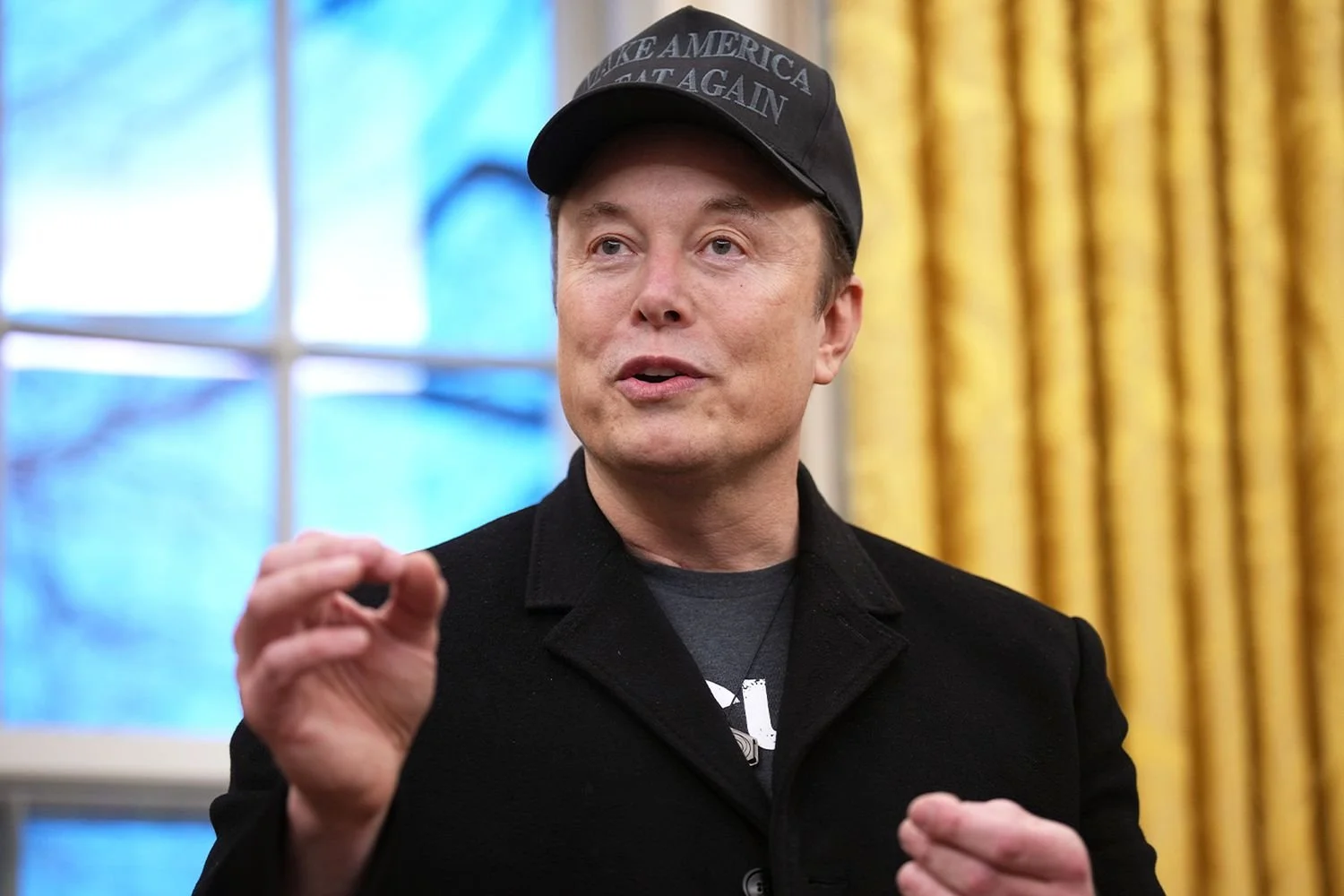
For Tesla, Musk’s wealth remains tied to a more complicated picture. The company is still one of the most important electric vehicle brands in the world, but it faces heavier competition, margin pressure, brand controversy, and investor questions about whether its future depends more on cars, robotics, software, or artificial intelligence. SpaceX’s rise gives Musk another wealth engine, but Tesla remains central to his identity and public profile. SpaceX, however, may now be the stronger symbol of the Musk era. Rockets are cinematic. Satellites are strategic. Mars is mythological. In a culture obsessed with scale, SpaceX gives investors a story that feels almost planetary. That kind of narrative can generate enormous valuations, especially when attached to a founder who has already turned several unlikely bets into dominant companies.
The bigger question is whether trillionaire status changes anything for Musk himself. On one level, probably not. He was already rich beyond normal comprehension. On another level, the title matters because it changes the public frame. “World’s richest person” is impressive. “World’s first trillionaire” sounds historical, almost surreal, and slightly dystopian depending on who is saying it. For younger entrepreneurs, Musk’s rise will likely be studied as both inspiration and cautionary tale. He shows what can happen when a founder combines engineering ambition, media instinct, capital markets, and relentless risk tolerance. But his story also shows how much modern business now depends on narrative gravity. Markets can reward vision before results fully arrive, and that reward can become colossal.
For governments, the milestone raises harder questions. How should tax systems respond to unrealized stock-based wealth? Should private companies controlling essential technology face stronger oversight? How should democratic societies handle individuals whose business decisions can affect communications, transportation, defence, energy, and public conversation? Those questions will not disappear because Musk reached $1 trillion. They will become louder.
Ultimately, Elon Musk becoming the world’s first trillionaire is about more than one man’s net worth. It is about the age we are living in: an age where space companies can command valuations once reserved for oil giants, where founders can become geopolitical actors, and where wealth can accumulate at a speed that makes old economic language feel inadequate.
Musk’s trillionaire status is a landmark in business history. Whether people view it as proof of genius, market excess, or a troubling concentration of power depends on what they already believe about capitalism, technology, and the future. But one thing is clear: the first trillionaire has arrived, and his fortune says as much about the world around him as it does about Elon Musk himself.
Enjoyed the read? Consider showing your support by leaving a tip for the writer
Featured






Follow Us

Shop






















Desiree Choy’s “Never Want It to End” glows with the soft architecture of a perfect evening held just before it disappears. The American, LA-based singer, songwriter, and actress shapes the single through Alternative / Indie R&B and Alt Pop, bringing a chill coastal feeling to a song about wanting…