
House of the Dragon Season 3 Reviews Arrive as HBO’s Fantasy Giant Returns
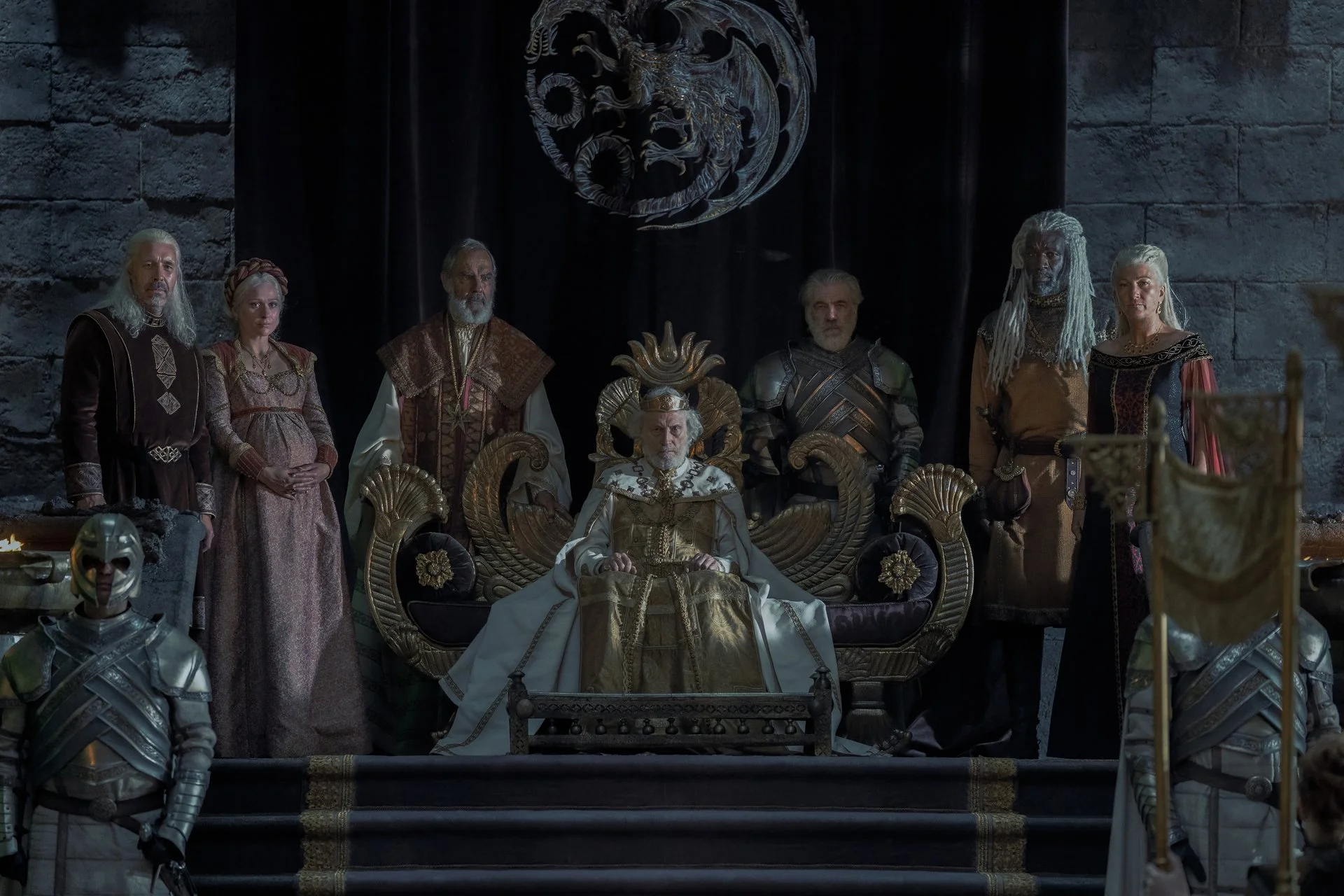

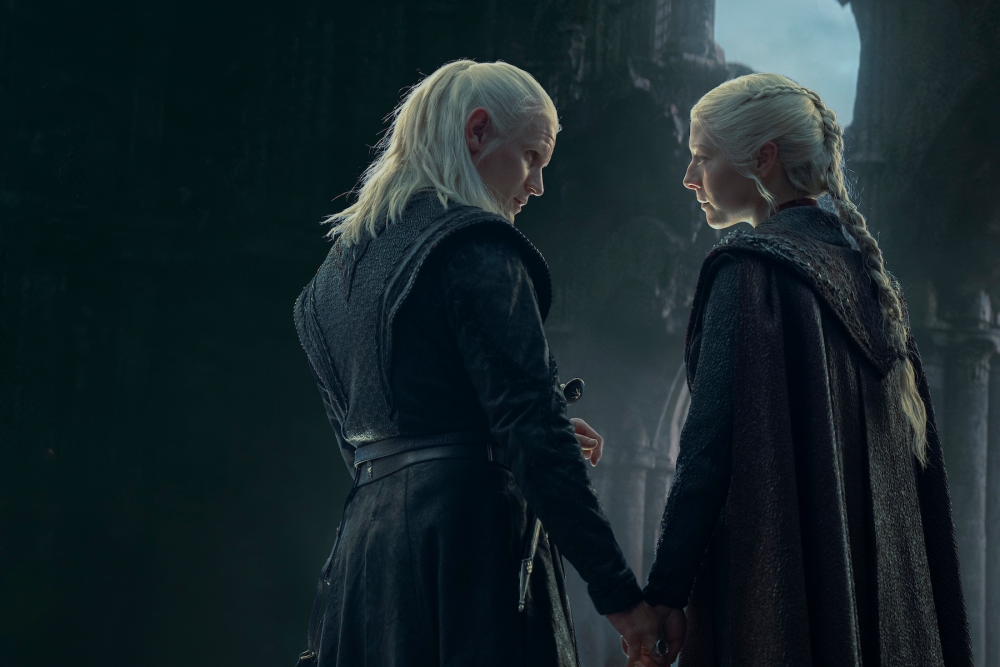
HBO’s dragon machine is roaring again. Early reviews for “House of the Dragon” Season 3 have arrived, and the first critical response suggests that the “Game of Thrones” prequel is returning with more fire, more blood, and a much faster pulse than the season that came before it. After Season 2 left some viewers frustrated by its slow-burn politics and delayed payoff, Season 3 appears determined to remind audiences why Westeros still owns such a large corner of prestige television. Premiering June 21 on HBO and HBO Max, the new season pushes deeper into the Targaryen civil war known as the Dance of the Dragons. The conflict between the Blacks and the Greens is no longer just a palace argument whispered through candlelit rooms. It is becoming a full-scale war of succession, family collapse, dragon power, and political ruin. For critics who received early episodes, the difference in energy is immediately noticeable.
Several reviews point to a season that wastes little time before unleashing the spectacle fans have been waiting for. The Battle of the Gullet has emerged as one of the major talking points, with critics describing the opening stretch as grand, violent, and cinematic in a way that feels unusually massive for television. That matters because “House of the Dragon” has always carried the burden of comparison. It is not only judged against other fantasy shows. It is judged against “Game of Thrones” at its most operatic. This time, the early consensus is that Season 3 comes closer to that old scale. The show reportedly leans into naval conflict, dragon warfare, strategic betrayal, and the kind of kingdom-shaking chaos that made Westeros feel dangerous in the first place. After two seasons of careful positioning, the board is finally burning.
Emma D’Arcy’s performance as Rhaenyra Targaryen is once again being singled out as one of the show’s strongest assets. Rhaenyra enters Season 3 carrying grief, ambition, rage, and the terrible pressure of legitimacy. The character is no longer simply arguing that the throne belongs to her. She is being forced to decide what kind of ruler she becomes when war gives her the power to punish, sacrifice, and destroy. That emotional evolution is essential to the season’s success. “House of the Dragon” works best when its dragons are not merely weapons, but extensions of wounded people. Rhaenyra’s rise is not clean heroism. It is a slow corruption test. D’Arcy gives the character a controlled intensity, making her feel both regal and increasingly haunted by what victory may require.
Ewan Mitchell’s Aemond Targaryen is also earning attention from critics. Aemond has gradually become one of the show’s most magnetic figures: severe, theatrical, dangerous, and emotionally warped by years of humiliation and ambition. In a series full of people claiming destiny, Aemond feels like someone who has turned resentment into religion. Season 3 appears to give him even more room to become one of the great unstable forces of the war. The reviews are not universally glowing, though. Some critics argue that “House of the Dragon” still struggles with overcrowding. The show’s web of Targaryens, Hightowers, Velaryons, dragonseeds, councillors, commanders, heirs, bastards, and claimants can become dense enough to feel like homework for casual viewers. The scale is impressive, but scale also creates drag when emotional clarity gets buried under names, titles, and shifting alliances.
That criticism has followed the series from the beginning. “House of the Dragon” is less adventurous than “Game of Thrones” in terms of geography and tone. Where the original series moved across different houses, cultures, climates, and social classes, this prequel is more claustrophobic by design. It is a family tragedy disguised as a continental war. That focus can be powerful, but it can also make the drama feel airless when the characters repeat old grievances too often. Season 3 seems aware of that risk. Early reviews suggest the new episodes bring more momentum, more visual variety, and more immediate consequences. The political scheming is still there, but it is now tied to battles, deaths, tactical gambles, and public acts of violence. In other words, the show is starting to pay off the dread it has been stockpiling since Season 1.
Olivia Cooke’s Alicent Hightower remains central to that emotional architecture. Alicent has always been one of the show’s most complicated figures because she exists between conviction, fear, motherhood, and political survival. In Season 3, her role appears to continue shifting as the war she helped enable grows beyond her control. That is one of the show’s sharpest ideas: the people who ignite history are rarely able to command the fire once it spreads. Matt Smith’s Daemon Targaryen also remains one of the great wild cards. Daemon is too charismatic to ignore and too unstable to trust, a character who often seems most alive when he is near disaster. Season 3 reportedly keeps him inside the show’s darker psychological and political currents, allowing his presence to remain both useful and poisonous.
What makes the early reaction encouraging is that critics are not only praising the action. They are also noticing stronger pacing. That was the major issue for many viewers after Season 2. The previous season had strong performances and elegant writing, but its finale left some fans feeling as though the show had spent too long preparing for a war it refused to fully deliver. Season 3 appears to answer that complaint by opening the gates and letting the conflict move. Still, “House of the Dragon” is not becoming simple. It remains a show about inheritance, bloodline obsession, misogyny, prophecy, grief, and the terrible absurdity of monarchy. The battles may be bigger, but the deeper horror is still intimate. These people are relatives. Their dragons share origins. Their claims come from the same rotten family tree. The war is spectacular because the emotional failure underneath it is so grotesque.
That is the real engine of the series. “House of the Dragon” is not about noble houses fighting for a better world. It is about a ruling family so convinced of its own exceptionalism that it sets the realm on fire rather than surrender power. Season 3 seems to understand that the dragons are thrilling, but the tragedy is the point. For HBO, the stakes are enormous. “House of the Dragon” is still the network’s flagship fantasy property, and its success helps keep the “Game of Thrones” universe alive while other spinoffs develop. A strong Season 3 could restore full confidence among viewers who admired Season 2 but wanted more propulsion. A messy season, however, could deepen concerns that the prequel is better at promising catastrophe than delivering it.
Based on the first reviews, HBO may have reason to feel confident. Season 3 appears to be bigger, more aggressive, and more willing to embrace the brutal entertainment value of dragon warfare. The show may still be dense. It may still test casual viewers. It may still carry the stiffness that sometimes comes with adapting dynastic history rather than a sprawling adventure. But it also sounds more alive than it has in a while. The return of “House of the Dragon” is not just another premiere. It is a test of whether Westeros can still dominate television conversation in 2026. Early critics suggest the answer is yes, especially if the season continues to balance spectacle with the emotional rot at the heart of House Targaryen.
Season 3 arrives with smoke in the sky, war at the gates, and enough critical momentum to make fans believe the Dance of the Dragons may finally become the inferno they were promised.
Enjoyed the read? Consider showing your support by leaving a tip for the writer
Featured






Follow Us

Shop



















Desiree Choy’s “Never Want It to End” glows with the soft architecture of a perfect evening held just before it disappears. The American, LA-based singer, songwriter, and actress shapes the single through Alternative / Indie R&B and Alt Pop, bringing a chill coastal feeling to a song about wanting…