
Lionel Richie Files to Trademark the Sound of His Voice as AI Deepfake Fears Grow
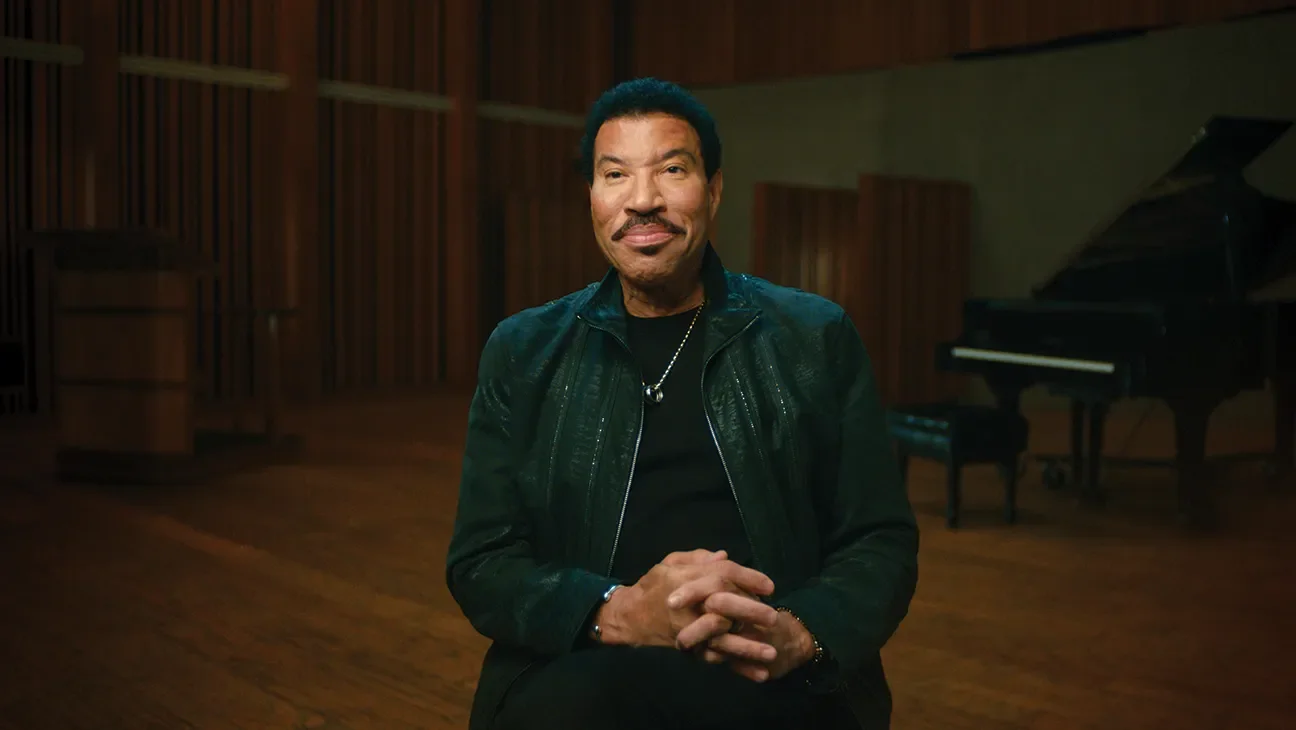
Lionel Richie is making a quiet but important legal move that says a lot about where the music industry is heading. The four-time Grammy winner has applied to trademark the sound of his voice, filing four applications with the U.S. Patent and Trademark Office on June 11, according to Music Business Worldwide. The applications cover audio of Richie saying phrases tied to his catalog, including “Hello, is it me you’re looking for?,” “Say You, Say Me,” “Easy Like Sunday Morning,” and “All Night Long.” The filings list RichLion Holdings, LLC as the owner.
On the surface, this might look like a celebrity protecting famous phrases. But the bigger story is AI. As voice-cloning tools become more convincing, artists are searching for new ways to protect what copyright law does not always cover cleanly: the recognizable sound of a human voice. Music Business Worldwide noted that the filings were first spotted by intellectual property attorney Josh Gerben, who said they were filed on an “intent-to-use” basis, meaning Richie is not yet using the phrases as trademarks in commerce. Gerben also argued that the applications are less about protecting lyrics and more about testing legal tools for celebrity voices in the AI era.
That distinction matters. Copyright can protect songs and recordings. Right-of-publicity laws can protect name, image and likeness in some circumstances. But AI voice cloning has created a messy middle ground where a synthetic performance may sound like an artist without directly copying a specific master recording. Richie’s filing is part of a broader shift. Taylor Swift filed voice-related trademark applications earlier this year for audio phrases associated with her identity, according to Music Business Worldwide. Actor Matthew McConaughey and talk-show host Jimmy Kimmel have also pursued similar protection for famous spoken phrases or vocal signatures.
Still, success is not guaranteed. Sound trademarks can exist, but they need to function as source identifiers — meaning listeners associate the sound with a specific product or service. Music Business Worldwide cited Gerben’s warning that Richie’s applications could be challenging because the USPTO will need evidence that the audio works as a trademark, not simply as famous song language. For artists, the appeal is obvious. A registered voice-related mark could give performers another legal tool if AI systems imitate their voices in commercial contexts. It would not solve every deepfake problem, but it could help artists push back when imitation crosses into brand confusion or unauthorized exploitation.
The move also reflects a deeper cultural issue. A voice is not just an instrument. For artists like Richie, it carries memory, personality and emotional trust. Fans do not only recognize the melody of “Hello” or “All Night Long”; they recognize the warmth and identity behind the performance. The real headline is that AI is forcing artists to rethink ownership beyond songs. The next wave of music rights may not only focus on masters, publishing and likeness. It may also focus on vocal identity itself.
Enjoyed the read? Consider showing your support by leaving a tip for the writer
Featured




Follow Us

Shop












Rob Aspinall builds “Keeps On” from restraint rather than release, letting its emotional weight gather slowly inside a mellow alt-soul framework. The Melbourne artist, multi-instrumentalist and producer shapes the track with soft piano keys, gentle guitar and bass phrases, ethereal pads, and relaxed R&B drums…