
Drake and Future Reunite on “Ran To Atlanta,” and Fans Are Treating It Like a Victory Lap
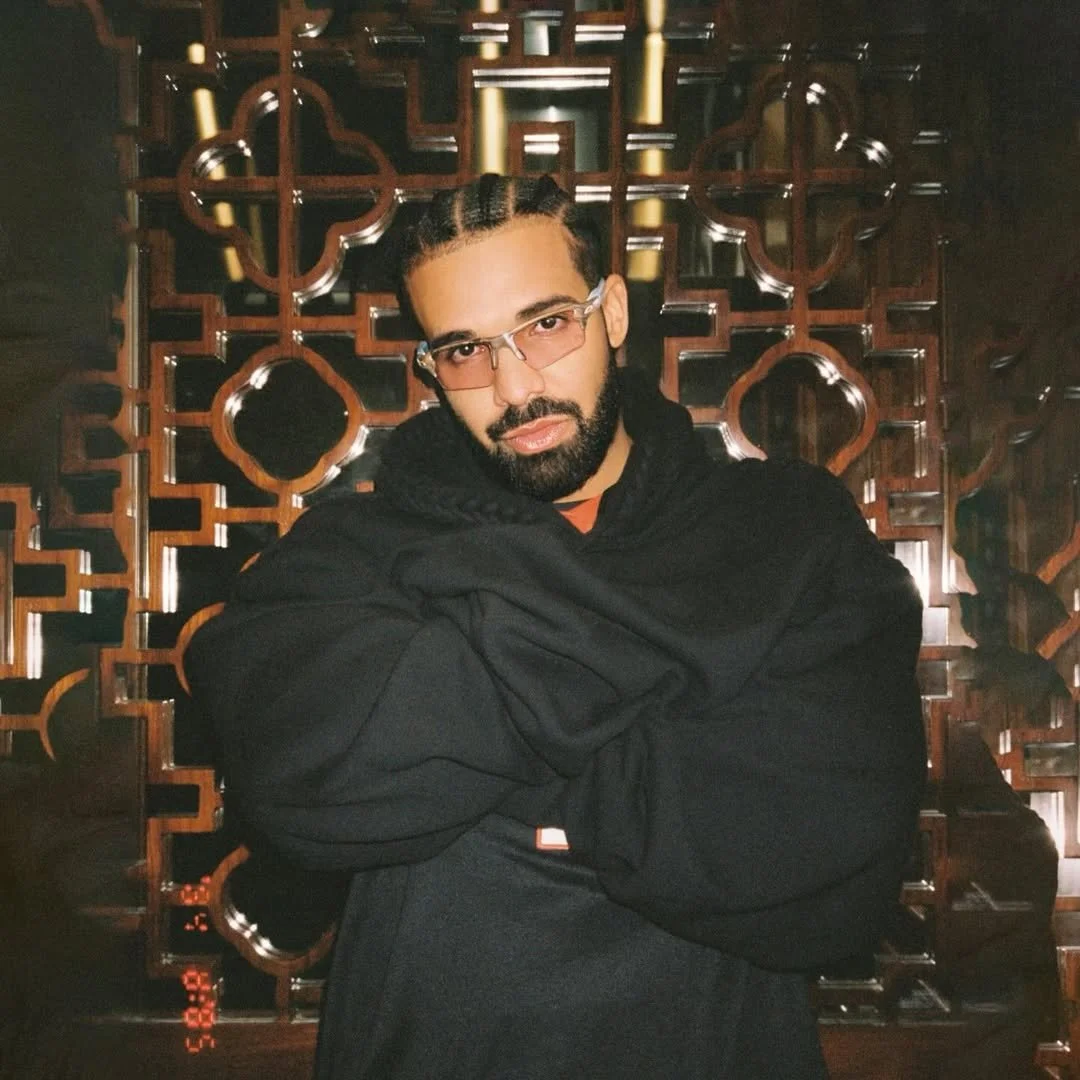

For a while, Drake and Future felt less like collaborators and more like a lost dynasty. Their chemistry had already been written into modern rap history — the moody luxury, the toxic glamour, the Atlanta-to-Toronto electricity, the kind of records that made late nights feel cinematic and slightly dangerous. So when Drake’s Iceman arrived with “Ran To Atlanta,” featuring Future and Molly Santana, the reaction was immediate: fans were not just excited about a new song. They were relieved to hear a familiar alliance back in motion.
The track appears on Iceman, one of the three albums Drake released in his surprise drop alongside Habibti and Maid of Honour. The project’s tracklist includes “Ran To Atlanta” as the fifth song, with Future and Molly Santana officially attached as featured artists. The release instantly became one of the most discussed moments from the album, partly because Drake and Future’s relationship had been surrounded by speculation after the explosive 2024 rap fallout involving Kendrick Lamar, Future and Metro Boomin’s “Like That,” and the wider conversation around alliances in hip-hop.
What makes “Ran To Atlanta” land with such force is the history sitting behind it. Drake and Future are not a random pairing. They are the architects behind a particular strain of nocturnal rap excess — music built for black trucks, private sections, blurred phone screens and half-said emotions. Their 2015 collaborative project What a Time to Be Alive became a cultural marker, not because it was overly polished, but because it captured two superstars moving with instinctive, almost reckless chemistry. When they work well together, the result feels less like a studio session and more like a weather pattern.
That is why fans were so thrilled to hear them reunited. For months, the idea of Drake and Future being back on the same record felt uncertain. After Kendrick’s “Like That” verse turned the rap world into a battlefield, Future’s proximity to that moment made listeners wonder whether one of hip-hop’s most profitable friendships had quietly frozen over. “Ran To Atlanta” feels like a direct answer to that uncertainty. It does not arrive with a press conference or a diplomatic explanation. It arrives the way rap reconciliation often does: through a beat, a feature and the unmistakable sound of business resuming.
The title itself is loaded. “Ran To Atlanta” seems to wink at one of the central criticisms thrown at Drake during the Kendrick conflict — the idea that Atlanta has been essential to his musical empire. Rather than dodge that conversation, Drake appears to lean into it. In fact, fans have connected the song’s Atlanta references to Kendrick’s past line about Drake running to the city, while the track’s chorus reportedly name-checks figures tied to Drake’s Atlanta history, including Pluto, Bank and 21. In other words, Drake is not retreating from the accusation. He is reframing it as résumé.
Future’s presence makes that reframing even sharper. If Atlanta is part of Drake’s mythology, Future has always been one of its most important portals. He brings the city’s bruised opulence with him — the melodic murk, the unbothered pain, the charisma that sounds both exhausted and untouchable. On “Ran To Atlanta,” his feature is more than a guest appearance. It is a symbolic co-sign. It tells listeners that whatever tension fans imagined, the door between Drake and Future is not closed.
Then there is Molly Santana, whose inclusion gives the record a fresher pulse. Pairing Drake and Future could have easily turned into nostalgia bait, but Molly’s presence helps pull the song into a newer generational current. She adds a different texture to the moment — less legacy, more immediacy. That balance matters. “Ran To Atlanta” is not simply trying to recreate an old Drake-and-Future formula. It is trying to update the room, bringing a younger voice into a collaboration already heavy with history.
Fan excitement around the track makes sense because the reunion feels bigger than music gossip. It suggests that, even after one of rap’s messiest public years, some creative bridges remain intact. Hip-hop thrives on conflict, but it also thrives on chemistry, and Drake and Future have too much of it for listeners to treat their reunion casually. The internet reaction has carried the tone of people watching a favourite duo walk back into the club together — not necessarily sentimental, but definitely charged.
Still, the most interesting thing about “Ran To Atlanta” is how strategic it feels. Drake has always known how to turn scrutiny into scenery. If people said he leaned too heavily on Atlanta, he made a song that puts Atlanta in the title. If fans wondered whether Future was still aligned with him, he placed Future directly on the record. If critics expected him to tiptoe around the aftermath of the Kendrick battle, he walked straight into the smoke with a hook built like a response.
Ultimately, “Ran To Atlanta” is one of the most important early talking points from Iceman because it operates on multiple levels. It is a reunion, a flex, a clarification and a cultural breadcrumb all at once. Drake gets to remind listeners that his Atlanta ties are not an embarrassment but part of his hitmaking architecture. Future gets to re-enter that world with the effortless gravity only he can bring. Molly Santana gets a major placement inside one of the year’s biggest rap conversations.
For fans, though, the feeling is simpler: Drake and Future are back in business. And sometimes, in rap, that alone is enough to make the whole room light up.
Enjoyed the read? Consider showing your support by leaving a tip for the writer
TRENDING NOW







CONNECT WITH US




FEATURED


Desiree Choy’s “Never Want It to End” glows with the soft architecture of a perfect evening held just before it disappears. The American, LA-based singer, songwriter, and actress shapes the single through Alternative / Indie R&B and Alt Pop, bringing a chill coastal feeling to a song about wanting…