
Tesla Admits Humans Have Been Driving Its Robotaxis Remotely: Why That Changes Everything
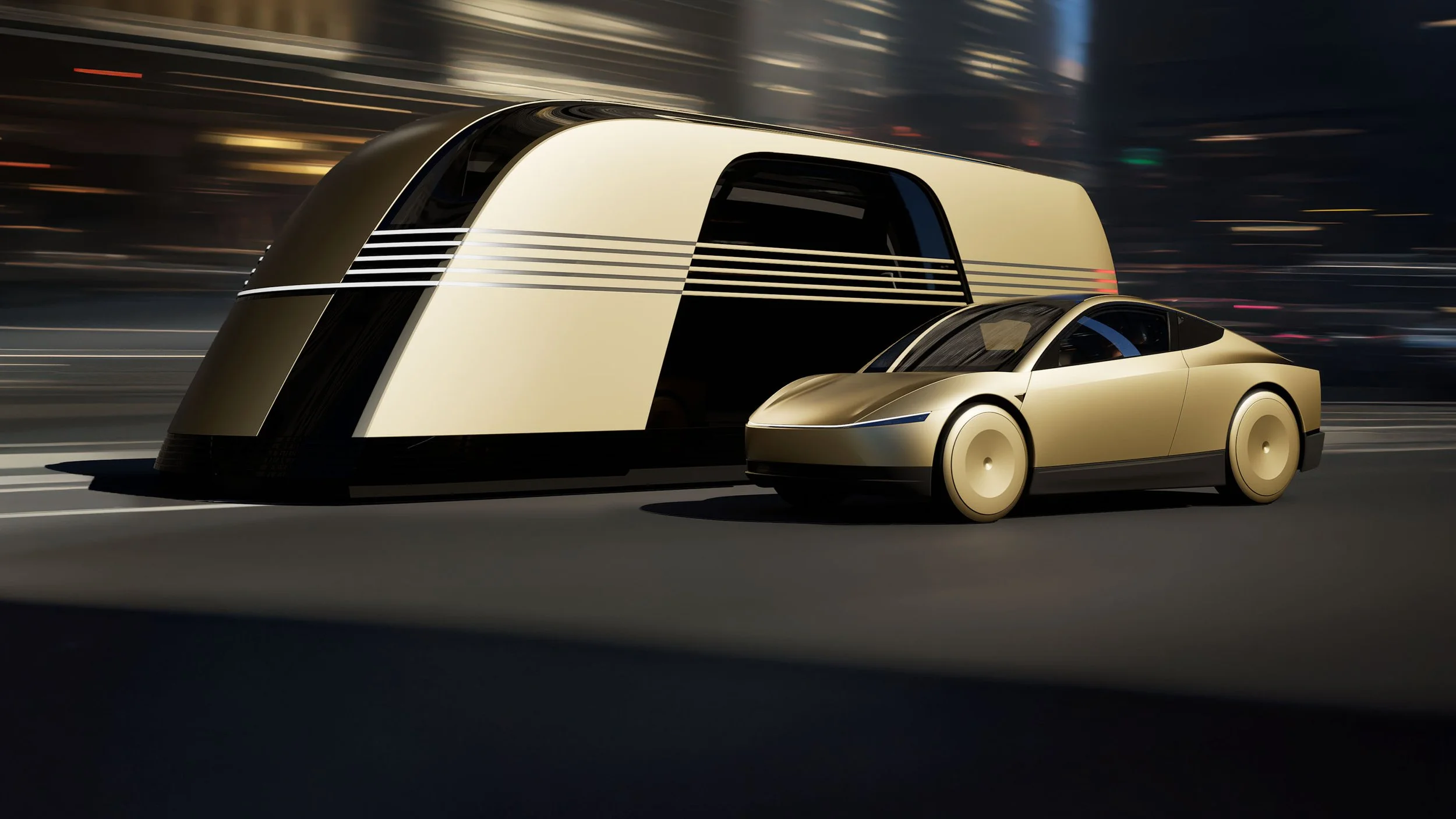
For years, Tesla has sold the public a sleek and seductive vision of the future: cars that drive themselves, robotaxis that operate with minimal friction, and a transport system liberated from the ordinary limitations of human error. It is a powerful narrative, and for many investors and fans, it has become almost theological. But that story took a more awkward turn this week when new disclosures showed that Tesla has acknowledged remote assistance operators can, in rare cases, temporarily take direct control of a robotaxi. According to the company’s response to Senator Ed Markey’s investigation, those operators may assume direct control at very low speeds and can remotely drive the vehicle at up to 10 mph when the software allows it.
That may sound like a technical footnote, but it is not. It cuts straight into the central illusion behind the modern robotaxi pitch. When most people hear the word autonomous, they imagine a machine navigating the world on its own. They do not picture a human being in an office, possibly miles away, ready to intervene when the system gets stuck, confused, or compromised. Yet the documents released through Markey’s investigation make clear that remote human assistance is not some fringe possibility in this industry. It is part of the architecture. Markey’s office said every company in his probe used remote assistance in some form, though Tesla stood out because it allows direct teleoperation rather than merely providing advisory input to the software. That distinction matters enormously.
The first consequence is a trust problem. Tesla has built much of its aura around the idea that it is not merely making cars, but pioneering a self-driving revolution. Once the public learns that a supposedly autonomous vehicle can still depend on a remote human hand, the branding starts to wobble. To be clear, there is nothing inherently shameful about having a safety backstop. In fact, from a practical standpoint, it may be sensible. The problem is the mismatch between the mythology and the mechanics. If consumers are sold the image of machine independence while the real-world operation still leans on human intervention, confidence can begin to erode. And once trust slips, every future claim about full autonomy becomes harder to swallow.
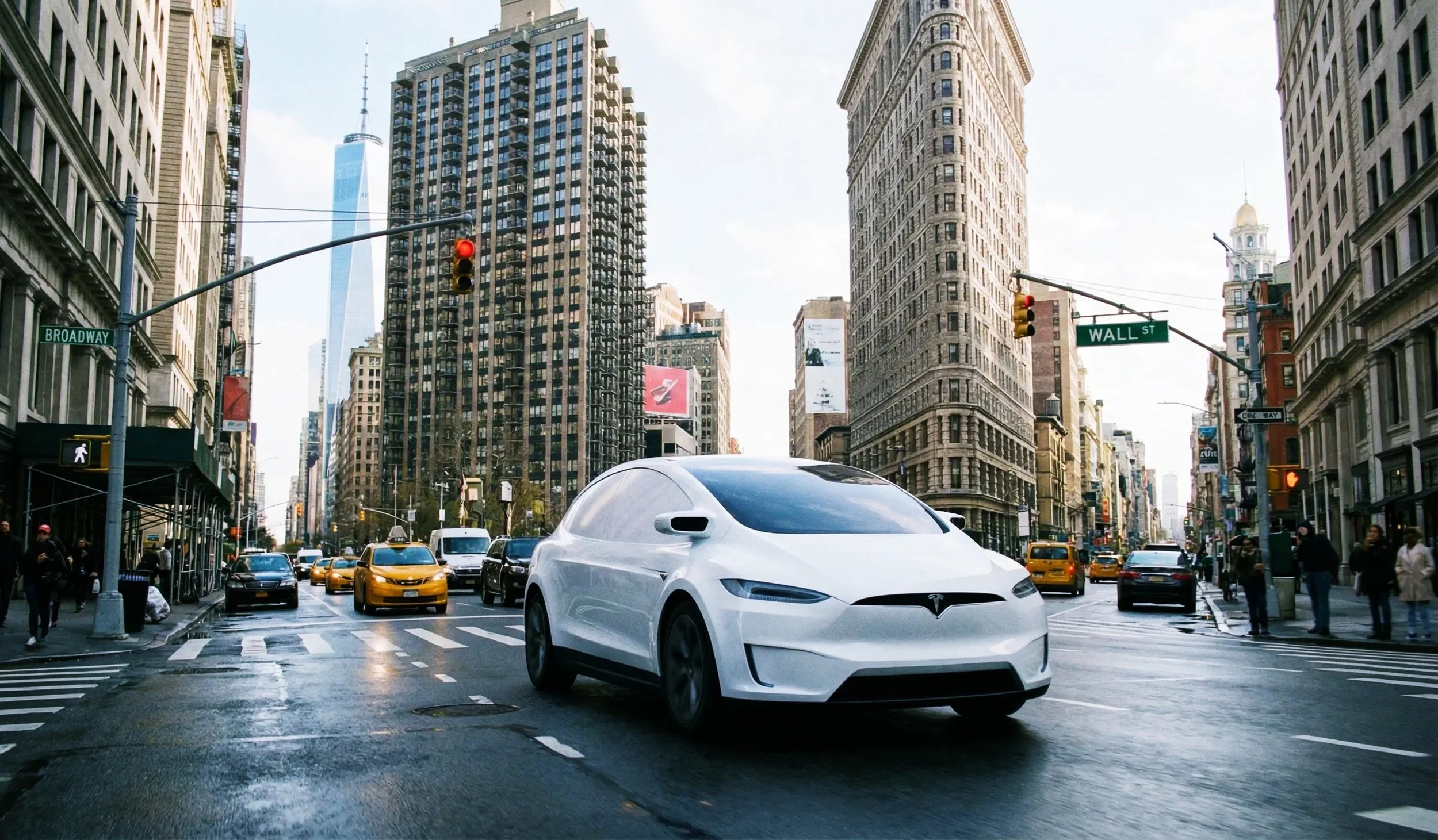
The second consequence is regulatory pressure. Senator Markey said autonomous vehicle companies refused to disclose how often their systems need remote assistance, and he called that missing information critical for lawmakers, regulators, and the public to understand the true level of autonomy and the potential safety risks. He has now urged the National Highway Traffic Safety Administration to investigate the industry’s remote assistance practices and says he is working on legislation to impose enforceable rules around them. That means this is no longer just a public relations embarrassment. It is becoming a policy issue.
The third consequence is safety uncertainty. Wired’s reporting notes that many autonomous vehicle developers avoid direct remote driving because of network latency, slower reaction times, and the difficulty of achieving full situational awareness from a distance. In plain terms, driving a car remotely is not the same as being physically inside it. Even a slight delay in what the operator sees versus what is happening on the road can be dangerous. Tesla’s willingness to permit direct remote control may be framed as a redundancy measure, but it also raises a blunt question: if the system needs a distant human to rescue it, how robust is the autonomy in messy real-world situations?
Then there is the legal and ethical fallout. If a remotely assisted robotaxi is involved in a collision or a dangerous manoeuvre, responsibility becomes murkier. Was the failure caused by the vehicle’s software, the remote operator, the communication link, or the company’s operational design? These are not abstract questions for a distant future. They are exactly the kind of questions regulators, insurers, lawyers, and the public will press harder if robotaxis expand while human intervention remains part of the system. Tesla’s admission does not just complicate the technology. It complicates accountability.
There is also a labour angle that the robotaxi dream tends to hide. The popular fantasy around autonomous vehicles has always implied the disappearance of the driver. No more cabbies, no more ride-share workers, no more human bottleneck. But if remote operators are still monitoring, assisting, and sometimes taking over, then the labour has not vanished at all. It has simply been relocated behind the curtain. The industry still relies on humans; it just prefers them to be invisible, because invisibility supports the illusion of seamless automation. That does not make the technology fraudulent, but it does make the rhetoric far more slippery than the glossy demos suggest.
Tesla’s broader regulatory posture makes the admission even more awkward. Reuters reported in February that Tesla logged zero autonomous test miles in California in 2025 for the sixth straight year and still had not progressed through the state’s full permit structure for operating a driverless ride-hailing service. Reuters also reported that Tesla’s Bay Area “robotaxi” service was, in practice, a chauffeur service with human drivers using Tesla’s Full Self-Driving software, not a true autonomous robotaxi operation. That context matters because it suggests the gap between Tesla’s public image and its real operating status is not confined to this latest remote-control revelation.
From a Canadian point of view, the lesson here is not that autonomous vehicles are doomed. It is that transparency matters more than spectacle. If a company wants the public to accept algorithmic transport in shared civic space, then it owes people straight answers. How often do remote humans intervene? Under what exact conditions? What training do they receive? What happens when the connection stutters or fails? Those are not anti-technology questions. They are the adult questions.
And right now, they are the questions Tesla has made impossible to ignore.
Because once a robotaxi starts needing a remote human to save the moment, the conversation changes. It is no longer just about innovation. It is about honesty, safety, and whether the future is actually arriving as promised, or merely being stage-managed more cleverly than most people realized.
Featured












Wendy Bruner and Christopher Grundy construct “Toward Shalom” around warmth rather than spectacle, allowing its ideas of belonging, completeness, and social acceptance to develop inside an intentionally unvarnished frame. Written by Bruner and Monty Jackson and produced…