
Scott Moran Explores Fatherhood, Grief, and Resilience on “Sixth of the Six”
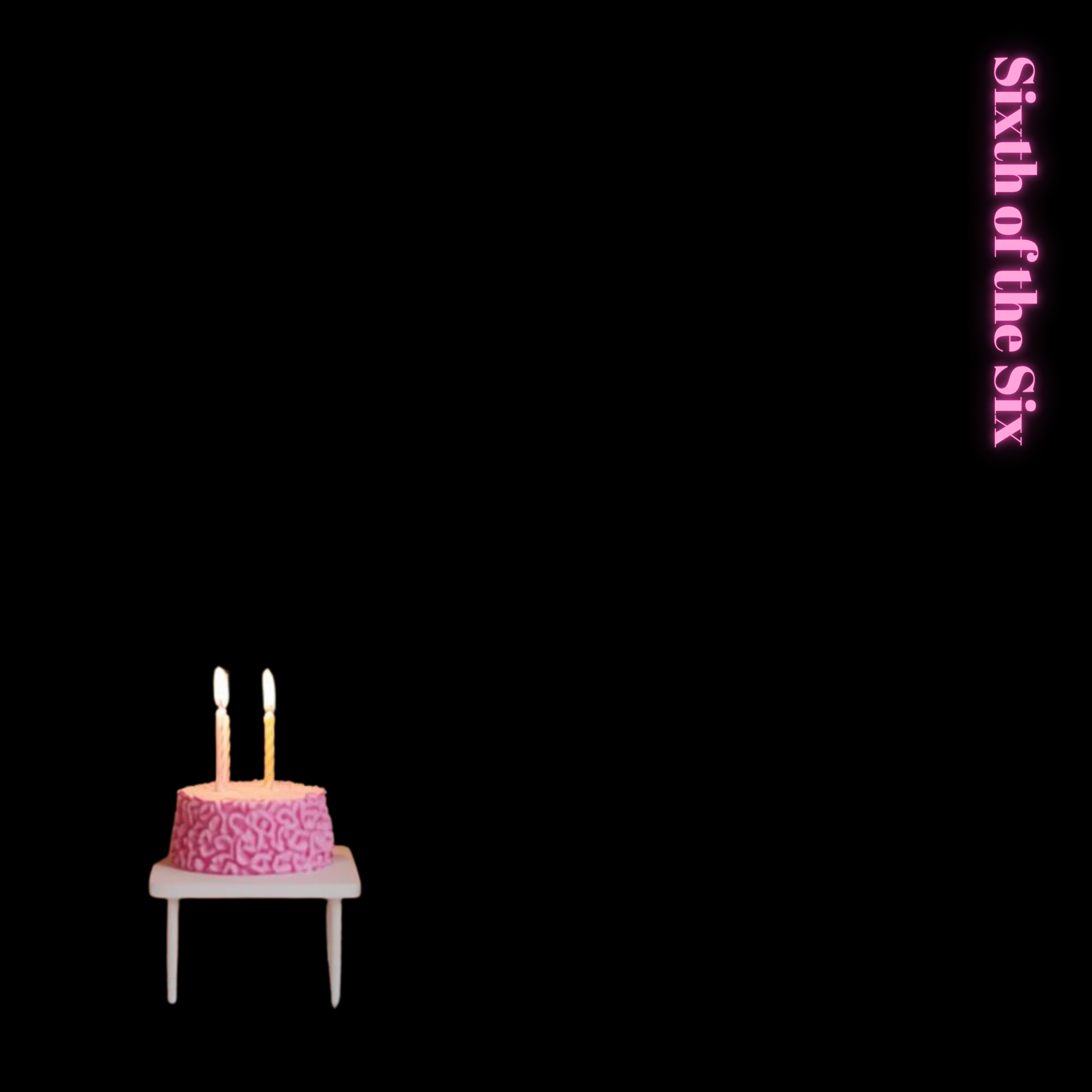
Grief does not enter Sixth of the Six as a theme; it behaves like the room itself, changing the pressure, the scale, and the temperature of every sound. Woodside, CA artist Scott Moran frames this Pop Rock and Alt Pop album around a father’s plea to reach his missing daughter Charlotte Moran, turning private devastation into a record that feels both diaristic and deliberately constructed. Released as a 12-track, 38-minute project on June 6, 2026, the album carries its birthday symbolism directly in the title, giving the work a fixed emotional architecture rather than a decorative concept. According to Moran’s own account, these songs grew from daily writing, memories of making music with his daughter, and the practical need to keep her story visible through the website RescueCharlotte.org. The result is not polished tragedy for easy consumption. It is a rough-edged gallery of longing, domestic memory, legal exhaustion, and stubborn paternal devotion.
The strongest production choices on Sixth of the Six come from contrast. Moran often begins with something fragile—a banjo riff, an acoustic guitar pattern, a muted vocal phrase—then lets the song gather voltage until it becomes Pop Rock with teeth. The title track demonstrates this clearly, moving from rustic looseness into a brighter guitar-driven body, where drums and bass give the grief a physical pulse. God Put Teeth on the Moon is more immediate, with electric guitars and upbeat percussion pushing against lyrics that twist domestic absence into surreal imagery. Pain is Just a Collapsing follows a more architectural arc, starting mellow and intimate before opening into a chorus that feels broader, heavier, and more deliberately lit. Moran’s vocals, sometimes slightly distorted or processed, add urgency, though the processing is not always equally successful.
Track-by-Track Review
Sixth of the Six — A banjo-framed opening slowly expands into a Pop Rock engine, letting the birthday grief feel both personal and public. God Put Teeth on the Moon — Vibrant guitars and buoyant drums create a moonlit contradiction, playful in surface but aching underneath. Pain is Just a Collapsing — Acoustic softness turns into a full-bodied chorus, giving the song one of the album’s most effective emotional builds. Tuesdays — Groovy Alt Pop with funky movement and a sharp synth drop, though the vocal treatment occasionally clouds the lyrical precision. Systems — Bass-driven and restrained, the track uses calm pacing and children’s choir textures to make bureaucracy sound spiritually exhausted. Christmas Morning — Melancholic guitars and a plainspoken delivery shape it as a seasonal absence anthem, though the engineering would benefit from more polish and depth. Spare Key — The album’s most affecting passage, lifted by a strong female vocal feature that blends gracefully with Moran’s weathered lead. Last Chorus — A title that suggests finality, likely functioning as one of the album’s emotional hinges, where repetition becomes endurance. Woman in Manila — The record’s narrative tension sharpens here, suggesting a darker geographical and psychological frame. It’s one of the album’s most narratively charged moments, written around the mother of the child, who, within Moran’s account, abducted and is now raising her away from him. The song’s mellow, banjo-driven opening gives it a deceptively fragile surface, but progressively shifts into Pop Rock with a heavy lead electric guitar. Don’t Let Go — A title built for insistence, likely serving as one of the album’s direct pleas for emotional survival. The melodic direction is poignant and genuinely heartfelt. Four Pills — The starkness of the title implies a more intimate, possibly heavier interior scene. it’s about numbing the pain, the grief with pills. Trying — As a closer or late-album statement, it’s mellow, genuine and carries the simplest thesis: continuation as an act of love.
What Sixth of the Six proves is that Scott Moran is not merely documenting pain; he is arranging it, compressing it, amplifying it, and sometimes leaving the seams visible. That rawness is part of the album’s identity, though it also explains its unevenness. At its best, the record uses production as emotional architecture: guitars become beams, drums become pressure points, synths become passing light, and vocals become messages left inside the walls. Not every mix lands with the same clarity, and a few songs could gain force through cleaner engineering choices. However, the album’s sincerity is difficult to dismiss. For listeners drawn to Pop Rock and Alt Pop that carries real-life gravity, Sixth of the Six stands as a wounded, imperfect, deeply human work from an artist turning private devastation into a sonic map back home.
Enjoyed the read? Consider showing your support by leaving a tip for the writer
TRENDING NOW






CONNECT WITH US







FEATURED



Desiree Choy’s “Never Want It to End” glows with the soft architecture of a perfect evening held just before it disappears. The American, LA-based singer, songwriter, and actress shapes the single through Alternative / Indie R&B and Alt Pop, bringing a chill coastal feeling to a song about wanting…