
H&M Says Climate Change Is Reshaping How It Designs Seasonal Collections
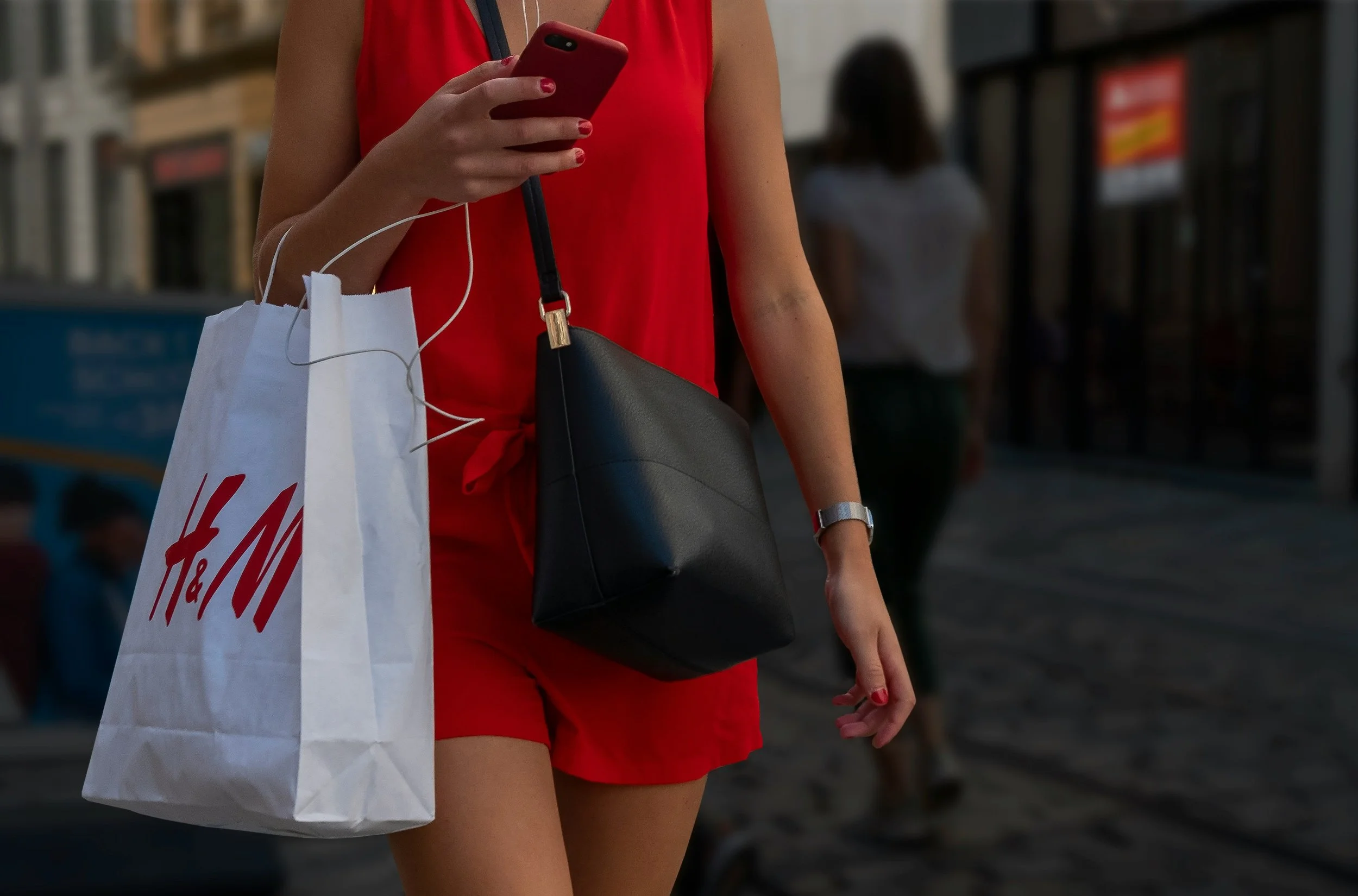
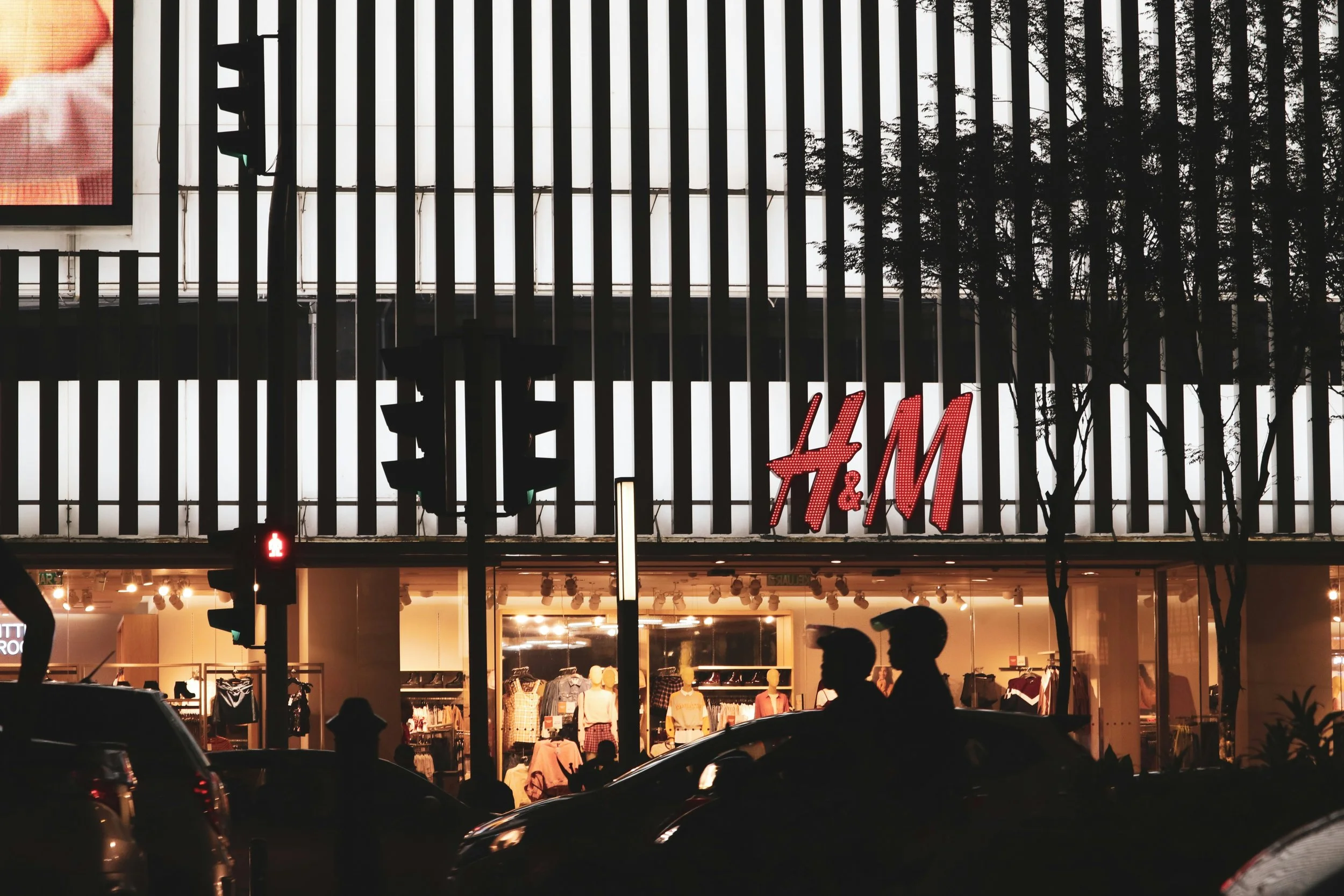
Climate change is no longer just an environmental issue for the fashion industry—it's becoming a business challenge that is reshaping how global retailers design, manufacture, and sell clothing. Executives at H&M say increasingly unpredictable weather patterns are forcing the company to rethink the traditional fashion calendar, with warmer winters, earlier heatwaves, and shifting seasonal demand making it harder to predict what customers will need and when they will buy it. According to Reuters, the Swedish retailer is adapting its planning process to better respond to changing climate conditions while maintaining flexibility across its global supply chain.
The Traditional Fashion Calendar Is Changing
For decades, fashion retailers have relied on relatively predictable seasonal cycles. Spring collections arrived before warmer weather, autumn lines introduced heavier fabrics, and winter clothing followed a familiar schedule built around colder temperatures.
That model is becoming increasingly difficult to maintain. Across Europe and other major markets, unusually warm winters and record-breaking summer heatwaves have disrupted shopping habits, leaving retailers with inventory that no longer matches local weather conditions.
As climate patterns become less predictable, brands like H&M are adjusting their collection planning to better reflect how consumers are actually dressing throughout the year.
Building More Flexible Collections
Rather than completely abandoning seasonal fashion, H&M says it is placing greater emphasis on flexibility. Design teams are developing collections that can perform across a wider range of temperatures, while buyers and planners are improving forecasting systems to respond more quickly when weather conditions shift unexpectedly. The company is also strengthening its ability to move inventory between markets, allowing clothing to be redirected toward regions experiencing stronger demand.
Executives believe that greater flexibility will help reduce excess inventory while improving the customer experience.
Climate Change Is Becoming a Retail Challenge
H&M is not alone in facing these pressures. Retailers across the fashion industry have reported that unpredictable weather is making inventory planning more difficult, affecting everything from sales forecasts to production schedules. When colder weather arrives later than expected—or heatwaves begin earlier—consumer purchasing behavior often changes dramatically.
The result can leave companies carrying unsold merchandise that no longer matches seasonal demand. As a result, weather forecasting is becoming an increasingly important part of retail strategy alongside traditional trend forecasting.
Sustainability and Business Now Go Together
The conversation also reflects a broader shift in how fashion companies approach sustainability. While much public attention focuses on reducing emissions, recycling materials, and improving manufacturing practices, climate adaptation is becoming another important part of long-term planning.
For H&M, responding to changing weather patterns is not simply about environmental responsibility—it is also about improving operational efficiency, reducing waste, and ensuring products reach customers when they are most relevant. That combination of sustainability and business strategy is expected to become increasingly important across the apparel industry.
Why This Matters
Climate change is influencing nearly every part of the fashion business, from cotton production and manufacturing to logistics and consumer behavior. For global retailers operating across dozens of countries, the ability to respond quickly to changing weather may become a significant competitive advantage. As consumers continue experiencing more frequent extreme weather events, flexible product planning could prove just as valuable as traditional fashion forecasting.
Looking Ahead
H&M says it will continue investing in forecasting technology, supply-chain flexibility, and sustainable business practices as climate conditions evolve. Industry analysts expect many competing retailers to adopt similar approaches, suggesting that climate adaptation could become one of fashion's defining business trends over the next decade.
Conclusion
H&M's comments highlight a growing reality across the fashion industry: climate change is influencing not only how clothing is produced but also when and where consumers buy it. As weather patterns become increasingly unpredictable, retailers are rethinking decades-old seasonal strategies to create a more flexible and resilient fashion business.
Enjoyed the read? Consider showing your support by leaving a tip for the writer
Featured









Follow Us


Shop















A river rarely announces the moment it changes direction; light shifts across the surface, a current bends around stone, and suddenly the landscape is moving somewhere new. Mietta’s debut album When The Water Stills carries that same patient, almost cinematic motion. Rooted in Australia’s Mornington Peninsula on Bunurong Country, the ten-track acoustic…