Is AI Making Creators More Productive or Just More Replaceable?
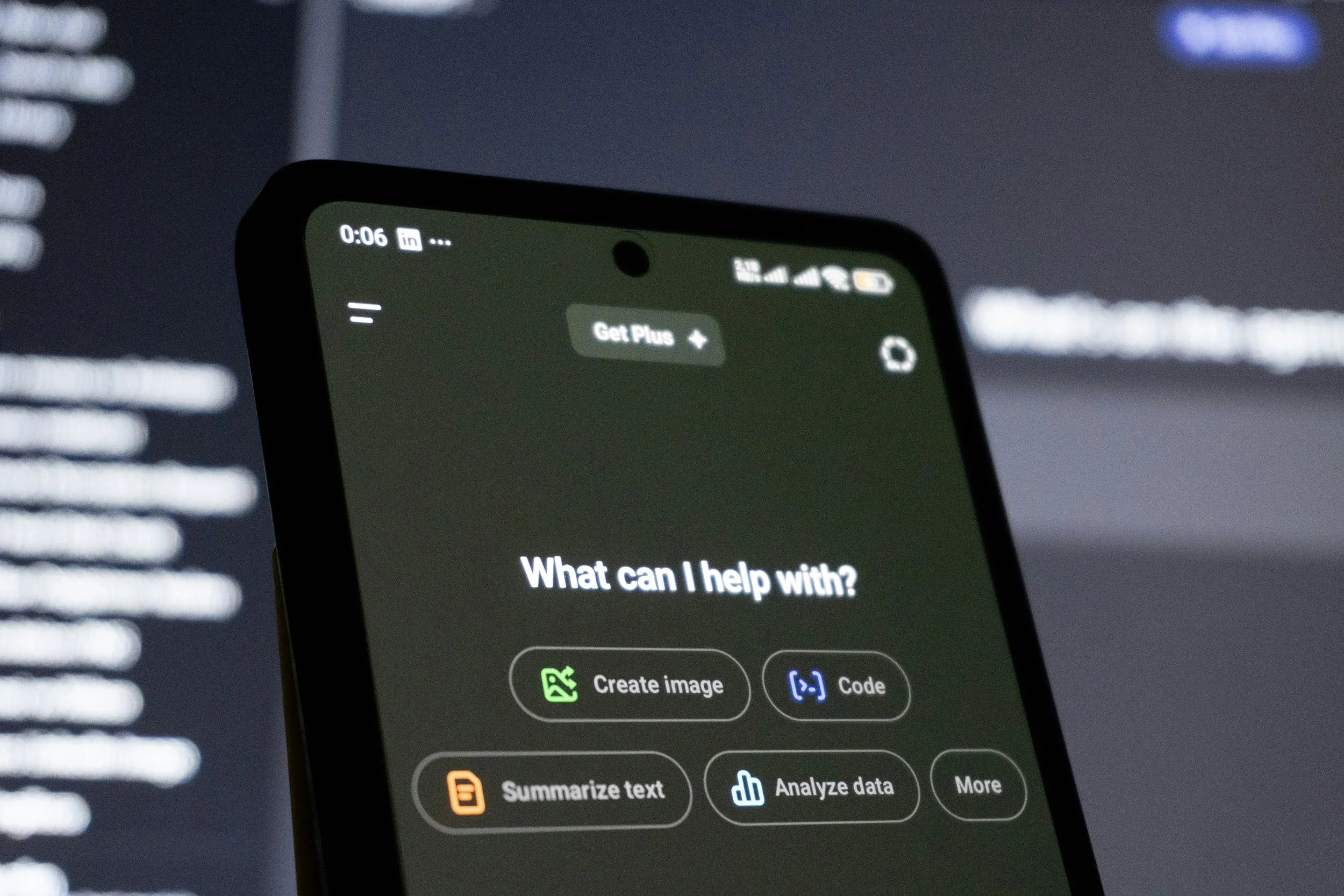
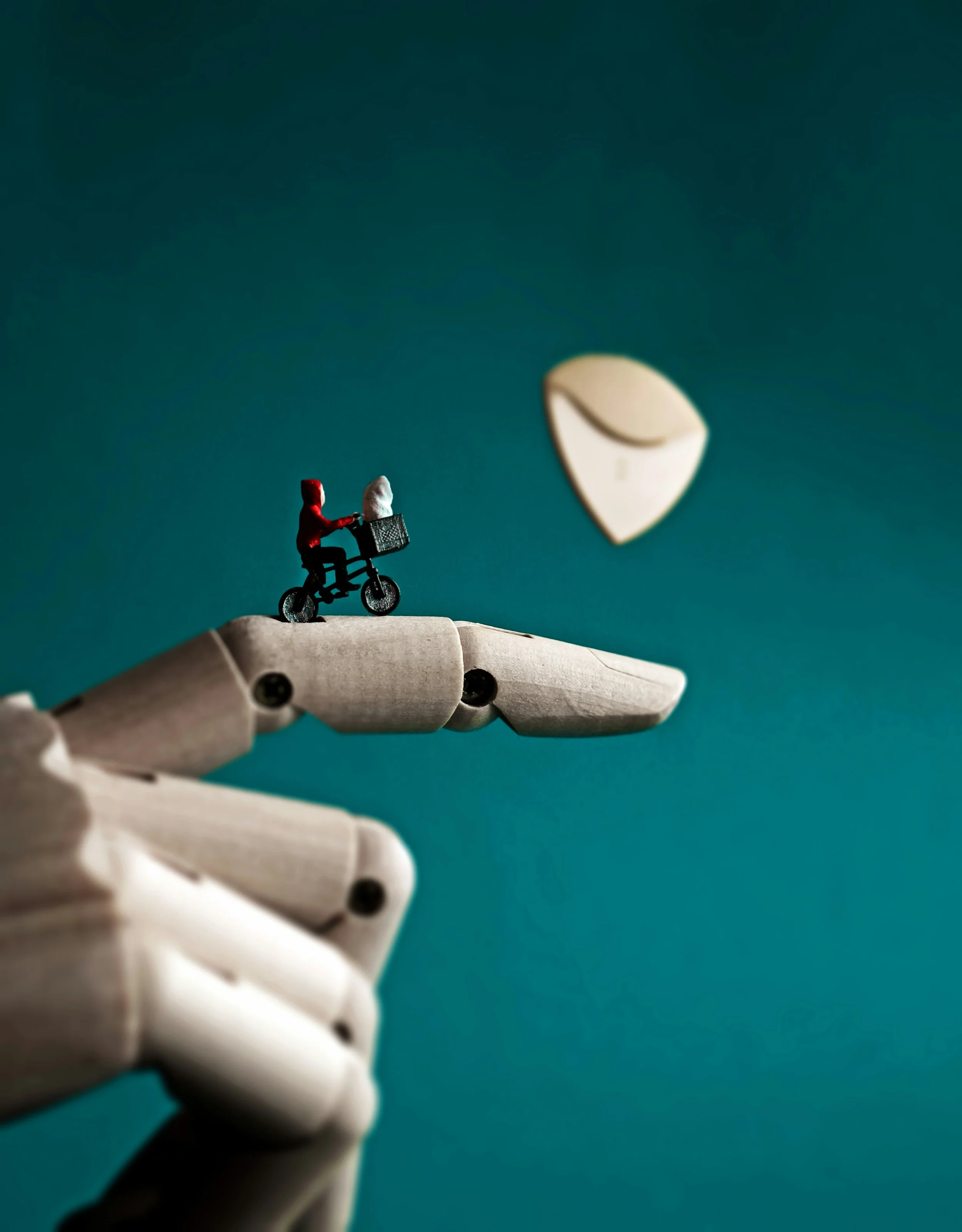
Artificial intelligence has become the most complicated collaborator in the creator economy. For some artists, designers, writers, editors, podcasters, and indie entrepreneurs, AI is a time-saving assistant that handles the boring parts of creative work. For others, it feels like a machine trained to imitate their style, flatten their value, and flood every platform with low-effort content. Both views are valid. The real question is not whether AI is “good” or “bad” for creators. The better question is: who gets more leverage from AI, and who gets squeezed by it?
AI Is Already Inside the Creator Workflow
AI is no longer a futuristic add-on. It is showing up in captions, thumbnails, newsletters, ad concepts, video edits, pitch decks, podcast clips, customer service, audience research, and brand campaign planning.
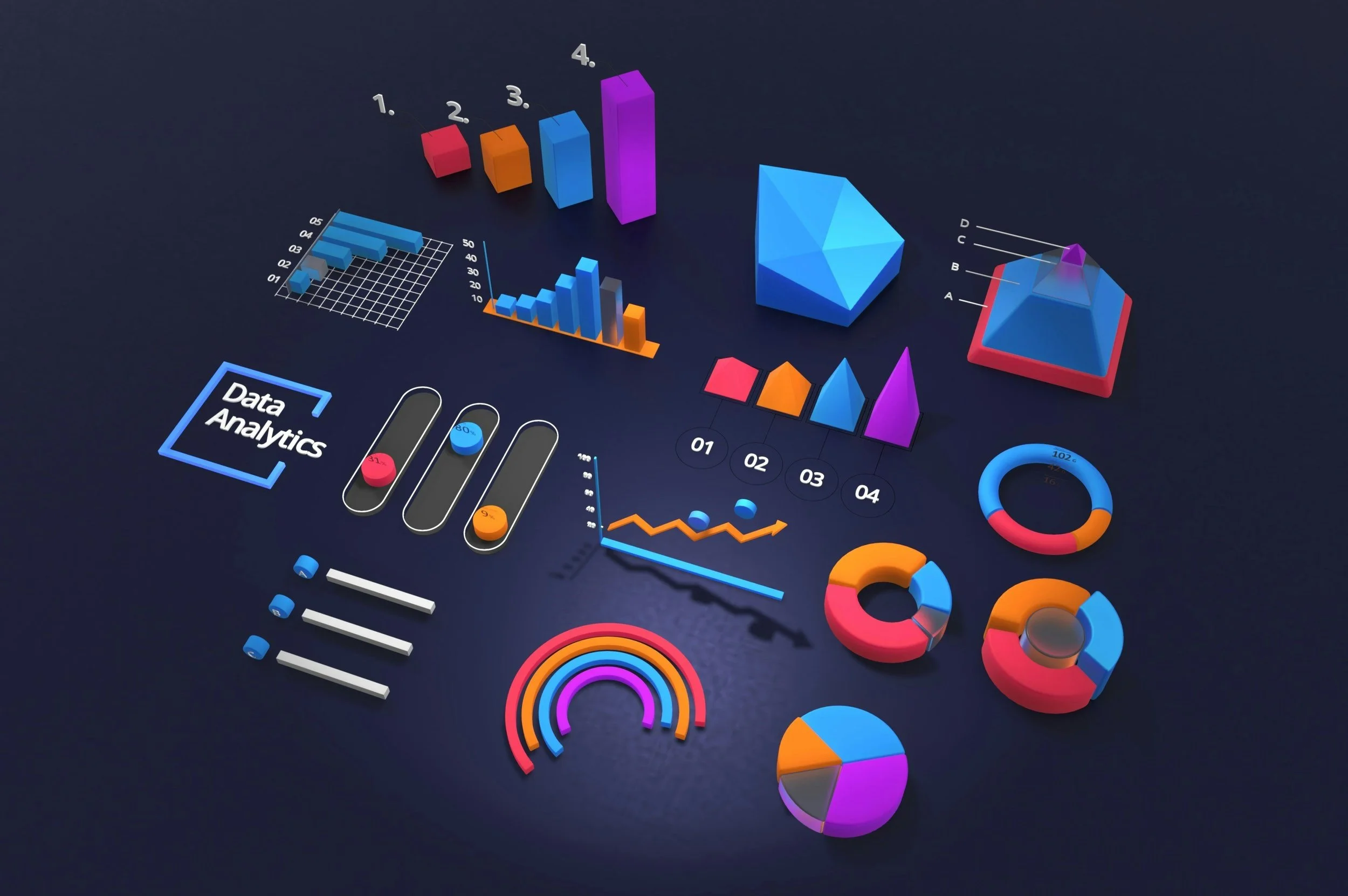
Adobe’s 2026 Creators’ Toolkit Report says 87% of creators surveyed believe creative AI is helping grow their business and audience, while Adobe’s 2025 report said 86% of global creators were already using creative generative AI. Those numbers suggest AI is becoming part of the normal creator toolkit, not a niche experiment.
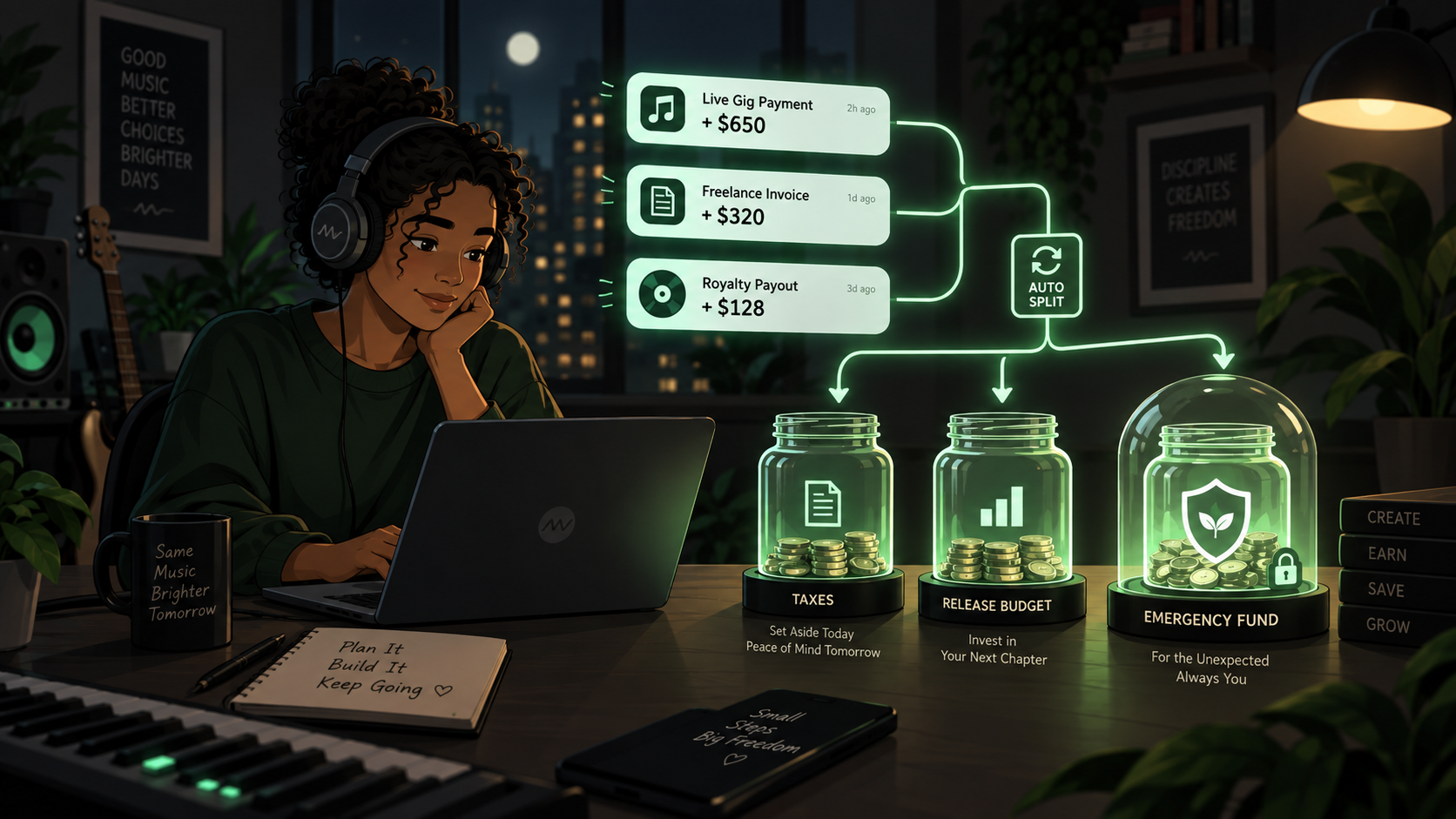
For our readers — artists, tastemakers, producers, writers, photographers, influencers, and creative founders — the most useful AI tools are usually not replacing the core idea. They are helping with the surrounding labour: organizing, editing, repurposing, testing, drafting, and distribution. That matters because most creators are not only making art. They are also managing marketing, admin, content calendars, invoices, email, analytics, brand outreach, and platform strategy.
Productivity Is Real, But It Is Not Equal
AI can absolutely make creators more productive. A musician can use it to draft a rollout calendar. A stylist can use it to organize moodboard references. A podcaster can summarize interview transcripts. A freelance designer can generate first-round concepts before refining the final direction.
Stanford HAI’s 2026 AI Index notes that generative AI reached 53% population adoption within three years, which is faster than the early adoption curve of the PC or the internet. That speed explains why AI now feels less like a trend and more like a structural change in work culture.
But productivity gains are not distributed evenly. Creators with strong taste, clear positioning, and business discipline can use AI as leverage. Creators who rely only on speed may become easier to copy. This is the central tension: AI rewards people who know what they are trying to make. It does not automatically create taste, cultural fluency, lived experience, or originality.
The Replaceability Risk Is Mostly About Generic Work
AI is most threatening to creative work that is highly repeatable, lightly differentiated, or built around formula. Basic product descriptions, generic captions, simple blog posts, stock-style visuals, and templated social graphics are easier to automate because they often follow predictable patterns. That does not mean creative careers are disappearing overnight. A 2026 Reuters report on a European Central Bank study found that AI’s effect on U.S. employment and wages has been muted so far, although some high-risk roles — including graphic designers — saw employment declines between 2019 and 2025.
The lesson is not “panic.” The lesson is to stop competing only on output volume.
Creators should be asking: What do people come to me for that a tool cannot easily replicate? It might be taste, humour, cultural context, community trust, personal story, local knowledge, performance, curation, or a specific creative point of view.
AI Can Help Creators Become More Strategic
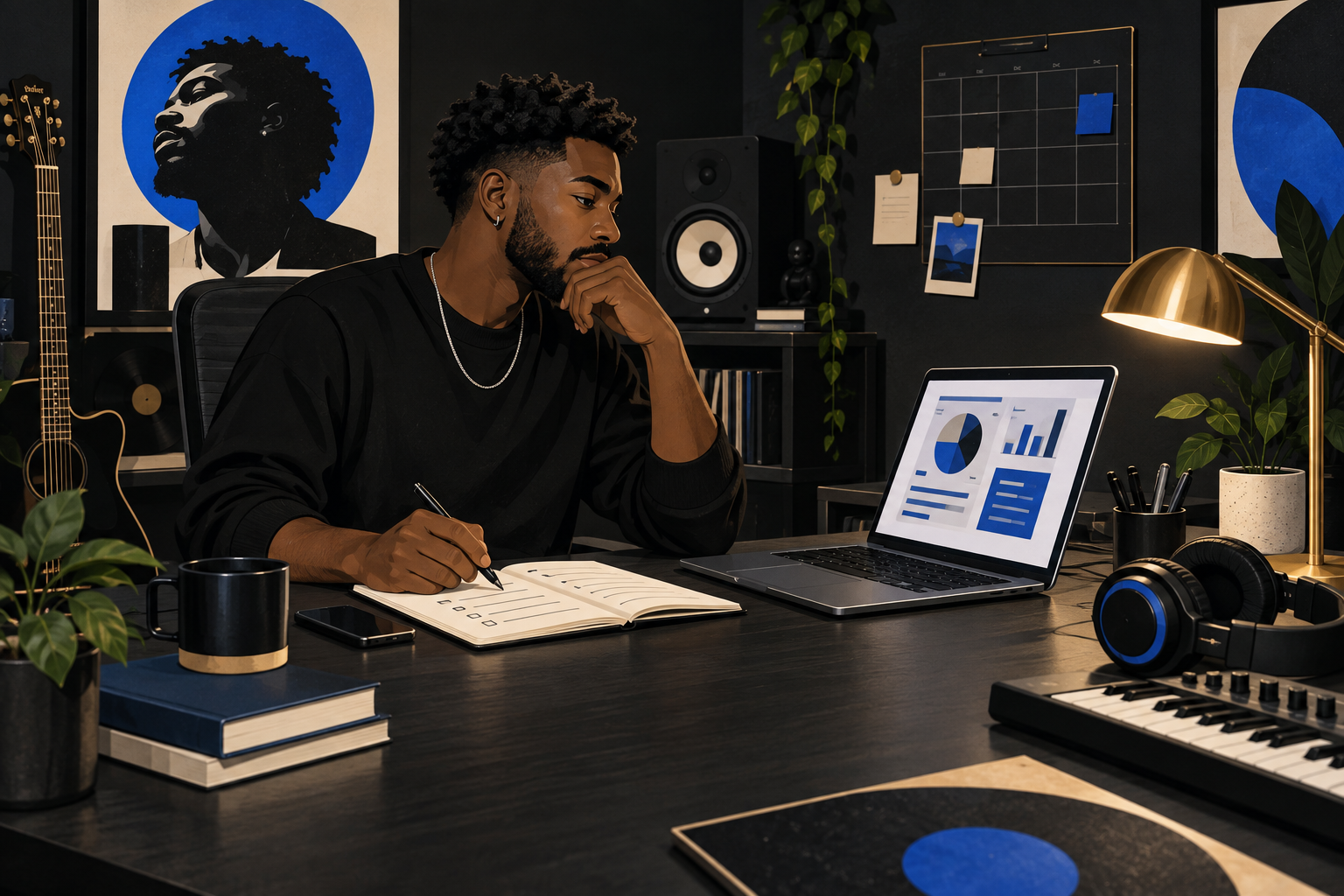
The strongest use case for AI is not letting it become the artist. It is letting it become the assistant, analyst, editor, and production coordinator.
A creator could use AI to:
Turn One Idea Into Multiple Formats
A long-form video can become a short caption, a newsletter outline, a TikTok hook, a YouTube description, and a press pitch. The creator still owns the perspective, but AI helps multiply the output.Understand Audience Questions
AI can help organize comments, search queries, and content ideas into themes. For independent artists, this can reveal what fans actually want to know: tour updates, gear choices, songwriting process, fashion references, or behind-the-scenes stories.Improve Brand Outreach
Creators can use AI to draft cleaner pitch emails, media kits, sponsor proposals, and campaign recaps. That does not replace relationship-building, but it can make small creators look more professional.Reduce Creative Friction
Sometimes the hardest part is starting. AI can create rough drafts, not final masterpieces. Used properly, it helps creators move from blank page to workable direction faster.
But There Are Real Ethical and Business Risks
The creator economy runs on trust. AI can damage that trust when audiences feel misled, when work is copied without consent, or when brands prioritize synthetic content over human creators. Epidemic Sound’s 2026 creator economy report found that 73% of creators said unclear licensing could limit future business opportunities, while 53% said copyright or licensing issues had already affected brand deals or opportunities. That is a major warning for creators using AI-generated music, visuals, voices, or video assets in commercial work. Before using AI outputs in paid campaigns, creators should consider licensing, disclosure, originality, platform rules, and whether the tool’s terms allow commercial use. This is especially important for musicians, visual artists, filmmakers, and creators working with brand partners.
The Future Is Hybrid, Not Fully Automated
The most likely future is not “AI replaces all creators.” It is more complicated: AI will replace some tasks, reshape some jobs, and raise the standard for what counts as valuable human work. Goldman Sachs Research has argued that AI exposure is already being felt in tech, knowledge, and creative sectors, while still noting that automation can also create new kinds of work over time. For creators, that means the safest position is not rejecting AI completely or using it blindly. The smarter move is to build a hybrid workflow: human taste at the centre, AI support around the edges.
What Creators Should Do Now
The best creator strategy for 2026 is simple: use AI for speed, but protect the parts of your work that build identity. Use AI to brainstorm, summarize, organize, edit, repurpose, research, and plan. Be more careful when using it to generate final art, voices, music, portraits, or anything tied directly to originality and ownership. Creators should also keep receipts: document drafts, project files, references, contracts, licences, and approvals. As AI becomes more common, proof of process may become part of professional credibility. The creators who win will not be the ones who produce the most content. They will be the ones who combine speed with taste, transparency, and a recognizable point of view.
AI may make creators more productive. It may also make generic creative work more replaceable. The difference comes down to whether creators use AI to deepen their identity or dilute it.
Enjoyed the read? Consider showing your support by leaving a tip for the writer
Featured





Follow Us

Shop





A river rarely announces the moment it changes direction; light shifts across the surface, a current bends around stone, and suddenly the landscape is moving somewhere new. Mietta’s debut album When The Water Stills carries that same patient, almost cinematic motion. Rooted in Australia’s Mornington Peninsula on Bunurong Country, the ten-track acoustic…