
Ariana Grande Calls Out White House Over Use of Her Song in ICE Video

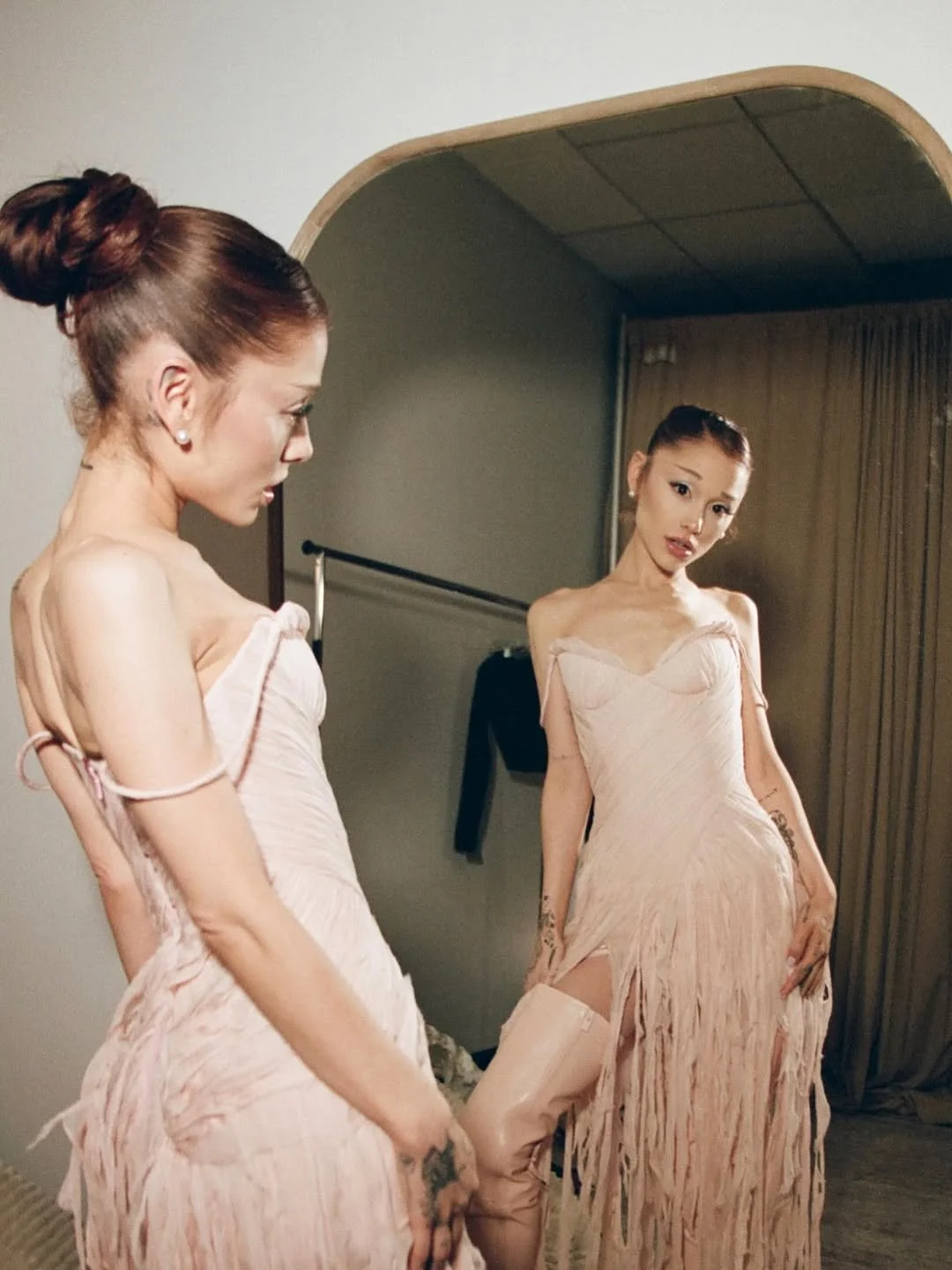
Ariana Grande has publicly criticized the White House after her song “Bye” was used in an ICE-related TikTok video, turning a short social media clip into the latest flashpoint between pop artists and political messaging. The video, posted by the White House account, reportedly featured footage of immigration enforcement arrests while Grande’s 2024 track played over the montage. Grande responded sharply in the comments, making it clear that she did not want her music associated with the video or its message.
The controversy matters because it sits at the intersection of pop culture, politics, immigration, social media strategy, and music rights. Grande is not only one of the world’s most recognizable pop artists; she is also an artist whose music carries a carefully built emotional and aesthetic identity. When a government account uses a song like “Bye” in a politically charged enforcement video, the song is no longer just background audio. It becomes part of the message.
That is exactly what Grande pushed back against. According to Reuters, she demanded that the White House stop using her music in connection with what she described as “barbaric, inhumane, heinous” content. Entertainment Weekly later reported that the song was removed from the TikTok video within hours, with the sound no longer available on the post. The removal did not erase the debate, but it did show how quickly artist backlash can reshape the life of a viral political clip.
For fans, Grande’s response was not surprising. She has previously used her platform to support causes connected to LGBTQ rights, voting, and immigrant communities. Her objection to the ICE video fits within a broader pattern of artists refusing to let their work become soundtrack material for political agendas they do not support. In an era where songs can be pulled into viral posts instantly, artists are increasingly forced to defend not only their lyrics, but the context in which their music appears.
The White House’s use of “Bye” also highlights how political communication has changed. Campaigns and government accounts no longer rely only on speeches, press releases, or television ads. They use TikTok edits, meme language, pop hooks, and algorithm-friendly captions to push messages into younger digital spaces. That strategy can make political content more shareable, but it can also create ethical tension when the music being used belongs to artists who reject the message.
Grande is not the first major artist to object to this kind of use. Recent reporting has pointed to other musicians, including Sabrina Carpenter and SZA, who have criticized the Trump administration for using their songs or performances in immigration-related or politically charged posts. People reported that Grande joins a growing list of artists demanding distance between their music and government messaging they view as harmful.
The legal side can be complicated. Social platforms often have licensing systems that allow users to add music to videos, but those systems do not automatically resolve every issue around political use, endorsement, brand association, or moral rights concerns. Even when a song is technically accessible through a platform’s music library, an artist may still object if the use suggests support for a message they strongly oppose. For public figures like Grande, the concern is also reputational: fans may see the clip and assume the artist approved it, even when that is not the case.
That is why this story extends beyond one TikTok video. It raises a larger question about consent in the age of algorithmic politics. If a government account can pair a pop song with enforcement footage, it can borrow the emotional power of that song to soften, dramatize, or stylize a political message. The artist’s voice becomes part of a narrative they did not create. For Grande, that appears to be the line the White House crossed.
The choice of “Bye” also gave the controversy an extra layer of irony. The song’s title made it easy to fit into the video’s caption and theme, but that same cleverness is what made the use feel especially pointed. The track was not just background music; it was being used as a punchline. Grande’s objection suggests she saw that framing not as harmless social media play, but as a misuse of her art in a context involving real people, arrests, and immigration enforcement.
From a music industry perspective, the incident is another reminder that songs now live many lives after release. A track can become a fan anthem, a breakup soundtrack, a dance trend, a campaign tool, a political meme, or a controversy without the artist ever planning it. That fluidity creates opportunity, but it also creates risk. Artists benefit when their music travels online, yet they also lose control when the same music is attached to messages that distort or weaponize its meaning.
For Ariana Grande, calling out the White House was both a political statement and a brand-protection move. She drew a clear boundary around how her music should not be used, and the removal of the sound gave the response immediate impact. Whether the administration intended to provoke backlash or simply capitalize on a recognizable pop track, the result was the same: Grande turned the clip into a public debate about consent, immigration messaging, and the political use of celebrity music.
Ultimately, the controversy shows how powerful pop songs remain in public life. They are not neutral objects once placed inside political media. They carry emotion, identity, fan communities, and artist reputation with them. Ariana Grande’s response to the ICE video was not only about one song being used without her approval. It was about who gets to decide what a song stands for when politics tries to borrow its voice.
Enjoyed the read? Consider showing your support by leaving a tip for the writer
Featured








Follow Us

Shop














Desiree Choy’s “Never Want It to End” glows with the soft architecture of a perfect evening held just before it disappears. The American, LA-based singer, songwriter, and actress shapes the single through Alternative / Indie R&B and Alt Pop, bringing a chill coastal feeling to a song about wanting…