
Rihanna and A$AP Rocky Are Redefining the Modern Hip-Hop Family Brand
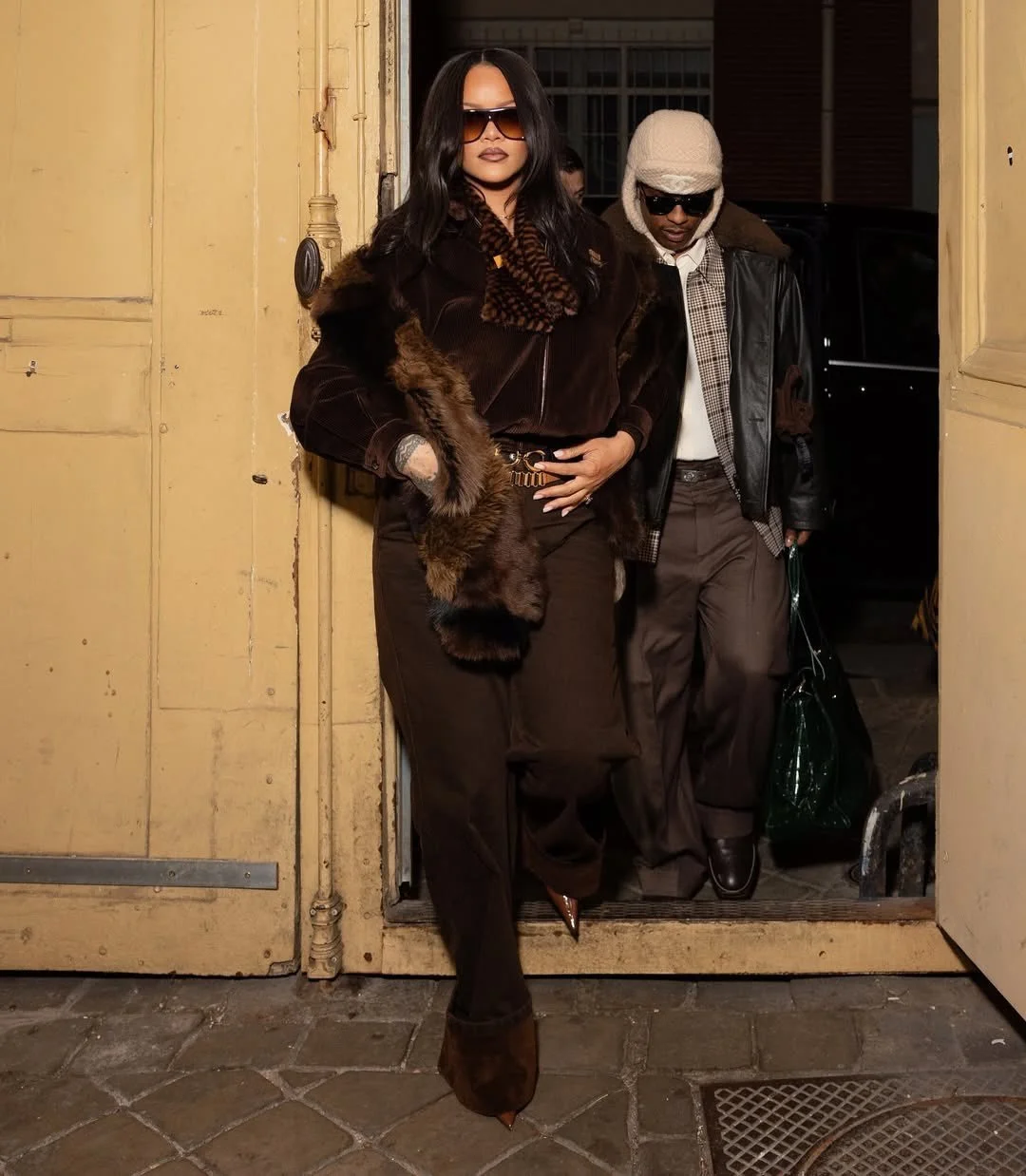
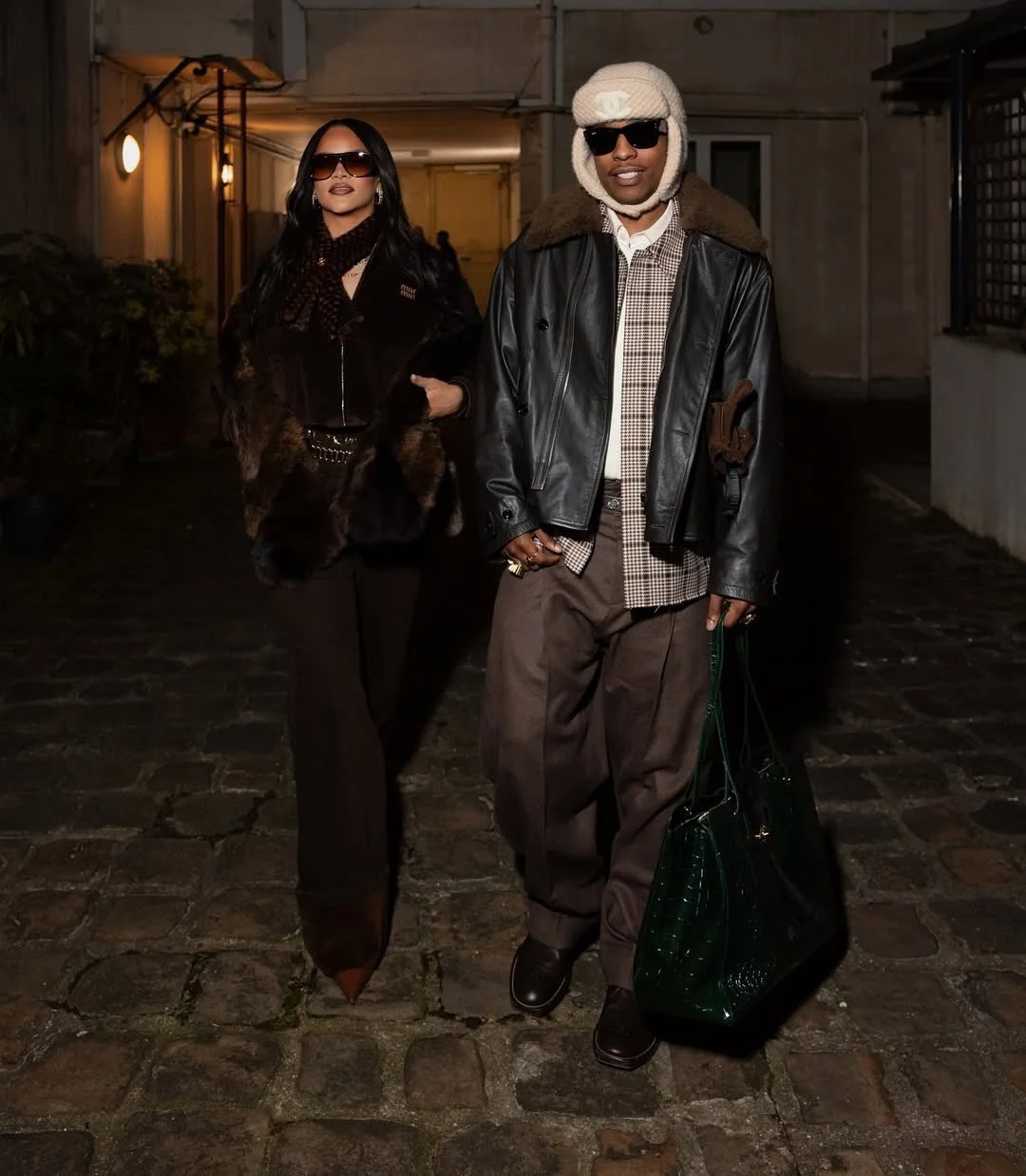
Rihanna and A$AP Rocky are no longer just one of entertainment’s most stylish couples. They have become a blueprint for the modern hip-hop family brand: private but magnetic, fashionable but grounded, culturally elite but strangely human. In an era where celebrity relationships are often treated like promotional campaigns, Rihanna and Rocky have built something more interesting. Their family image feels less like a staged empire and more like a carefully protected universe. The couple now share three children: RZA, Riot, and Rocki. That alone has changed how the public sees them. Rihanna is not only a billionaire entrepreneur, pop icon, beauty mogul, and fashion disruptor. Rocky is not only a Harlem rapper, style architect, and creative polymath. Together, they represent a new model of celebrity parenthood where music, fashion, business, and family identity are woven into one powerful cultural fabric.
What makes their family brand so compelling is that it does not feel overly sanitized. Rihanna and Rocky are not trying to become a perfect lifestyle poster. Their appeal comes from contrast. Rihanna carries the aura of global superstardom while still appearing emotionally unbothered by the machinery around her. Rocky brings an artistic, street-luxury sensibility that makes fatherhood look less like a brand pivot and more like an evolution of his personality. Together, they have made parenthood feel stylish without making it feel artificial. This is a major shift in hip-hop culture. For decades, rap’s dominant image often centred on individual success: money, cars, jewellery, status, dominance, and public conquest. Rihanna and A$AP Rocky are offering a different kind of flex. Their power is domestic, aesthetic, and generational. The new luxury is not just a designer coat or a front-row fashion week seat. It is raising children with intention while controlling how much of your private life the world gets to consume.
Rocky’s recent comments about fatherhood reveal how seriously he takes that responsibility. He has spoken about changing his creative habits since becoming a parent, including avoiding recording sessions at home so his children are not exposed to adult studio environments. That detail matters because it shows a boundary. The home is not just another extension of the celebrity machine. It is a protected space.
Rihanna has also transformed the visual language of motherhood. Her pregnancies were not hidden behind conservative styling or old-fashioned celebrity etiquette. She turned maternity fashion into high art: exposed silhouettes, couture confidence, fearless streetwear, and a refusal to disappear from beauty or fashion conversations simply because she was pregnant. In doing so, she reshaped how pop culture imagines motherhood. She made it visible, glamorous, rebellious, and self-defined.
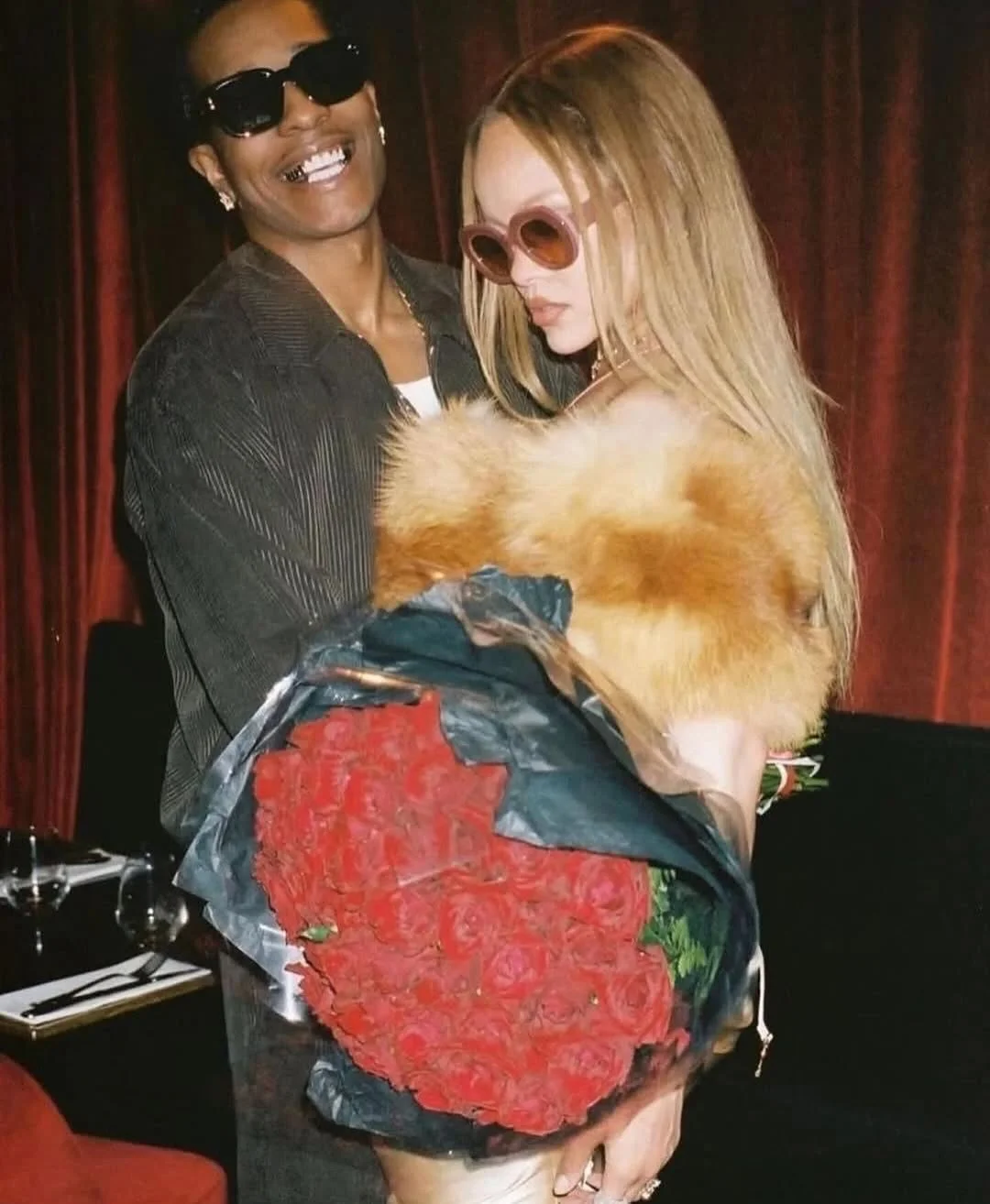
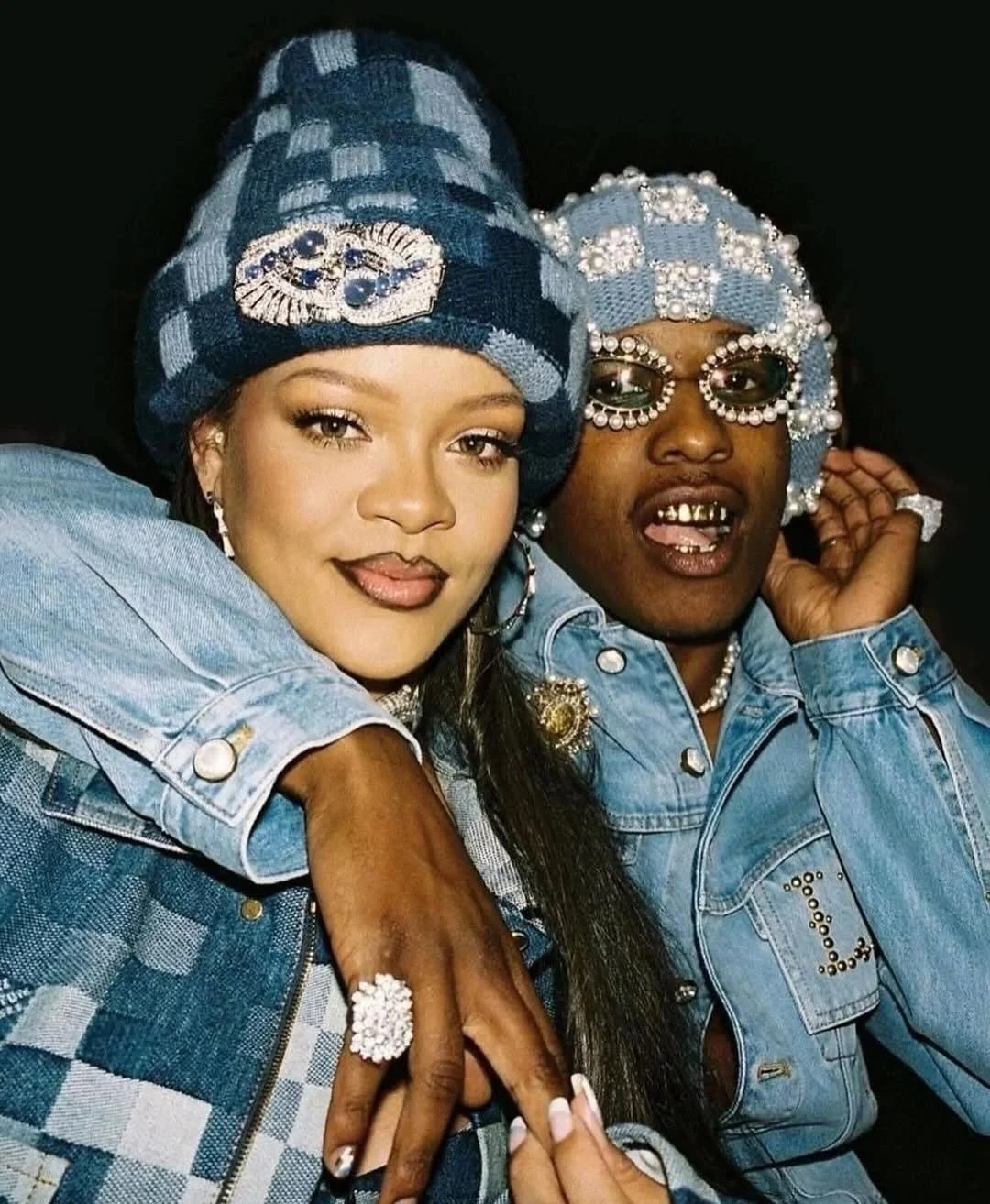
Their children have also become part of a symbolic family identity without being excessively commercialized. The names RZA, Riot, and Rocki carry personality, rhythm, and cultural texture. They feel connected to music, rebellion, and lineage. Even the shared “R” motif gives the family a subtle mythology. It is simple, memorable, and naturally brandable without feeling forced.
That is the genius of Rihanna and Rocky’s public image. They do not need to overexplain anything. A red carpet appearance, a candid family moment, a fashion campaign, or one quote about parenting can generate global discussion because the audience already understands the larger story. They are not selling a traditional family brand. They are embodying one.
Their influence also reflects the changing economy of celebrity power. Today, audiences do not only follow artists for music. They follow worlds. Rihanna’s world includes Fenty Beauty, Savage X Fenty, fashion, motherhood, Caribbean identity, beauty standards, and entrepreneurial dominance. Rocky’s world includes Harlem cool, experimental rap, designer culture, visual taste, and fatherhood. Together, those worlds merge into something rare: a hip-hop family image that feels both aspirational and emotionally legible.
For brands, this is invaluable. Rihanna and Rocky are not simply famous faces. They are cultural signals. Their presence communicates taste, modernity, edge, intimacy, and global relevance. That is why every family appearance becomes a fashion moment, every interview becomes a headline, and every public outing feels like a mood board for the next era of celebrity couple branding.
Still, what separates them from many celebrity families is restraint. They understand scarcity. Rihanna does not flood the internet with personal content. Rocky does not turn fatherhood into a constant performance. Their children are visible enough to become part of the cultural conversation, but not so visible that the family feels exploited. That balance is difficult, and it is one reason their image remains powerful.
Rihanna and A$AP Rocky are redefining the modern hip-hop family brand because they are expanding what success looks like. It is not only about hit records, luxury campaigns, or business valuations. It is about legacy. It is about building a household that carries style, discipline, cultural memory, and emotional protection.
In 2026, their family represents something larger than celebrity romance. It represents a new form of soft power in hip-hop: one where fatherhood can be fashionable, motherhood can be disruptive, privacy can be luxurious, and children can symbolize legacy without becoming products.
Rihanna and A$AP Rocky are not just raising a family in the public eye. They are rewriting the visual and emotional grammar of what a hip-hop family empire can be.
Enjoyed the read? Consider showing your support by leaving a tip for the writer
Featured

Follow Us





ALBI. designs “HEARTBEAT” around propulsion. The Brisbane/Meanjin artist layers syncopated synths, distorted bass, and punchy drums into an alt-pop structure that feels engineered for movement, while her crunchy, soaring vocal adds a roughened edge to the song’s otherwise polished momentum. Produced by Song Higginson, the track…