
M.I.A. Files $2.8M Lawsuit Against Kid Cudi After Rebel Ragers Tour Exit
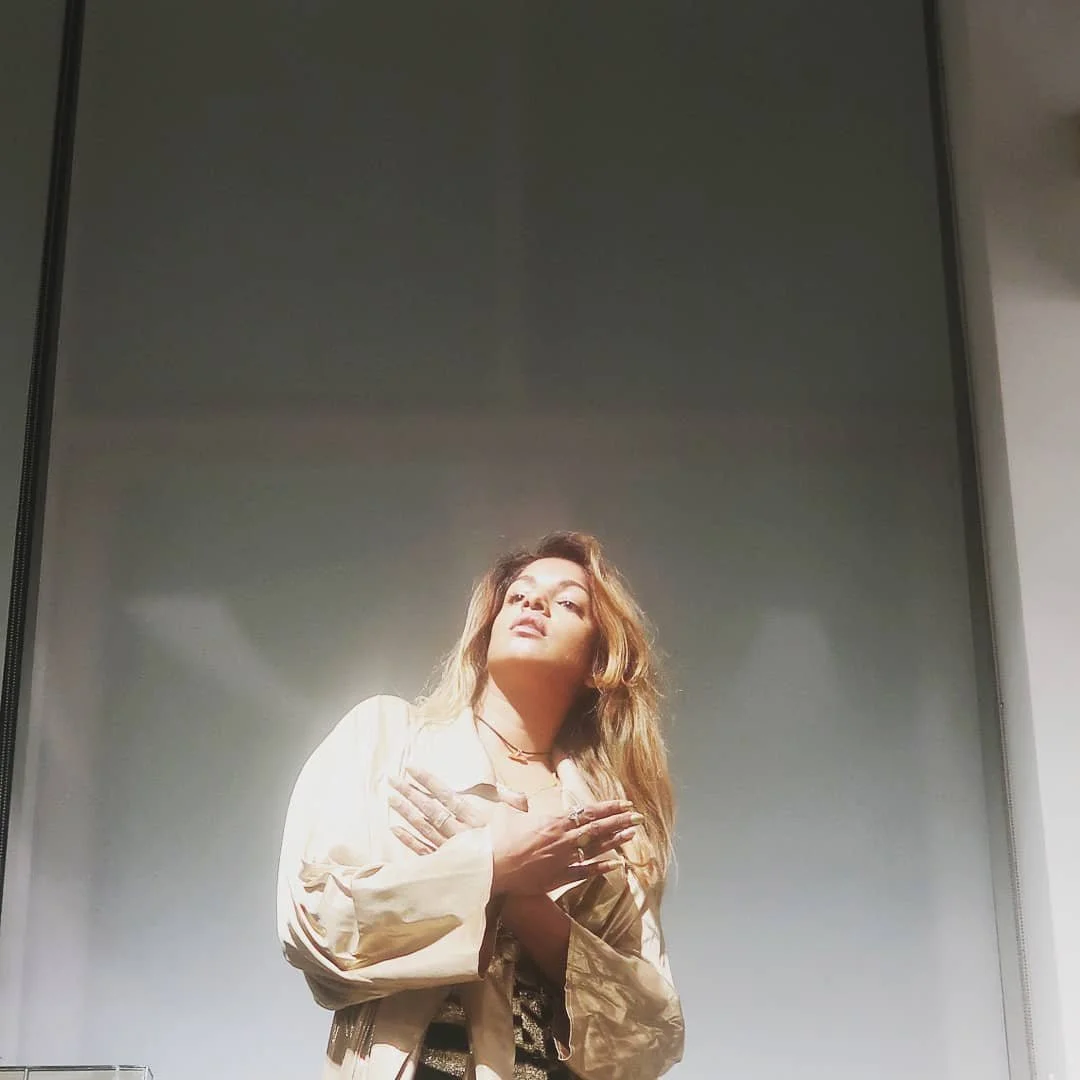
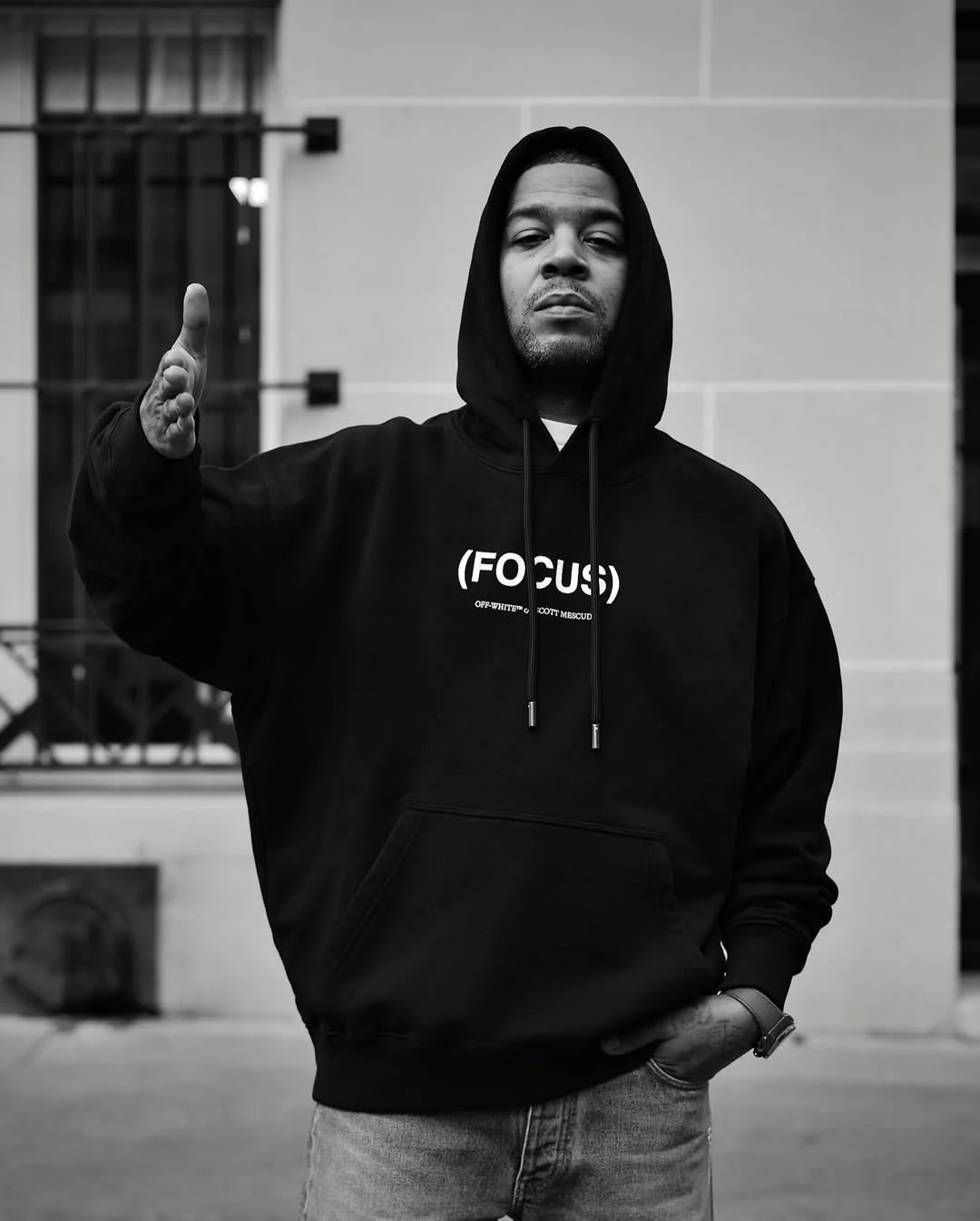
M.I.A. suing Kid Cudi has transformed what first looked like another messy tour controversy into a major music-legal story. The British-Sri Lankan artist, known for her politically charged music and combative public persona, has filed a lawsuit after being removed from Kid Cudi’s Rebel Ragers North American tour. What began with onstage remarks, fan backlash, and a public tour exit has now become a larger dispute about contracts, creative control, reputational damage, and the risks of booking outspoken artists in today’s hypersensitive touring economy. According to multiple reports, M.I.A. is seeking more than $2.8 million after being dropped from the tour. Her complaint reportedly argues that she was owed a performance guarantee and that her removal caused further financial damage, including lost merchandise revenue, VIP opportunities, a rescinded private performance offer, and a potential licensing deal. The lawsuit also alleges that the decision harmed her reputation and led to a wave of hostile attention after the controversy went public.
Kid Cudi’s side of the story is different. After M.I.A. was removed from the tour, he publicly said he had been receiving messages from fans upset by what he described as her “rants” and “offensive remarks.” He said he did not want that kind of energy at his shows. For Cudi, the decision appears to have been framed as a matter of protecting his audience and the atmosphere of his tour. M.I.A., however, is arguing that the situation was not that simple. Her lawsuit reportedly claims that Kid Cudi and the tour organizers knew who she was when they booked her. That is an important point. M.I.A. has never been a politically neutral artist. Her career has been built on disruption, migration politics, anti-establishment imagery, global conflict, and a refusal to fit cleanly into pop’s safer categories. Booking M.I.A. and then being surprised by provocative commentary is, from her perspective, difficult to defend.

That is what makes the case more complicated than a normal artist replacement. The central issue is not only whether M.I.A.’s remarks upset fans. The deeper question is whether an artist can be removed from a tour for onstage speech if the contract allegedly protected that artist’s creative expression. If M.I.A.’s agreement gave her broad freedom onstage, the legal fight could become less about public taste and more about enforceable rights. This is where the case becomes important for the wider music industry. Touring is no longer just about performance. It is a massive ecosystem involving promoters, insurance, brand partnerships, social media sentiment, venue politics, security concerns, ticket sales, and fan reaction. One viral clip can reshape a tour narrative overnight. In that environment, artists who are controversial can be valuable because they attract attention, but they can also become liabilities when attention turns volatile.
M.I.A.’s lawsuit reportedly includes an especially sharp allegation: that her removal was used to generate publicity around a tour she claims was struggling with ticket sales. That claim has not been proven in court, but it gives the dispute a more severe business dimension. If the case proceeds, it may force closer examination of how tours respond to controversy when commercial pressure is already present. The involvement of Live Nation also raises the stakes. Major tours depend on powerful promoters, complex contracts, and layered responsibilities between headliners, openers, management teams, venues, and production partners. When an opening act is removed, the public may only see a social media announcement. Behind the scenes, however, there may be guarantees, penalties, deliverables, insurance terms, and reputational clauses. This lawsuit pulls that machinery into public view.
The case also touches an uncomfortable question about artistic speech. Live music has always allowed performers to say things that surprise or anger audiences. But the current climate is different. Fans are not only reacting inside the venue; they are posting clips, organizing backlash, demanding accountability, and pressuring artists in real time. A controversial remark no longer stays inside one city. It becomes global content before the next show begins.
That creates a new problem for touring artists. How much risk can a headliner tolerate from an opener? How much freedom should an opener have if their public image is part of why they were booked? Can a tour promise creative control while still reserving the right to remove someone after backlash? These questions are not abstract anymore. They are now at the centre of a lawsuit involving two major artists.
M.I.A.’s career makes the situation even more combustible. She has long existed at the intersection of music, politics, provocation, and controversy. Her most famous hit, “Paper Planes,” became a global anthem while still carrying sharp commentary on immigration, money, fear, and identity. That duality has always defined her: catchy enough for the mainstream, difficult enough to unsettle it. The Kid Cudi dispute is, in many ways, another chapter in that pattern.

For Kid Cudi, the lawsuit creates a different challenge. He has built a devoted fanbase around emotional honesty, vulnerability, mental health awareness, and outsider identity. His concerts are often seen as safe, cathartic spaces for fans. If he believed M.I.A.’s remarks damaged that environment, his decision may make sense to his supporters. But legally, the question will not be about vibes. It will be about the contract.
That is why this story matters beyond celebrity drama. It shows how fragile touring partnerships can become when artistic identity, political speech, fan reaction, and business pressure collide. A tour lineup is not just a playlist of performers. It is a temporary business alliance, and when that alliance breaks, the financial consequences can be enormous. The lawsuit has not resolved who is right. M.I.A.’s claims still need to be tested, and Kid Cudi may offer legal defenses that change the public understanding of the case. But the conflict already reveals something significant about live music in 2026. Artists are operating in a world where controversy can sell tickets, destroy partnerships, ignite fanbases, and trigger litigation almost simultaneously.
M.I.A. suing Kid Cudi is not just a fight over one tour slot. It is a warning about the future of touring. If artists are booked because they are provocative, contracts may need to be clearer about what provocation is allowed. If headliners want full control over the tone of their shows, that control needs to be written carefully. And if openers are promised creative freedom, removing them after public backlash may not be simple.
What started as tour drama has become a courtroom story because modern music is no longer separated from law, reputation, politics, and internet reaction. The stage is still where the controversy begins. But increasingly, the real battle happens after the lights go down.
Enjoyed the read? Consider showing your support by leaving a tip for the writer
Featured









Follow Us















Wendy Bruner and Christopher Grundy construct “Toward Shalom” around warmth rather than spectacle, allowing its ideas of belonging, completeness, and social acceptance to develop inside an intentionally unvarnished frame. Written by Bruner and Monty Jackson and produced…