
Lauv Leaving Khalid’s Tour Shows Why Artists Are Being More Honest About Burnout
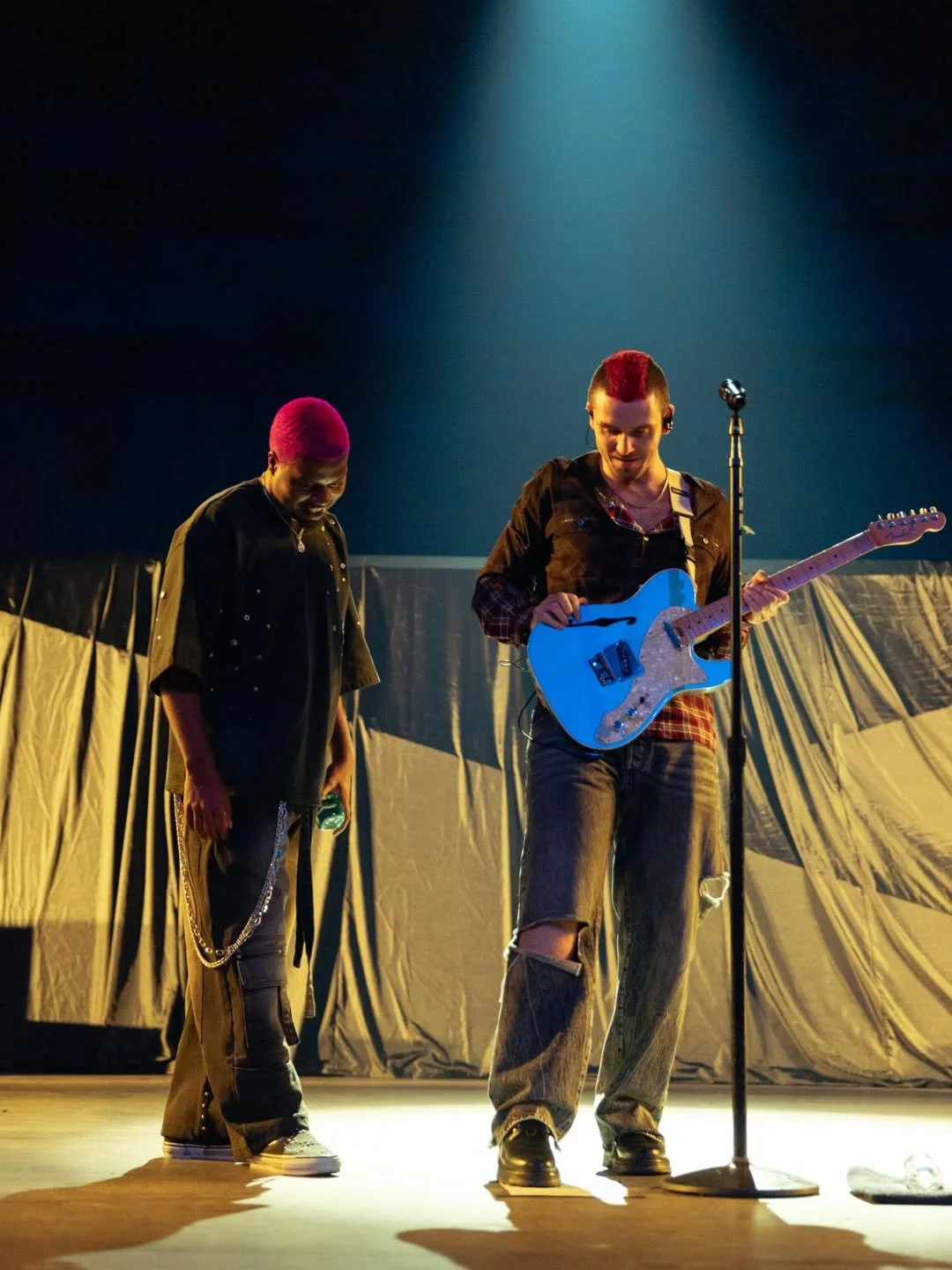
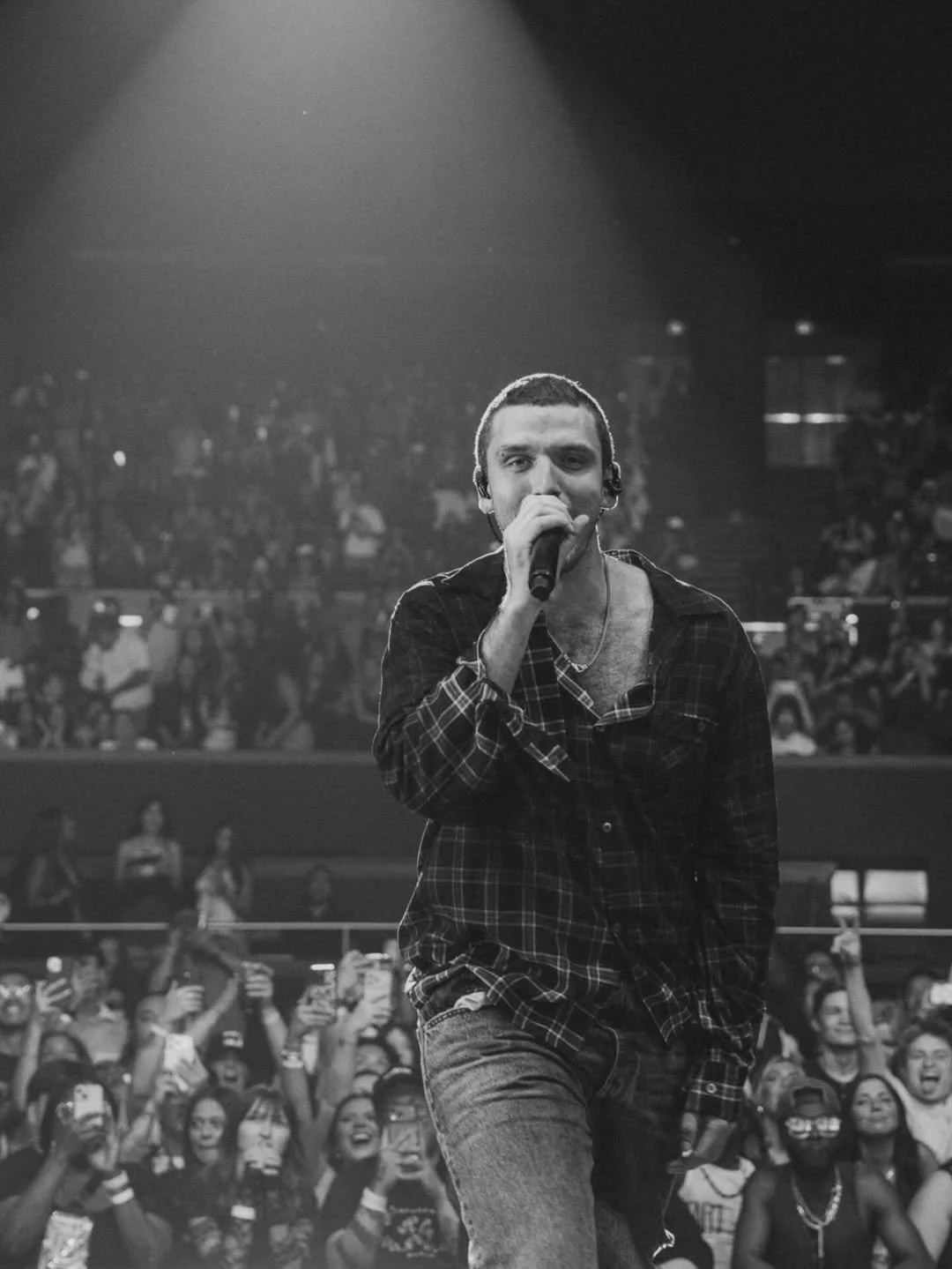
Lauv stepping away from Khalid’s It’s Always Summer Somewhere Tour is more than a simple tour update. It is another sign that the modern music industry is entering a different conversation around burnout, emotional exhaustion, and the invisible cost of performing for a living. The pop singer, whose real name is Ari Staprans Leff, announced that he needed to leave the tour to take care of his mental health after admitting he was “deeply struggling.” For fans, the statement was painful to read. For the industry, it was impossible to ignore. The decision came midway through Khalid’s 2026 North American tour, where Lauv had been serving as a special guest. According to reports, he had already performed 10 shows before deciding to step away. Khalid responded with public support, thanking Lauv for joining him on the road and wishing him love, clarity, and healing. That reaction matters because it reflects a healthier shift in music culture. Instead of treating a tour exit as weakness or inconvenience, Khalid framed it as a human decision.
This is exactly why Lauv’s announcement has resonated. Artists are no longer pretending that the stage automatically cures everything. The old mythology of pop stardom often demanded that performers smile through exhaustion, keep singing through emotional collapse, and treat vulnerability as something to hide until it could be repackaged into lyrics. Lauv’s honesty pushes against that fantasy. He did not decorate the issue with corporate language. He simply admitted that he needed to step away. Burnout in music is not new, but the pressure surrounding artists has changed. Touring is now one of the most important income sources in the industry, especially as streaming continues to reshape how artists earn. That means musicians are expected to perform night after night, promote constantly, remain visible online, connect with fans, release music quickly, and turn their personal lives into content. The result is a career structure that can look glamorous from the outside while becoming emotionally corrosive behind the curtain.
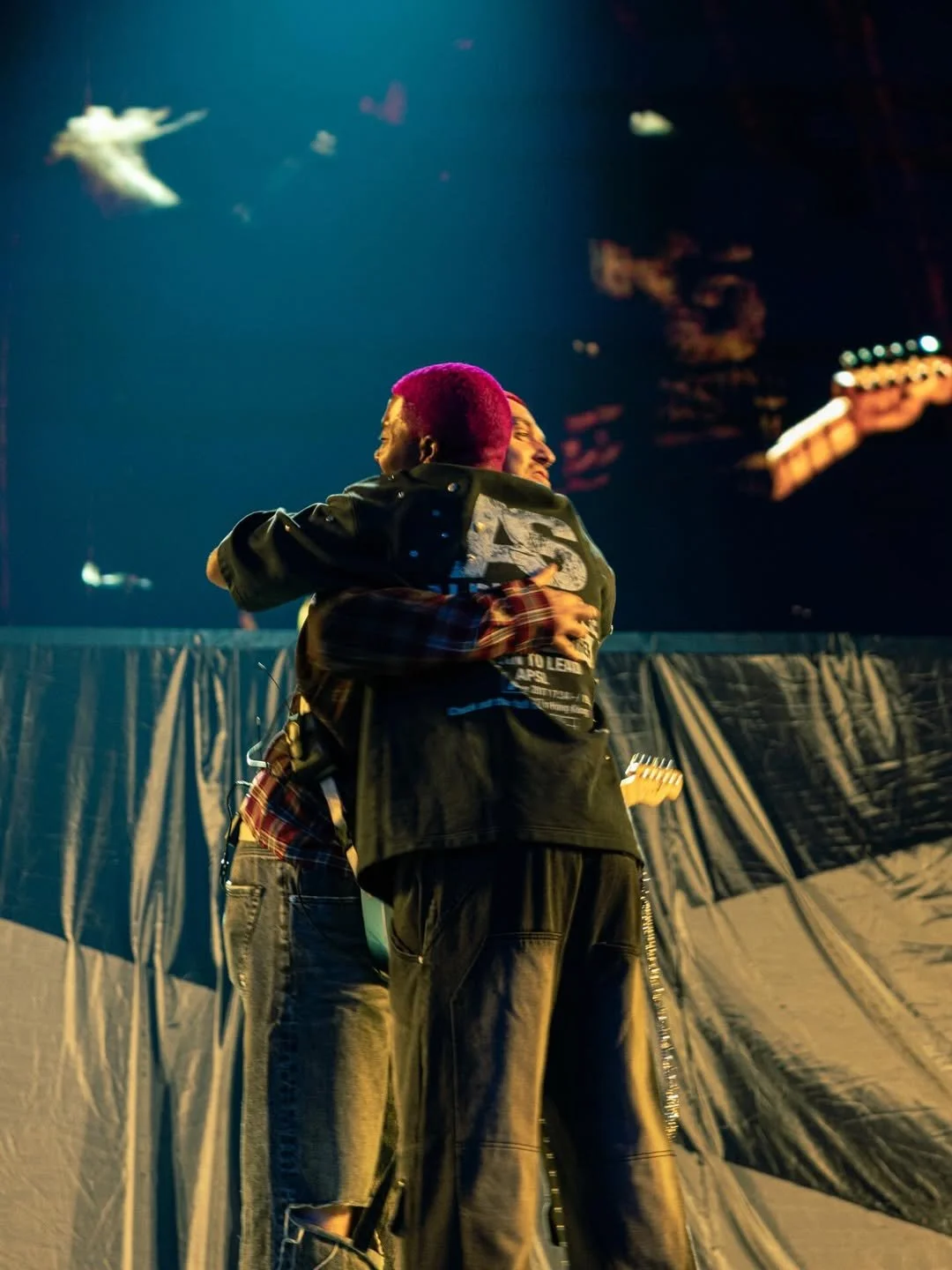
Lauv’s public image has always been connected to emotional openness. Songs like “I Like Me Better,” “Sad Forever,” and much of his catalogue explore anxiety, loneliness, vulnerability, and self-understanding with unusual directness. That makes his tour exit feel consistent with the artist fans already know. His music has often lived inside the tension between pop brightness and private heaviness. Now, his real-life decision is forcing the same conversation into the business side of his career. What makes this moment important is the language around it. Lauv did not simply say he was tired. He named his mental health as the reason. That kind of specificity carries cultural weight. It helps normalize the idea that artists are allowed to have limits, even when tickets have been sold, schedules have been printed, and fans are waiting. The disappointment may be real, but so is the humanity of the person onstage.
The wider music industry has seen more artists become transparent about burnout in recent years. Touring can be physically punishing, but the emotional burden is often harder to quantify. There is the isolation of travel, the pressure to perform happiness, the fear of disappointing fans, the constant judgment of social media, and the strange contradiction of feeling lonely while being watched by thousands of people. For sensitive artists, that rhythm can become unsustainable. Lauv leaving Khalid’s tour also challenges fans to think differently about access. Audiences naturally want artists to show up. Concerts are expensive, travel plans are complicated, and live music creates memories that cannot be easily replaced. But the expectation that artists must always be available has become dangerous. If fans truly love the music, they also have to care about the person making it.
This does not mean every cancellation is easy or consequence-free. Tours involve crews, venues, promoters, musicians, staff, and fans. A sudden exit affects many people. But the conversation is becoming more mature. The question is no longer simply, “Why did the artist cancel?” It is also, “What kind of system makes artists feel they have to keep going until they break?”
That question matters because burnout is not just an individual issue. It is structural. The music business rewards speed, constant visibility, and emotional extraction. Artists are expected to turn pain into songs, songs into streams, streams into tours, tours into content, and content into brand loyalty. Somewhere inside that machine, the person can disappear. Lauv’s decision is powerful because it interrupts that cycle. By stepping away, he is choosing recovery over performance. He is also contributing to a larger cultural shift where honesty is becoming more respected than invincibility. For younger artists watching from the outside, that may be one of the most important lessons: success should not require self-erasure. Khalid’s supportive response strengthens the message. In an industry often built on competition and optics, public empathy between artists is meaningful. It tells fans that care can exist inside professional disappointment. It also shows that the future of touring may need to include more flexibility, better support systems, and a deeper understanding of what sustained performance does to the mind and body.
Ultimately, Lauv leaving Khalid’s tour is not just a story about one artist stepping off the road. It is a story about music culture growing up. The industry is slowly learning that burnout cannot be solved with applause, and honesty should not be punished as weakness.
Fans will miss Lauv on the tour, but his decision may help create a better standard for the artists who come after him. In 2026, the bravest thing a musician can do may not always be walking onstage. Sometimes, it is knowing when to walk away.
Enjoyed the read? Consider showing your support by leaving a tip for the writer
Featured



Follow Us









ALBI. designs “HEARTBEAT” around propulsion. The Brisbane/Meanjin artist layers syncopated synths, distorted bass, and punchy drums into an alt-pop structure that feels engineered for movement, while her crunchy, soaring vocal adds a roughened edge to the song’s otherwise polished momentum. Produced by Song Higginson, the track…