
Madonna, BTS, Shakira and Justin Bieber Perform at FIFA’s First World Cup Final Halftime Show
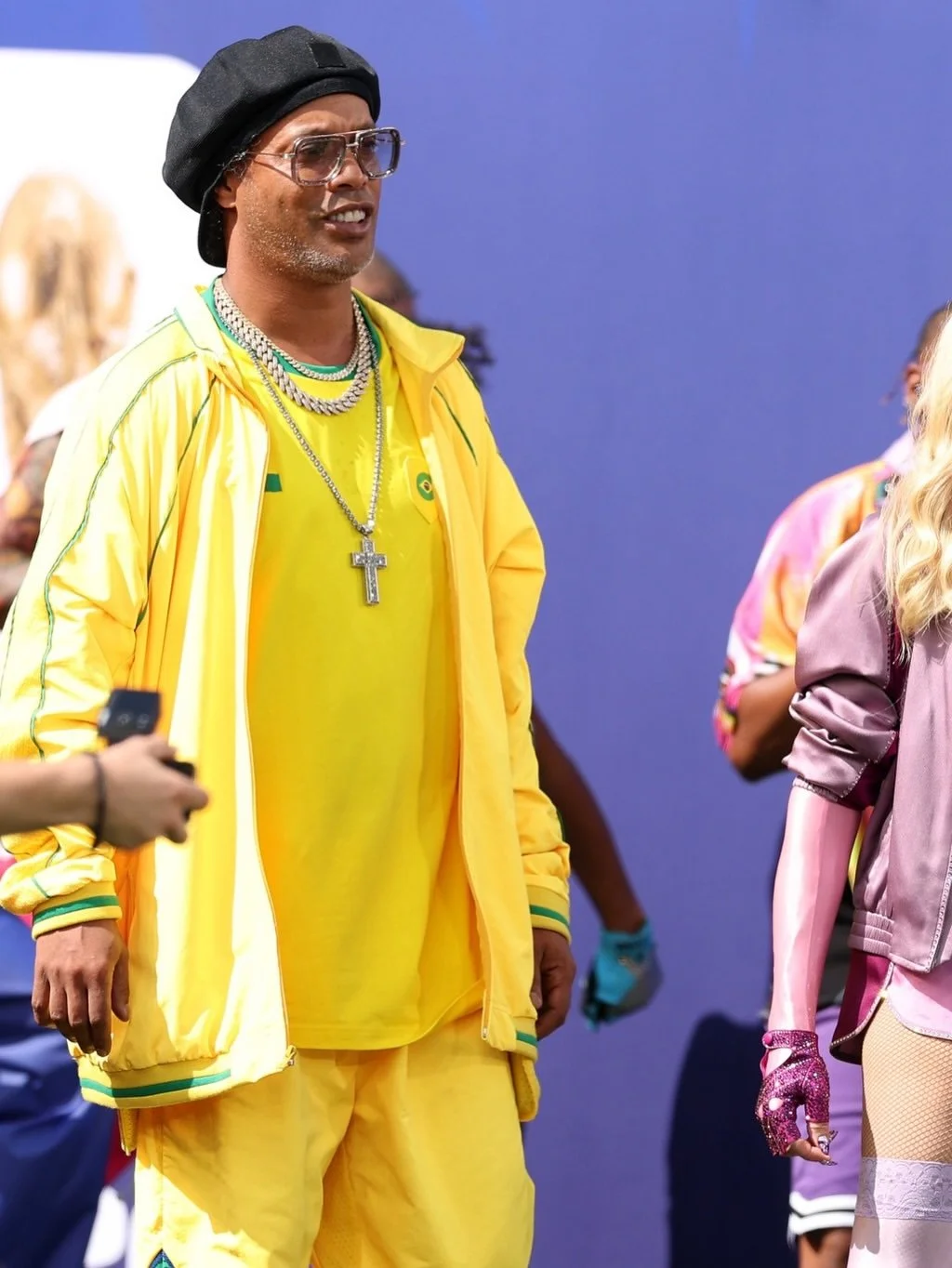
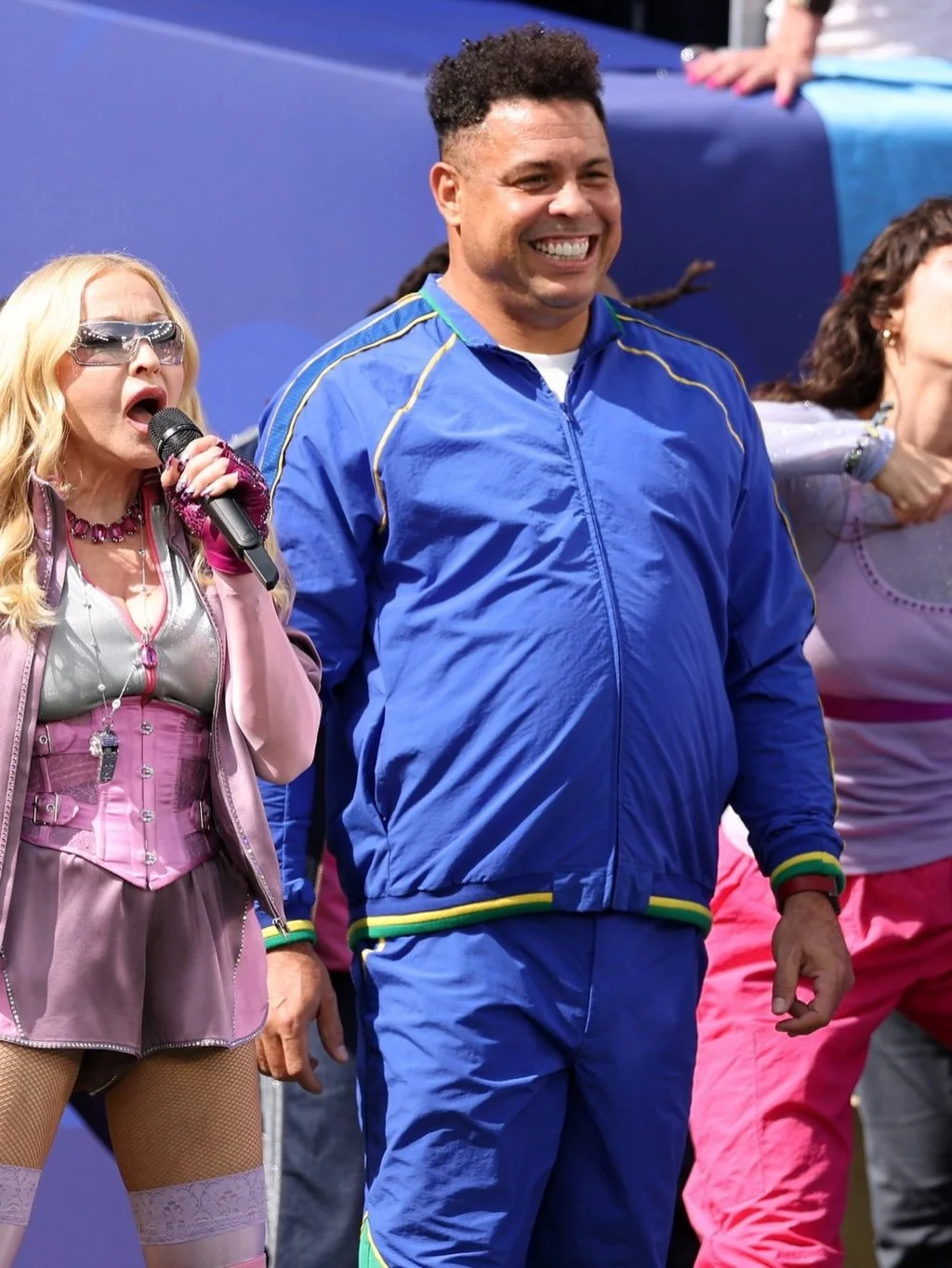
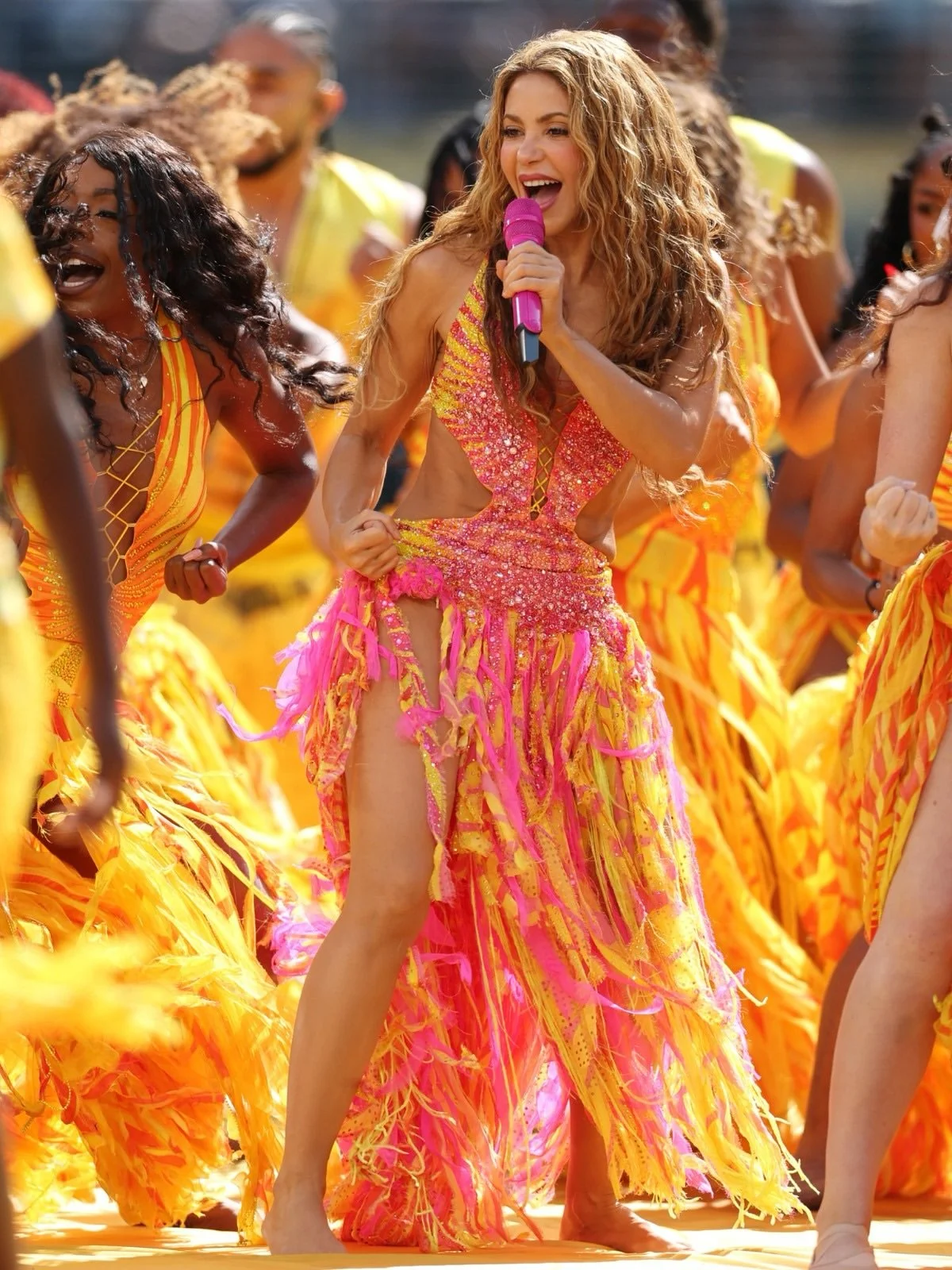
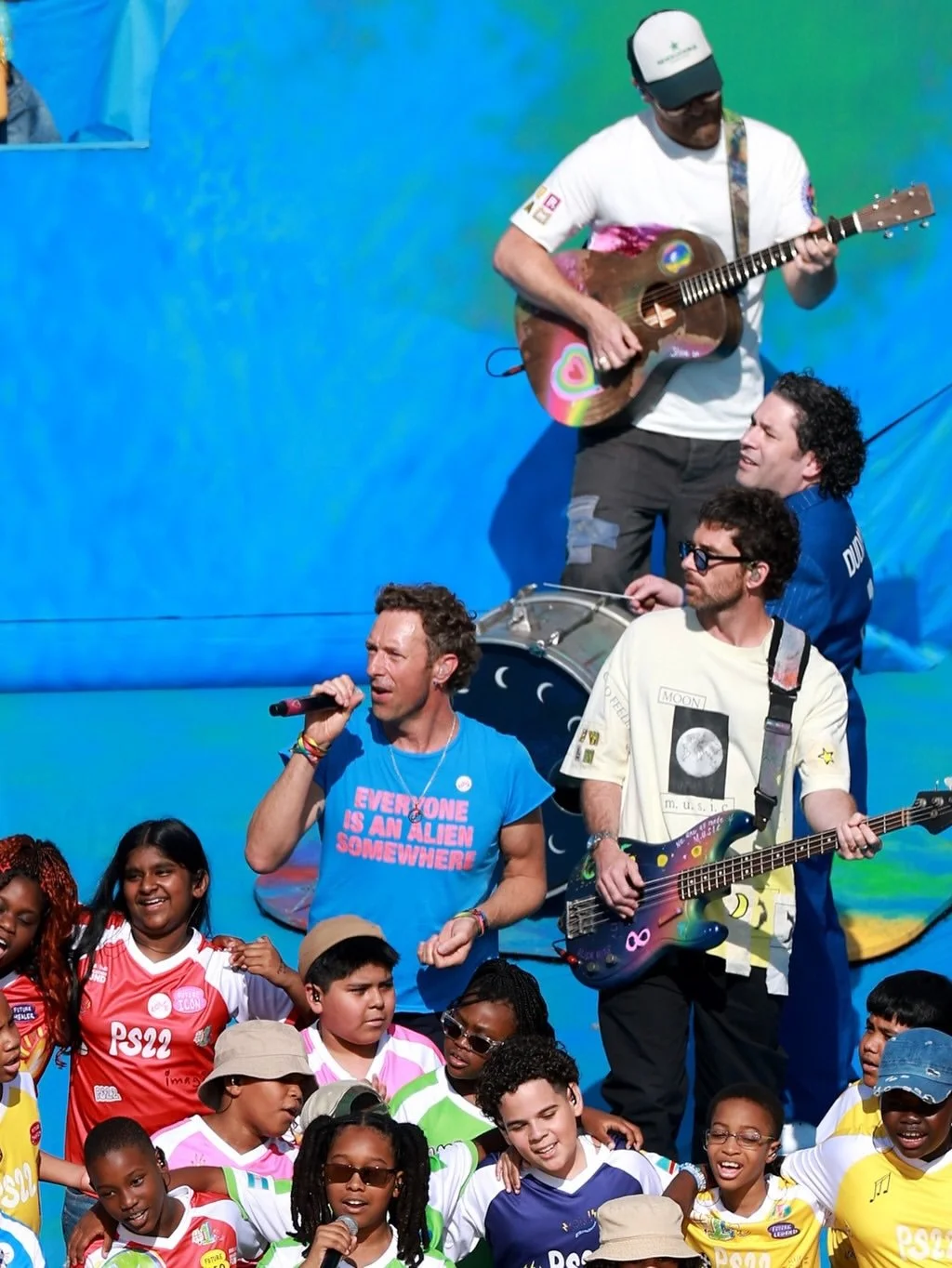
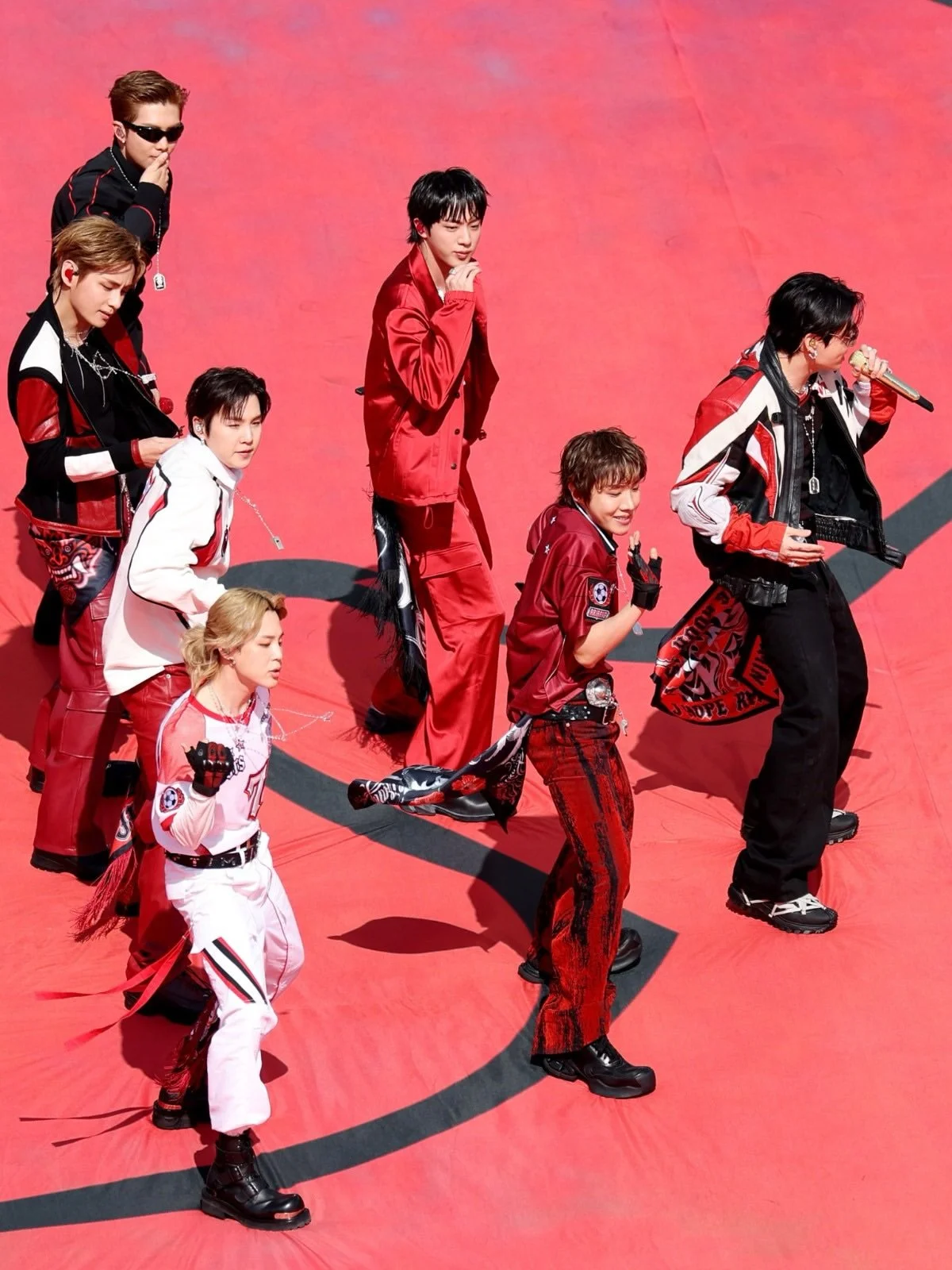
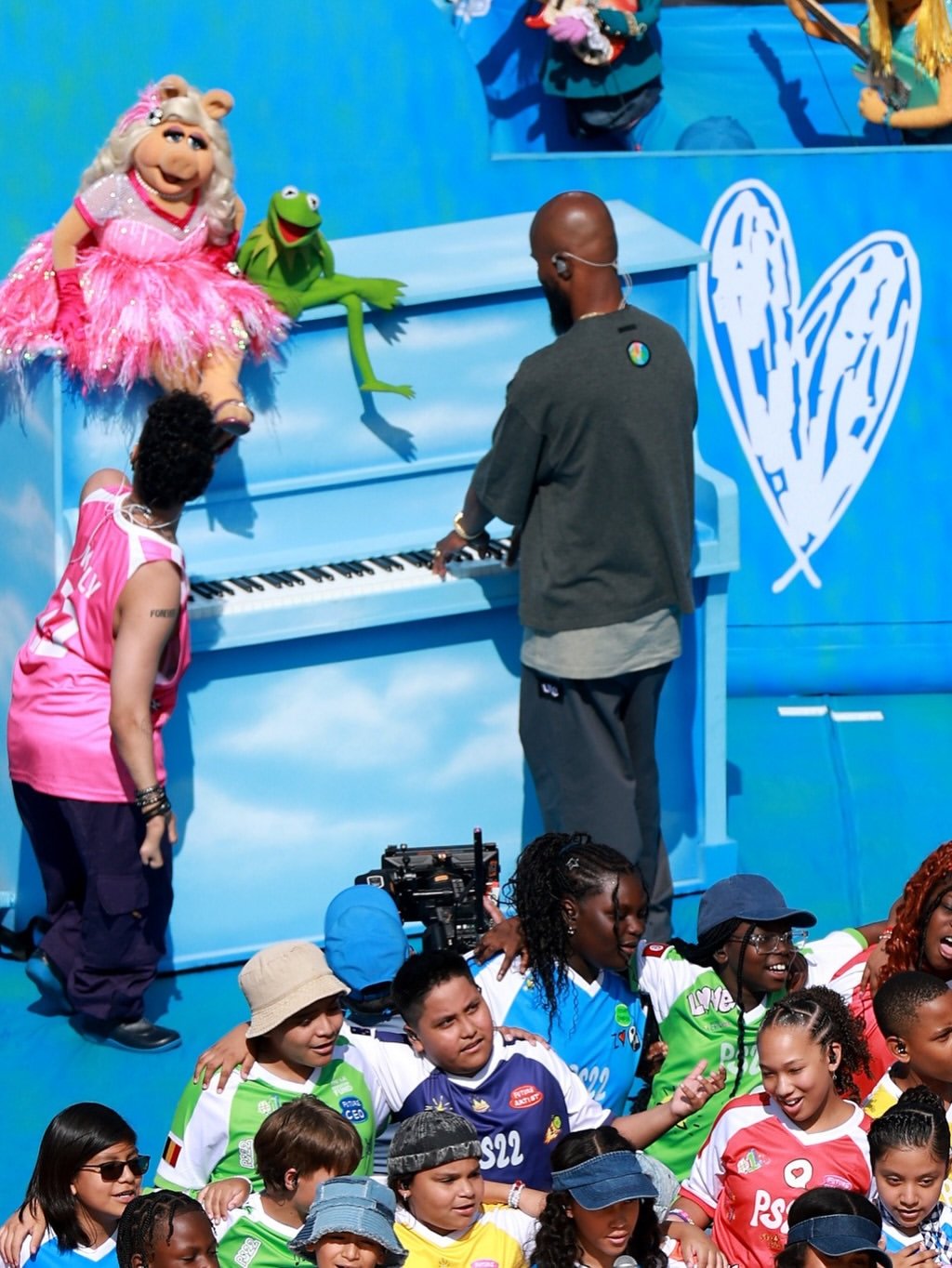
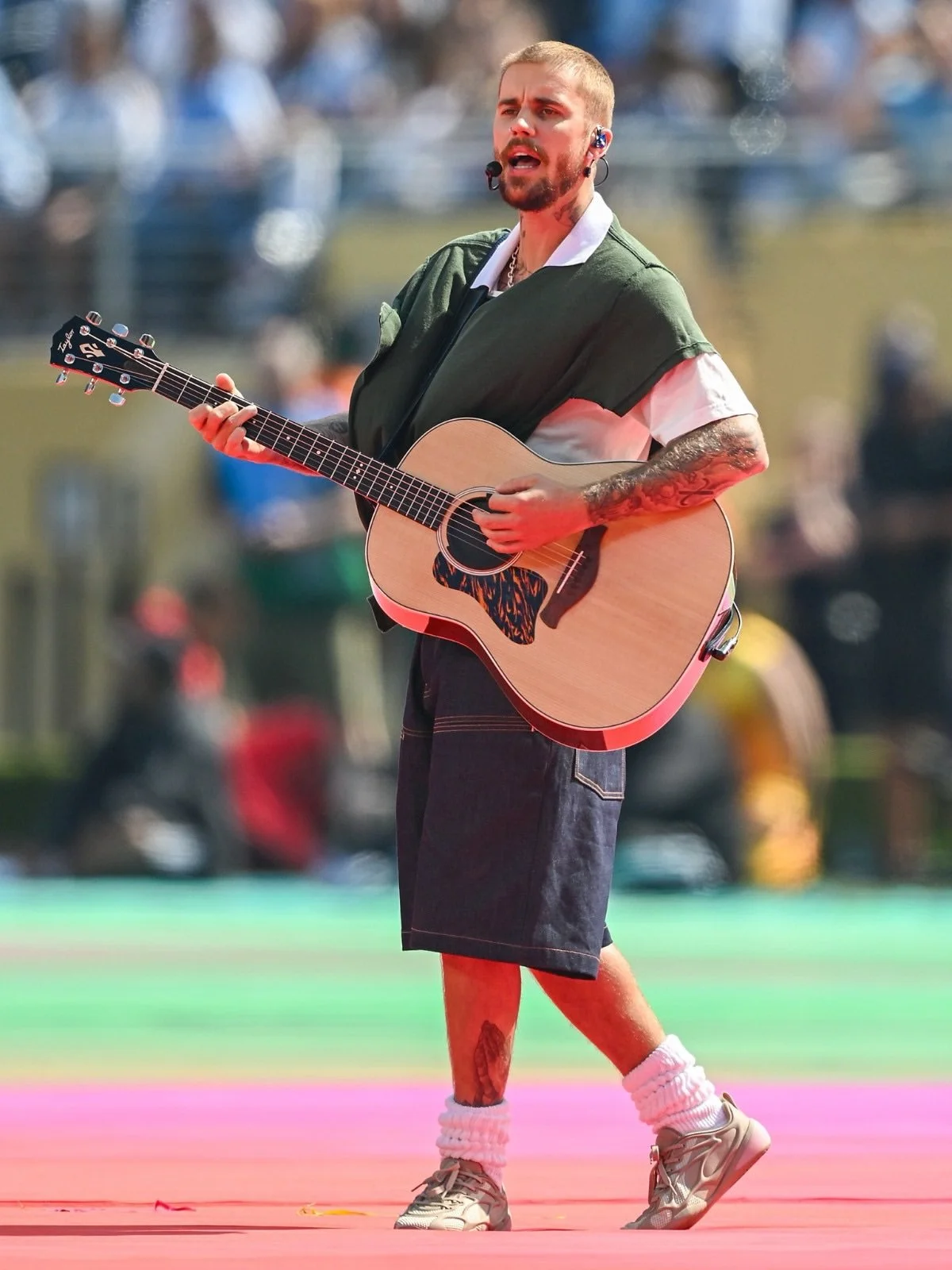
Football’s biggest match officially entered its pop-spectacle era. Madonna, BTS, Shakira and Justin Bieber performed during the first official FIFA World Cup Final Halftime Show on July 19, 2026, transforming the championship break into an ambitious global entertainment event. The 11-minute production took place at New York New Jersey Stadium in East Rutherford during the final between Spain and Argentina. The show was curated by Coldplay frontman Chris Martin and produced by Global Citizen in partnership with Live Nation and Done + Dusted. Rather than building the performance around one traditional headliner, FIFA assembled artists whose audiences stretch across continents, languages and generations.
Madonna Opened the World Cup Halftime Show
Madonna opened the performance with “Music,” bringing one of her defining early-2000s records to a stadium filled with football supporters. Brazilian legends Ronaldo Nazário and Ronaldinho appeared during her segment, immediately connecting the pop production to the history of the sport.
The opening positioned Madonna as the show’s bridge between generations. She brought decades of stadium-scale pop experience, while the performers who followed represented several of the largest contemporary fan communities in global music. Gustavo Dudamel then conducted musicians from the New York Philharmonic and Venezuela’s Simón Bolívar Symphony Orchestra. The Muppets also entered the increasingly surreal production for a version of “Seven Nation Army,” a song that has become deeply embedded in international sporting culture.
BTS Brought K-Pop to Football’s Biggest Stage
BTS performed “Dynamite,” delivering one of the event’s clearest crossover moments. The group’s appearance placed K-pop at the center of a broadcast designed for an enormous international audience, demonstrating how essential Korean pop has become to any serious conversation about mainstream global entertainment. For FIFA, including BTS was also a strategic acknowledgment of fandom’s changing geography. Major sporting events no longer rely exclusively on North American and European pop stars to generate attention. BTS arrived with a highly organized, digitally active audience capable of extending the halftime show far beyond television and into real-time social conversation.
Justin Bieber Changed the Show’s Pace
Jason Sudeikis and Brendan Hunt appeared as their “Ted Lasso” characters to introduce Justin Bieber. Bieber replaced the production’s marching-band energy and choreography with an acoustic performance of “Everything Hallelujah,” creating a quieter section within the rapid 11-minute format. The decision was unexpected for a major sports event, where artists typically prioritize their fastest and most recognizable hits. Yet the stripped-back staging gave Bieber’s appearance a distinct identity rather than forcing him into another tightly edited dance medley.
Shakira and Burna Boy Delivered the Football Anthem
Shakira closed the main run of superstar appearances alongside Burna Boy with “Dai Dai,” the official song associated with the 2026 tournament. Her inclusion felt especially significant given her long relationship with World Cup music and her ability to connect Latin pop, dance and international football culture. A larger finale brought together Coldplay, the PS22 Chorus, additional performers and returning Muppet characters. The performance supported the FIFA Global Citizen Education Fund, an initiative created to expand educational and football opportunities for children. FIFA said the fund was aiming to raise $100 million and had passed $50 million before the final.
Why FIFA’s First Halftime Show Matters
The production represented more than a collection of celebrity cameos. FIFA effectively tested whether the World Cup final could support the kind of appointment-viewing entertainment traditionally associated with the Super Bowl. Reactions reflected the risk of that experiment. Some coverage praised the colorful, unpredictable combination of pop stars, orchestras, football icons and children’s characters. Other critics viewed the extended spectacle as an unnecessary Americanization of football’s most important match.
That debate may be exactly why the performance matters. FIFA created a new cultural space inside its most valuable event, one capable of generating music streams, fashion coverage, fan edits and entertainment headlines alongside match analysis. The first World Cup Final Halftime Show was crowded, occasionally strange and deliberately international. It also made FIFA’s direction clear: football’s biggest stage is increasingly being treated as one of entertainment’s biggest stages too.
Conclusion
Madonna, BTS, Shakira and Justin Bieber gave FIFA’s inaugural halftime show an instant sense of scale. Whether future editions become more focused or even more extravagant, the World Cup final now has a new pop-culture tradition to build upon.
Enjoyed the read? Consider showing your support by leaving a tip for the writer
Featured




Follow Us

Shop









ALBI. designs “HEARTBEAT” around propulsion. The Brisbane/Meanjin artist layers syncopated synths, distorted bass, and punchy drums into an alt-pop structure that feels engineered for movement, while her crunchy, soaring vocal adds a roughened edge to the song’s otherwise polished momentum. Produced by Song Higginson, the track…