
Jay-Z’s Roots Picnic Freestyle Sparks Hip-Hop Chaos After Drake, Nicki and Kanye Jabs
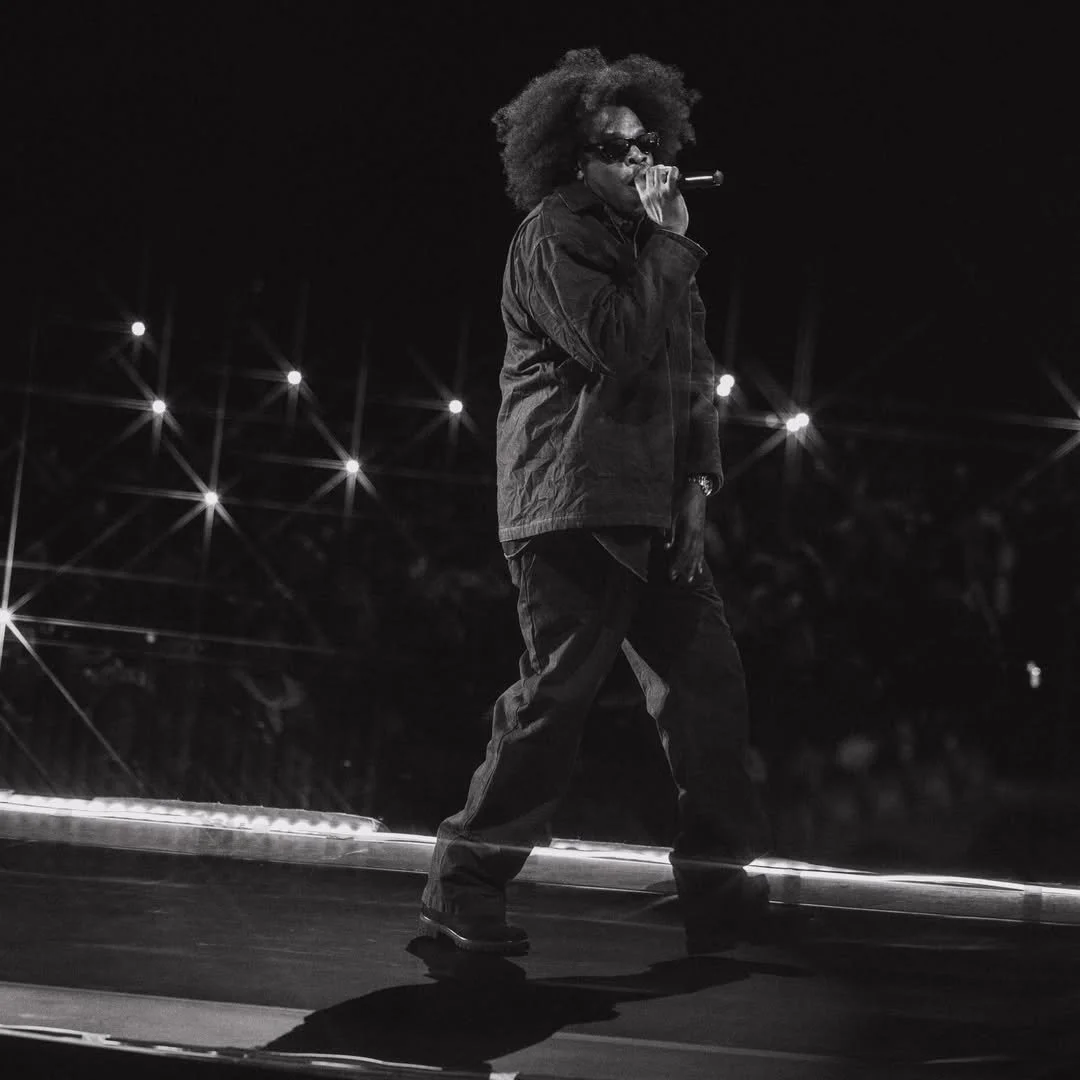
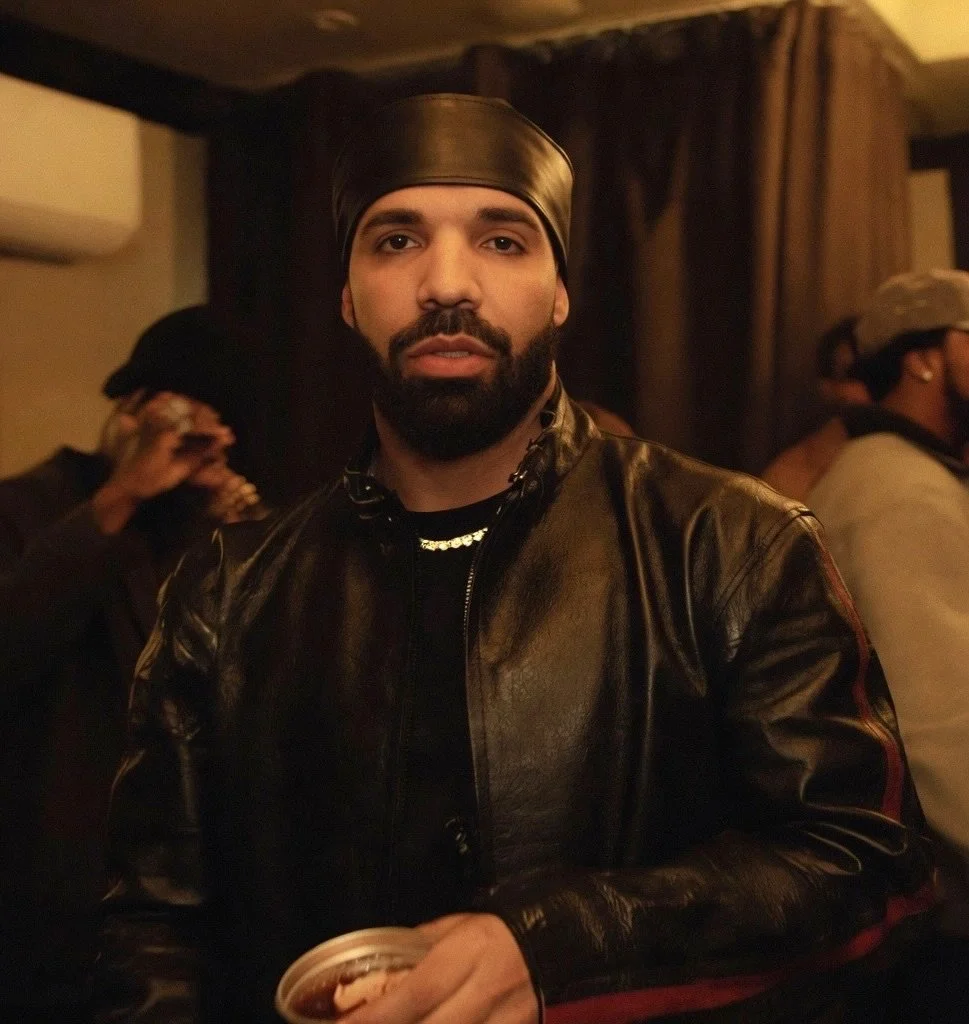
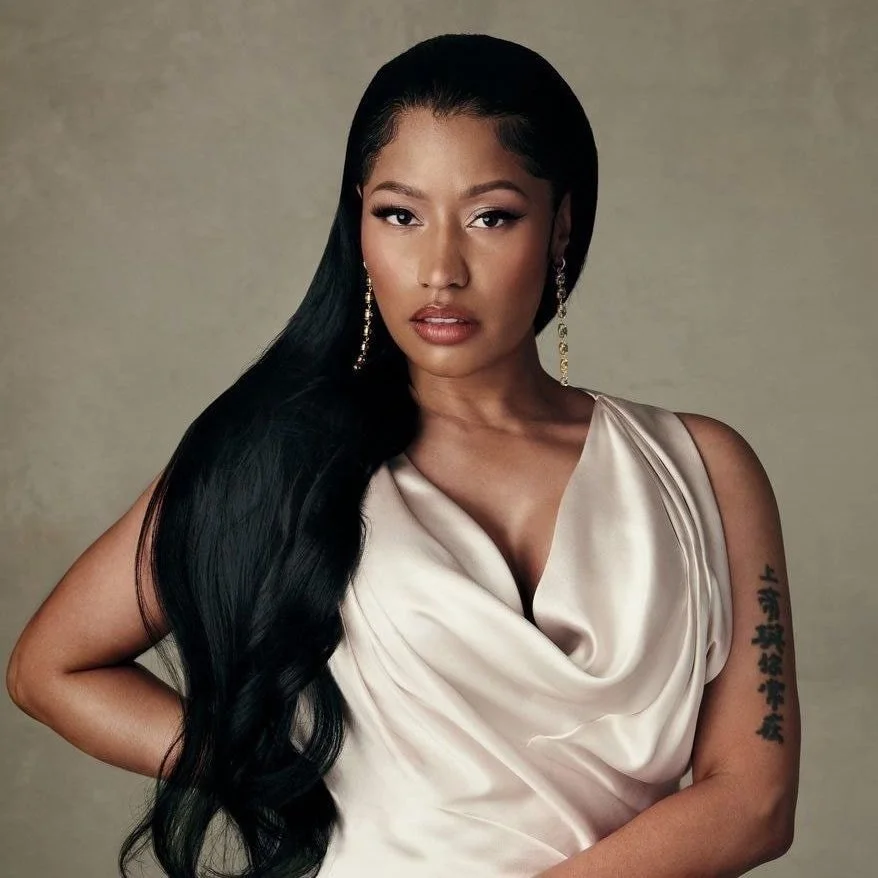
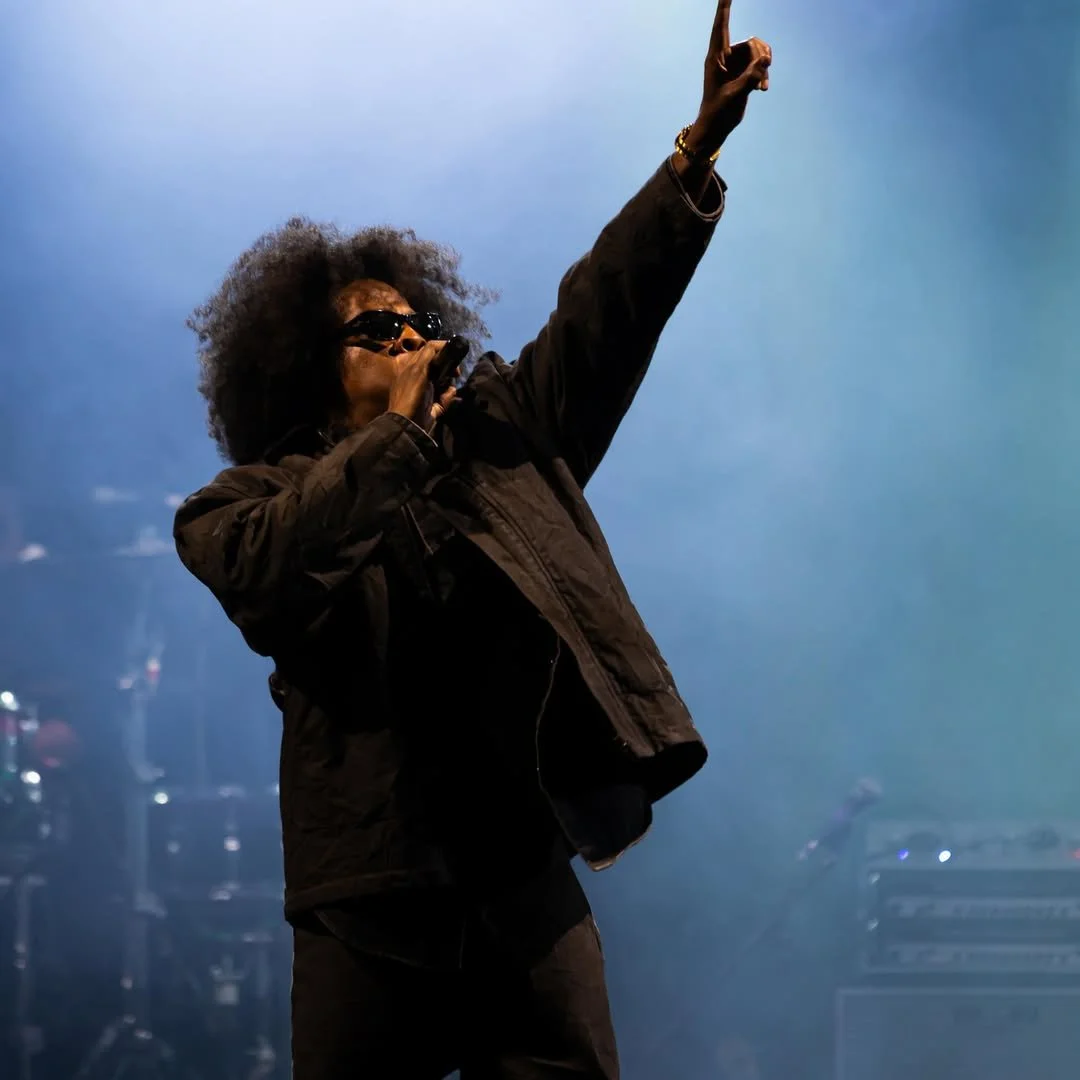
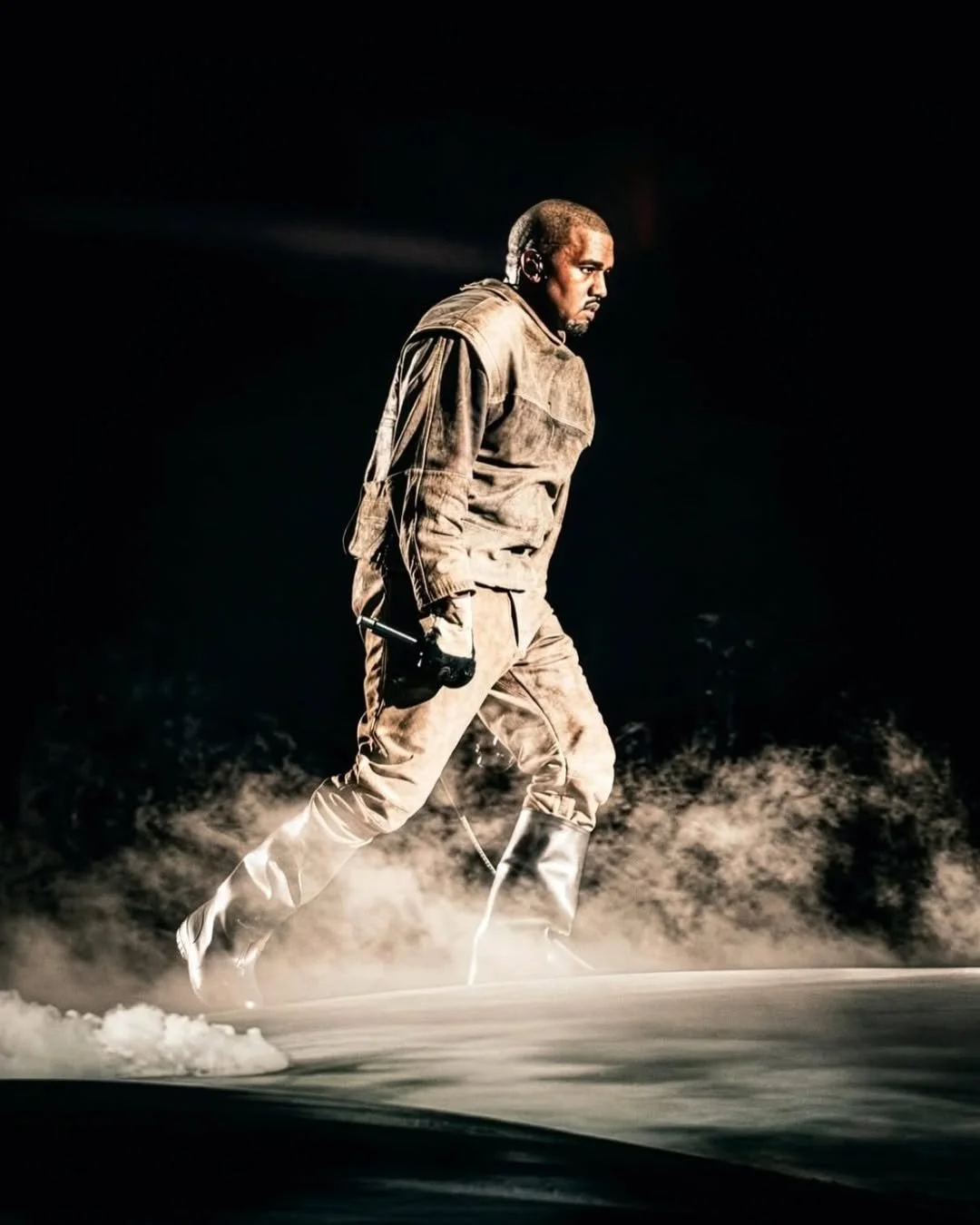
Jay-Z does not need to post daily, rant online, or chase the algorithm to dominate the conversation. Sometimes, all it takes is a microphone, a stage, and a few surgical bars. That is exactly what happened at the 2026 Roots Picnic in Philadelphia, where the Brooklyn rap titan delivered a surprise freestyle that immediately sent hip-hop fans into forensic mode.
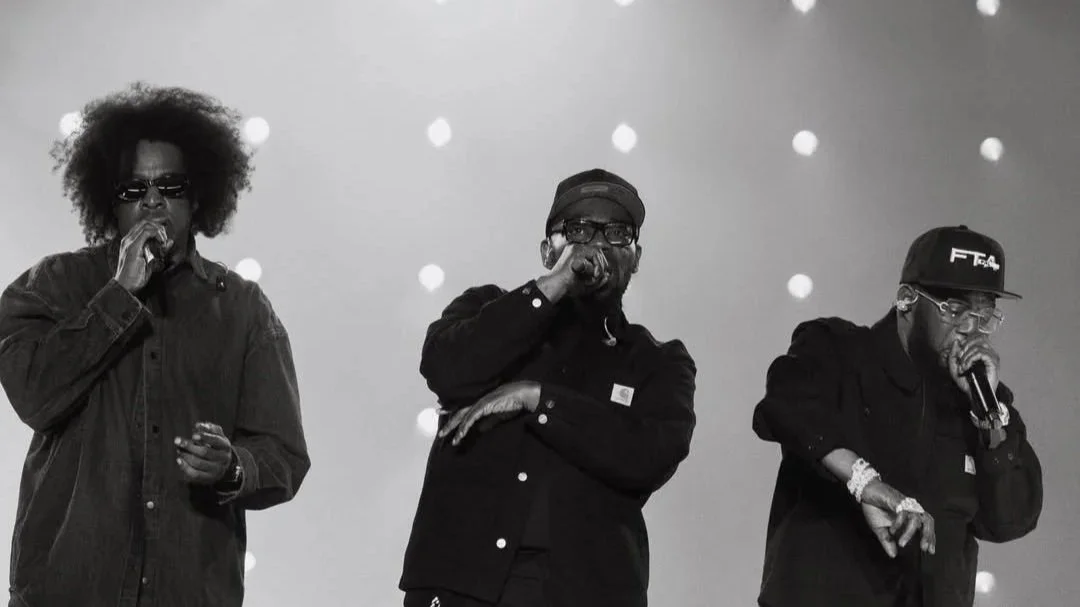
The moment arrived during a major Jay-Z performance backed by The Roots, making the stage feel less like a nostalgia concert and more like a royal tribunal. Reports say the freestyle appeared to target several major names, including Drake, Nicki Minaj, Kanye West, Dame Dash, and Jaguar Wright. While Jay-Z has not publicly confirmed every target, the internet quickly began connecting the dots.
The Drake reference was perhaps the most instantly combustible. Jay-Z’s line about a rapper not being his “opp” was widely interpreted as a response to Drake, especially after recent tension surrounding Drake’s reported shots at Hov on his 2026 project ICEMAN. For years, Drake and Jay-Z have occupied different sides of rap royalty: one as the streaming-era emperor, the other as hip-hop’s billionaire architect. That generational contrast gives the alleged jab extra weight. Jay-Z was not simply defending himself; he was reminding listeners that commercial dominance and cultural authority are not always the same currency.
Nicki Minaj’s name also entered the conversation because of her ongoing friction with Jay-Z and Roc Nation. The line reportedly interpreted as “The Roc not crumbling” arrived after months of public tension, including Nicki’s criticism of Jay-Z, Roc Nation, and the wider music industry. For fans, the phrase sounded like a direct answer to anyone suggesting that Hov’s empire was losing power. In typical Jay-Z fashion, the bar did not scream; it smirked.
Kanye West’s shadow over the freestyle was even more complicated. Jay-Z and Kanye’s history is not just beef; it is brotherhood, business, betrayal, genius, ego, and a fractured mythology built across albums like Watch the Throne. When Jay-Z seemingly addressed Kanye, fans heard it as more than another celebrity diss. It sounded like a boundary. Their relationship has always carried emotional residue, especially because Kanye has previously made personal comments involving Jay-Z’s family. In that context, Hov’s performance felt less like entertainment and more like a controlled warning: legacy may forgive, but family lines remain sacred.
What made the freestyle so effective was its restraint. Jay-Z did not turn the stage into a messy gossip session. He did what he has always done at his best: compressed years of tension into cryptic, economical language. That is why his subliminals still travel differently. They are not designed for immediate clarity; they are designed to make the culture argue.
The timing also matters. Hip-hop is still living in the aftermath of an era where rap beefs became full-scale digital wars, with fanbases behaving like political armies and every lyric treated as evidence. Jay-Z’s freestyle entered that climate like an elder statesman stepping into a chaotic courtroom. He did not need a diss track rollout, a livestream, or a social media campaign. He used the old weapon: presence.
Still, the performance raises a bigger question. Is Jay-Z re-entering the competitive rap arena, or was this simply a rare public correction from someone tired of being mentioned by artists, commentators, and conspiracy-driven critics? The answer may be somewhere in the middle. Jay-Z has always understood that silence is power, but he also knows when silence starts to look like surrender.
For Drake, Nicki Minaj, and Kanye West, the freestyle creates an awkward cultural moment. Responding directly could amplify Jay-Z’s authority. Ignoring it could make the shots feel unanswered. That is the strange elegance of a Jay-Z diss: it often places the opponent in a lose-lose chess position before the game officially begins.
Whether this becomes a full-blown rap conflict or remains a viral Roots Picnic moment, Jay-Z has already accomplished one thing. He reminded hip-hop that even in 2026, his words can still bend the room. The freestyle was not just about who got dissed. It was about hierarchy, legacy, and the uncomfortable truth that Jay-Z can still make the entire industry pause when he decides to speak.
Enjoyed the read? Consider showing your support by leaving a tip for the writer
Featured

Follow Us





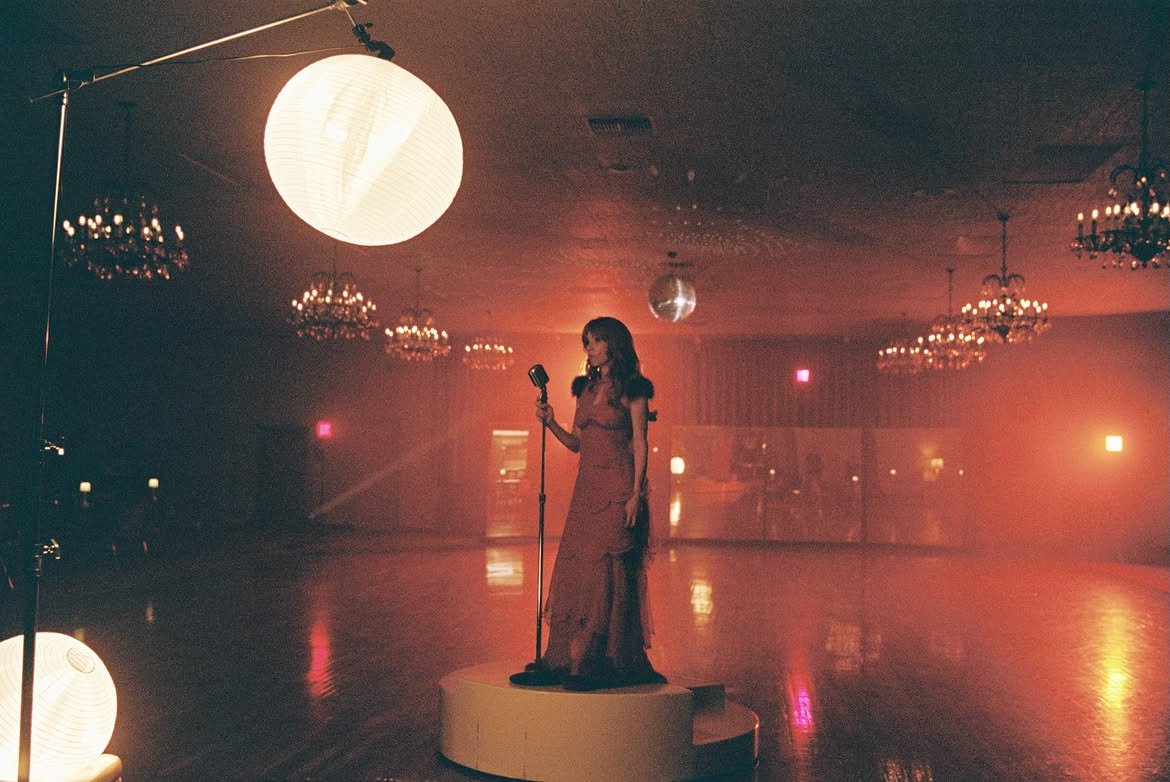


Laeky’s “caller waiting” is built from emotional exposure, but its production refuses to collapse into fragility. The Australian artist threads syncopated acoustic guitar riffs through understated indie-pop drums, subtle bass, and soft synth textures, creating a frame that feels both restless and suspended. Her sultry, yearning vocal…