
Jaden Ivey Waived by Bulls After Anti-Gay Comment: What Happened and Why It Matters
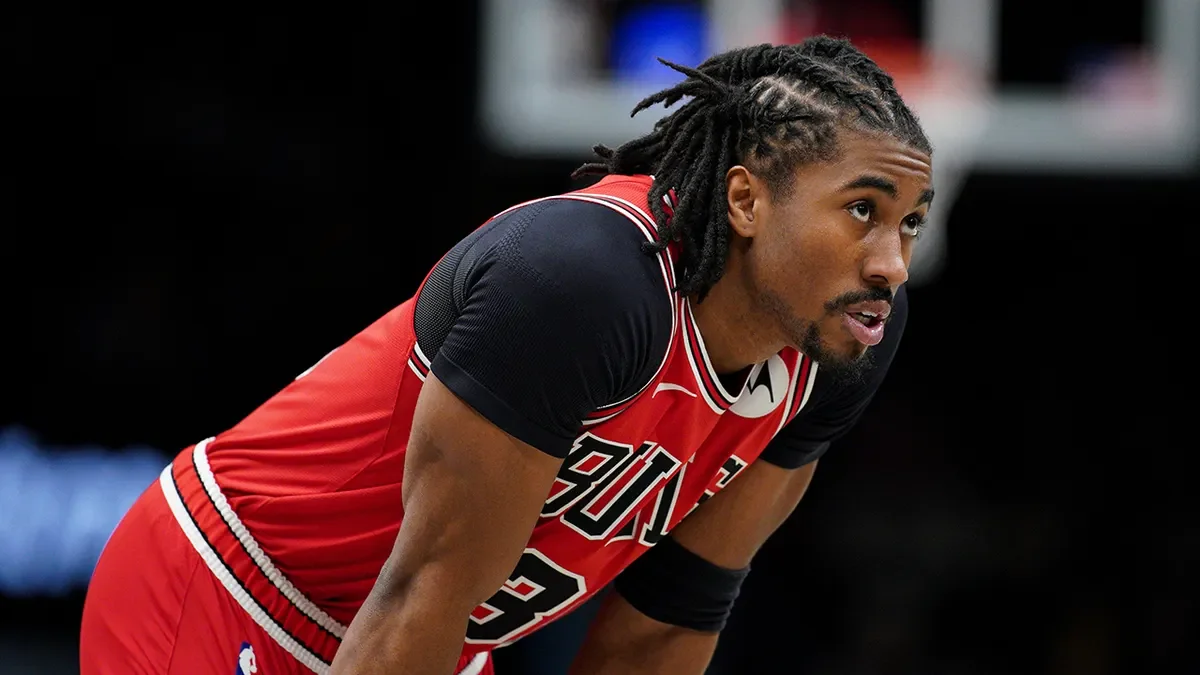
The Chicago Bulls waiving Jaden Ivey after anti-gay comments quickly became one of the NBA’s most talked-about stories on March 30, 2026. According to ESPN, the Bulls waived the guard after a series of social media videos in which he made anti-gay remarks and other comments about religion; the team later issued a brief statement saying he had been waived for “conduct detrimental to the team.” The Bulls’ own official release did not detail the remarks, but multiple outlets connected the move directly to the controversy that erupted online earlier that day.
The speed of the decision is part of what gave the story its force. Reports from ESPN and the Associated Press said Ivey’s comments circulated publicly on Monday, and the Bulls moved to cut ties within hours. In a league that has spent years publicly aligning itself with inclusion messaging, Pride campaigns, and anti-discrimination branding, the Bulls’ response signaled that the organization viewed the episode as more than a routine social media misstep. It was treated as a line-crossing incident with immediate professional consequences.
At the center of the controversy were remarks Ivey made during online videos in which he criticized the NBA’s support of Pride Month and framed those objections through religious language, according to People, ESPN, and the AP. Public reporting also noted that his posts included additional remarks about religion beyond the anti-LGBTQ comments, widening the backlash and shifting the story from a narrow sports controversy into a broader debate about belief, speech, and responsibility inside a team environment.
The story also landed awkwardly within the context of Ivey’s short and already disrupted Bulls tenure. Reuters reported just days earlier, on March 26, 2026, that Ivey was already done for the season with a left knee injury after appearing in only four games for Chicago following his February trade to the team. That meant the Bulls were not cutting a central rotation piece in the middle of a playoff chase; they were severing ties with a player who had barely established himself in their uniform before the off-court controversy overwhelmed everything else.
That context matters because it changes how the move is likely to be interpreted. On one level, this was about the Jaden Ivey anti-gay comment itself and the public backlash it triggered. On another, it was also about organizational calculation. A player who is injured, newly arrived, and not deeply embedded in the team’s identity is easier to move on from when controversy flares. The Bulls’ decision therefore reads as both a values statement and a practical act of damage control. That is an inference based on the timing and circumstances reported by multiple outlets, not something the team itself explicitly said.
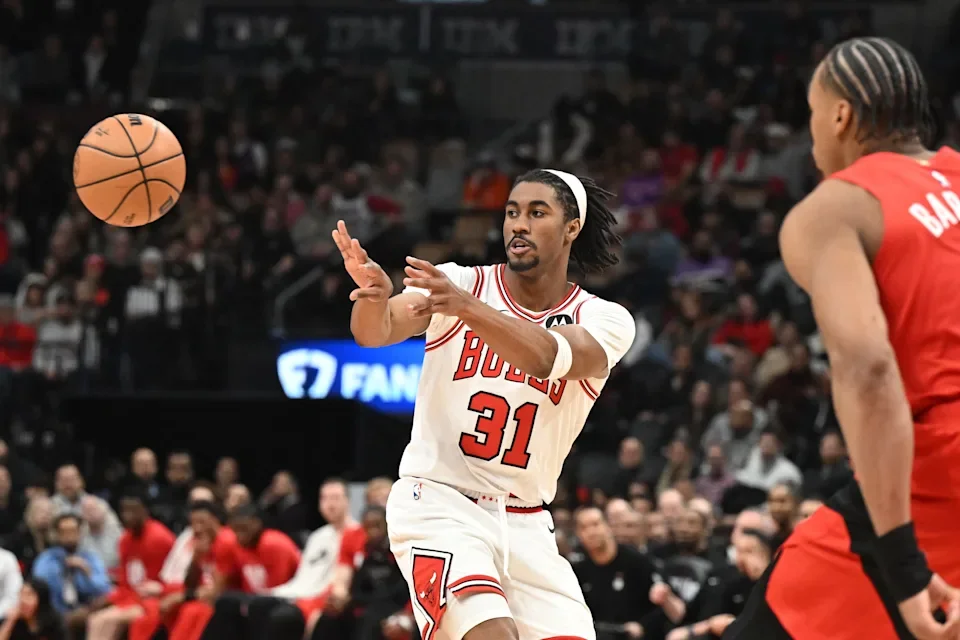
There is also the larger NBA dimension. The league and its franchises have invested heavily in presenting basketball as a space that welcomes players, fans, and communities across different identities. When a player publicly attacks or disparages a group that the league has openly supported, teams are forced into a test of whether that branding has teeth. In this case, the Bulls waiving Jaden Ivey suggested they did not want ambiguity attached to their position, especially after the remarks spread so widely and so quickly.
What happens next for Ivey is less clear. As of the initial reports, his representatives had not publicly commented, and there was no immediate indication that another NBA team was preparing to take a chance on him. On pure talent, Ivey entered the league as a high-upside guard and former top-five draft pick. But talent does not exist in a vacuum, especially when injuries, inconsistency, and public controversy begin stacking on top of one another. His next chapter now looks far less like a simple basketball question and far more like a reputational one.
In the end, the Jaden Ivey Bulls waiver story is not just another headline about an athlete posting something reckless online. It is a reminder that teams increasingly respond to public controversy in real time, especially when the issue touches discrimination, identity, and league image. The Bulls did not offer a long moral lecture. They made a short announcement and moved on. In today’s sports climate, that kind of silence can say plenty on its own
Featured
























Dust has a memory, and on WILD WEST: AMERICAN STORIES, Grant Maloy Smith lets that memory rise slowly through strings, wood, weather, and voice. The American artist’s 18-song Americana and Folk album moves with the patience of an old landscape painting coming…