Ellie Goulding Finding a Producer on TikTok Reflects the New Music Industry Pipeline
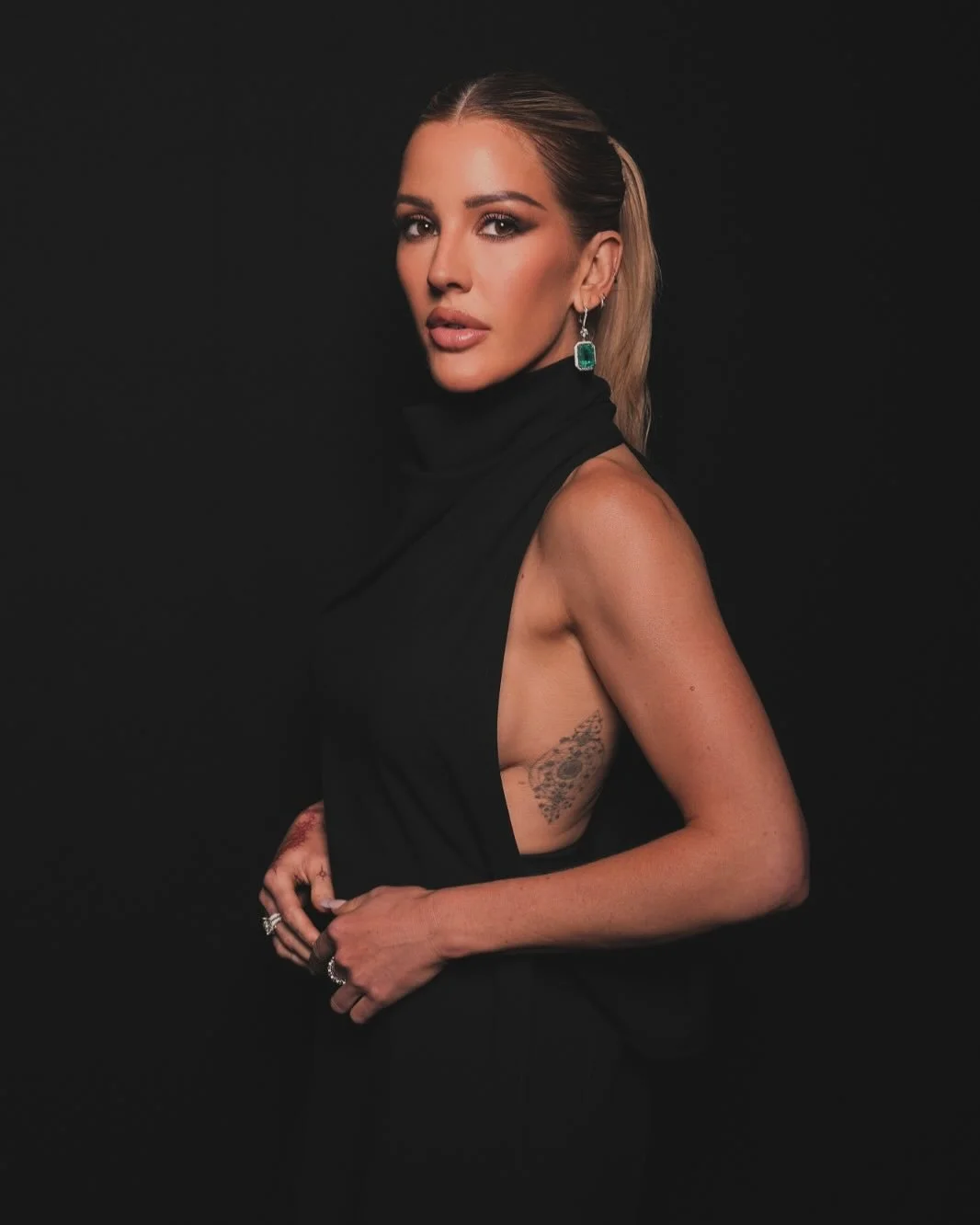
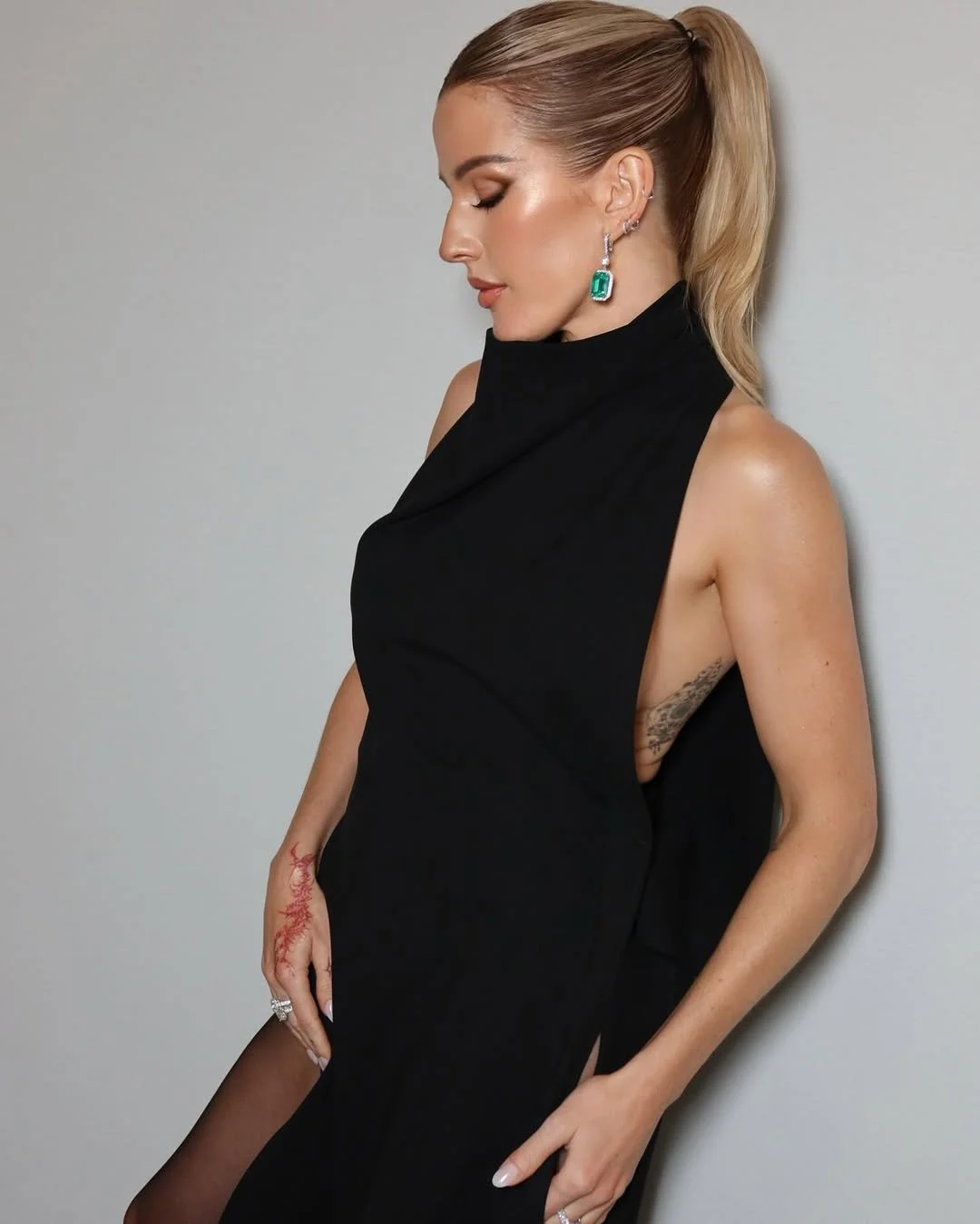
Ellie Goulding’s latest creative chapter says a lot about where the music industry is heading. The British pop star, known for balancing crystalline vocals with electronic-pop elegance, is preparing a new album after 2023’s Higher Than Heaven. But the most intriguing detail is not only the music itself. It is the way the process reflects a changed industry, where creative relationships no longer depend exclusively on traditional studio rooms, label introductions, or expensive behind-the-scenes networks.
In recent coverage, Goulding has spoken about working with Canadian producer Jack Rochon on her forthcoming sixth album, describing the project as personal, organic, and emotionally connected to major changes in her life. The album reportedly follows her through separation, renewal, and a new relationship, with Goulding telling NYLON that collaborating with Rochon helped her rediscover the joy of being in a room with people who are serious music obsessives. PEOPLE also reported that Goulding met Rochon during the same period she was separating from ex-husband Caspar Jopling, making the creative process unusually intertwined with real-time emotional transition.
What makes this story especially modern is the broader idea behind it: discovery has moved. In the old music business, producers often reached established artists through managers, publishers, A&Rs, songwriting camps, or label-sanctioned introductions. Those channels still exist, of course, but they are no longer the only doors into the room. TikTok, Instagram, YouTube Shorts, Discord communities, beat-making livestreams, and even casual viral clips now function as open auditions for the entire industry.
That is why Ellie Goulding finding creative energy through a producer connected to the digital ecosystem feels significant. It reflects a new pipeline where talent can be noticed before permission is granted. A producer no longer needs to wait quietly for an A&R executive to bless them with access. They can post a snippet, flip a sample, show a studio breakdown, remix a trending sound, explain their process, or simply let the algorithm push their taste into unexpected rooms. The modern music industry is no longer a locked mansion. It is a labyrinth with side doors everywhere.
For emerging producers, this is both exhilarating and brutal. On one hand, the internet has flattened certain barriers. A teenager making beats in a bedroom can theoretically reach the same screen as a Grammy-winning songwriter. A niche electronic producer can stumble into a major artist’s feed. A vocalist can discover a sound designer without needing a formal industry introduction. That kind of access would have seemed nearly fantastical two decades ago.
On the other hand, visibility is now its own ruthless currency. Producers are not only expected to make compelling music; they are expected to package their process into content. The beat must be good, but the clip must also be watchable. The sound must be distinctive, but the branding must be legible. The studio has become part laboratory, part showroom, part confessional booth. In this sense, TikTok has not simply changed how songs go viral. It has changed how collaborators find each other.
Goulding’s situation also reveals something important about established artists. Major singers are no longer only searching for famous producers with glittering discographies. They are often searching for feeling. They want someone who can unlock a specific emotional room, bring a fresh sonic vocabulary, or make the process feel less mechanical. In her NYLON interview, Goulding described returning to instruments and taking things back to basics, especially guitar, in contrast to the rising dominance of AI music and laptop-made production. That contrast is crucial. The future may be digital, but artists are still hungry for human chemistry.
That is where TikTok’s influence becomes more complicated. The platform is often accused of cheapening music by rewarding short hooks, meme-ready choruses, sped-up versions, and hyper-compressed attention spans. There is truth in that criticism. But TikTok can also revive old songs, expose unusual production styles, and connect artists who might never have met through the conventional industry grid. Goulding herself has benefited from that strange afterlife effect, with older songs such as “Lights” and “Starry Eyed” finding renewed cultural motion through TikTok-era nostalgia.
The result is a new music industry pipeline that is less linear and more chaotic. An artist may discover a producer through a viral clip, write a deeply personal album in a traditional studio, then watch that album’s success depend partly on the same platforms that helped create the connection. Creation, promotion, discovery, and fan reaction now exist in one continuous loop. The walls between the studio and the public have become porous.
For pop music, that could be healthy. Some of the most sterile mainstream records come from predictable rooms, where the same writers, same producers, and same melodic formulas circulate endlessly. When artists look beyond the obvious names, they create space for surprise. They invite new textures into the bloodstream. They allow the algorithm, for all its flaws, to occasionally function as a strange curator of possibility. Ellie Goulding’s forthcoming era appears to be less about chasing trend cycles and more about reconnecting with emotional authorship. That makes the producer-discovery narrative even more meaningful. This is not simply a story about TikTok handing a beatmaker a golden ticket. It is a story about how the modern artist’s search for sincerity can begin in profoundly unsentimental places: a feed, a clip, a digital coincidence.
The old industry pipeline was based on gatekeepers. The new one is based on visibility, taste, speed, and serendipity. That does not make it perfect. It can be exhausting, shallow, and algorithmically capricious. But it can also be democratic in flashes. It can give unexpected people access to extraordinary rooms.
Ellie Goulding finding fresh creative partnership in this new environment shows that the future of music discovery is not only about fans finding songs. It is about artists finding collaborators, producers finding purpose, and great records beginning in places that once would have been dismissed as unserious. In 2026, the next major pop album may not begin with a boardroom meeting. It may begin with a scroll.
Enjoyed the read? Consider showing your support by leaving a tip for the writer
Featured

Follow Us








Laeky’s “caller waiting” is built from emotional exposure, but its production refuses to collapse into fragility. The Australian artist threads syncopated acoustic guitar riffs through understated indie-pop drums, subtle bass, and soft synth textures, creating a frame that feels both restless and suspended. Her sultry, yearning vocal…